


Solid surfacing first gained prominence in the 1960s, with the introduction of brands like DuPont’s—a pioneer in the industry. Since then, advancements in technology have led to a wide range of formulations, colors, and textures, making solid surfacing suitable for a diverse array of design needs.

Resin Matrix: This forms the "backbone" of the material, providing strength, flexibility, and binding power. The most common resins used are acrylic or polyester resins. Acrylic-based solid surfacing is known for its superior durability, resistance to UV rays, and ease of repair, making it ideal for high-traffic areas. Polyester-based options, on the other hand, are often more affordable and offer a wider range of vibrant colors and patterns, though they may be slightly less resistant to impact or heat.
Filler Material: To add texture, weight, and stability, fillers are mixed into the resin matrix. The most common filler is alumina trihydrate (ATH), a fine powder derived from bauxite ore. ATH not only enhances the material’s strength but also gives it a smooth, stone-like feel. Some formulations may also include other fillers, such as wood fibers (for a warm, organic look) or recycled materials (appealing to eco-conscious consumers), expanding the material’s versatility.
Seamless Installation: Thanks to its homogeneous structure, solid surfacing can be joined with invisible seams. This creates a smooth, continuous surface that is not only visually appealing but also easy to clean—no crevices for dirt, grime, or bacteria to hide in. This feature is particularly valuable in kitchens (where countertops often have complex shapes) and bathrooms (where hygiene is a priority).
Durability and Repairability: Solid surfacing is resistant to scratches, stains, and impact—though it is not entirely impervious to extreme heat (hot pans should always be placed on trivets). One of its biggest advantages is its repairability: minor scratches or chips can be sanded and polished to restore the surface to its original condition. Unlike natural stone, which may crack or chip irreparably, solid surfacing can be repaired multiple times, extending its lifespan.
Hygienic and Easy to Clean: The non-porous nature of solid surfacing prevents liquids, food particles, and bacteria from penetrating the surface. This makes it an excellent choice for kitchens, bathrooms, healthcare facilities, and restaurants, where hygiene is critical. Cleaning is simple: a mild soap and water solution is usually sufficient to keep the surface looking fresh.
Design Flexibility: Solid surfacing offers endless design possibilities. It can be molded into curved shapes, edges, or custom forms—something that is difficult (or expensive) to achieve with natural stone. It is available in a wide range of colors, from neutral tones (beige, gray, white) to bold hues (red, blue, green), as well as patterns that mimic marble, granite, wood, or even concrete. This flexibility allows designers to create unique, personalized spaces that reflect their vision.
Eco-Friendly Options: As sustainability becomes a growing concern, many manufacturers now offer solid surfacing made from recycled materials (such as recycled acrylic or post-consumer plastic). Additionally, the material’s long lifespan and repairability reduce waste, making it a more environmentally friendly choice compared to materials that need to be replaced frequently.

Kitchen Countertops: Solid surfacing is a popular choice for kitchen countertops due to its seamless design, stain resistance, and easy maintenance. It can be customized to fit any kitchen layout, including curved edges or integrated sinks (where the sink is made from the same material as the countertop, eliminating seams).
Bathroom Vanities and Shower Walls: In bathrooms, solid surfacing is ideal for vanities (resistant to water and humidity) and shower walls (seamless, easy to clean, and mold-resistant). It can also be used for bathtub surrounds or custom shower seats.
Fireplace Surrounds: Its heat resistance (when used properly) and ability to be molded into curved shapes make solid surfacing a great option for fireplace surrounds, adding a modern touch to living spaces.
Furniture and Decor: Solid surfacing is not limited to functional surfaces—it can also be used to create unique furniture pieces, such as coffee tables, dining tables, or shelving, as well as decorative elements like wall panels or backsplashes.
Retail Stores: Solid surfacing is often used for checkout counters, display cases, and wall panels in retail stores, thanks to its durability and ability to maintain a clean, professional look.
Healthcare Facilities: Hospitals, clinics, and laboratories require materials that are hygienic, easy to clean, and resistant to bacteria. Solid surfacing meets these needs, making it suitable for countertops, exam tables, and wall surfaces.
Restaurants and Cafés: In food service settings, solid surfacing is used for bar tops, dining tables, and kitchen work surfaces—its stain resistance and easy maintenance make it a practical choice.
Office Spaces: Solid surfacing adds a modern, sleek look to office reception desks, conference tables, and workstations, while its durability ensures it can withstand daily use.
Daily Cleaning: Wipe the surface with a soft cloth or sponge and a mild soap and water solution. Avoid abrasive cleaners (like scouring pads or bleach) or harsh chemicals (like ammonia or acetone), as these can damage the surface.
Handling Stains: For tough stains (like coffee, wine, or oil), use a non-abrasive cleaner (such as a mild kitchen cleaner) and a soft cloth. For persistent stains, a paste made from baking soda and water can be gently rubbed into the stain, then rinsed clean.
Repairing Scratches: Minor scratches can be repaired using a fine-grit sandpaper (400-600 grit) to sand the area gently, followed by a polishing compound to restore the shine. For deeper scratches or chips, it’s best to consult a professional installer, who can use specialized tools and materials to make the repair seamless.
Preventing Damage: Always use trivets or heat pads under hot pans, pots, or appliances to prevent heat damage. Avoid placing sharp objects (like knives or scissors) directly on the surface, and use cutting boards to prevent scratches.
Sustainable Formulations: With a growing focus on sustainability, manufacturers are developing solid surfacing materials made from recycled or renewable resources. For example, some brands now offer solid surfacing made from recycled plastic bottles or plant-based resins, reducing their environmental impact.
Smart Surfaces: The integration of technology into solid surfacing is a rising trend. Some companies are developing "smart" solid surfacing that includes features like built-in LED lighting (for countertops or wall panels), wireless charging capabilities (for kitchen or office surfaces), or temperature control (for bathroom vanities).
Textured and Tactile Designs: While smooth surfaces remain popular, there is a growing demand for solid surfacing with textured or tactile finishes. These finishes can mimic natural materials like wood grain, stone texture, or even fabric, adding depth and sensory appeal to spaces.
Larger Slabs: To meet the demand for seamless, large-scale installations (such as kitchen islands or wall panels), manufacturers are producing larger solid surfacing slabs. This reduces the number of seams needed, creating a more cohesive and visually striking look.
Related Blogs
-
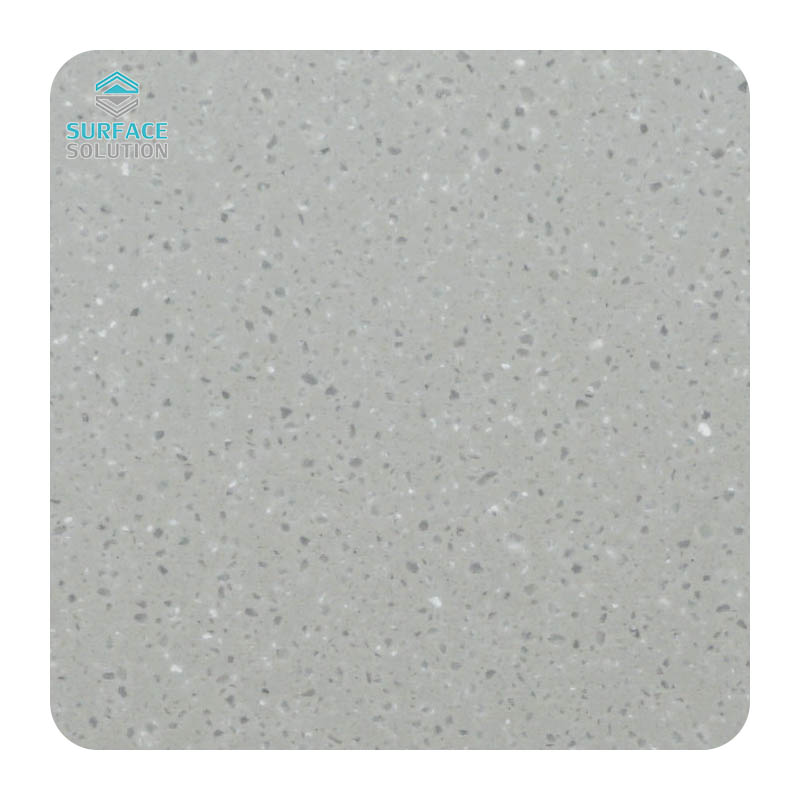 Artificial Stone Wall Art: Adding Texture and Depth to Modern InteriorsIn the pursuit of unique, expressive interior spaces, artificial stone wall art has become a powerful design element. Unlike flat paint, wallpaper, or ordinary wall panels, artificial stone wall art brings authentic texture, thre
 -
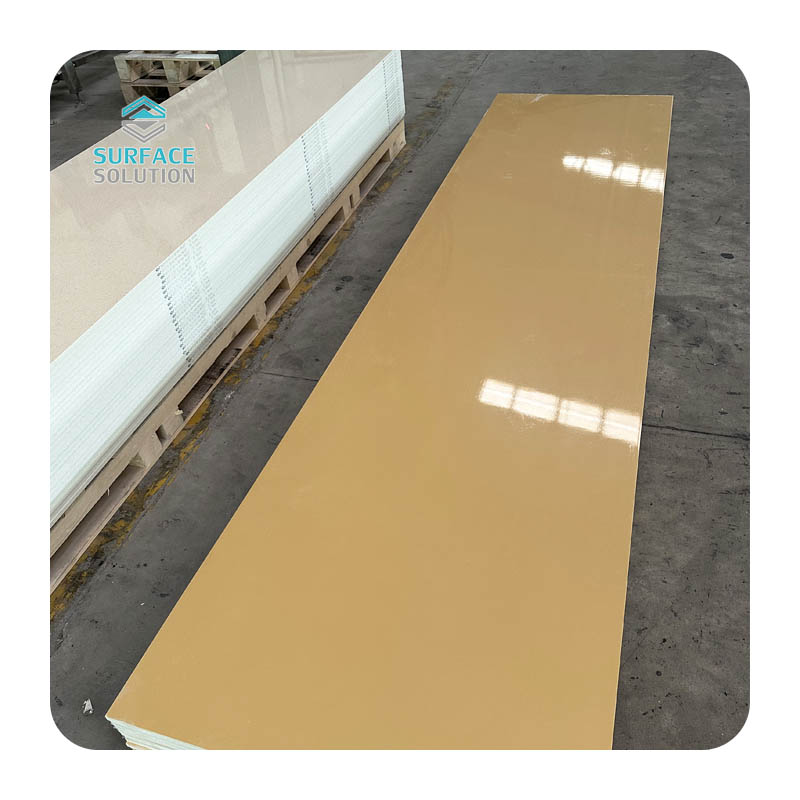 Artificial Stone for Retail Spaces: Enhancing Customer ExperienceIn the fiercely competitive retail industry, store design is no longer merely a matter of interior decoration. It has evolved into a core strategic tool to attract foot traffic, extend customer stay time, and elevate brand perception.
 -
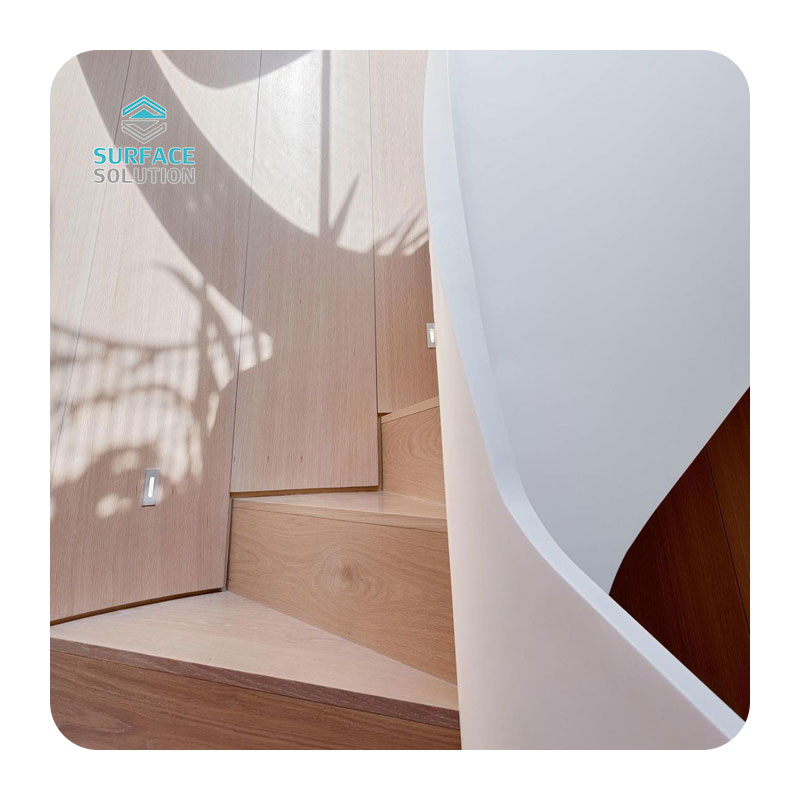 Artificial Stone Staircases: Combining Safety and StyleStaircases serve as both vital functional structures and core decorative elements in residential and commercial buildings. For decades, natural stone stair treads have been a popular choice for premium interior design, thanks to their elegant te
 -
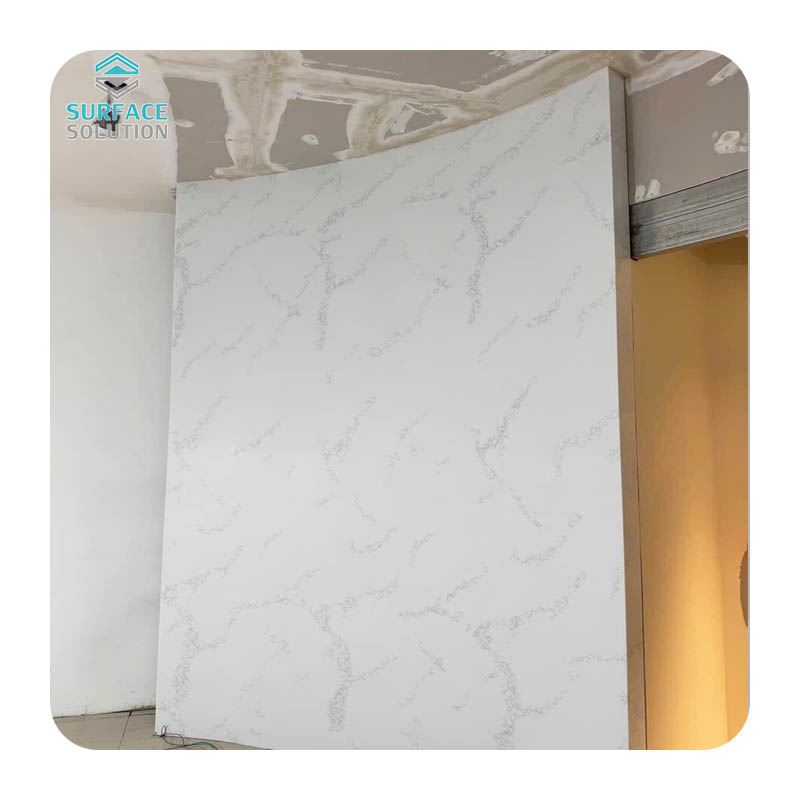 Artificial Stone Wall Panels: Transforming InteriorsNatural stone has long been revered in interior design for its timeless texture, elegant tones, and unique organic charm. Yet its inherent drawbacks—excessive weight, exorbitant costs, cumbersome installation, and high maintenance demands—have limi


