


Restore Shine: Daily cleaning with harsh chemicals or abrasive sponges can dull the surface’s finish over time. Polishing helps to remove the top layer of dulled material, revealing the glossy, smooth surface underneath.
Fix Minor Scratches: Light scratches from utensils, pots, or even pet claws can be buffed out with the right polishing techniques, eliminating the need for costly replacements.
Prevent Stains: A well-polished surface is smoother and less likely to trap dirt, oil, or liquids, making it easier to clean and reducing the risk of permanent stains.
Enhance Aesthetics: A polished countertop instantly refreshes the look of your kitchen or bathroom, adding a touch of elegance and making the space feel more inviting.

Sandpaper: Start with a medium-grit sandpaper (220-grit) for removing minor scratches, then move to a fine-grit sandpaper (400-grit or 600-grit) to smooth the surface. For a high-gloss finish, use an ultra-fine-grit sandpaper (800-grit or 1000-grit).
Orbital Sander (Optional): While hand sanding is possible, an orbital sander with a soft pad will make the process faster and more even, especially for larger countertops. Avoid using a belt sander, as it can cause uneven sanding and damage the surface.
Polishing Compound: Choose a polishing compound specifically designed for solid surface materials. Look for products that are non-abrasive or mildly abrasive to avoid scratching the surface. Some popular options include Countertop Magic, Novus Plastic Polish, or 3M Marine Polish.
Buffing Pad: Use a soft, clean buffing pad made from microfiber, wool, or foam. Microfiber pads are ideal for final buffing, as they leave a streak-free finish.
Clean Cloths: Have several lint-free microfiber cloths or soft cotton cloths on hand for cleaning the surface before and after polishing.
Water Spray Bottle: Fill a spray bottle with clean water to keep the surface moist while sanding, which helps to reduce dust and prevent the sandpaper from clogging.

Wear Protective Gear: When sanding, wear a dust mask to avoid inhaling dust particles, and safety glasses to protect your eyes from debris.
Work in a Well-Ventilated Area: Open windows or turn on a fan to ensure proper ventilation, especially when using polishing compounds that may have a strong odor.
Test in an Inconspicuous Area: Before polishing the entire countertop, test the sandpaper and polishing compound on a hidden spot (such as under a sink or behind an appliance) to ensure they don’t damage or discolor the surface.
Wipe Down the Surface: Use a mild dish soap and warm water to clean the countertop. Avoid using abrasive cleaners (such as Comet or Ajax) or scouring pads, as they can further dull the surface.
Remove Stains: If there are any stubborn stains (such as coffee, wine, or oil), use a non-abrasive stain remover. For example, you can make a paste of baking soda and water, apply it to the stain, and let it sit for 10–15 minutes before wiping it off with a damp cloth.
Dry the Surface: Use a clean, lint-free cloth to dry the countertop completely. Ensure there is no moisture left, as it can affect the sanding and polishing process.
Start with Medium-Grit Sandpaper: If there are visible scratches, begin with 220-grit sandpaper. Hold the sandpaper at a 45-degree angle and sand in a circular motion, applying light, even pressure. Keep the surface moist by spraying it with water from the spray bottle—this helps to reduce dust and keeps the sandpaper from clogging.
Move to Fine-Grit Sandpaper: After sanding with 220-grit sandpaper, switch to 400-grit or 600-grit sandpaper to smooth the surface further. Continue sanding in circular motions, keeping the surface moist. Check the surface periodically to see if the scratches have been removed.
Finish with Ultra-Fine-Grit Sandpaper: For a high-gloss finish, use 800-grit or 1000-grit sandpaper. Sand lightly in circular motions, focusing on areas that still appear dull. Be careful not to over-sand, as this can remove too much material and damage the countertop.
Clean the Surface Again: After sanding, use a damp cloth to wipe away any dust or debris. Then, dry the surface completely with a clean cloth.
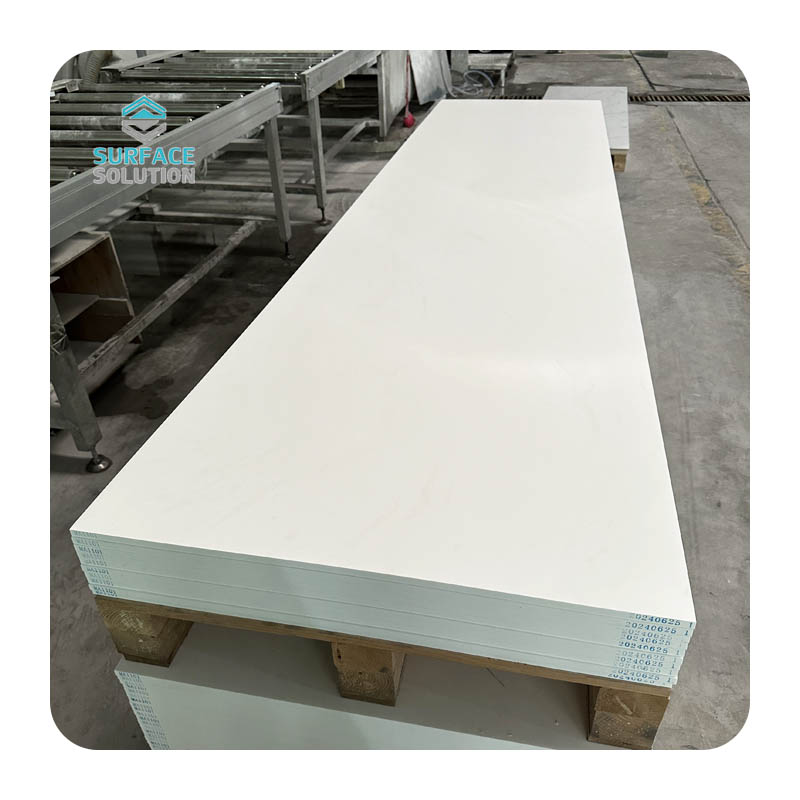
Apply a Small Amount of Polishing Compound: Squeeze a small amount of polishing compound onto the buffing pad or directly onto the countertop. Start with a 2–3 inch area to avoid wasting the compound.
Buff in Circular Motions: Use the buffing pad to apply the compound in small, circular motions. Apply moderate pressure, but be careful not to press too hard—this can cause heat buildup and damage the surface. Continue buffing until the compound starts to dry and the surface begins to shine.
Wipe Away Excess Compound: After buffing each area, use a clean, lint-free cloth to wipe away any excess polishing compound. Inspect the surface to ensure it has a uniform shine. If there are still dull spots, reapply a small amount of compound and buff again.
Use a Clean Buffing Pad: Replace the used buffing pad with a clean, dry one to avoid transferring any residue.
Buff Lightly in Circular Motions: Buff the entire countertop lightly in circular motions for 2–3 minutes. This will help to enhance the shine and remove any remaining streaks or smudges.
Inspect the Surface: Once you’re done, step back and inspect the countertop. It should have a smooth, glossy finish that looks like new.
Fill Chips or Cracks: For small chips or cracks, use a solid surface repair kit. These kits typically include a color-matched resin and hardener. Follow the manufacturer’s instructions to mix the resin, apply it to the damaged area, and smooth it out with a putty knife. Allow the resin to dry completely (usually 24 hours) before sanding and polishing.
Professional Repair for Large Damage: If the damage is large (such as a deep crack or a missing piece), it’s best to hire a professional solid surface repair technician. They have the tools and expertise to repair the damage seamlessly, ensuring the countertop looks as good as new.
Clean Regularly with Mild Cleaners: Use a mild dish soap and warm water to clean the countertop daily. Avoid using abrasive cleaners, scouring pads, or harsh chemicals (such as bleach or ammonia), as they can dull the surface.
Wipe Up Spills Immediately: Solid surface countertops are non-porous, but it’s still a good idea to wipe up spills (especially acidic liquids like lemon juice or vinegar) immediately to prevent any potential damage.
Use Cutting Boards and Trivets: Always use a cutting board when chopping food to avoid scratches, and use trivets or hot pads under hot pots and pans to protect the surface from heat damage.
Polish Every 6–12 Months: Depending on usage, polish your countertops every 6–12 months to maintain their shine and prevent the buildup of dirt and grime. For high-traffic areas (such as kitchen countertops), you may need to polish more frequently.
Related Blogs
-
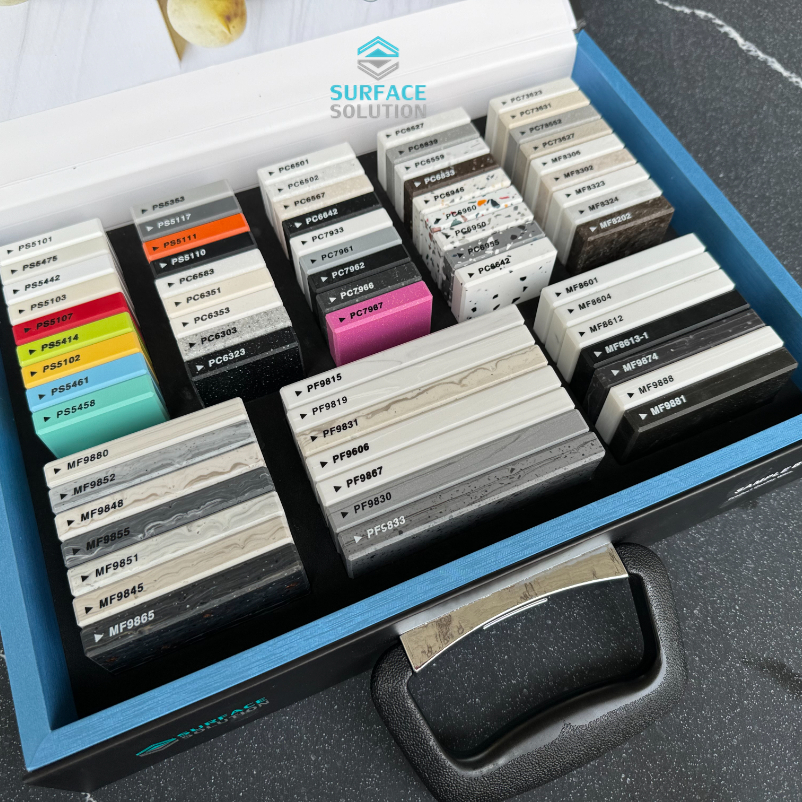 Artificial Stone in Hotel Interiors: Luxury and DurabilityIn high-end hotel design, materials must balance timeless elegance with daily heavy use—and artificial stone has become the top choice for modern luxury interiors. Unlike natural stone, premium acrylic and modified solid surface delivers cons
 -
 Top White Reception Desk Styles for a Clean, Sleek LookThe reception area acts as the first impression of any brand. Among countless furniture options, white reception desks stand out as a timeless choice to craft a neat, contemporary atmosphere. Bright, reflective white surfaces amplify natural lig
 -
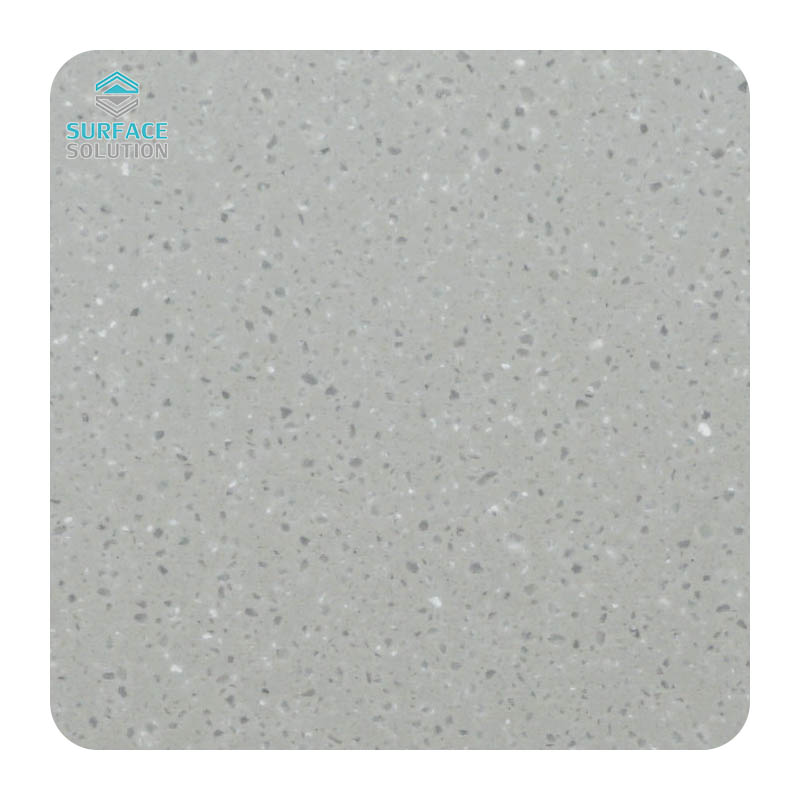 Artificial Stone Wall Art: Adding Texture and Depth to Modern InteriorsIn the pursuit of unique, expressive interior spaces, artificial stone wall art has become a powerful design element. Unlike flat paint, wallpaper, or ordinary wall panels, artificial stone wall art brings authentic texture, thre
 -
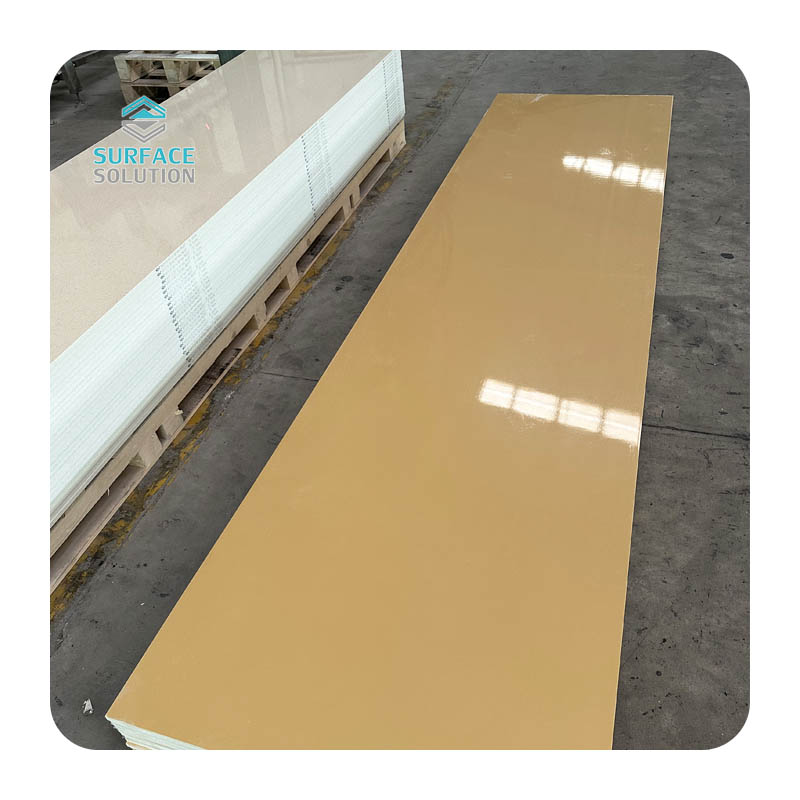 Artificial Stone for Retail Spaces: Enhancing Customer ExperienceIn the fiercely competitive retail industry, store design is no longer merely a matter of interior decoration. It has evolved into a core strategic tool to attract foot traffic, extend customer stay time, and elevate brand perception.


