


Integrating Technology with Bathroom Sink Furniture Designs: The Versatility of Acrylic Solid Surface


Integrating Technology with Bathroom Sink Furniture Designs: The Versatility of Acrylic Solid Surface
In the evolving landscape of modern interior design, the bathroom has transcended its traditional role as a functional space to become a sanctuary of comfort, style, and technological innovation. At the heart of this transformation lies the integration of advanced materials and smart technology, with acrylic solid surface emerging as a standout choice for bathroom sink furniture. This man-made material, crafted from high-quality acrylic resins, mineral fillers, and natural pigments, has redefined the possibilities of bathroom design by seamlessly blending durability, aesthetics, and technological adaptability. As homeowners and designers increasingly seek spaces that marry form with function, acrylic solid surface has become the bridge between innovative technology and timeless bathroom sink furniture design.
Acrylic solid surface’s unique composition is the foundation of its compatibility with modern bathroom technology. Unlike natural stone, which is porous and requires regular sealing, acrylic solid surface features a non-porous, homogeneous structure that resists stains, moisture, and bacterial growth—essential qualities for a space as humid and high-use as the bathroom. Its thermoformability, a key advantage, allows it to be heated and shaped into seamless, curved, or custom forms at temperatures between 150–180°C without cracking, making it ideal for integrating with a wide range of smart bathroom components. This flexibility means acrylic solid surface can be molded into integrated sink-countertop units, eliminating unsightly seams that harbor grime and disrupting the sleek, modern look that defines contemporary bathroom design. Whether it’s a minimalist wall-mounted sink, a spacious double vanity, or a space-saving corner sink, acrylic solid surface adapts to diverse design needs while maintaining structural integrity and ease of maintenance.

The integration of technology with acrylic solid surface bathroom sink furniture is most evident in the rise of smart vanity systems, where functionality and innovation converge. Modern bathrooms now feature acrylic solid surface vanities equipped with motion-activated lighting, touchless faucets, and built-in wireless charging stations—all seamlessly integrated into the material’s smooth surface. For instance, LED light strips can be embedded within the acrylic countertop or mirror frame, providing soft, adjustable illumination that enhances visibility while adding a warm, ambient glow to the space. These lights can be synced with smart home systems, allowing users to control brightness, color temperature, and even lighting schedules via voice commands or mobile apps, transforming the daily bathroom routine into a personalized experience.
Another key area of technological integration is the development of hygiene-focused features, a priority in post-pandemic design. Acrylic solid surface’s non-porous nature makes it inherently hygienic, but when combined with smart technology, it becomes a powerful tool for maintaining a clean bathroom environment. Some acrylic vanities now include built-in UV-C sterilization compartments, which use ultraviolet light to eliminate up to 99.9% of bacteria and viruses on toiletries, makeup tools, and other personal items. Touchless faucet technology, paired with acrylic sinks, reduces contact with high-touch surfaces, further promoting hygiene. Additionally, advanced sensor technology can detect water usage, allowing users to monitor and reduce water consumption—aligning with the growing focus on sustainability in interior design.
Design versatility is another hallmark of acrylic solid surface, enabling it to complement a wide range of technological additions while maintaining aesthetic coherence. The material is available in an extensive palette of colors, from neutral whites and grays to bold hues, as well as patterns that mimic natural stone, terrazzo, or even translucent finishes. This variety allows designers to match acrylic sink furniture with smart bathroom fixtures—such as digital mirrors with auto-defogging capabilities and built-in displays—creating a cohesive, streamlined look. Digital mirrors, for example, can be integrated above acrylic vanities, featuring touchscreen controls for lighting, weather updates, and even health monitoring functions, while the acrylic countertop below provides a seamless, easy-to-clean surface that complements the mirror’s sleek design.
The durability and reparability of acrylic solid surface further enhance its appeal in tech-integrated bathroom designs. Unlike natural stone or ceramic, which can chip or crack irreparably, minor scratches and scuffs on acrylic surfaces can be easily sanded and polished back to their original condition, extending the lifespan of the sink furniture. This longevity is crucial for smart bathroom setups, where replacing integrated components can be costly and disruptive. Additionally, acrylic solid surface is resistant to harsh chemicals commonly found in bathroom cleaners, ensuring that the material remains intact even with regular use, while its lightweight nature simplifies installation—especially for wall-mounted or floating vanities that are popular in modern, tech-forward bathrooms.
Looking ahead, the integration of technology with acrylic solid surface bathroom sink furniture is poised to become even more innovative, driven by the demand for personalized, sustainable, and connected spaces. Emerging trends include the integration of IoT (Internet of Things) sensors into acrylic vanities, which can monitor humidity levels and automatically adjust ventilation or lighting to prevent mold growth. Additionally, advancements in thermoforming technology will allow for more complex, custom shapes, enabling designers to create one-of-a-kind sink furniture that integrates seamlessly with smart home systems. The material’s compatibility with 3D printing technology also opens up new possibilities for customization, allowing homeowners to design unique sink shapes and vanity configurations that reflect their personal style while incorporating the latest smart features.
In conclusion, acrylic solid surface has emerged as a transformative material in the integration of technology with bathroom sink furniture designs. Its unique combination of thermoformability, durability, hygiene, and design versatility makes it the ideal canvas for incorporating smart features, from touchless faucets and LED lighting to UV sterilization and IoT sensors. As the bathroom continues to evolve into a tech-enabled sanctuary, acrylic solid surface will remain at the forefront, bridging the gap between functionality and aesthetics. By embracing this material, designers and homeowners can create bathroom spaces that are not only visually stunning but also efficient, hygienic, and tailored to the demands of modern living—proving that technology and design can coexist harmoniously to redefine the future of the bathroom.
Related Blogs
-
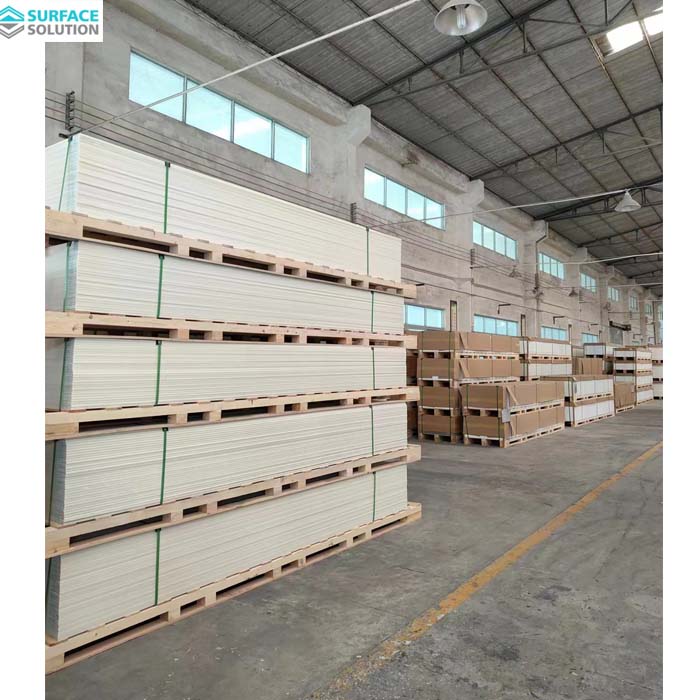 White acrylic solid surface remains a top-selling option for distributors, wholesalers and project contractors, widely specified for kitchen countertops, bathroom vanities, hotel vanity tops, commercial reception counters and custom tabletops. A common question from your downstream buyers is straigh
 -
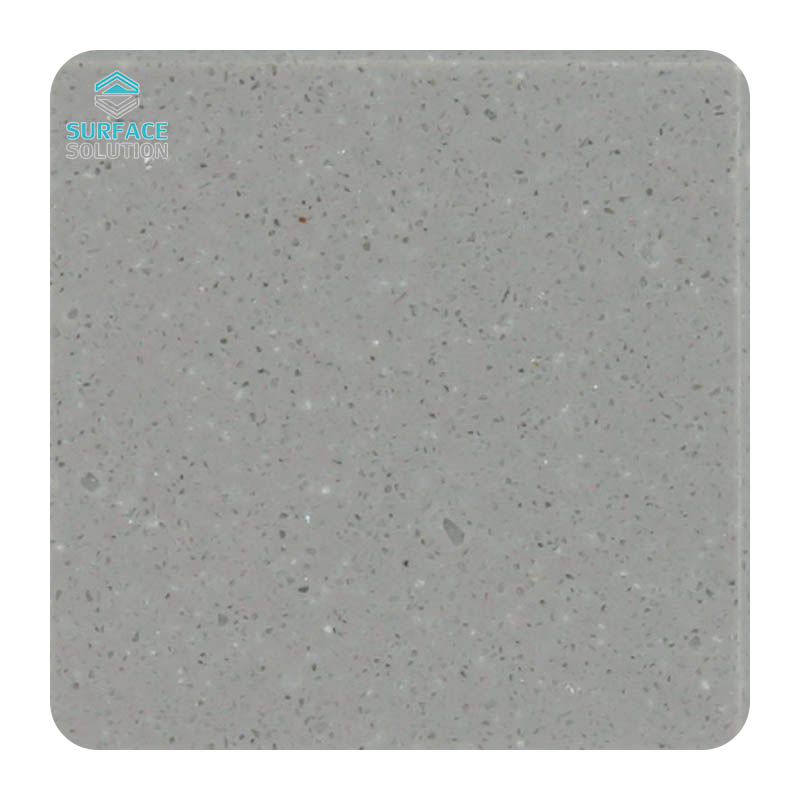 When renovating kitchens, bathrooms or commercial spaces, homeowners and designers often weigh different countertop materials. Acrylic solid surface is one of the most popular options, but a common question remains: is it durable enough for everyday use?Acrylic solid surface countertops are manufact
 -
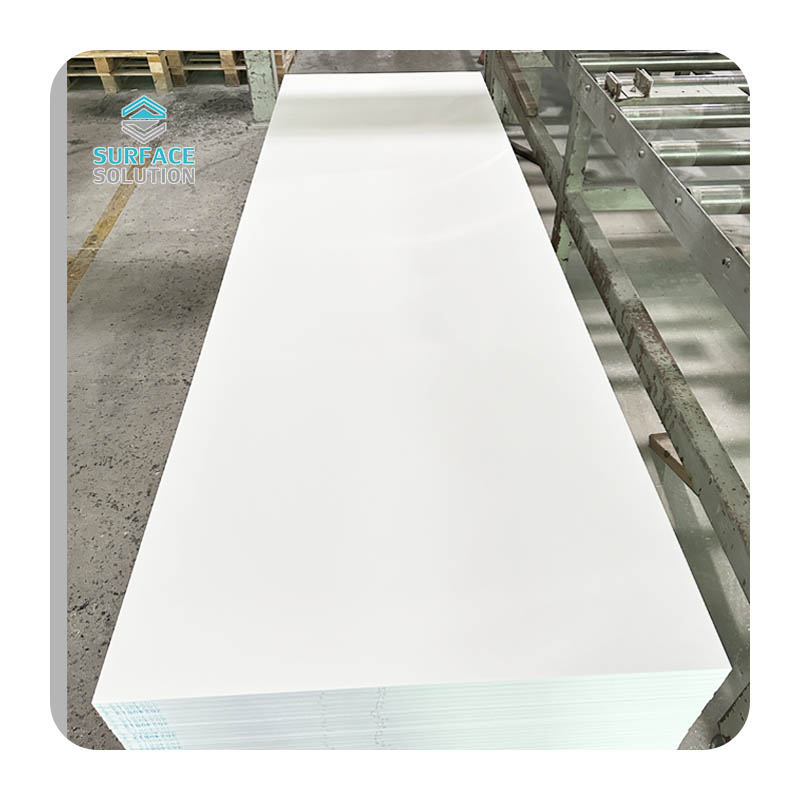 Acrylic solid surface is a premium engineered composite material widely used for kitchen countertops, vanity tops, wall panels, custom furniture and commercial interior projects. Many people confuse it with pure acrylic sheet or natural marble, but it is a carefully formulated blend of mineral powde
 -
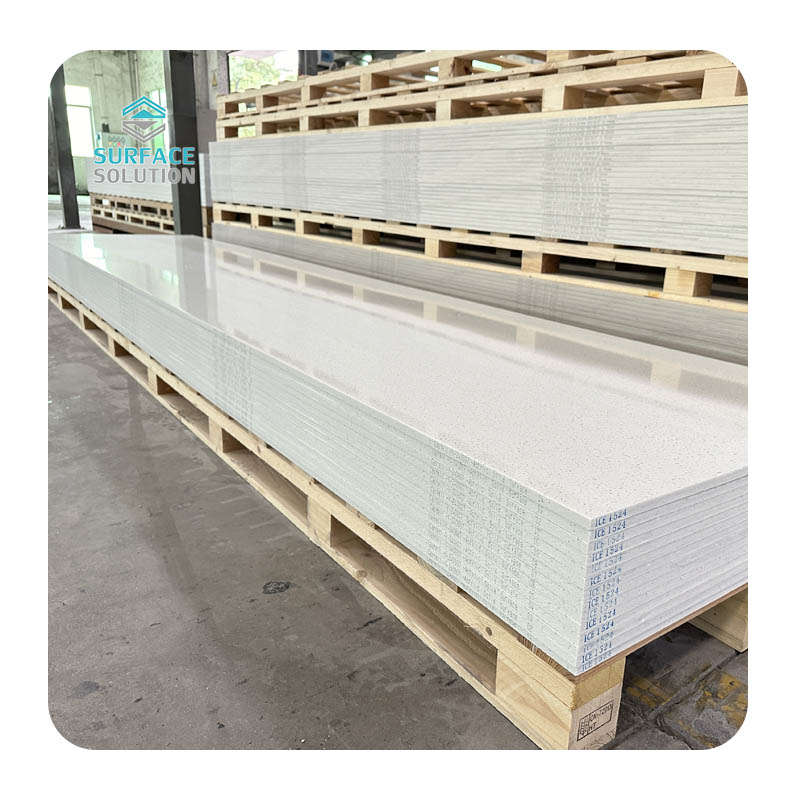 Kitchens and bathrooms are the most frequently used and easily worn spaces in residential and commercial buildings, where countertops face constant spills, moisture, friction, and daily stains. Compared with traditional materials such as natural marble, granite, quartz stone, and laminate, acrylic s


