


Top Mistakes To Avoid When Installing Solid Surface Stone Countertops


Top Mistakes to Avoid When Installing Solid Surface Stone Countertops
Solid surface stone countertops—including quartz, acrylic, and engineered marble—offer unparalleled durability, versatility, and aesthetic appeal for kitchens and bathrooms. However, their performance and longevity hinge heavily on proper installation. Even minor errors during the process can lead to costly repairs, premature wear, or complete failure. Below are the most common mistakes to steer clear of, along with expert guidance to ensure a successful installation.
1. Inaccurate Measurements and Miscalculations
Rushing through measurements is the single most costly mistake. Failing to account for wall irregularities, cabinet misalignments, or appliance dimensions often results in ill-fitting countertops with unsightly gaps or overlapping edges. Many DIY installers rely on a single measurement pass, ignoring the need to verify levels and angles.
Consequence: Gaps between the countertop and walls can trap moisture, leading to mold growth or substrate damage. Ill-fitting pieces may also create stress points that cause cracking over time.
How to Avoid: Use a laser level and digital tape measure for precision. Measure each section at least twice, and create a detailed template using cardboard or plywood to test fit before cutting the stone. Account for 1/8-inch gaps (for expansion) and compensate for uneven walls by scribing the countertop to match wall contours.
2. Insufficient Substrate Support
Solid surface stone is dense and heavy—quartz, for example, weighs 20-25 pounds per square foot. Installing it over weak or uneven substrates (such as flimsy particleboard or warped plywood) is a recipe for disaster. Skipping support brackets for overhangs or failing to reinforce cabinet corners exacerbates the risk.
Consequence: Sagging, cracking, or complete detachment from cabinets. Overhangs without proper support (typically required for spans exceeding 10 inches) may snap under weight.
How to Avoid: Ensure the substrate consists of at least 3/4-inch thick plywood or oriented strand board (OSB), secured tightly to cabinet frames. Add corbels or metal brackets for overhangs, spacing them no more than 18 inches apart. Verify that cabinets are level and structurally sound before installation.
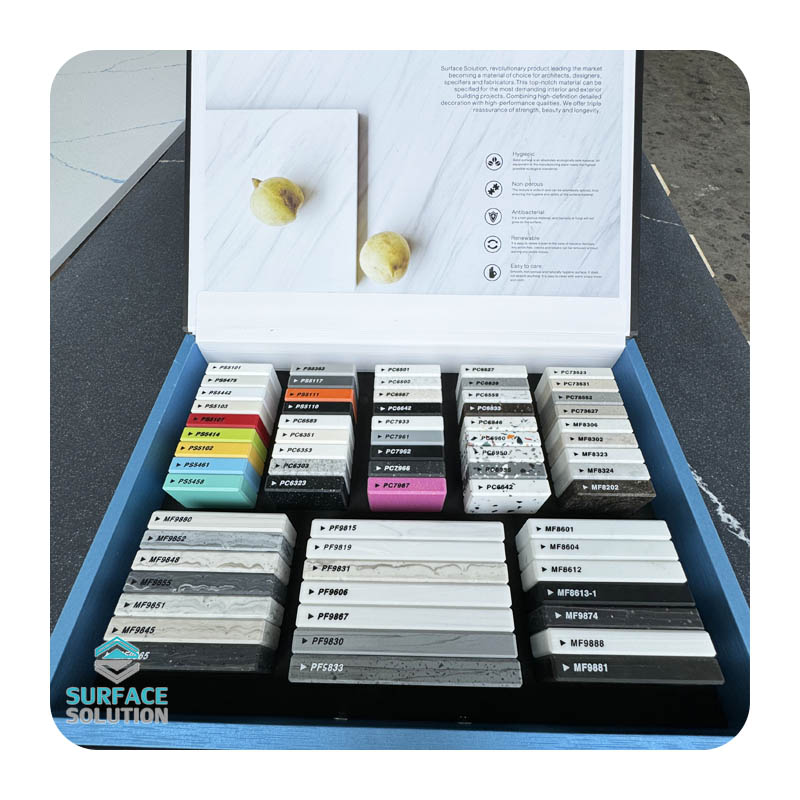
3. Improper Cutting and Finishing Techniques
Using the wrong tools or rushing through cutting and edging ruins both functionality and appearance. Many installers use standard woodworking blades, which cause chipping, jagged edges, or heat damage to the stone’s resin matrix. Dry cutting without dust extraction also compromises air quality and precision.
Consequence: Weakened edges prone to chipping, visible cracks, or uneven seams. Poorly finished surfaces collect grime and reduce the countertop’s water resistance.
How to Avoid: Invest in diamond-tipped blades designed for solid surface materials. Use wet cutting (with a water source) to minimize dust and heat buildup. For edges, use progressive grit sandpaper (from 120 to 400 grit) to achieve a smooth, consistent finish. Test cuts on scrap pieces before working on the final product.
4. Neglecting Expansion Gaps
Solid surface stone expands and contracts slightly with temperature and humidity changes. Installing countertops tight against walls, backsplashes, or appliances leaves no room for movement, creating internal stress.
Consequence: Cracks along edges or seams, especially near heat sources like stovetops.
How to Avoid: Leave a 1/8-inch gap between the countertop and all fixed structures (walls, backsplashes, refrigerators). Use silicone caulk to fill these gaps after installation—avoid rigid materials like grout, which restrict movement. For kitchen islands, ensure all sides have clearance from surrounding surfaces.
5. Inadequate Sealing and Joint Preparation
Seams are the weakest points of any solid surface installation. Skipping proper cleaning, using low-quality adhesives, or rushing the curing process leads to weak, leaky joints. For porous materials like engineered marble, insufficient sealing leaves the surface vulnerable to stains.
Consequence: Water infiltration, mold growth, or separation of seams. Stains from food, oil, or cleaning products become permanent on unsealed surfaces.
How to Avoid: Use manufacturer-recommended adhesives (e.g., acrylic-based for solid surface, epoxy for quartz). Clean seams thoroughly with isopropyl alcohol to remove dust and grease before bonding. Clamp seams tightly and allow full curing time (24-48 hours) before handling. For porous stones, apply a penetrating sealer and reapply annually.

6. Applying Weight Too Soon
Impatience after installation often leads to placing heavy items (appliances, cookware, or decorative objects) on the countertop before adhesives and sealants fully cure. This disrupts the bonding process and creates stress points.
Consequence: Shifting seams, uneven surfaces, or premature cracking.
How to Avoid: Follow the manufacturer’s curing guidelines—typically 24 hours for light use and 48 hours for heavy items. Use temporary supports for overhangs during curing, and avoid sliding appliances across the surface (use appliance rollers instead).
7. Using Incompatible Adhesives or Cleaners During Installation
Some installers use generic construction adhesives that react poorly with solid surface materials, causing discoloration or chemical breakdown. Similarly, harsh cleaners (containing bleach, ammonia, or abrasives) used during installation can damage the stone’s finish.
Consequence: Yellowing, clouding, or permanent etching of the surface. Adhesive failure leads to loose countertops.
How to Avoid: Always use adhesives specifically formulated for your stone type (check the manufacturer’s specifications). During installation, clean the surface only with mild soap and water or manufacturer-approved cleaners. Avoid contact with solvents, paint thinners, or acidic substances.
8. Overlooking Drainage Slopes for Sinks
When installing undermount or drop-in sinks, failing to create a slight drainage slope allows water to pool around the sink edge. This oversight is particularly common in bathroom vanities but affects kitchens too.
Consequence: Water damage to cabinets, mold growth, and staining around the sink.
How to Avoid: Ensure the countertop has a 1/4-inch slope per foot toward the sink drain. Use a level to verify the slope during installation, adjusting shims under the substrate as needed. Seal the sink flange with silicone caulk to prevent leaks at the junction.
Conclusion
Installing solid surface stone countertops requires precision, patience, and attention to detail. By avoiding these common mistakes—prioritizing accurate measurements, robust support, proper sealing, and adherence to manufacturer guidelines—you can ensure a long-lasting, beautiful surface that enhances your space for years to come. For complex installations or inexperienced DIYers, hiring a certified professional is a worthwhile investment to avoid costly errors. Remember: a successful installation is not just about aesthetics—it’s about protecting your investment in one of your home’s most used surfaces.
Catalogue
Related Blogs
-
 White acrylic solid surface remains a top-selling option for distributors, wholesalers and project contractors, widely specified for kitchen countertops, bathroom vanities, hotel vanity tops, commercial reception counters and custom tabletops. A common question from your downstream buyers is straigh
 -
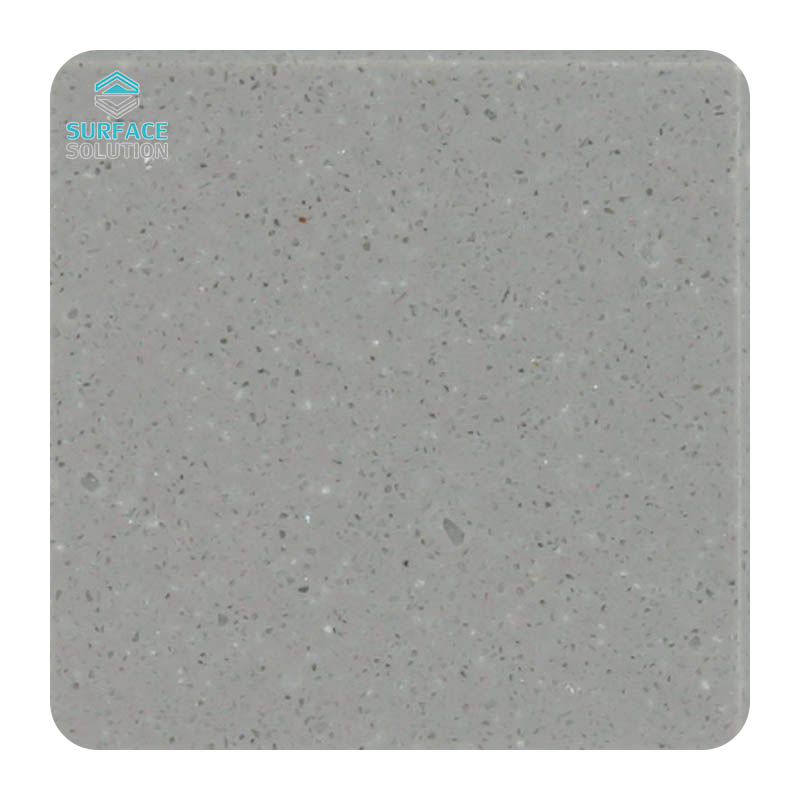 When renovating kitchens, bathrooms or commercial spaces, homeowners and designers often weigh different countertop materials. Acrylic solid surface is one of the most popular options, but a common question remains: is it durable enough for everyday use?Acrylic solid surface countertops are manufact
 -
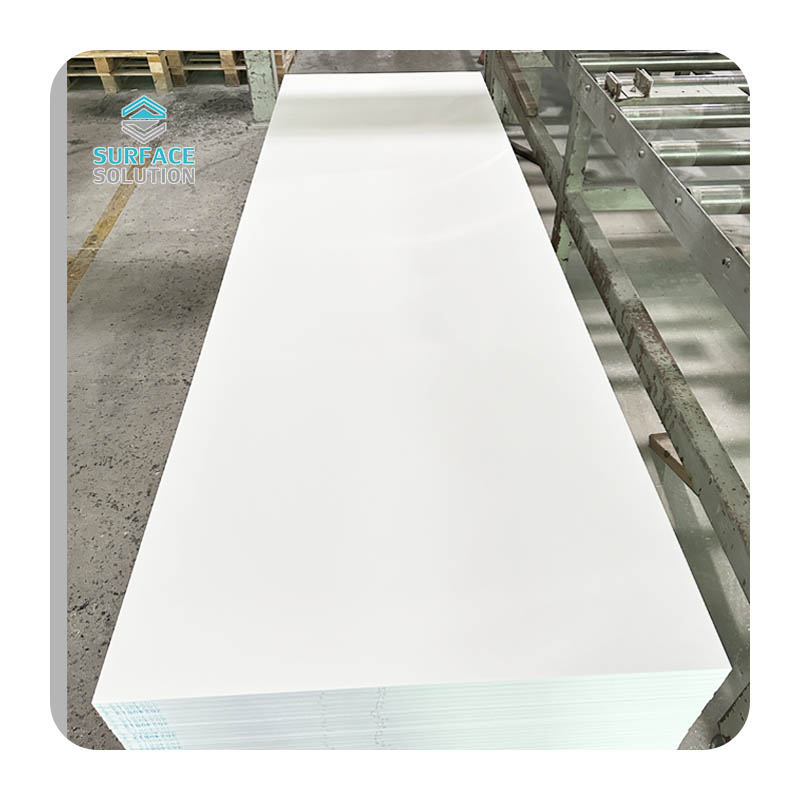 Acrylic solid surface is a premium engineered composite material widely used for kitchen countertops, vanity tops, wall panels, custom furniture and commercial interior projects. Many people confuse it with pure acrylic sheet or natural marble, but it is a carefully formulated blend of mineral powde
 -
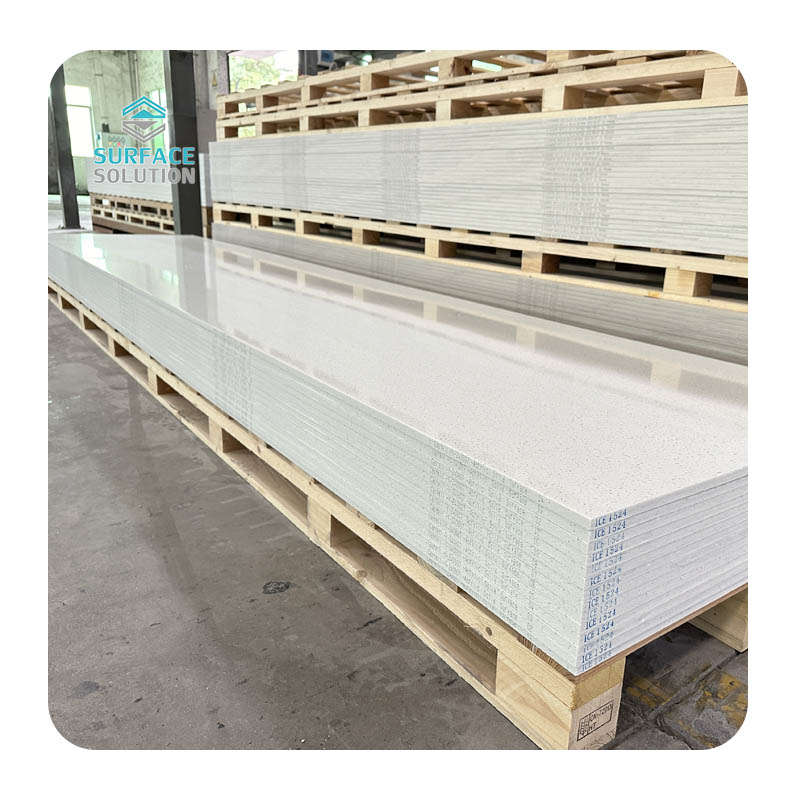 Kitchens and bathrooms are the most frequently used and easily worn spaces in residential and commercial buildings, where countertops face constant spills, moisture, friction, and daily stains. Compared with traditional materials such as natural marble, granite, quartz stone, and laminate, acrylic s


