Acrylic solid surface—known for its seamless appearance, stain resistance, and versatility—has become a popular choice for kitchen countertops, bathroom vanities, and even outdoor accent pieces. Unlike natural stone (such as granite or marble), acrylic is a man-made material with unique properties: it’s non-porous (reducing mold risk) but more prone to heat damage and scratches if not cared for properly. Seasonal changes—from summer’s sweltering heat to winter’s dry air and salt exposure—still pose challenges to its longevity. This guide breaks down actionable, season-specific care tips to keep your acrylic solid surface looking sleek, intact, and like-new for years. Spring: Tackle Humidity and Pollen Buildup
Spring’s rising humidity and heavy pollen showers may seem harmless for non-porous acrylic, but moisture trapped in seams or pollen residue can still dull its finish over time. Start with a gentle yet thorough cleaning: mix a few drops of mild dish soap (avoid harsh detergents with bleach or ammonia) with warm water, and wipe the surface with a soft microfiber cloth. For outdoor acrylic pieces (like patio side tables), use a soft-bristle brush to loosen pollen without scratching the surface—skip pressure washers entirely, as their force can lift the acrylic’s topcoat.
Protection Tip: Inspect seams (especially around sinks or backsplashes) for moisture buildup. If you notice slight discoloration, dry the area immediately and apply a thin layer of acrylic-specific seam sealer (available at home improvement stores) to prevent water from seeping into gaps. A homeowner in Atlanta shared that this simple step prevented her bathroom vanity’s seam from lifting after spring rainstorms.
Practical Case: A family in Charlotte noticed pollen was leaving a hazy film on their kitchen acrylic countertop. Instead of scrubbing (which risked scratches), they used a 1:1 mix of white vinegar and water (safe for acrylic!) to cut through the residue, then buffed the surface with a dry microfiber cloth—restoring its glossy finish in minutes.
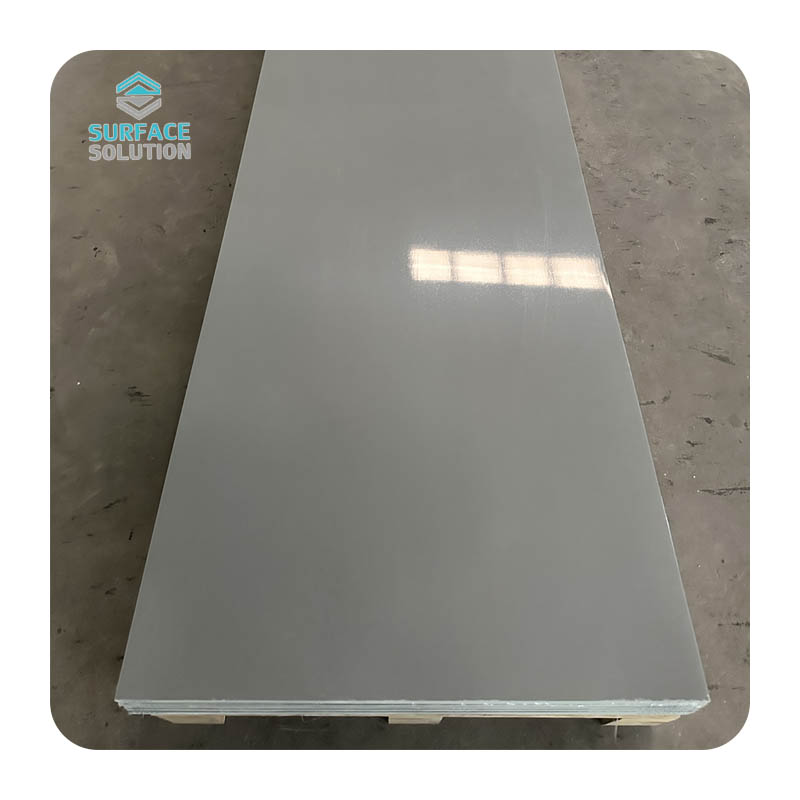
Summer: Shield Against Heat and Food Stains
Summer’s high temperatures and frequent outdoor meals are the biggest threats to acrylic solid surface. Unlike quartz, acrylic can warp or melt if exposed to direct heat over 180°F (82°C)—think hot grills, boiling pots, or even sunbaked cookware. Additionally, acidic summer staples (like lemonade, tomato sauce, or BBQ sauce) can leave temporary stains if left sitting too long, even on non-porous surfaces. Protection Tip: Always use heat-resistant trivets under hot pans, Dutch ovens, or grill tools—opt for silicone or cork trivets, as metal ones can scratch acrylic. For outdoor acrylic surfaces, place them in shaded areas or cover them with a UV-resistant cover during peak sunlight (10 AM–4 PM) to prevent color fading or slight warping. For indoor countertops, wipe up acidic spills within 30 minutes—acrylic’s non-porous nature means stains rarely set, but prolonged exposure can cause temporary discoloration.
Restoration Advice: If a heat mark appears (look for white, hazy spots), don’t panic! Gently rub the area with a damp cloth and a small amount of baking soda (make a paste with water), using circular motions. For deeper stains (like red wine or curry), apply a non-abrasive acrylic cleaner (such as Bar Keepers Friend’s non-scratch formula) and let it sit for 5 minutes before wiping clean. A café owner in Miami used this method to remove coffee stains from their acrylic counter tops, avoiding costly replacement.
Autumn: Prep for Dryness and Debris
Autumn’s cooler temperatures and falling leaves bring two key challenges: dry air that can make acrylic feel “dull” and debris (like twigs or mulch) that can scratch surfaces. For indoor acrylic, start by adjusting your cleaning routine: swap out harsh fall cleaning products (like all-purpose sprays with alcohol) for a gentle acrylic cleaner to avoid stripping its protective coating. For outdoor pieces, sweep or vacuum leaves and debris weekly—sharp twigs can leave fine scratches if dragged across the surface.
Protection Tip: As indoor humidity drops (thanks to heating systems), acrylic surfaces may lose their shine. Restore luster by applying a small amount of acrylic polish (avoid wax-based products, which can leave a greasy residue) and buffing with a soft cloth. A property manager in Nashville used this trick on apartment kitchen countertops, noting that residents commented on how “new” the surfaces looked after the treatment.
Practical Case: A homeowner in Boston noticed their acrylic patio table had small scratches from autumn wind-blown twigs. They used a DIY acrylic scratch repair kit (which includes fine-grit sandpaper and polishing compound) to smooth out the scratches: first, lightly sand the area with 400-grit sandpaper (wet, to avoid dust), then apply the polishing compound and buff until the scratch disappeared. The table looked as good as the day it was installed!
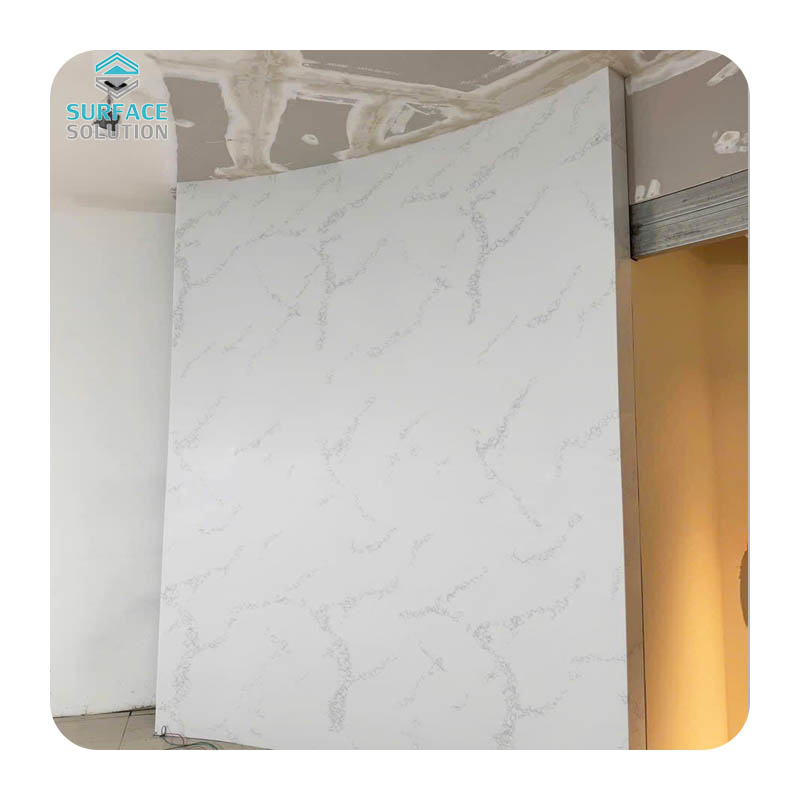
Winter: Guard Against Salt, Dry Air, and Impact
Winter’s salt, dry indoor air, and accidental impacts (like dropping a heavy snow shovel) can damage acrylic solid surface. Salt from boots or sidewalks can leave a crusty residue that, while not staining, can scratch the surface if rubbed aggressively. Dry heating air can also make acrylic more brittle, increasing the risk of cracking if hit with a hard object.
Protection Tip: Place a doormat at entryways to trap salt and dirt before it reaches indoor acrylic surfaces. If salt residue gets on countertops or vanities, wipe it away with a damp cloth—never use a scrub brush. For outdoor acrylic pieces, store them in a garage or covered area during heavy snowfall; if left outside, brush snow off gently with a soft broom (avoid shoveling, which can chip edges). Indoors, use a humidifier to keep air moisture levels between 30–50%—this keeps acrylic flexible and less prone to cracking.
Restoration Advice: If a small crack appears (e.g., from a dropped mug), use an acrylic repair kit with clear epoxy to fill it. Clean the area first, apply the epoxy, and smooth it with a plastic scraper—let it cure for 24 hours, then buff with a fine-grit sandpaper. A renter in Chicago fixed a 2-inch crack in their bathroom acrylic vanity using this method, avoiding a fee from their landlord. For larger cracks (over 4 inches), consult a professional acrylic installer to prevent further damage.
Conclusion
Caring for acrylic solid surface doesn’t require fancy tools or expensive products—just season-specific attention to its unique needs. By protecting it from heat in summer, humidity in spring, dryness in autumn, and salt in winter, you’ll preserve its seamless beauty and durability. Remember: acrylic’s non-porous nature is a strength, but its sensitivity to heat and scratches means proactive care is key. Whether you’re maintaining a kitchen countertop, bathroom vanity, or outdoor accent piece, these seasonal tips will help your acrylic solid surface remain a functional, stunning addition to your space for years to come.


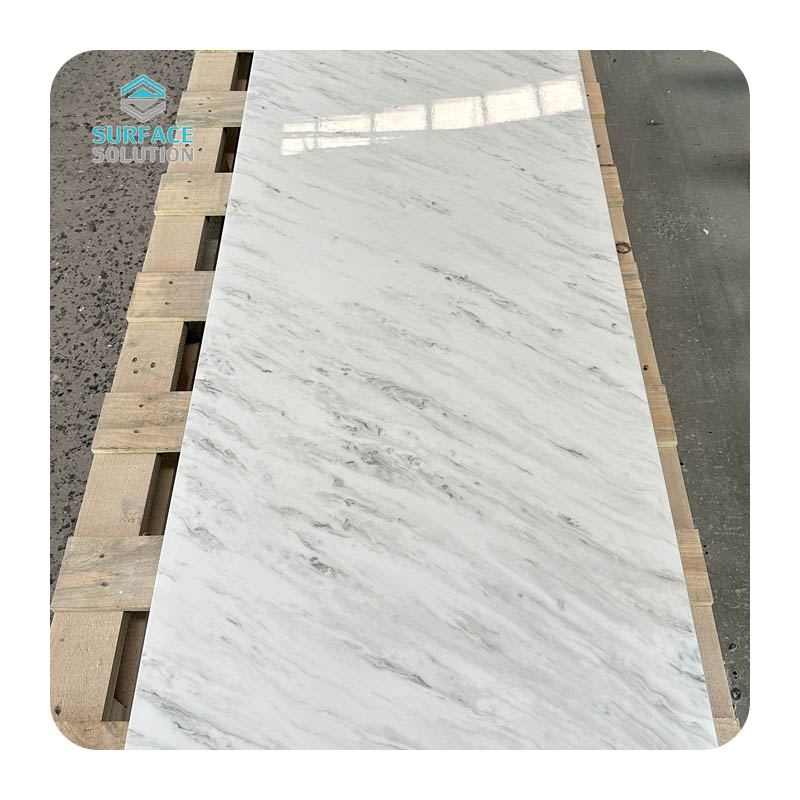
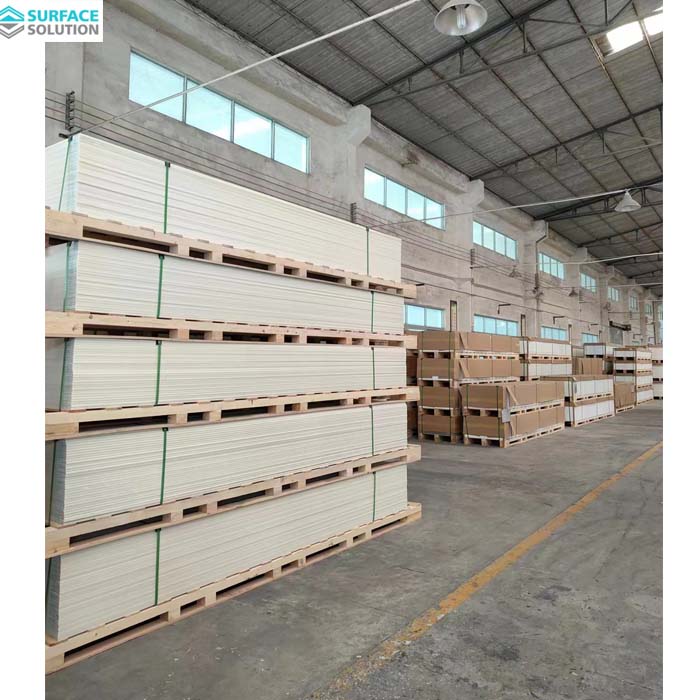 White acrylic solid surface remains a top-selling option for distributors, wholesalers and project contractors, widely specified for kitchen countertops, bathroom vanities, hotel vanity tops, commercial reception counters and custom tabletops. A common question from your downstream buyers is straigh
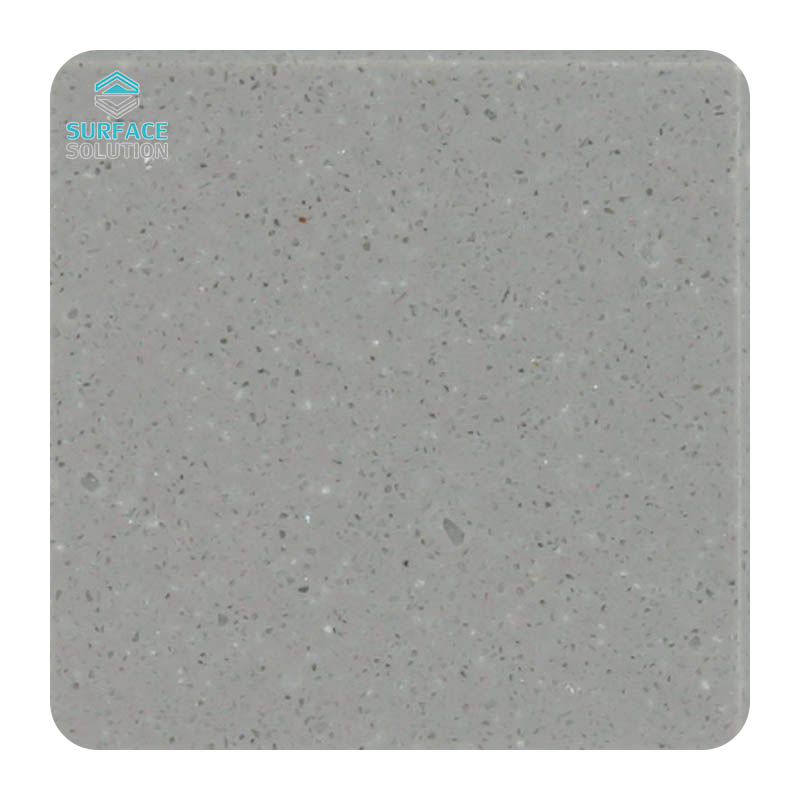 When renovating kitchens, bathrooms or commercial spaces, homeowners and designers often weigh different countertop materials. Acrylic solid surface is one of the most popular options, but a common question remains: is it durable enough for everyday use?Acrylic solid surface countertops are manufact
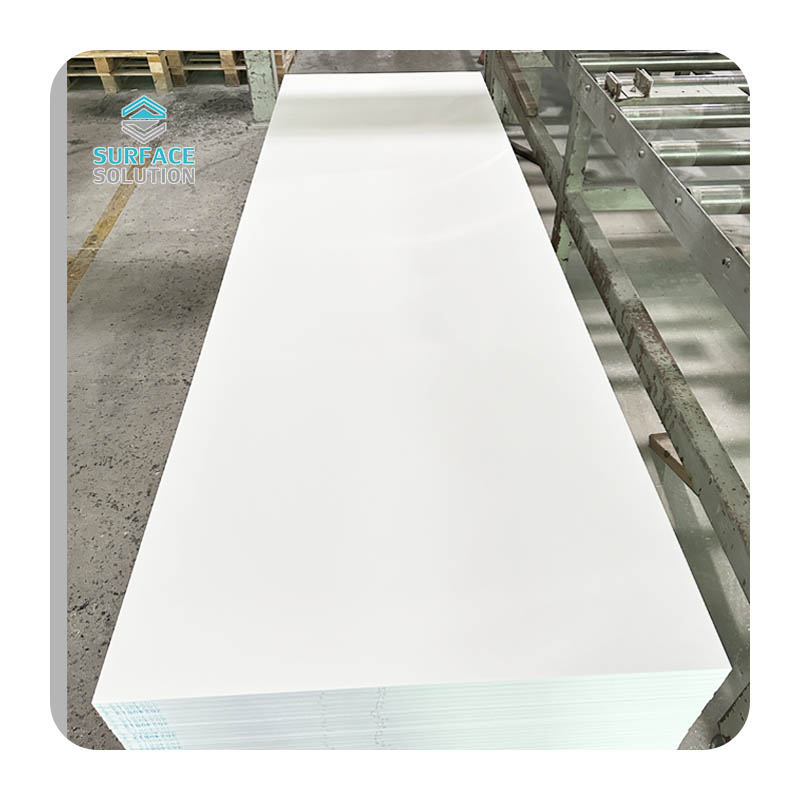 Acrylic solid surface is a premium engineered composite material widely used for kitchen countertops, vanity tops, wall panels, custom furniture and commercial interior projects. Many people confuse it with pure acrylic sheet or natural marble, but it is a carefully formulated blend of mineral powde
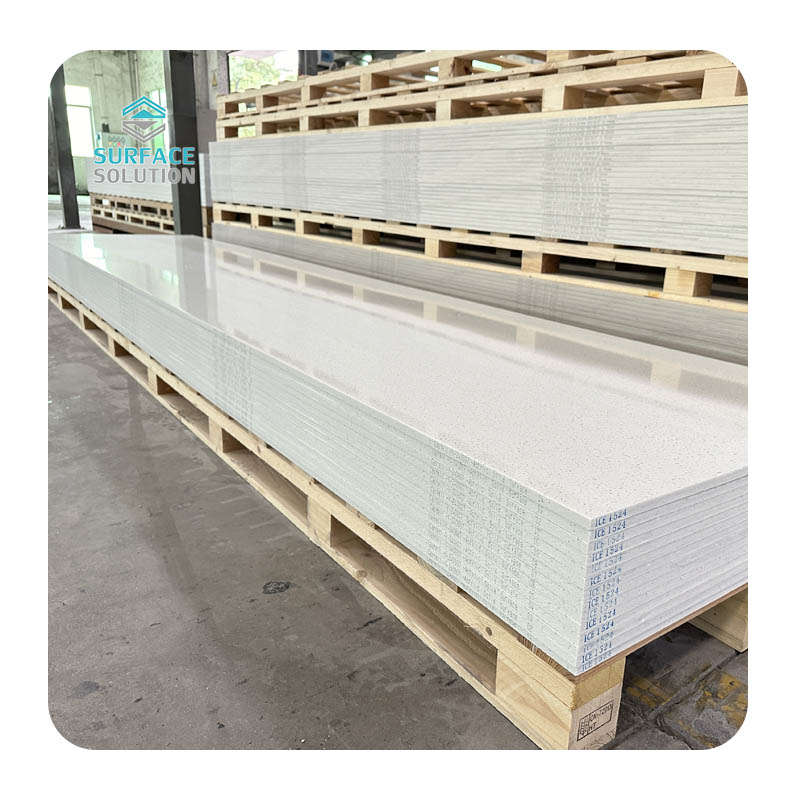 Kitchens and bathrooms are the most frequently used and easily worn spaces in residential and commercial buildings, where countertops face constant spills, moisture, friction, and daily stains. Compared with traditional materials such as natural marble, granite, quartz stone, and laminate, acrylic s


