


Step-by-Step Guide: Build Your Own Solid Surface DIY Reception Desk


Measure & Sketch with Solid Surface in Mind:
Standard dimensions still apply (60–72 inches wide, 30–36 inches deep, 30–34 inches tall), but account for solid surface’s thickness: 1/2-inch or 3/4-inch sheets are ideal for the countertop, while a plywood/particleboard base provides structural support.
Design features: Opt for seamless curves (solid surface bends easily with heat) or integrated edges (no need for trim). Avoid sharp corners—round them for safety and a polished look.
Tools You’ll Need (Solid Surface Additions):
Basic woodworking tools (tape measure, level, drill, clamps, circular saw) plus:
Jigsaw with carbide-tipped blades (for cutting solid surface—regular blades will chip it).
Router with a flush-trim bit (for smoothing edges and seams).
Heat gun (for bending curves, if applicable).
Seam adhesive (specifically formulated for solid surface) – critical for invisible joins.
Sandpaper (120/240/400 grit) – finer grits for finishing solid surface.
Denatured alcohol (for cleaning surfaces before bonding).
Materials List:
1–2 sheets of solid surface (3/4-inch thick, size based on your desk dimensions; calculate area + 10% for waste).
2–3 sheets of 3/4-inch plywood/particleboard (for the base/cabinet structure).
4–6 cabinet legs (metal or wood, weight-rated for solid surface—each leg should support 50+ lbs).
Solid surface seam adhesive (color-matched to your sheet, e.g., white, beige, or custom).
Wood screws (1.25-inch) for assembling the base.
Edge banding (optional, for plywood edges hidden from view).
Silicone caulk (neutral cure, compatible with solid surface) for sealing gaps.

Cut Plywood Components:
Cut the top support panel (matches your desk’s final width/depth) and side panels (height = desk height – leg length – solid surface thickness).
Add shelves or drawers if desired: Cut additional plywood for shelves (reinforce with 1x2-inch wood strips for support) and install drawer slides if including storage.
Assemble the Base:
Use wood glue and screws to join side panels to the top support panel, clamping tightly for 24 hours. Ensure the frame is square (measure diagonally—both sides should be equal).
Attach cabinet legs to the corners (pre-drill holes to avoid splitting) and add cross-bracing between legs for stability.
Sand the plywood base to remove splinters, then paint or stain it (since it will be hidden under solid surface, focus on protecting it from moisture).
Transfer Your Blueprint to Solid Surface:
Lay the solid surface sheet flat on a workbench (use scrap wood underneath to prevent scratching).
Trace your desk’s top shape (including any curves or cutouts for legs) using a pencil and straightedge. For curves, use a flexible ruler or string to mark smooth lines.
Cut the Solid Surface:
Secure the sheet with clamps (place scrap wood between clamps and surface to avoid damage).
Use a jigsaw with a carbide-tipped blade (set to low speed) to cut along the lines. Cut slightly outside the traced line—you’ll sand it to final shape later.
For straight cuts, a circular saw with a carbide blade works, but support the sheet fully to prevent chipping.
Smooth Edges & Round Corners:
Use a router with a 1/4-inch round-over bit to soften corners (solid surface chips easily if left sharp).
Sand the cut edges with 120-grit sandpaper, then progress to 240-grit and 400-grit for a smooth, matte finish. Wipe away dust with denatured alcohol.


Prepare Seam Surfaces:
Ensure the two sheets are aligned perfectly (use clamps and a straightedge to hold them in place).
Clean the seam edges with denatured alcohol to remove oil or dust—any debris will ruin the bond.
Apply Seam Adhesive:
Squeeze a continuous bead of color-matched solid surface adhesive along one edge.
Join the sheets firmly, pressing them together until adhesive oozes out evenly along the seam.
Use clamps to hold the sheets in place (place scrap wood over the surface to protect it) and wipe away excess adhesive with a rag dampened in denatured alcohol—work quickly, as adhesive sets in 5–10 minutes.
Let the adhesive cure for 24 hours (follow manufacturer’s instructions) before sanding.
Sand the Seam:
Start with 120-grit sandpaper, sanding across the seam in a circular motion to blend it into the surface.
Progress to 240-grit and 400-grit, then buff with a dry cloth for a uniform finish—if done correctly, the seam will be nearly undetectable.
Prep the Base for Bonding:
Clean the top of the plywood base with denatured alcohol to remove dust or grease.
Apply a bead of silicone caulk (neutral cure) around the perimeter of the base—this prevents moisture from seeping between the plywood and solid surface.
Position & Secure the Countertop:
Lift the solid surface top (get a helper—sheets are heavy!) and place it centered on the base.
Drill pilot holes through the plywood base into the solid surface (drill from below to avoid chipping the top). Space holes 12–16 inches apart along the edges.
Use stainless steel screws (short enough to not penetrate the top surface—1/2-inch max) to fasten the countertop to the base. Do not over-tighten—solid surface can crack.
Final Sanding & Buffing:
Use 400-grit sandpaper to smooth any minor scratches or screw holes (fill holes with color-matched solid surface putty if needed).
Buff the entire surface with a dry microfiber cloth to enhance its natural sheen—solid surface has a subtle matte finish that polishes up nicely.
Related Blogs
-
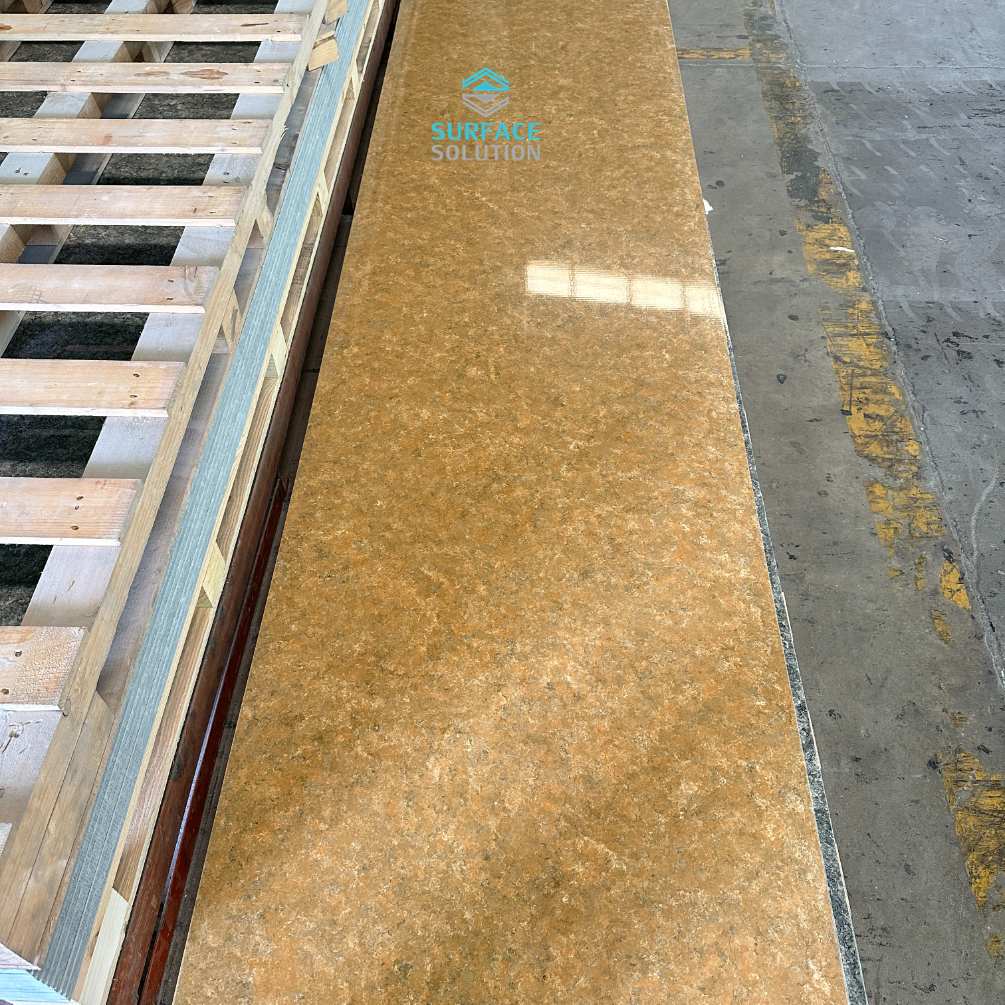 Wholesale Acrylic Solid Surface Slabs: Ultimate Material Solution for Countertop FabricatorsIn the competitive countertop manufacturing and renovation industry, material quality, processing flexibility, and cost efficiency are the three core factors that determine a fabricator’s market competitivene
 -
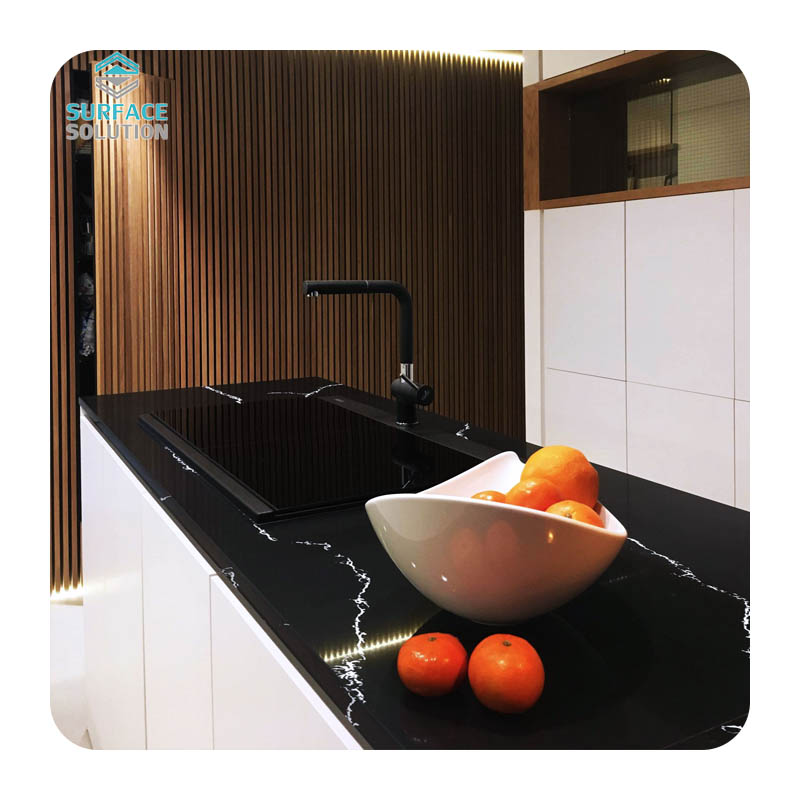 In modern residential and commercial interior design, vanity tops and kitchen islands serve as both functional core fixtures and key aesthetic focal points. These high-frequency usage surfaces require materials that balance outstanding durability, reliable hygiene, flexible design potential, and eff
 -
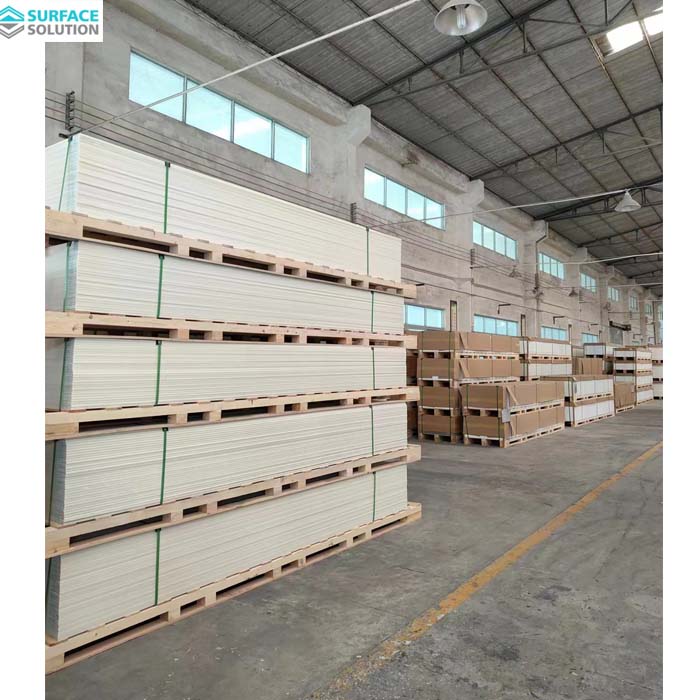 White acrylic solid surface countertops have become a top-tier mainstream choice for modern residential renovation and commercial space design, balancing minimalist timeless aesthetics, superior physical performance and long-term cost-effectiveness. Compared with traditional granite, quartz stone an
 -
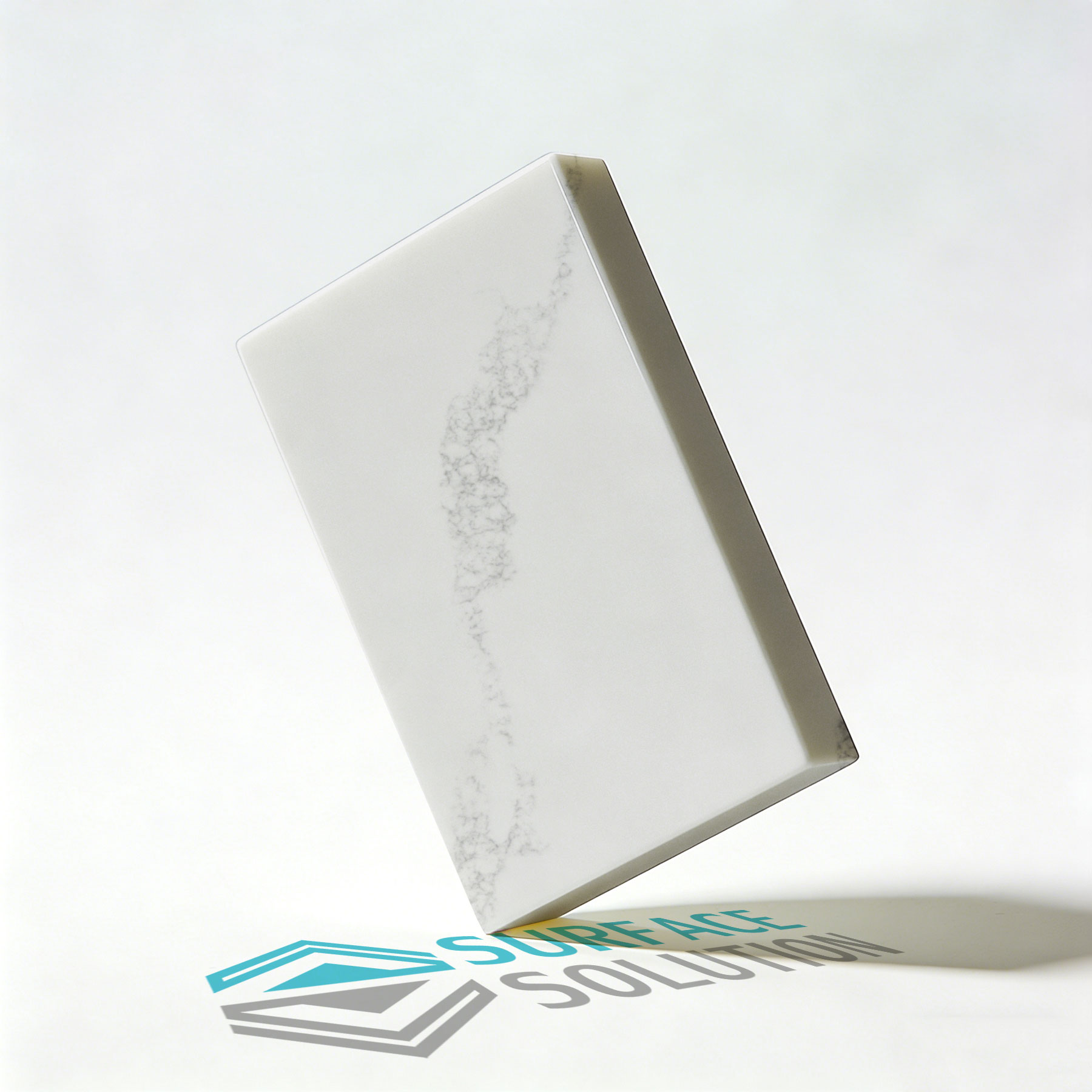 Custom Size Acrylic Solid Surface Panels for Interior RenovationInterior renovation projects often come with non‑standard dimensions, unique layout requirements and personalized design visions. Off‑the‑shelf building materials frequently fail to fit special wall sections, counter layouts or feature


