


Best Maintenance Practices for Acrylic Solid Surface Bathroom Sink Furniture


Wipe Up Spills Immediately: Acrylic is non-porous, so it resists staining— but prompt action prevents potential damage from harsh substances. Wipe away toothpaste, soap scum, makeup, or hair products with a soft, damp microfiber cloth within minutes of splattering. Avoid letting acidic (e.g., citrus-based cleaners, vinegar) or abrasive substances sit on the surface, as they can dull or etch the finish over time.
Clean Daily with Mild Solutions: For routine cleaning, use a mixture of warm water and mild dish soap (free of bleach, ammonia, or abrasives) or a acrylic-specific cleaner. Apply the solution with a soft cloth or sponge, gently wiping in circular motions to remove grime. Rinse thoroughly with clean water and dry immediately with a lint-free cloth to prevent water spots or soap residue buildup.
Control Bathroom Humidity: While acrylic is moisture-resistant, excessive humidity can still lead to mold growth around seams or cabinet interiors (if paired with wooden components). Run the exhaust fan during showers and for 15–20 minutes afterward, or open a window to promote air circulation. Avoid placing wet towels or sponges directly on the acrylic surface for extended periods.
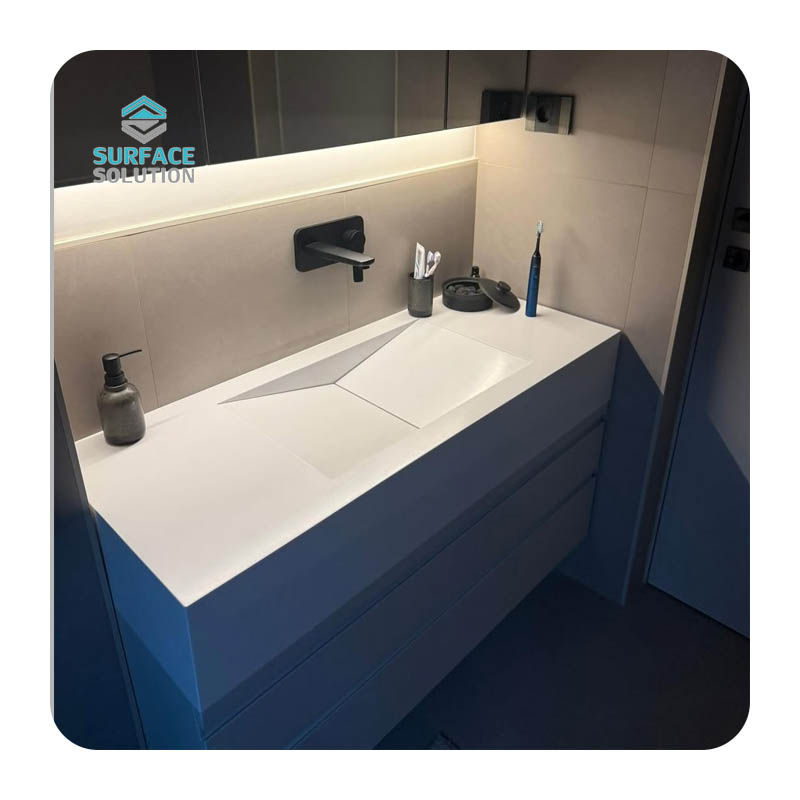
Skip Abrasive Tools and Cleaners: Never use scouring pads, steel wool, abrasive powders (e.g., baking soda, comet), or harsh chemicals (bleach, ammonia, acetone, nail polish remover) on acrylic. These can scratch the surface, strip its protective layer, or cause discoloration. Even “natural” abrasives like baking soda can create micro-scratches that dull the finish over time.
Protect from Heat: Acrylic solid surface can warp or melt when exposed to high heat. Keep hair dryers, curling irons, hot hair tools, or heated styling products at least 6 inches away from the surface. Never place hot pots, pans, or boiling water containers directly on the acrylic—always use a heat-resistant mat or trivet.
Prevent Scratches: Avoid dragging heavy objects (e.g., ceramic soap dispensers, glass bottles) across the surface. Use rubber or silicone coasters under toiletries, toothbrush holders, and other bathroom essentials to create a buffer between hard materials and the acrylic. When cleaning, opt for soft sponges or microfiber cloths instead of rough fabrics.
Fix Light Scratches: For shallow scratches (visible but not felt), use a non-abrasive acrylic polish or a mild rubbing compound designed for plastic surfaces. Apply a small amount of the product to a soft cloth and buff gently in circular motions until the scratch fades. Follow with a clean, damp cloth to remove excess polish, then dry and buff with a lint-free cloth to restore shine.
Treat Deep Scratches: For deeper scratches (felt when running a fingernail over them), start with a 400-grit wet/dry sandpaper. Wet the sandpaper and the scratch area, then sand lightly in the direction of the scratch (not circularly) to smooth the surface. Gradually move to 600-grit, then 1000-grit sandpaper to refine the area. Finish with acrylic polish to blend the repair and restore the glossy finish.
Remove Stubborn Stains: For stains from ink, makeup, or hair dye (which can penetrate if left too long), use a small amount of isopropyl alcohol (rubbing alcohol) on a cotton ball. Dab the stain gently (avoid rubbing) until it lifts, then rinse thoroughly with water and dry. For persistent stains, use a acrylic stain remover—follow the manufacturer’s instructions carefully to avoid damage.
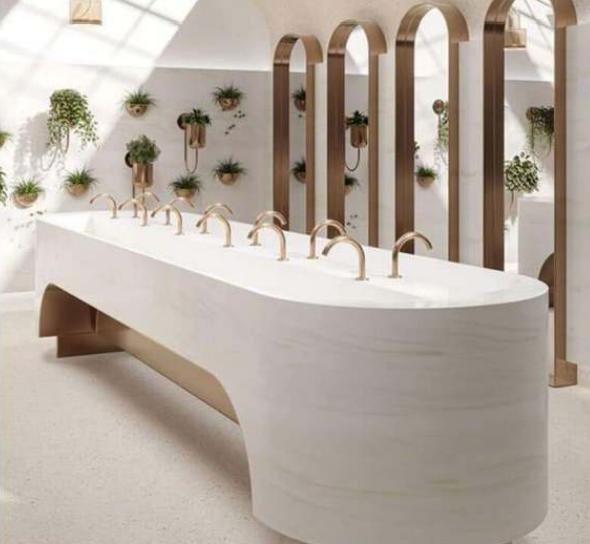
Seal Seams Annually: If your acrylic sink or countertop has seams (e.g., between the sink and countertop, or along edges), inspect the caulk annually. Replace cracked, moldy, or deteriorating caulk with a high-quality, mildew-resistant silicone caulk designed for acrylic surfaces. This prevents water from seeping into gaps and causing damage to underlying structures.
Avoid Overloading Cabinets: If your acrylic countertop is paired with a vanity cabinet, avoid overloading shelves with heavy items (e.g., large bottles, tools). Excessive weight can cause the cabinet to sag, putting uneven pressure on the acrylic surface and leading to cracks or warping. Distribute weight evenly and refrain from standing or placing heavy objects on the countertop.
Polish Quarterly: To maintain the acrylic’s glossy finish and protect against minor wear, apply a thin layer of acrylic polish every 3–4 months. This creates a protective barrier against scratches and water spots while enhancing shine. Buff the polish with a soft cloth for best results.
Deep Clean the Surface: Mix a solution of warm water and a mild, non-abrasive acrylic cleaner. Use a soft sponge to wipe the entire surface, paying extra attention to crevices, around the sink, and areas prone to soap scum buildup. Rinse thoroughly with clean water and dry with a lint-free cloth. For integrated sinks, clean the drain area with a soft brush to remove hair and debris.
Inspect for Damage: Check the entire surface for cracks, deep scratches, or discoloration. Examine seams and caulk for signs of wear or mold. If you notice any damage beyond minor scratches, contact a professional acrylic repair specialist—attempting to fix cracks or large imperfections yourself may worsen the issue.
Clean Cabinet Interiors: If your acrylic countertop is part of a vanity, remove all items from the cabinet and wipe the interior with a mild soap solution. Dry thoroughly to prevent mold growth. Tighten loose hardware (hinges, handles) and inspect for water damage to the cabinet structure.
Related Blogs
-
 Artificial Stone Door Surrounds: Elevating EntrywaysThe entryway of a home is far more than a mere transitional space—it is the first impression of a property, a subtle reflection of the owner’s aesthetic taste, and a bridge connecting outdoor landscapes with indoor comfort. Among countless decorati
 -
 Artificial Stone in Hotel Interiors: Luxury and DurabilityIn high-end hotel design, materials must balance timeless elegance with daily heavy use—and artificial stone has become the top choice for modern luxury interiors. Unlike natural stone, premium acrylic and modified solid surface delivers cons
 -
 Top White Reception Desk Styles for a Clean, Sleek LookThe reception area acts as the first impression of any brand. Among countless furniture options, white reception desks stand out as a timeless choice to craft a neat, contemporary atmosphere. Bright, reflective white surfaces amplify natural lig
 -
 Artificial Stone Wall Art: Adding Texture and Depth to Modern InteriorsIn the pursuit of unique, expressive interior spaces, artificial stone wall art has become a powerful design element. Unlike flat paint, wallpaper, or ordinary wall panels, artificial stone wall art brings authentic texture, thre


