Top 5 Uses of Acrylic Artificial Stone in Modern Interior Design
Acrylic artificial stone—crafted from acrylic resin, aluminum hydroxide, and natural pigments—has become a darling of modern interior design. Unlike quartz (heavy on natural minerals) or engineered marble (marble dust-based), it stands out for its exceptional malleability, seamless installation, scratch-repairability, and vast color palette. Its non-porous surface resists stains and mold, while its ability to be molded into curved or custom shapes makes it ideal for sleek, contemporary spaces. Below are the top 5 uses that highlight why acrylic artificial stone is a go-to choice for designers and homeowners alike. 1. Kitchen Countertops: Seamless Elegance for Open Concepts
Modern kitchens, especially open-concept ones, demand surfaces that blend functionality with visual flow—and acrylic artificial stone delivers on both. Its biggest advantage here is seamless installation: unlike quartz or natural stone (which often require visible seams for large slabs), acrylic can be joined with precision, creating a single, unbroken surface that stretches across kitchen islands or counter runs. This not only looks sleek but also eliminates hard-to-clean gaps where crumbs or spills collect. Acrylic’s color versatility shines too. Homeowners can choose from soft neutrals (e.g., "Cloud White," "Warm Beige") to match minimalist cabinetry, or bold tones (e.g., "Sage Green," "Matte Charcoal") to make the countertop a statement piece. For families, its practicality is a win: while it’s not heat-resistant to extreme temperatures (a hot pan directly from the stove should be avoided), it handles daily spills (coffee, oil, tomato sauce) with ease—just wipe clean with mild soap and water. Scratches, a common kitchen woe, can even be sanded out with fine-grit sandpaper, keeping the countertop looking new for years.
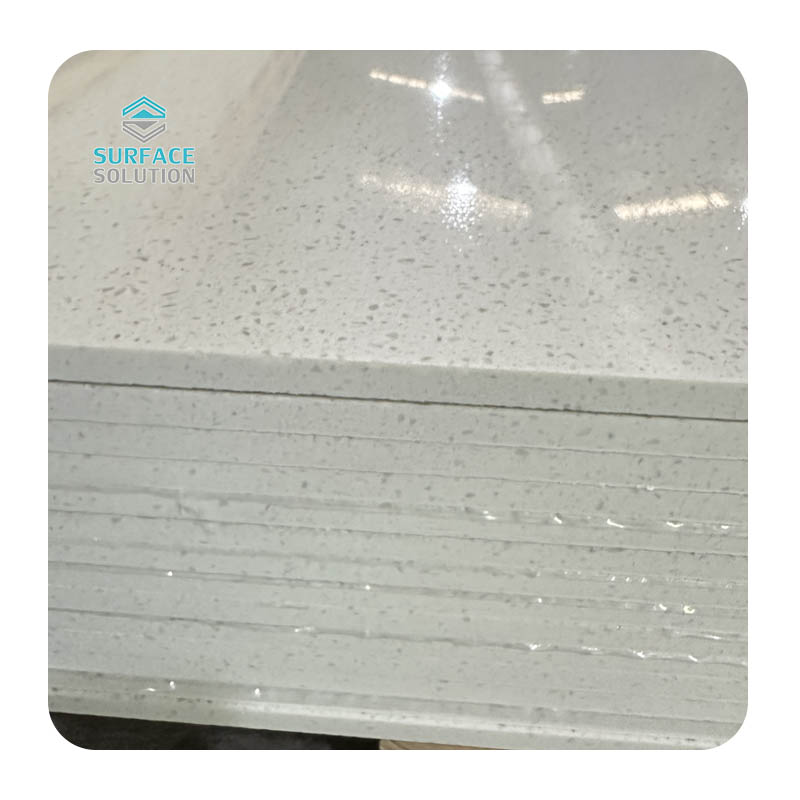
2. Bathroom Integrated Vanity Tops & Shower Walls: Mold-Free Luxury
Bathrooms are moisture-prone zones where mold and grout lines are constant battles—and acrylic artificial stone solves both. Its star use here is integrated vanity tops with built-in sinks: acrylic can be custom-molded into a single unit (countertop + sink), with no seams between the basin and surface. This eliminates the "gap" where water often pools and grows mold, making cleaning a breeze. For small bathrooms, this seamless design also creates a sense of spaciousness, as there are no visual breaks.
Shower walls are another perfect application. Large acrylic slabs (up to 10 feet long) cover shower walls with minimal or no grout lines, a stark contrast to tile. The material’s non-porous surface repels soap scum and mildew—no more scrubbing grout with harsh chemicals. Design-wise, acrylic’s soft, matte finishes (e.g., "Light Gray Stone" or "Soft Ivory") create a spa-like atmosphere, while its ability to be curved means it can wrap around shower niches or corner units, adding a modern, organic touch.
3. Living Room Curved Feature Walls: Soft Modern Focal Points
Modern living rooms often lean into soft minimalism—think rounded edges, flowing lines, and clutter-free spaces—and acrylic artificial stone excels at creating such vibes, especially for feature walls. Unlike rigid quartz or natural stone, acrylic can be thermoformed into curved or arched shapes, making it ideal for TV accent walls or fireplace surrounds with organic silhouettes.
A curved acrylic TV wall, for example, softens the sharp angles of flat-screen TVs and media units, adding warmth to the room. Its smooth surface reflects light gently (without being overly glossy) and is easy to dust—no need to vacuum crevices like you would with textured stone. For fireplace surrounds, acrylic holds up to the heat of electric or gas fireplaces (when paired with a heat barrier) and can be molded to fit non-standard fireplace sizes, such as slim, wall-mounted models. Choose a muted tone like "Dusk Blue" or "Warm Taupe" to keep the focus on the fire, or a marble-look acrylic (with subtle veining) for understated luxury.
4. Custom Bedroom & Home Office Furniture: Safe, Stylish, and Durable
Acrylic artificial stone’s versatility shines in custom furniture, where safety, functionality, and style collide. In bedrooms, acrylic-topped dressers and vanities are a smart choice: the non-porous surface resists stains from makeup, perfume, or hair products—spill a bottle of foundation, and a quick wipe with a damp cloth removes it entirely. Unlike wood, acrylic won’t warp from humidity (perfect for bathrooms adjacent to bedrooms) and can be finished with rounded edges, making it safe for homes with kids.
In home offices, acrylic desk tops are gaining popularity. They’re resistant to scratches from laptops, pens, or paperweights, and their smooth surface makes sliding a mouse or writing with a pen effortless. Acrylic also offers design flexibility: a sleek, all-white acrylic desk complements a Scandinavian-style office, while a black acrylic top adds a bold contrast to light wood shelves. Even small accents—like acrylic floating shelves—work well here: they’re lightweight (easier to install than stone shelves) yet strong enough to hold books or decor, and their seamless look keeps the space feeling uncluttered.
5. Commercial Spaces: Branded, High-Traffic Durability
Acrylic artificial stone isn’t just for homes—it’s a workhorse in commercial design, where durability, brand alignment, and low maintenance are key. Two common uses stand out: custom bar tops (in cafes, or cocktail bars) and exhibition display stands (in retail stores or trade shows).
For bar tops, acrylic’s seamless design gives a high-end, clean look that appeals to modern consumers. It can be colored to match a brand’s identity—think a bright "Strawberry Pink" for a bubble tea shop or a sleek "Matte Black" for a craft cocktail bar. The material holds up to daily use: it resists scratches from glassware, stains from soda or wine, and is easy to wipe down between customers. For exhibition stands, acrylic’s light weight makes it easy to transport and assemble, while its ability to be molded into custom shapes (e.g., curved display counters or branded logo panels) helps brands stand out. Unlike glass, it’s shatter-resistant—critical for busy trade show floors.
Why Acrylic Artificial Stone Fits Modern Design Trends
What unites these top 5 uses is acrylic’s ability to meet two core demands of modern design: customization and practicality. It bends to the vision of designers—whether that’s a curved shower wall, a branded bar top, or a seamless kitchen island—while handling the messiness of daily life (spills, scratches, moisture) with ease. Its wide color range also aligns with current trends: soft neutrals for calm, minimalist spaces; bold hues for playful accents; and marble-look finishes for timeless luxury.
Moreover, acrylic artificial stone is an eco-friendlier choice than some alternatives—many manufacturers use recycled acrylic resin in their products, reducing waste. For homeowners and businesses alike, it’s a material that doesn’t force a choice between beauty and function: it delivers both, making it a staple in modern interior design for years to come.


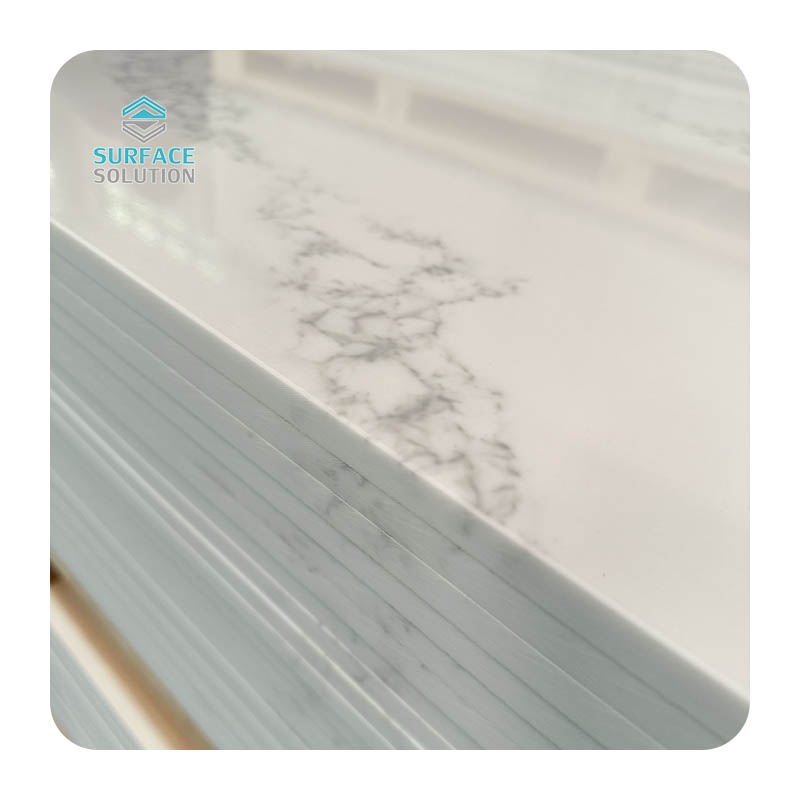
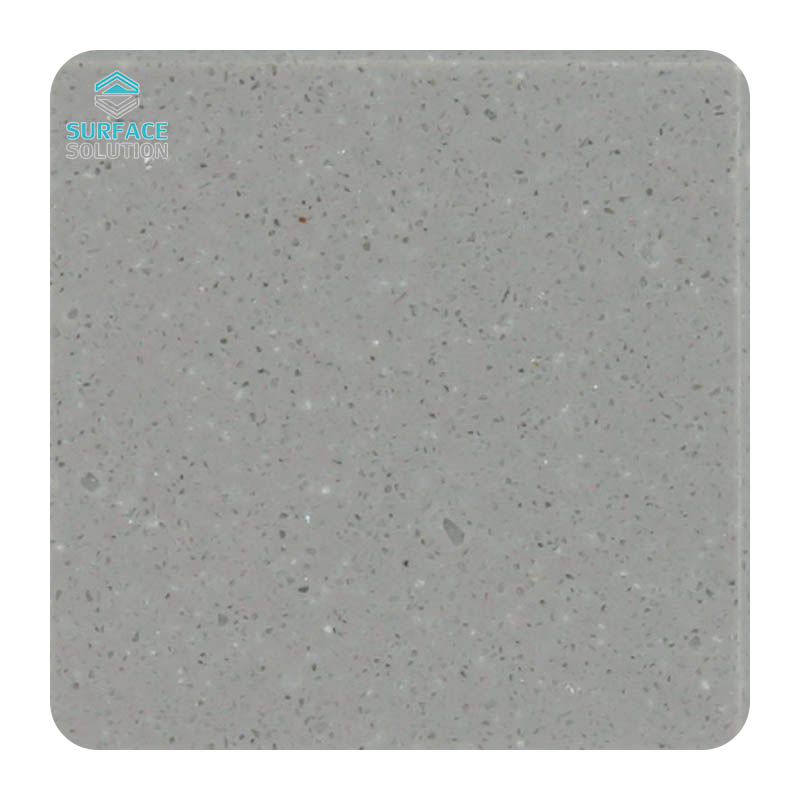
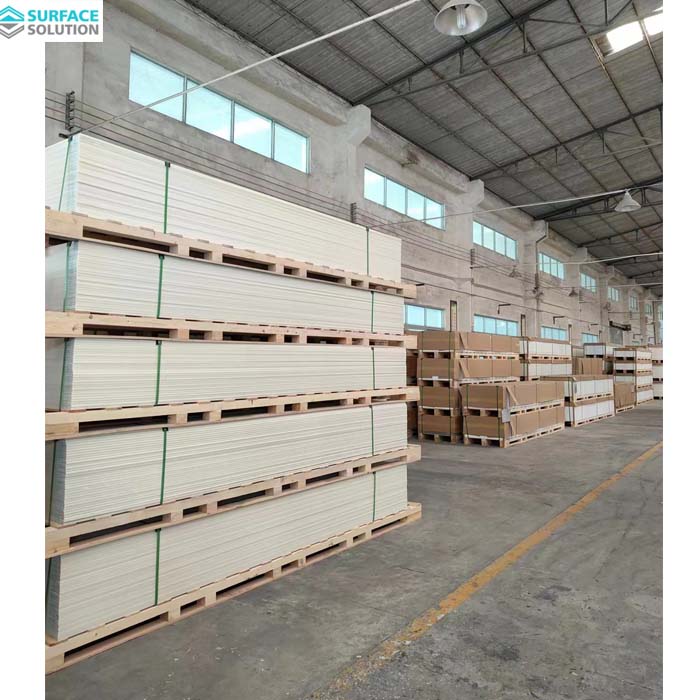 White acrylic solid surface remains a top-selling option for distributors, wholesalers and project contractors, widely specified for kitchen countertops, bathroom vanities, hotel vanity tops, commercial reception counters and custom tabletops. A common question from your downstream buyers is straigh
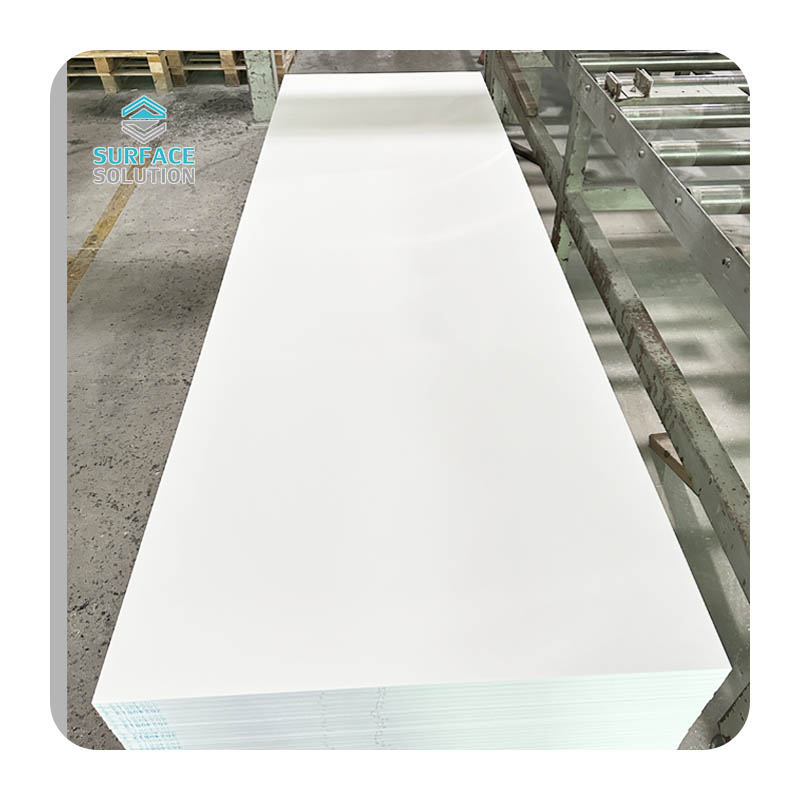
 When renovating kitchens, bathrooms or commercial spaces, homeowners and designers often weigh different countertop materials. Acrylic solid surface is one of the most popular options, but a common question remains: is it durable enough for everyday use?Acrylic solid surface countertops are manufact
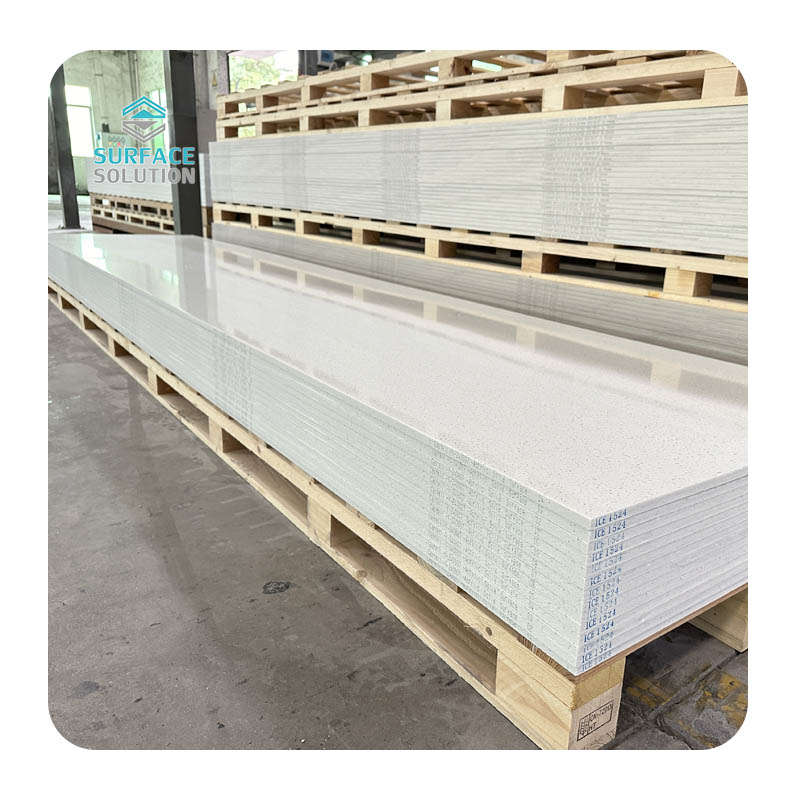
 Acrylic solid surface is a premium engineered composite material widely used for kitchen countertops, vanity tops, wall panels, custom furniture and commercial interior projects. Many people confuse it with pure acrylic sheet or natural marble, but it is a carefully formulated blend of mineral powde
 Kitchens and bathrooms are the most frequently used and easily worn spaces in residential and commercial buildings, where countertops face constant spills, moisture, friction, and daily stains. Compared with traditional materials such as natural marble, granite, quartz stone, and laminate, acrylic s


