Artificial Stone Acrylic Countertops: Are They Worth It?
When updating kitchens, bathrooms, or even home offices, countertop selection remains a pivotal choice—one that blends style, practicality, and long-term value. Among engineered options, artificial stone acrylic countertops (often labeled “solid surface acrylic”) have carved out a niche for their sleek appearance and adaptable design. Unlike quartz-based artificial stone (which relies on crushed quartz and resin), acrylic countertops are crafted from acrylic resin, mineral fillers, and pigments, creating a distinct set of strengths and limitations. For homeowners weighing this option, the question lingers: Do the benefits of artificial stone acrylic countertops justify their cost and potential trade-offs? To answer this, we’ll break down their key attributes, compare them to alternative materials, and explore who they best suit.
The Advantages of Artificial Stone Acrylic Countertops
Artificial stone acrylic countertops shine in areas where aesthetics and ease of care take priority—making them a favorite for modern and contemporary spaces. Here’s what sets them apart:
Seamless Design and Customization
One of acrylic’s most standout features is its seamless installation capability. Unlike natural stone (which often has visible seams between slabs) or even quartz (where seams may still be noticeable in large spaces), acrylic can be heat-welded during installation, creating a smooth, continuous surface with no gaps. This not only enhances visual appeal but also eliminates crevices where dirt, bacteria, or spills could accumulate—ideal for kitchens where hygiene matters, or bathrooms with a minimalist vibe.
Additionally, acrylic offers unmatched color and pattern flexibility. It comes in a vast spectrum of solid hues (from soft neutrals to bold statement colors) and can mimic subtle textures like marble veining or concrete—without the inconsistency of natural stone. For homeowners seeking a cohesive look (e.g., matching countertop and backsplash, or a custom color to complement cabinetry), acrylic’s customizable nature is a major plus.
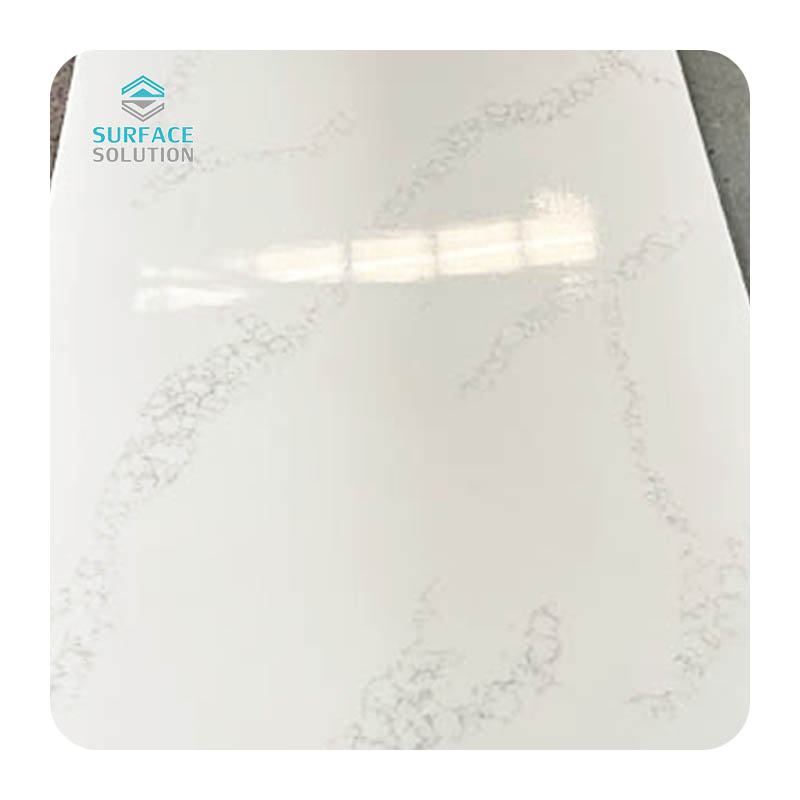
Exceptional Repairability
Unlike quartz or natural stone (which often require professional repair for chips or scratches), acrylic countertops are easily fixable. Minor scratches can be sanded out with fine-grit sandpaper, and small chips can be filled with acrylic resin that matches the countertop’s color—often making damage nearly invisible. This durability in repair is a game-changer for busy households: a stray knife scratch or dropped utensil doesn’t have to mean a costly slab replacement.
Non-Porous and Low-Maintenance
Acrylic’s non-porous surface resists stains from common household spills—coffee, wine, juice, or even oil—without the need for regular sealing (unlike granite or marble, which require sealing every 6–12 months). Cleaning is simple: a wipe with mild soap and water, or a non-abrasive cleaner, is enough to keep the surface looking new. There’s no need for special polishes or sealants, saving time and money on maintenance over the years.
Lightweight and Versatile Installation
Compared to quartz or natural stone (which are dense and heavy), acrylic is significantly lighter. This means it requires less structural support—making it a viable option for older homes with weaker cabinetry or for overhangs (e.g., kitchen island extensions) that might not handle the weight of quartz. It also adapts well to unconventional shapes, such as curved edges or custom cutouts for sinks or appliances, expanding its use beyond just kitchens and bathrooms (e.g., desk tops, vanity tables).
Potential Drawbacks of Artificial Stone Acrylic Countertops
While acrylic has clear strengths, it’s not a one-size-fits-all solution. Its material composition creates limitations that homeowners must consider:
Limited Heat Resistance
The biggest downside of acrylic countertops is their sensitivity to high temperatures. Acrylic resin softens at around 160–180°F (70–80°C)—meaning placing a hot pot, pan, or even a boiling water kettle directly on the surface can cause warping, discoloration, or permanent indentations. Unlike granite (which withstands extreme heat) or quartz (which handles moderate heat better), acrylic requires constant use of trivets or heat pads during cooking—a minor inconvenience for some, but a dealbreaker for those who cook frequently or prefer a “no-fuss” countertop.
Lower Scratch Resistance Than Quartz
While acrylic is repairable, it’s softer than quartz or natural stone, making it more prone to everyday scratches. Chopping directly on the surface (without a cutting board) or dragging heavy appliances (like a stand mixer) can leave marks—even if they can be sanded out later. For households with young children (who might scrape toys on the counter) or avid home cooks (who use sharp knives regularly), this means more vigilance to keep the surface intact.
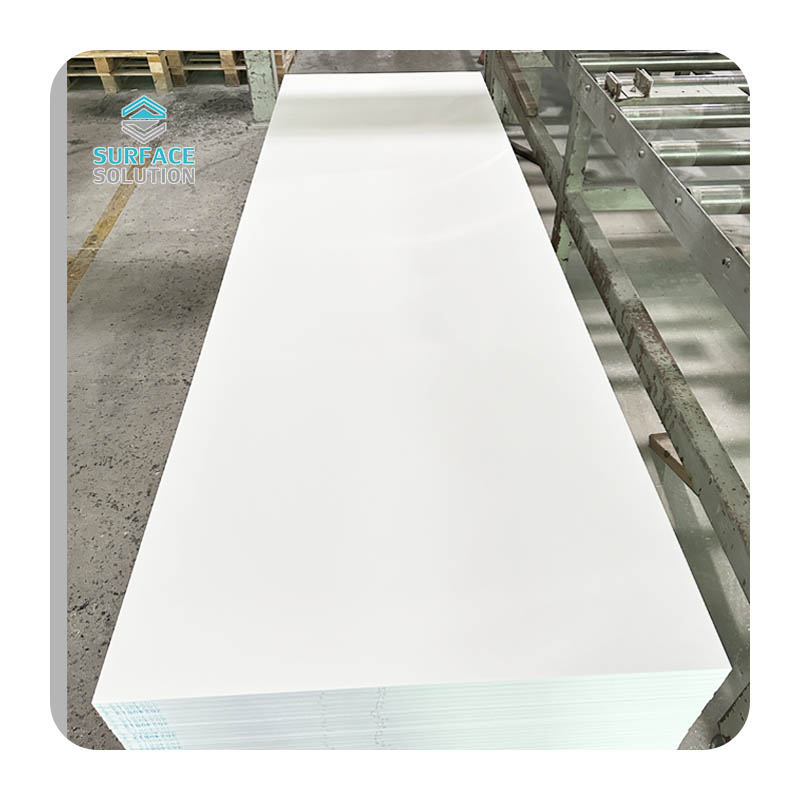
Risk of Yellowing Over Time
Exposure to direct sunlight or harsh UV rays can cause color fading or yellowing in acrylic countertops—especially lighter shades. This is less of an issue for interior spaces without windows (e.g., a basement kitchen) but a concern for kitchens or bathrooms with large windows or skylights. While some manufacturers offer UV-resistant formulas, these may add to the cost and don’t guarantee complete protection over decades.
Higher Cost Than Laminate (and Sometimes Quartz)
Acrylic countertops fall in the mid-to-high price range for countertop materials. On average, homeowners pay 80 per square foot (including installation)—more expensive than laminate (50 per square foot) and sometimes even comparable to entry-level quartz (70 per square foot). For those on a tight budget, this cost premium may be hard to justify, especially when quartz offers better durability for a similar price. How Artificial Stone Acrylic Compares to Other Countertop Materials
To fully assess if acrylic is worth it, it’s critical to compare it to popular alternatives—highlighting where it excels and where it falls short:
vs. Quartz-Based Artificial Stone
Quartz and acrylic are both engineered, but their core materials differ drastically. Quartz is harder (scratch-resistant) and more heat-tolerant, making it better for high-traffic kitchens. However, acrylic offers seamless installation, easier repairability, and more color customization. If you prioritize a “perfect” aesthetic and don’t mind using trivets, acrylic is a strong choice; if durability and low maintenance (without extra precautions) matter more, quartz is superior.
vs. Natural Stone (Granite, Marble)
Granite is heat-resistant and scratch-resistant but requires sealing and has visible seams. Marble is elegant but soft (prone to stains and scratches) and expensive. Acrylic outperforms both in terms of maintenance (no sealing) and seamlessness, but can’t match their heat or scratch resistance. For homeowners who want natural beauty, natural stone is better; for those who want a uniform, easy-to-clean surface, acrylic wins.
vs. Laminate
Laminate is the most budget-friendly option, but it has visible seams, poor heat resistance, and is nearly impossible to repair (chips or peeling mean full replacement). Acrylic is more expensive but offers a higher-end look, seamless design, and repairability. If you’re renovating temporarily or on a strict budget, laminate works; if you want a long-lasting, aesthetically pleasing surface, acrylic is worth the upgrade.
vs. Solid Surface (Non-Acrylic, e.g., Polyester Resins)
Some solid surface countertops use polyester resins instead of acrylic. Polyester is cheaper but less durable (more prone to cracking) and has fewer color options. Acrylic is more flexible, repairable, and resistant to stains—making it a better investment for those choosing solid surface materials.
Is Artificial Stone Acrylic Worth It for You?
The answer hinges on your lifestyle, priorities, and how you use your space. Ask yourself these questions to decide:
Conclusion
Artificial stone acrylic countertops are a strong choice for homeowners who prioritize design, repairability, and low maintenance—and are willing to adapt their habits (e.g., using trivets, cutting boards) to protect the surface. Their seamless look, customizable colors, and easy cleaning make them ideal for bathrooms, home offices, or kitchens where aesthetics matter more than heavy-duty cooking.
However, they’re not for everyone. If you need a countertop that withstands high heat, frequent scratches, or direct sunlight, acrylic’s limitations will likely outweigh its benefits. For those users, quartz or granite would be more practical.
Ultimately, acrylic countertops are “worth it” for the right person: someone who wants a beautiful, long-lasting surface that’s easy to care for, and who doesn’t mind taking small precautions to keep it in top shape. By weighing its unique strengths against your lifestyle needs, you can decide if acrylic is the right countertop material for your home.


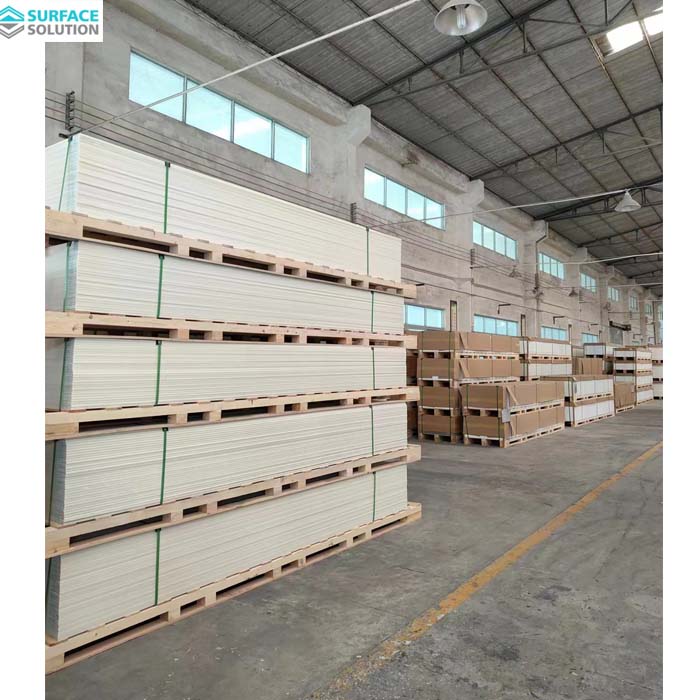 White acrylic solid surface remains a top-selling option for distributors, wholesalers and project contractors, widely specified for kitchen countertops, bathroom vanities, hotel vanity tops, commercial reception counters and custom tabletops. A common question from your downstream buyers is straigh
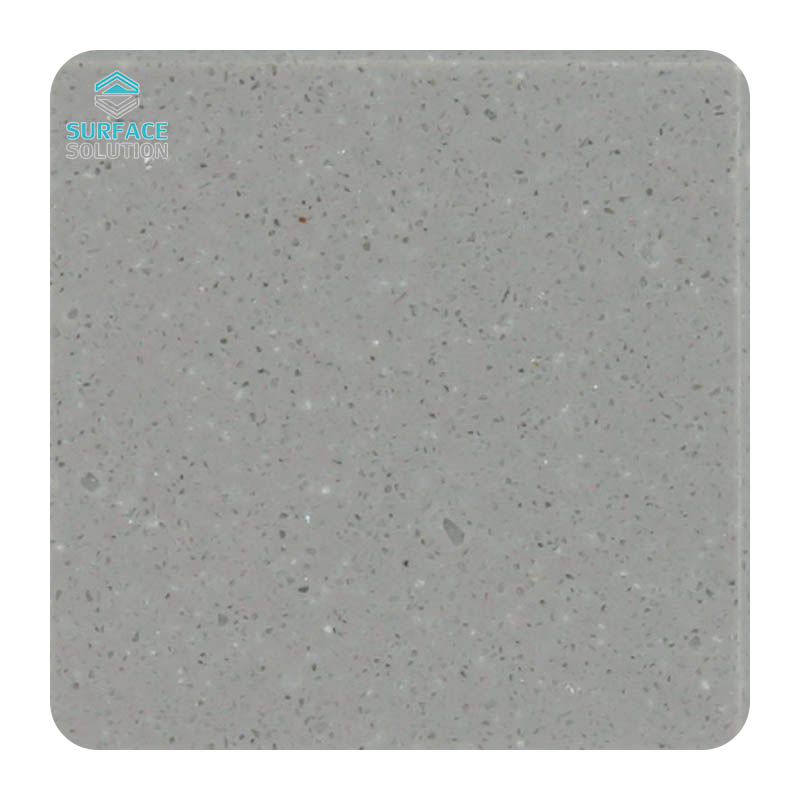 When renovating kitchens, bathrooms or commercial spaces, homeowners and designers often weigh different countertop materials. Acrylic solid surface is one of the most popular options, but a common question remains: is it durable enough for everyday use?Acrylic solid surface countertops are manufact
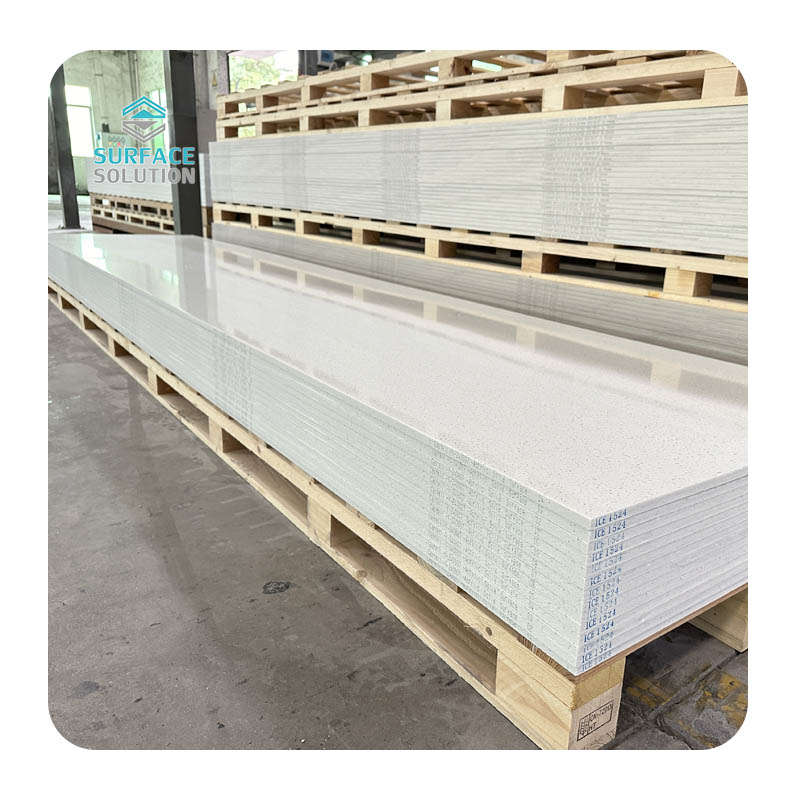 Kitchens and bathrooms are the most frequently used and easily worn spaces in residential and commercial buildings, where countertops face constant spills, moisture, friction, and daily stains. Compared with traditional materials such as natural marble, granite, quartz stone, and laminate, acrylic s


