How To Clean And Maintain Artificial Stone Surfaces


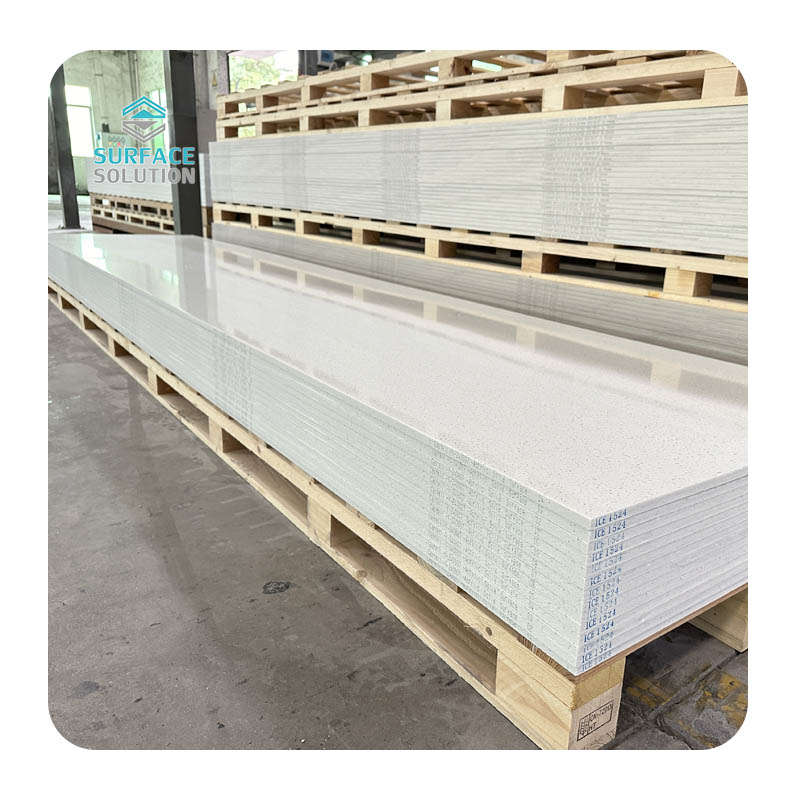
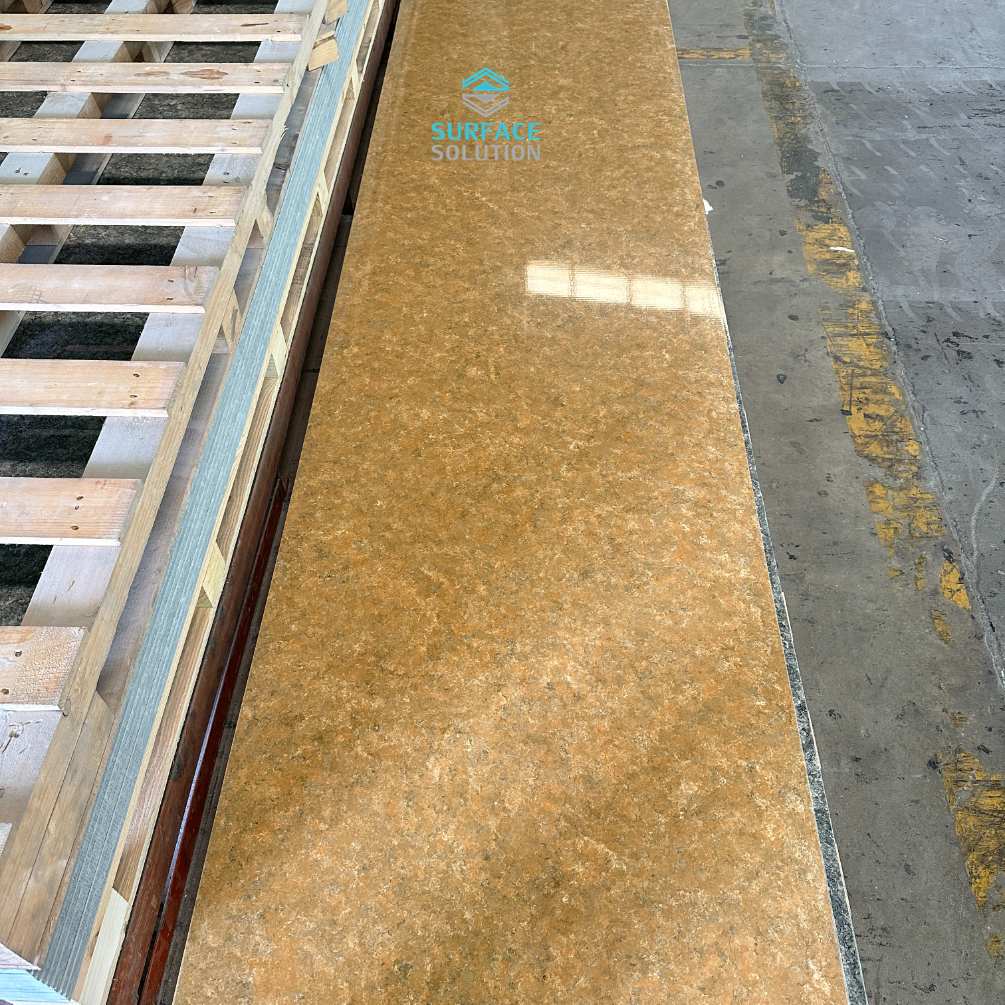
Solid - Surface Materials: Made of acrylic or polyester resins mixed with minerals, solid - surface is seamless, repairable, and moderately porous. It’s prone to scratches and stains if not cared for properly, but small scratches can be sanded out.
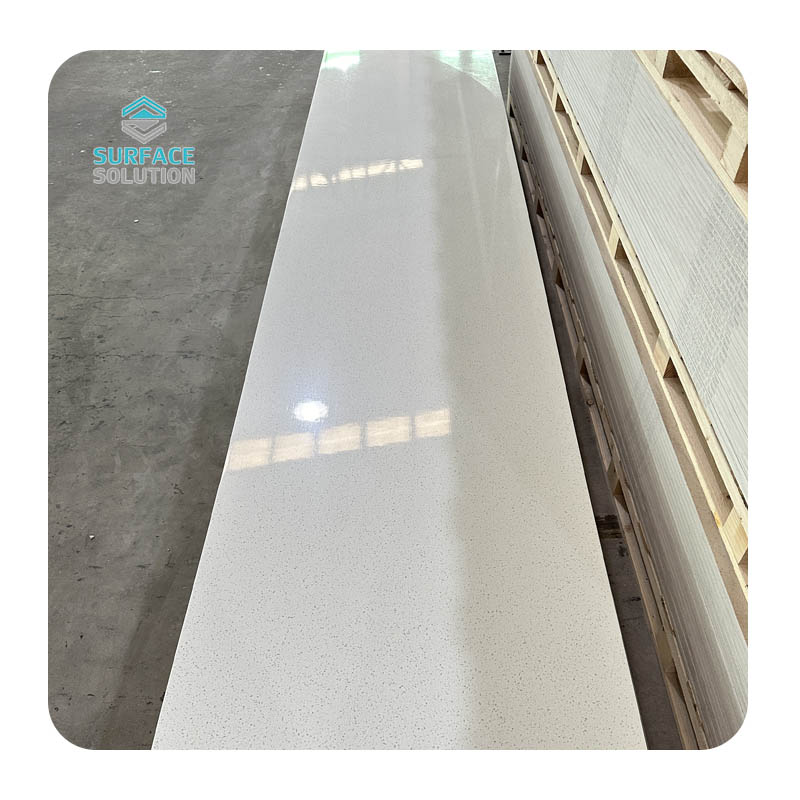
Quartz Surfaces: Composed of about 90% natural quartz and 10% resins and pigments, quartz is highly durable, scratch - resistant, and non - porous. It’s resistant to most stains and heat but can be damaged by extreme heat (such as placing a hot pan directly on it) and harsh chemicals.
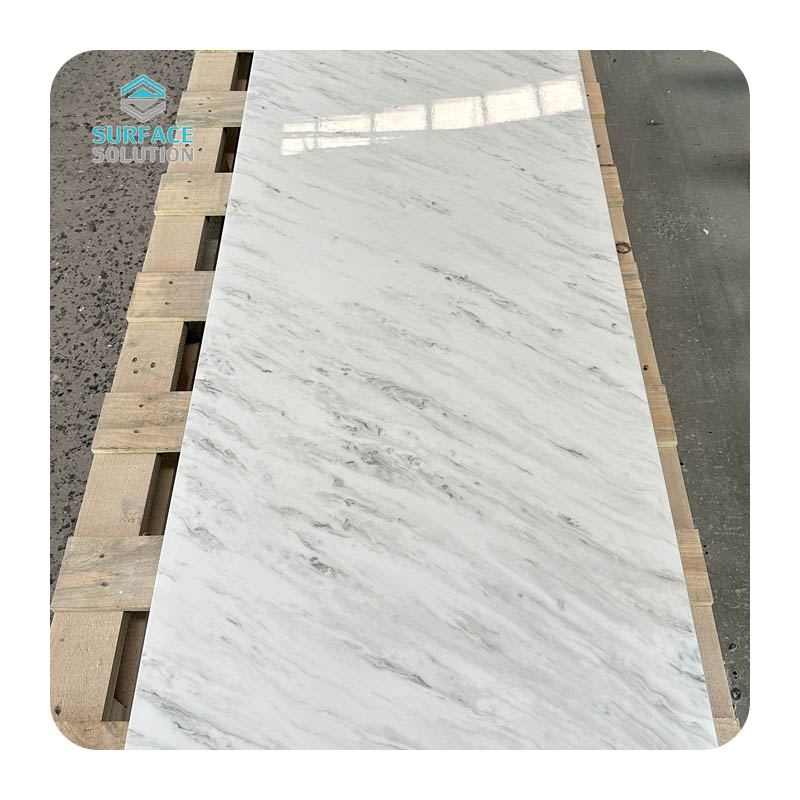
Engineered Marble: Created by combining marble dust with resins, engineered marble mimics the look of natural marble but is more durable. It’s less porous than natural marble but still requires regular sealing to prevent staining.
Gather Supplies: Use a soft microfiber cloth or sponge, a mild dish soap (such as Dawn or Palmolive), and warm water. Avoid abrasive scrubbers like steel wool or scouring pads, as they can scratch the surface.
Wipe Down the Surface: Start by wiping away any loose debris, such as crumbs or dust, with a dry microfiber cloth. Then, dampen the cloth or sponge with warm water and a few drops of mild dish soap. Gently wipe the entire surface in a circular motion to remove dirt, grease, and spills.
Rinse Thoroughly: After cleaning, rinse the surface with clean warm water to remove any soap residue. Soap residue can build up over time and make the surface look dull.
Dry the Surface: Use a clean, dry microfiber cloth to dry the surface completely. This prevents water spots and mineral deposits from forming, especially in areas with hard water.
Coffee, Tea, or Wine Stains: Mix a paste of baking soda and water (about a 2:1 ratio of baking soda to water). Apply the paste to the stain and let it sit for 10 - 15 minutes. Gently scrub the area with a soft sponge or cloth, then rinse and dry. For older or more stubborn stains, you can add a small amount of hydrogen peroxide to the baking soda paste (test it on a hidden area first to ensure it doesn’t discolor the surface).
Oil or Grease Stains: Blot up as much of the oil or grease as possible with a paper towel. Then, sprinkle a small amount of baking soda or cornstarch on the stain and let it sit for 30 minutes to absorb the remaining oil. Wipe away the baking soda or cornstarch, then clean the area with mild dish soap and warm water. Rinse and dry thoroughly.
Ink Stains: For water - based ink, clean the area with mild dish soap and warm water immediately. For oil - based ink (such as permanent marker), dampen a cloth with rubbing alcohol and gently rub the stain. Be sure to rinse the area with water after using rubbing alcohol to remove any residue. Test rubbing alcohol on a hidden spot first to check for discoloration.
Rust Stains: Rust stains can be tricky to remove. Try using a commercial rust remover that’s safe for artificial stone (check the product label to ensure compatibility). Follow the manufacturer’s instructions carefully, and rinse the surface thoroughly after use. If the rust stain is small, you can also try using a paste of lemon juice and salt. Apply the paste to the stain, let it sit for 20 minutes, then scrub gently and rinse.
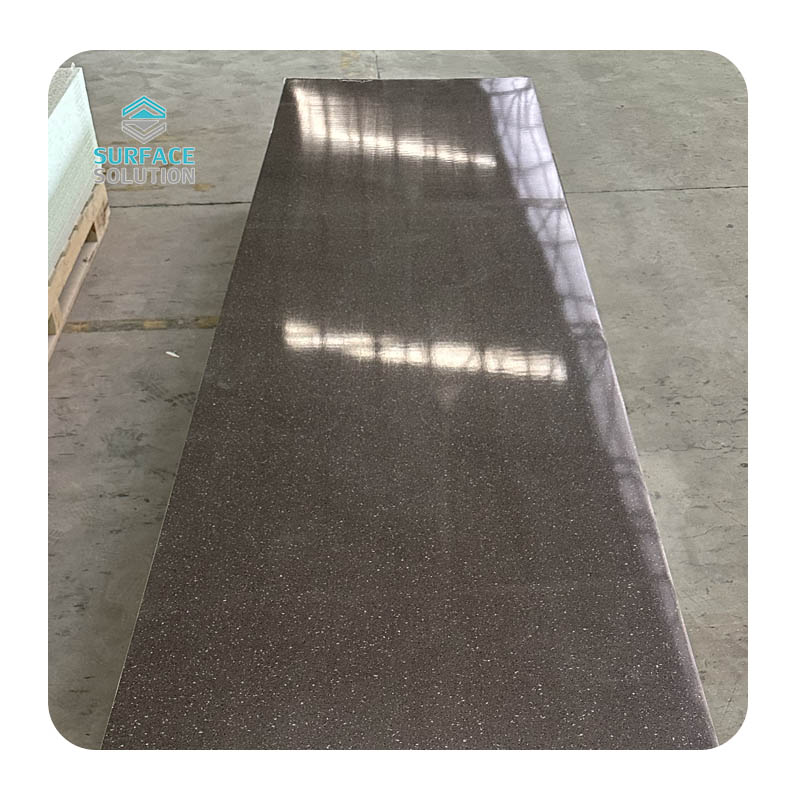
Seal When Necessary: While quartz is non - porous and doesn’t require sealing, solid - surface and engineered marble may need to be sealed periodically (usually every 1 - 2 years) to prevent staining. Check the manufacturer’s recommendations for your specific surface. When sealing, use a high - quality stone sealer designed for artificial stone. Apply the sealer with a clean cloth, let it sit for the recommended time, then wipe away any excess sealer.
Protect Against Heat: Avoid placing hot pots, pans, or other heated items directly on artificial stone surfaces, especially quartz. Extreme heat can cause discoloration, cracking, or warping. Use heat - resistant trivets or pot holders to protect the surface.
Prevent Scratches: Although quartz is scratch - resistant, it’s not scratch - proof. Avoid using sharp objects like knives or scissors directly on the surface. Use cutting boards for food preparation. For solid - surface and engineered marble, which are more prone to scratches, be extra careful with sharp items. If a small scratch occurs on solid - surface, you can sand it out using fine - grit sandpaper (start with 400 - grit and work your way up to 600 - grit) and then polish the area with a solid - surface polish.
Avoid Harsh Chemicals: Never use harsh chemicals like bleach, ammonia, oven cleaners, or drain cleaners on artificial stone surfaces. These chemicals can damage the resin binding agent, cause discoloration, and dull the surface. Stick to mild, non - abrasive cleaners specifically formulated for artificial stone or mild dish soap.
Handle with Care: When moving heavy objects on artificial stone surfaces, such as kitchen appliances or bathroom vanities, use felt pads or sliders to prevent scratching or cracking. Avoid dropping heavy objects on the surface, as this can cause chips or cracks.
Using Abrasive Cleaners: Abrasive cleaners like scouring powder, steel wool, or rough sponges can scratch the surface of artificial stone, making it more prone to staining and dullness.
Ignoring Spills: Spills, especially those containing acidic or staining substances like lemon juice, vinegar, or red wine, should be cleaned up immediately. The longer a spill sits, the more likely it is to penetrate the surface and cause a stain.
Overlooking Sealing: For solid - surface and engineered marble, skipping the sealing process can lead to permanent staining and damage. Follow the manufacturer’s guidelines for sealing frequency.
Placing Hot Items Directly: As mentioned earlier, extreme heat can cause irreversible damage to artificial stone surfaces. Always use heat - resistant accessories.