The Rise of Solid Surface Stone in Contemporary Interior Design
In the ever-evolving landscape of contemporary interior design,
solid surface stone has emerged as a transformative material, reshaping how designers, homeowners, and architects approach space creation. Blending aesthetic versatility with unparalleled functionality, it has transcended niche applications to become a cornerstone of modern interiors—from residential kitchens to high-end commercial lobbies. This article explores the driving forces behind its ascent, its diverse applications, comparative advantages, and the future trends shaping its role in design innovation.
Understanding Solid Surface Stone: Definition and Core Attributes
Composition and Manufacturing
Solid surface stone, often referred to as engineered solid surface, is a man-made material crafted from a homogeneous blend of acrylic or polyester resins, natural mineral fillers (typically alumina trihydrate), and pigments. The manufacturing process involves mixing these components under high pressure and temperature, resulting in a non-porous, consistent material that can be molded, cut, and shaped into virtually any form. Unlike natural stone, which is quarried and prone to variations, solid surface stone is produced with uniform properties, ensuring consistency across batches.
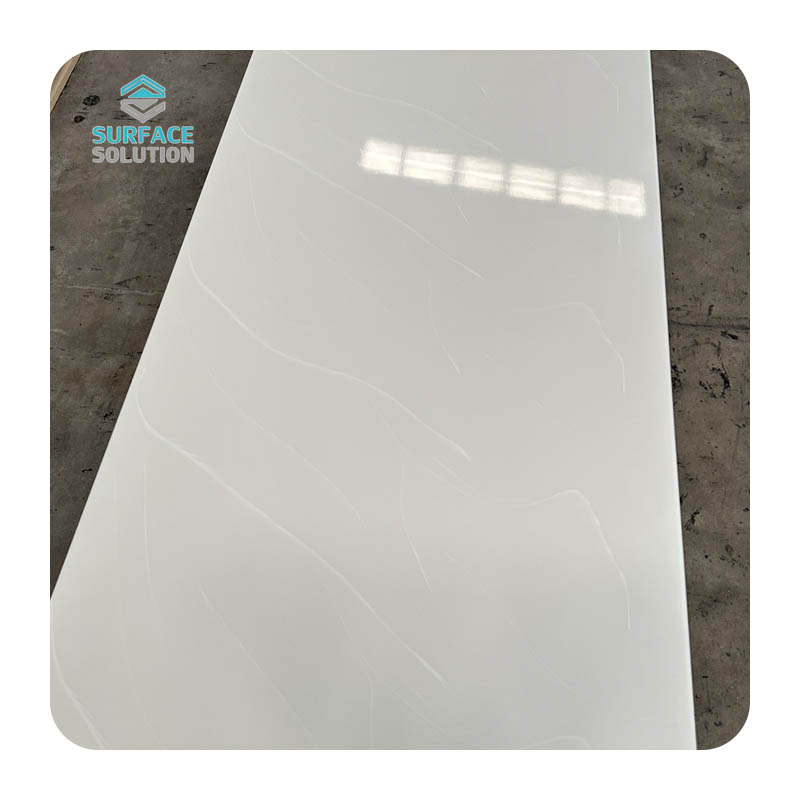
Key Characteristics
Its rise is rooted in a suite of standout features that address modern design and practical needs:
Seamless Integration: Advanced fabrication techniques allow for nearly invisible seams, creating a sleek, monolithic look that elevates spatial continuity.
Durability and Practicality: Non-porous by nature, it resists stains, moisture, and bacteria growth—critical for high-traffic or wet areas like kitchens and bathrooms.
Repairability: Minor scratches, dents, or stains can be sanded or polished away, extending the material’s lifespan significantly.
Design Flexibility: Available in a vast spectrum of colors, textures (from matte to high-gloss, and even natural stone mimics), it adapts to diverse design visions.
Versatile Applications in Contemporary Interiors
Residential Spaces: Kitchens and Bathrooms
The kitchen, often called the heart of the home, has become a primary showcase for
solid surface stone. Its non-porous surface makes it ideal for countertops, where spills of food, oil, or acidic substances (like vinegar or citrus) can be wiped clean without permanent damage. Designers increasingly use it for full-height backsplashes and even integrated sinks, creating a seamless, clutter-free aesthetic that aligns with minimalist and modern styles.
In bathrooms, solid surface stone shines as a solution for vanities, shower walls, and flooring. Its water-resistant properties eliminate concerns about mold or mildew, while its customizable shapes allow for curved edges or organic forms that soften the clinical feel of traditional bathroom design. Homeowners also value its warmth underfoot compared to natural stone or tile.
Commercial and Public Spaces
Beyond residences, solid surface stone has become a staple in commercial interiors seeking durability and sophistication. Luxury hotels use it for reception desks, bar tops, and guest room vanities, as it maintains its appearance despite heavy use. Restaurants and cafes favor it for tables and countertops, balancing hygiene requirements with aesthetic appeal. In galleries and exhibition spaces, its neutral palette and smooth finish serve as a backdrop that highlights art and installations without distraction.
Why Solid Surface Stone Is Gaining Traction
Alignment with Modern Aesthetic Trends
Contemporary design leans heavily into minimalism, clean lines, and uncluttered spaces—all areas where solid surface stone excels. Its seamless look complements Scandinavian, industrial, and modern minimalist styles, while its customizable colors and textures allow it to blend with bohemian or eclectic designs. Unlike natural stone, which often features veining or imperfections that demand attention, solid surface stone offers a understated elegance that puts the focus on spatial flow and design harmony.
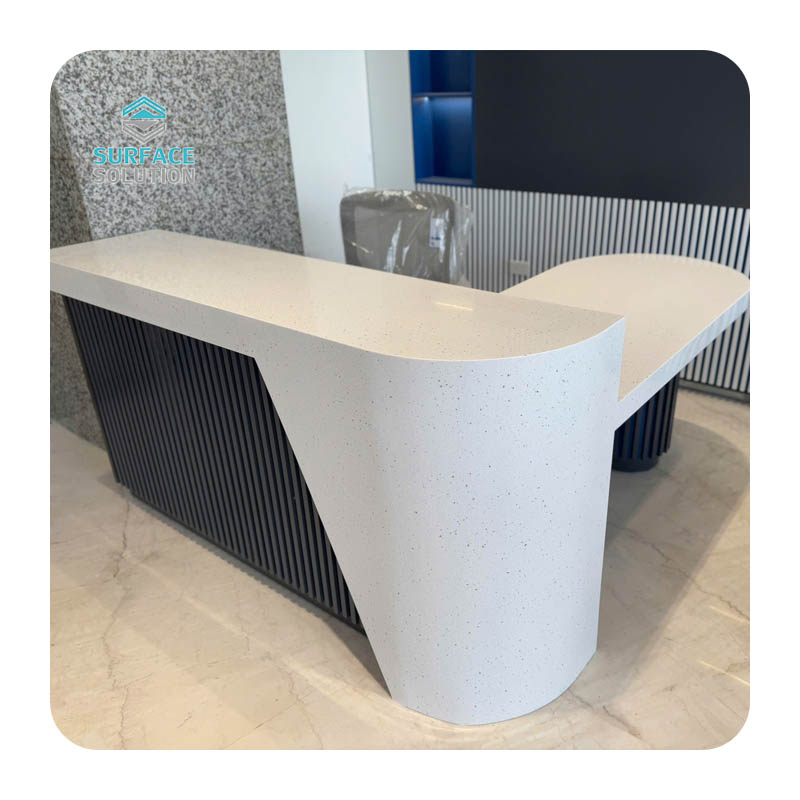
Superior Performance for Modern Lifestyles
Today’s homeowners and businesses prioritize low-maintenance, long-lasting materials. Solid surface stone meets this demand by resisting scratches, stains, and fading, reducing the need for frequent replacements or intensive upkeep. Its repairability is a key advantage over materials like natural marble (which is porous and prone to etching) or quartz (which can chip and is difficult to repair). For busy households and high-traffic commercial spaces, this combination of durability and ease of care is invaluable.
Sustainability and Eco-Friendliness
As sustainable design becomes a non-negotiable consideration, solid surface stone’s environmental credentials have boosted its appeal. Many manufacturers use recycled resins and mineral fillers in production, reducing reliance on virgin materials. It is also fully recyclable at the end of its lifespan, minimizing waste. Additionally, its non-porous surface eliminates the need for harsh chemical sealants or cleaners, promoting healthier indoor air quality—a critical factor in modern interior design.
Flexibility in Fabrication and Installation
Solid surface stone’s malleable nature allows designers to push creative boundaries. It can be thermoformed into curved shapes, integrated with lighting fixtures, or carved into custom patterns—possibilities that are limited with rigid natural stone. Its lightweight composition also simplifies installation, reducing labor costs and making it suitable for vertical applications (like wall panels) where heavy materials might be impractical.
Comparing Solid Surface Stone to Traditional Materials
Versus Natural Stone (Marble, Granite)
Natural stone has long been prized for its uniqueness, but it comes with drawbacks that solid surface stone addresses. Natural stone is porous, requiring regular sealing to prevent staining. It also features inherent cracks, veins, and variations that can disrupt a uniform design. Solid surface stone, by contrast, offers seamless integration, no need for sealing, and consistent coloration. It also avoids the radiation risks associated with some natural stones and is more resistant to impact and etching.
Versus Engineered Quartz and Laminate
Engineered quartz is durable but less flexible—its composition of crushed quartz and resin makes it difficult to thermoform or repair. Laminate, while affordable, is prone to peeling at the edges and cannot withstand heat or moisture. Solid surface stone bridges the gap: it offers the durability of quartz with the design flexibility of laminate, plus repairability and non-porosity that neither material matches. For those seeking a balance of performance, aesthetics, and longevity, it is a superior choice.
Future Trends: What Lies Ahead for Solid Surface Stone
Technological Innovations in Material Science
Advancements in manufacturing are set to enhance solid surface stone’s performance further. Researchers are developing formulations with increased heat resistance (addressing a historic limitation) and improved scratch resistance, while retaining its malleability. The use of bio-based resins is also on the rise, making the material even more sustainable and aligning with the growing demand for eco-conscious design solutions.
Design Diversification
Future iterations of solid surface stone will offer even more creative possibilities. Expect to see textures that mimic rare natural stones (like onyx or travertine) with greater precision, as well as bold, vibrant colors that cater to maximalist design trends. 3D printing technology may also play a role, allowing for custom, complex shapes that were previously impossible to fabricate.
Integration with Smart Design
As smart homes and commercial spaces become more prevalent, solid surface stone is poised to integrate with technology. Imagine countertops with built-in wireless charging pads, temperature-sensitive surfaces that adjust lighting, or interactive panels embedded in wall cladding. These innovations will blur the line between material and functionality, solidifying its role as a forward-thinking design element.
Conclusion
Solid surface stone’s rise in contemporary interior design is no accident—it is a product of its ability to meet the dual demands of aesthetics and functionality, while aligning with modern values of sustainability and versatility. From residential kitchens to luxury hotels, it has proven to be a material that adapts to diverse design visions and practical needs. As technology advances and design trends evolve, solid surface stone will continue to innovate, offering new possibilities for creating spaces that are both beautiful and built to last. In the years to come, it is set to remain a defining material of modern interior design—one that bridges the gap between form and function, tradition and innovation.
Would you like me to refine this article by adjusting the length, emphasizing specific sections (such as sustainability or commercial applications), or adding case studies of notable projects using solid surface stone?


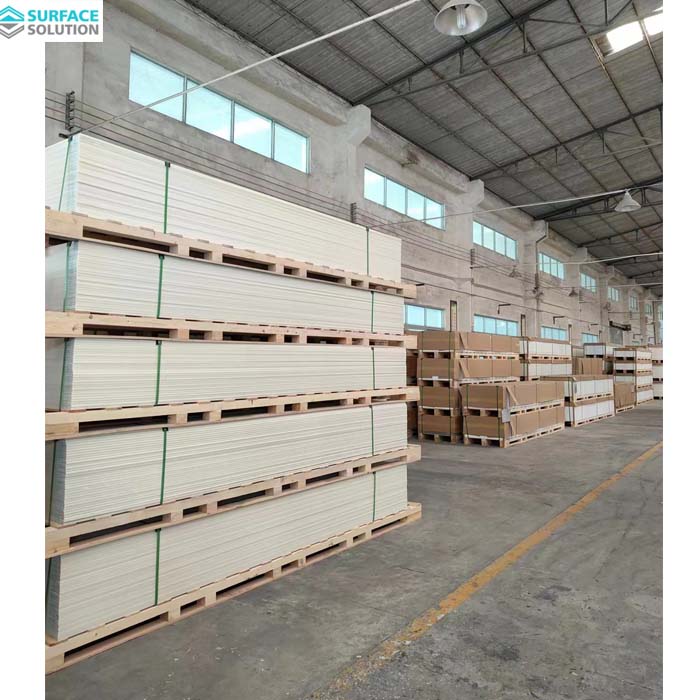
 White acrylic solid surface remains a top-selling option for distributors, wholesalers and project contractors, widely specified for kitchen countertops, bathroom vanities, hotel vanity tops, commercial reception counters and custom tabletops. A common question from your downstream buyers is straigh
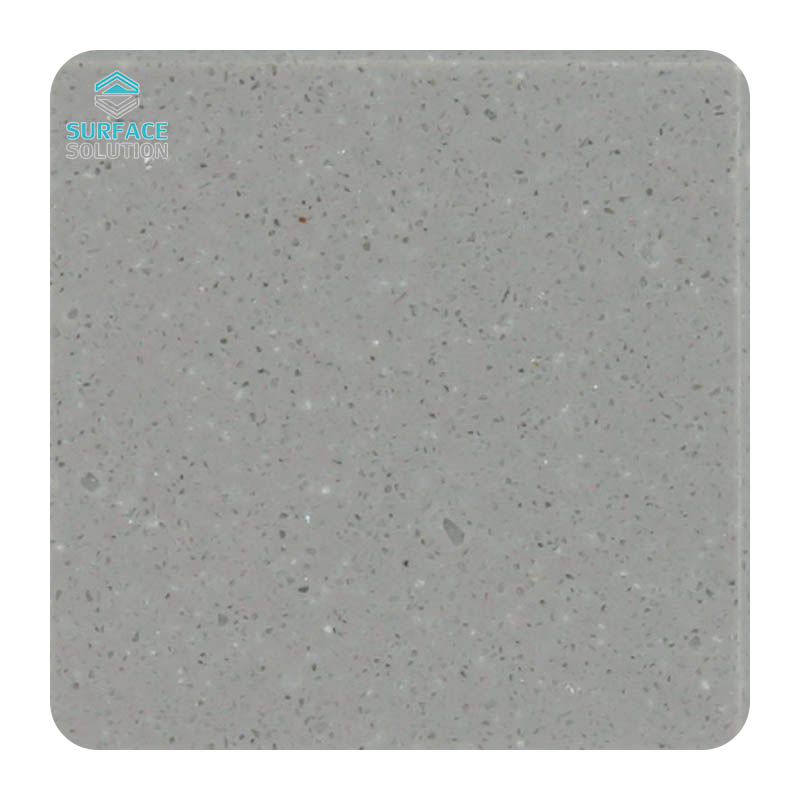 When renovating kitchens, bathrooms or commercial spaces, homeowners and designers often weigh different countertop materials. Acrylic solid surface is one of the most popular options, but a common question remains: is it durable enough for everyday use?Acrylic solid surface countertops are manufact
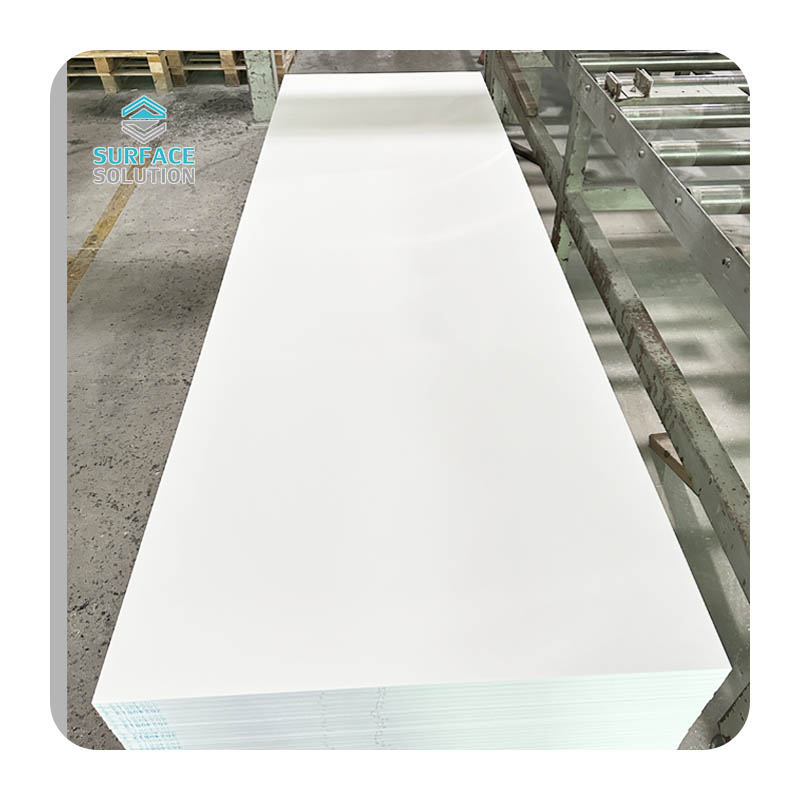 Acrylic solid surface is a premium engineered composite material widely used for kitchen countertops, vanity tops, wall panels, custom furniture and commercial interior projects. Many people confuse it with pure acrylic sheet or natural marble, but it is a carefully formulated blend of mineral powde
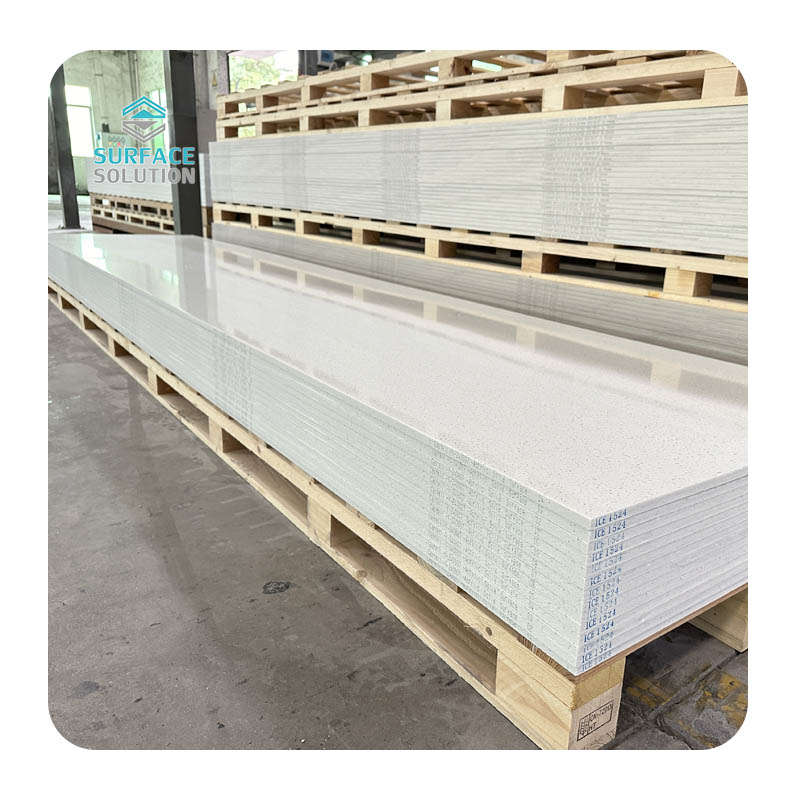 Kitchens and bathrooms are the most frequently used and easily worn spaces in residential and commercial buildings, where countertops face constant spills, moisture, friction, and daily stains. Compared with traditional materials such as natural marble, granite, quartz stone, and laminate, acrylic s


