


Comparing Solid Surface Stone And Quartz Surfaces


Comparing Solid Surface Stone and Quartz Surfaces: A Guide for Interior Design Choices
Core Composition and Manufacturing Processes
Solid Surface Stone: Composition and Production
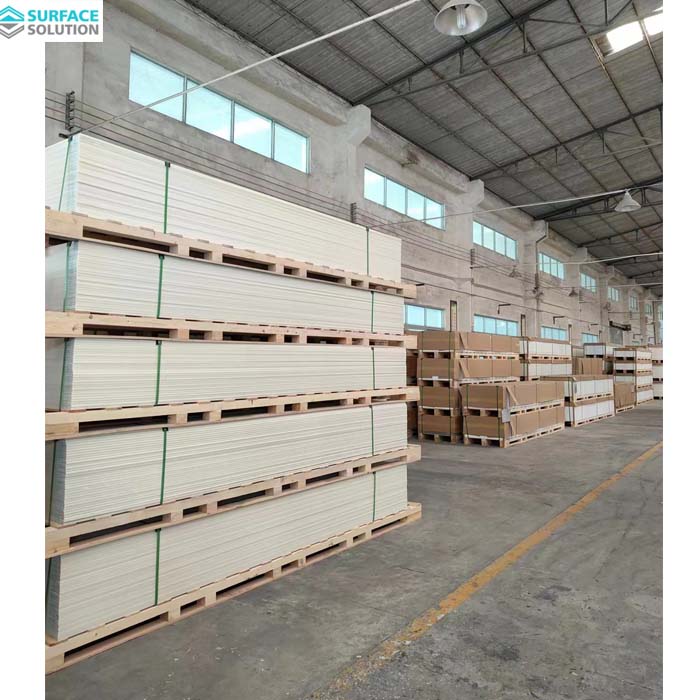
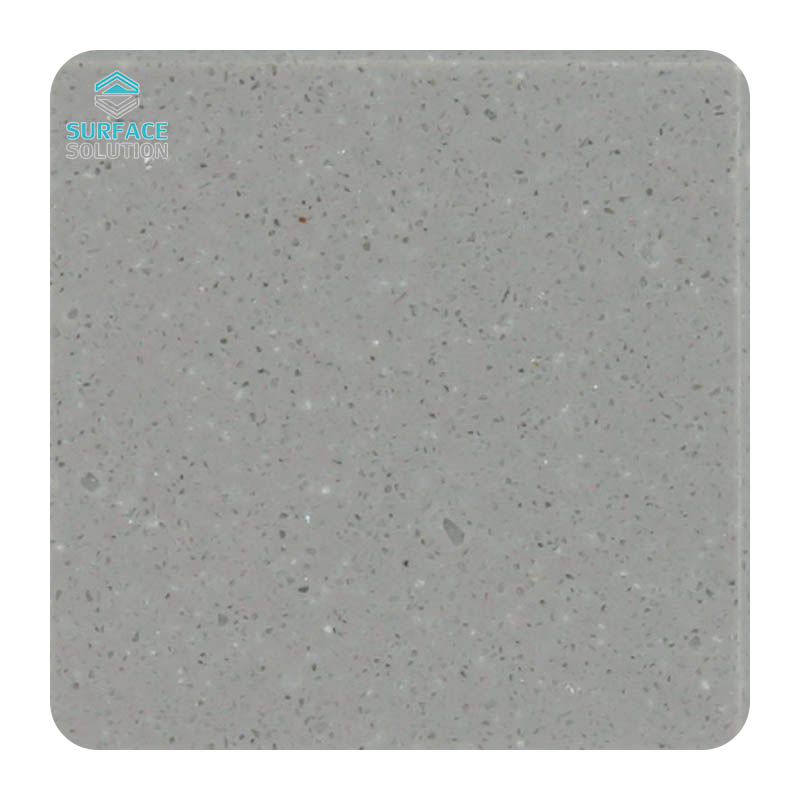
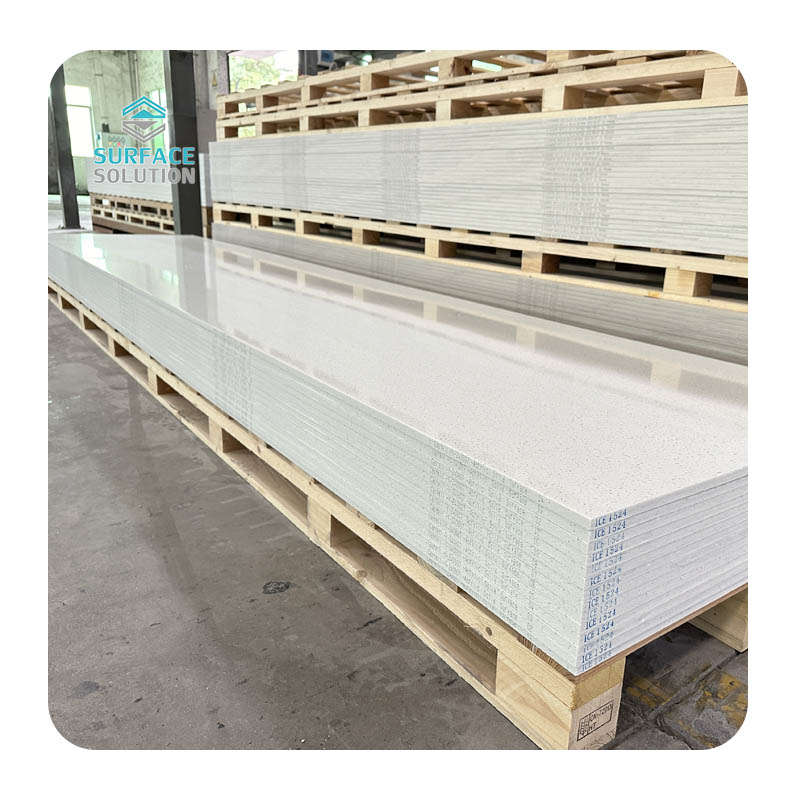
Solid surface stone is a homogeneous engineered material crafted from a blend of acrylic or polyester resins (typically 25-30%), natural mineral fillers (primarily alumina trihydrate, around 65-70%), and pigment additives. The manufacturing process involves mixing these components under high pressure and temperature, then casting them into sheets or custom molds. The result is a non-porous, consistent material with uniform color and texture throughout its thickness—often referred to as “through-body” coloring.

Quartz Surfaces: Composition and Production
Key Performance Attributes: A Head-to-Head Comparison
Durability and Resistance
Scratch Resistance: Quartz surfaces have a distinct edge here. The high quartz content (Mohs hardness scale rating of 7) makes them highly resistant to scratches from everyday use, such as cutting or dragging utensils. Solid surface stone (Mohs hardness 3-4) is more prone to surface scratches, though these are often repairable.
Heat Resistance: Quartz can withstand moderate heat (up to 150-200°F / 65-93°C) but may discolor or crack if exposed to extreme heat (e.g., hot pots placed directly on the surface). Solid surface stone has lower heat resistance (up to 140°F / 60°C) and is more likely to warp or melt under high temperatures.
Stain Resistance: Both materials are non-porous, meaning they resist stains from food, oil, wine, or acidic substances without requiring sealing. Spills can be wiped clean easily on both, with no permanent damage.
Impact Resistance: Quartz is denser and more brittle, making it susceptible to chipping if hit with heavy objects (e.g., dropping a cast-iron pan). Solid surface stone is more flexible and less likely to chip, though it can dent under severe impact.
Repairability
Solid Surface Stone: A major advantage is its repairability. Minor scratches, dents, or even small burns can be sanded, buffed, or filled with resin to restore the surface to its original condition. The homogeneous composition ensures repairs blend seamlessly.
Quartz Surfaces: Repairs are challenging. Scratches (though rare) and chips are difficult to fix without leaving visible marks, as the surface layer’s color and pattern don’t extend through the slab. Professional repair may improve appearance but rarely matches the original finish.
Design Flexibility
Seamless Integration: Solid surface stone excels at seamless installations. Sheets can be joined with nearly invisible seams using resin, creating a monolithic look ideal for large countertops, integrated sinks, or curved surfaces.
Shaping and Customization: Its malleable nature allows solid surface stone to be thermoformed into curves, angles, or custom shapes (e.g., rounded edges, organic forms). Quartz, being rigid and brittle, has limited shaping options and requires specialized tools for cutting curves.
Color and Texture: Both offer a wide range of colors and textures. Solid surface stone includes matte, high-gloss, and subtle texture options, with consistent coloring. Quartz mimics natural stone (marble, granite, travertine) with realistic veining and patterns, plus bold solid hues—though some patterns may appear repetitive across large slabs.

Ideal Applications
Solid Surface Stone: Best Use Cases
Residential Kitchens/Bathrooms: Ideal for homeowners prioritizing a seamless, customizable look. Perfect for countertops with integrated sinks, full-height backsplashes, or curved vanities.
Commercial Spaces: Suitable for reception desks, bar tops, and healthcare facilities (thanks to non-porous, bacteria-resistant properties and easy repairs).
Custom Installations: Excellent for unique designs, such as built-in shelving, wall panels, or sculptural elements that require flexibility in shape.
Quartz Surfaces: Best Use Cases
High-Traffic Areas: Perfect for busy households (with kids or pets), restaurants, or office break rooms, where scratch and stain resistance are top priorities.
Natural Stone Alternatives: Ideal for those seeking the look of marble or granite without the porosity and maintenance (e.g., sealing) required by natural stone.
Countertops and Flooring: Works well for straight-edged countertops, flooring tiles, and shower walls—applications where durability and low maintenance take precedence over complex shaping.
Environmental Impact and Sustainability
Solid Surface Stone: Many manufacturers use recycled resins and mineral fillers in production. It is fully recyclable at the end of its lifespan, and its repairability extends its use, reducing waste. However, some resin formulations may contain volatile organic compounds (VOCs), so choosing low-VOC options is key.
Quartz Surfaces: Quartz is abundant in nature, but mining it requires energy and can have environmental impacts. Most quartz slabs are not recyclable due to the bonded resin and dense structure. However, some brands use recycled quartz or eco-friendly resins to reduce their carbon footprint.
Cost and Maintenance
Cost
Solid Surface Stone: Generally more affordable, with prices ranging from $50 to $100 per square foot (including installation). Premium brands or custom shapes may increase costs.
Quartz Surfaces: Typically more expensive, costing between $70 and $150+ per square foot (including installation). Prices rise with premium patterns (e.g., realistic natural stone mimics) or thick slabs.
Maintenance
Solid Surface Stone: Low maintenance but requires occasional care. Avoid placing hot objects directly on the surface. Minor scratches can be sanded with fine-grit sandpaper. Clean with mild soap and water—no harsh chemicals needed.
Quartz Surfaces: Virtually maintenance-free. No sealing is required. Clean with mild detergent and water. Avoid abrasive cleaners (which can dull the surface) and extreme heat to prevent damage.
Choosing Between the Two: Key Considerations
Prioritize design flexibility and repairability: Opt for solid surface stone.
Need maximum durability and low maintenance: Quartz surfaces are the better choice.
Working with a tight budget: Solid surface stone offers better value.
Desire the look of natural stone: Quartz provides more realistic veining and texture.
Planning custom shapes or seamless installations: Solid surface stone is more adaptable.
Conclusion
Related Blogs
-
 White acrylic solid surface remains a top-selling option for distributors, wholesalers and project contractors, widely specified for kitchen countertops, bathroom vanities, hotel vanity tops, commercial reception counters and custom tabletops. A common question from your downstream buyers is straigh
 -
 When renovating kitchens, bathrooms or commercial spaces, homeowners and designers often weigh different countertop materials. Acrylic solid surface is one of the most popular options, but a common question remains: is it durable enough for everyday use?Acrylic solid surface countertops are manufact
 -
 Acrylic solid surface is a premium engineered composite material widely used for kitchen countertops, vanity tops, wall panels, custom furniture and commercial interior projects. Many people confuse it with pure acrylic sheet or natural marble, but it is a carefully formulated blend of mineral powde
 -
 Kitchens and bathrooms are the most frequently used and easily worn spaces in residential and commercial buildings, where countertops face constant spills, moisture, friction, and daily stains. Compared with traditional materials such as natural marble, granite, quartz stone, and laminate, acrylic s


