


The Impact of Acrylic Solid Surfaces on Home Resale Value


The Impact of Acrylic Solid Surfaces on Home Resale Value
When it comes to boosting a home's resale value, homeowners and investors often focus on high-impact renovations—from kitchen overhauls to bathroom upgrades. Among the myriad materials available for these projects, acrylic solid surfaces have emerged as a compelling choice, blending aesthetic appeal, functionality, and durability. But how exactly do these surfaces influence a home's resale value? The answer lies in understanding modern buyers' priorities, the cost-benefit ratio of acrylic installations, and how these surfaces stack up against competing materials like quartz, granite, or traditional solid surface stone. This article explores the multifaceted impact of acrylic solid surfaces on home resale value, offering insights for anyone looking to maximize their property's market potential.
First and foremost, acrylic solid surfaces enhance resale value by aligning with today's buyer demand for low-maintenance, durable, and eco-friendly materials. Modern homebuyers—especially millennials and Gen Z—prioritize spaces that require minimal upkeep without sacrificing style. Acrylic solid surfaces deliver on this front: they are non-porous, resistant to stains, scratches, and chemical damage, and easy to clean with basic household cleaners. Unlike natural stone (which may require regular sealing to prevent staining) or low-quality quartz (which can crack or fade over time), acrylic surfaces offer long-term reliability. Additionally, top-tier acrylic products are non-toxic and radiation-free, crafted from pure mineral fillers and high-quality resins—a key selling point for health-conscious buyers. These functional benefits make homes with acrylic surfaces more attractive to potential buyers, who are willing to pay a premium to avoid the hassle of frequent repairs or maintenance.
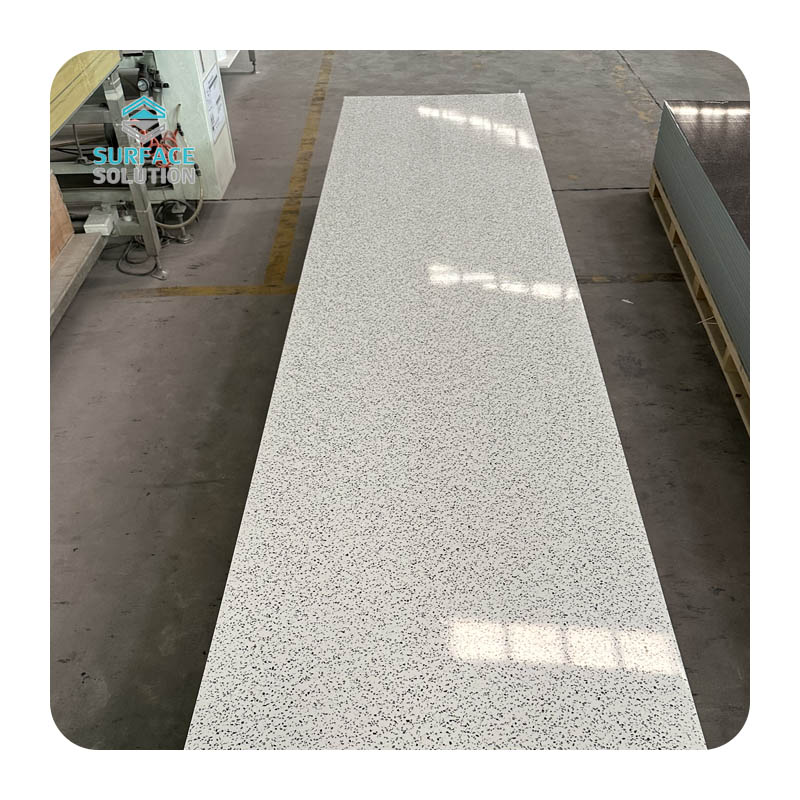
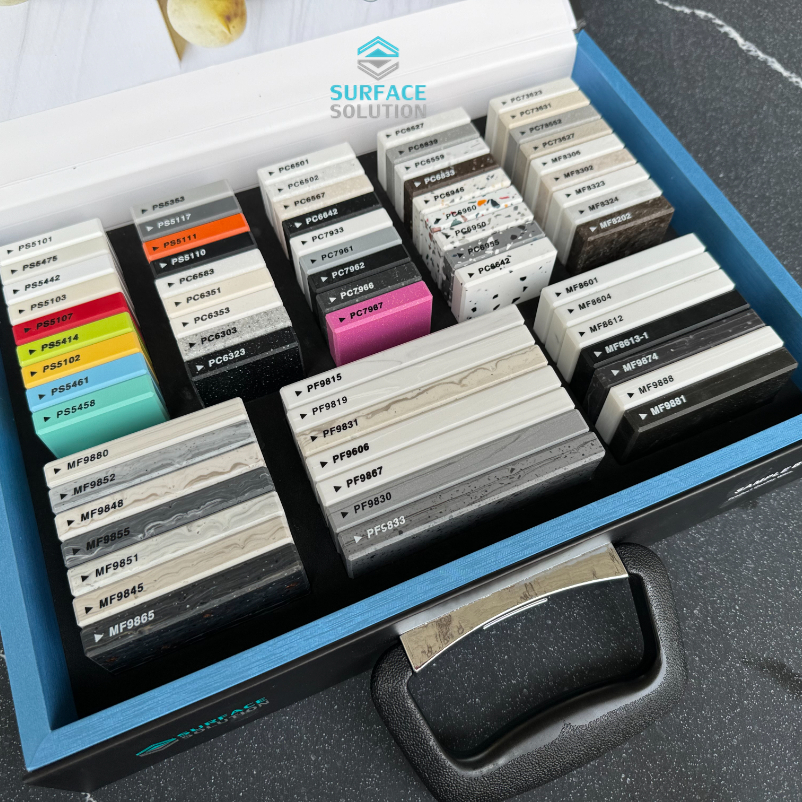
Aesthetics also play a pivotal role in driving resale value, and acrylic solid surfaces excel in versatility and visual appeal. Unlike natural stone, which often features unpredictable veining or color variations, acrylic surfaces offer a consistent, smooth finish in a wide range of hues—from classic neutrals to bold, contemporary shades. They can be custom-molded into seamless designs, eliminating unsightly seams that are common with quartz or granite countertops. This flexibility allows homeowners to create cohesive, modern looks that align with current design trends, such as minimalist kitchens or spa-like bathrooms. For instance, a seamless acrylic countertop paired with a matching backsplash can transform a dated kitchen into a sleek, magazine-worthy space—an upgrade that resonates strongly with buyers. Moreover, acrylic surfaces have a subtle sheen that adds warmth and depth to rooms, making spaces feel brighter and more inviting—qualities that can make a home stand out in a competitive market.
When evaluating the impact on resale value, it's essential to consider the cost-benefit ratio of acrylic solid surface installations. While high-end acrylic products (such as DuPont Corian) may have a higher upfront cost than budget-friendly solid surface stone, they often yield a strong return on investment (ROI). According to industry data, kitchen and bathroom renovations typically recoup 60-80% of their cost in resale value, and choosing premium, desirable materials like acrylic can boost this ROI further. For example, a mid-range kitchen renovation using acrylic countertops may cost less than installing natural granite (which requires expensive fabrication and sealing) but still command a similar or higher resale premium due to its low-maintenance benefits. Additionally, acrylic’s durability means it retains its appearance for years, ensuring that the upgrade remains attractive to buyers at resale—unlike trendy materials that may quickly fall out of favor and become a liability.
However, to fully leverage acrylic solid surfaces for resale value, homeowners must avoid common pitfalls. One key consideration is avoiding over-capitalization—spending more on upgrades than the home's market value can support. Industry guidelines suggest that kitchen renovation budgets should not exceed 2% of a home's total value, and bathroom budgets should stay below 1.5%. Investing in high-end acrylic surfaces in a mid-priced home may not yield a proportional return, so it's important to match the material's quality to the home's overall value. Another pitfall is neglecting proper installation: acrylic surfaces require skilled craftsmanship to ensure seamless joints and proper fitting. Poorly installed acrylic can develop cracks or gaps, which can deter buyers and reduce resale value. Homeowners should also be transparent about the material’s limitations—such as its sensitivity to extreme heat—to manage buyer expectations and avoid post-sale disputes.
Real-world examples underscore the positive impact of acrylic solid surfaces on resale value. A 2025 case study of Melbourne homes found that properties with updated kitchens featuring acrylic countertops sold for 5-8% more than comparable homes with traditional materials. Similarly, bathrooms with seamless acrylic vanities and shower surrounds were cited as a top selling point in luxury condo listings, with buyers willing to pay a premium for the spa-like, low-maintenance design. These examples demonstrate that acrylic surfaces are not just a functional choice but a strategic investment in a home's marketability.

Related Blogs
-
 When renovating kitchens, bathrooms or commercial spaces, homeowners and designers often weigh different countertop materials. Acrylic solid surface is one of the most popular options, but a common question remains: is it durable enough for everyday use?Acrylic solid surface countertops are manufact
 -
 Acrylic solid surface is a premium engineered composite material widely used for kitchen countertops, vanity tops, wall panels, custom furniture and commercial interior projects. Many people confuse it with pure acrylic sheet or natural marble, but it is a carefully formulated blend of mineral powde
 -
 Kitchens and bathrooms are the most frequently used and easily worn spaces in residential and commercial buildings, where countertops face constant spills, moisture, friction, and daily stains. Compared with traditional materials such as natural marble, granite, quartz stone, and laminate, acrylic s
 -
 In modern commercial architecture and interior design, selecting durable, hygienic, and aesthetically versatile materials is critical to balancing long-term functionality and visual appeal. Commercial grade acrylic solid surface has emerged as a top-tier choice for high-traffic business spaces, wide


