


Is Solid Surface Good for Kitchen Countertops Considering Its Benefits Plus Drawbacks Along with Various Alternatives?


Kitchen renovations often stall at one crucial decision point: picking the right surface. Homeowners face a dizzying array of options, from natural stone to engineered quartz. Among these choices, solid surface kitchen countertops stand out as a popular mid-range contender. But is solid surface good for kitchen countertops when compared to granite or laminate?
This guide dives deep into the world of synthetic surfaces. We will explore how a solid surface sheet transforms into a functional workspace, examine the durability of these countertops, and answer the burning question on every renovator's mind. By the end, you will understand exactly why this material might be the perfect fit for your home improvement project.
What exactly are solid surface kitchen countertops?
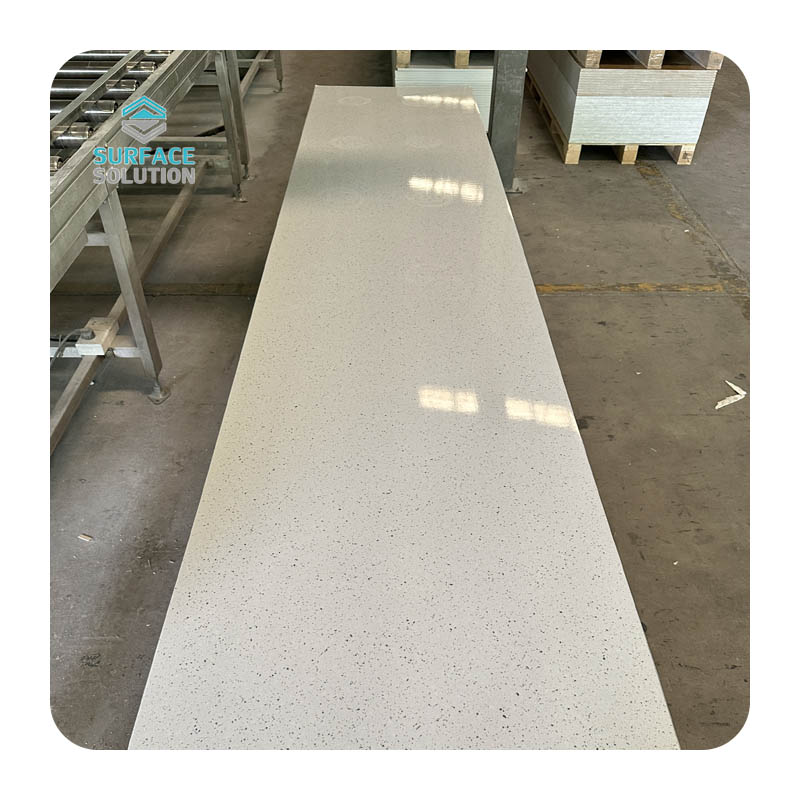
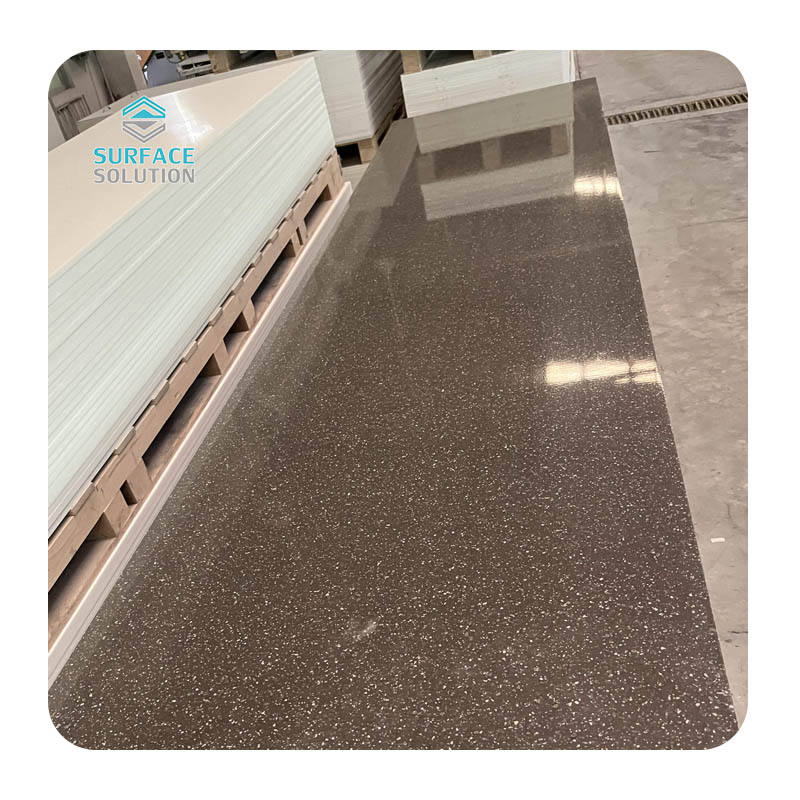
Before determining quality, we must ask: what is this material made of? Solid surface kitchen countertops are synthetic materials manufactured from a blend of acrylic or polyester resins, powdered bauxite filler, and pigments. Unlike natural stone, which is mined from the earth, a solid surface sheet is engineered to provide a uniform look throughout the material.
Why does this composition matter for your kitchen? The "solid" in the name refers to the fact that the material is consistent all the way through. If you slice a solid surface sheet in half, the color and pattern remain identical from top to bottom. This unique construction allows for seamless integration of sinks and backsplashes, creating a fluid look that other countertops struggle to match. When asking "is solid surface good for kitchen countertops," this homogeneity is often the first benefit cited by designers.
How durable are solid surface materials for daily use?
Durability is often the primary concern for any kitchen surface. Can solid surface kitchen countertops withstand the rigors of hot pans, sharp knives, and spilled wine? While they are not as hard as granite or quartz, they offer a unique type of resilience.
Are scratches a permanent problem? No. Because the material is consistent throughout the solid surface sheet, minor scratches and burns can often be sanded out. This renewability is a key feature. If you damage a laminate top, you usually have to replace it. With solid surface kitchen countertops, you can buff out imperfections with an abrasive pad and a little elbow grease.
However, heat resistance is a different story. Can you place a hot pot directly on the surface? It is generally not recommended. Extreme heat can deform or scorch the resin. While minor scorch marks can sometimes be repaired, thermal shock is a real risk. Using trivets is essential to maintain the integrity of these countertops.
What design flexibility does a solid surface sheet offer?
Why do designers love working with this material? The answer lies in thermoforming. Can stone be bent? No. Can quartz be curved easily? Rarely. A solid surface sheet, however, can be heated and bent into three-dimensional shapes.
This property allows for incredible creativity. Do you want a curved island or a seamlessly integrated sink that flows directly into the counter? Solid surface kitchen countertops make this possible. The seams are fused chemically, making them virtually invisible to the naked eye. This not only looks sleek but also eliminates crevices where dirt and bacteria usually hide, making the surface exceptionally hygienic.
How do solid surface kitchen countertops compare to natural stone?
Is solid surface good for kitchen countertops when pitted against granite or marble? This comparison table helps clarify the differences.
Feature | Solid Surface Kitchen Countertops | Natural Stone (Granite/Marble) |
|---|---|---|
Porosity | Non-porous (Needs no sealing) | Porous (Needs regular sealing) |
Maintenance | Low (Easy to clean) | High (Requires special cleaners) |
Seamlessness | Invisible seams | Visible seams |
Repairability | High (Sandable scratches) | Low (Difficult to repair chips) |
Heat Resistance | Moderate (Use trivets) | High (Resistant to hot pans) |
Cost | Mid-range | High-end |

When reviewing this table, asking "is solid surface good for kitchen countertops" often comes down to maintenance preferences versus heat resistance needs. If you hate sealing stone every year, solid surface is a superior choice.
Why is hygiene a critical factor for kitchen surfaces?
In a space where you prepare food, cleanliness is paramount. Why are solid surface kitchen countertops considered one of the most hygienic options available? The answer links back to porosity.
Natural stone acts like a sponge on a microscopic level. Bacteria, viruses, and mold can lodge themselves in the tiny pores of granite or marble. A solid surface sheet is non-porous. Liquids, germs, and stains cannot penetrate the surface. This makes it an NSF-certified material often used in hospitals and commercial food preparation areas.
For families with young children or anyone concerned about cross-contamination, this non-porous nature provides peace of mind. You simply wipe it down with soapy water, and the surface is clean. There is no need for harsh chemicals or sealants to keep the countertops safe for food prep.
What are the main drawbacks of choosing solid surface?
We have discussed the pros, but what are the cons? Is solid surface good for kitchen countertops if you demand perfection?
Why might you avoid this material? The susceptibility to scratching is the biggest drawback. While scratches are repairable, they happen more easily on a solid surface sheet than on quartz or granite. Cutting directly on the surface will leave marks. Darker colors tend to show scratches and dust more than lighter colors, which is an important consideration for your color palette.
Additionally, some homeowners feel that solid surface kitchen countertops lack the "depth" and unique variation of natural stone. While technology has improved, a synthetic solid surface sheet cannot perfectly mimic the geological complexity of a slab of granite mined from a mountain.
How much do solid surface kitchen countertops cost?
Is solid surface good for kitchen countertops regarding budget? Generally, yes. It occupies a comfortable middle ground in pricing. It is more expensive than laminate but typically more affordable than premium granite, marble, or engineered quartz.
What factors influence the price of a solid surface sheet?
Brand and Manufacturer: Premium brands cost more. Color and Pattern: Designs that mimic stone with large particulates often carry a higher price tag than solid colors. Installation Complexity: Curves, integrated sinks, and complex edge profiles increase labor costs significantly. For many renovators, the cost-to-performance ratio is excellent. You get the look of stone and the seamlessness of high-end custom work without the exorbitant price tag of exotic marble.
How is a solid surface sheet installed?
Can you DIY these countertops? While it is possible to buy a solid surface sheet and attempt installation, it is rarely recommended. Why is professional installation preferred? The magic of solid surface kitchen countertops lies in the invisible seams. Achieving this requires specialized tools, color-matched adhesives, and sanding equipment. A professional installer ensures that the substrate is level, the seams are perfectly fused, and the finish is uniform.
Furthermore, improper support can lead to cracking. A solid surface sheet needs a solid perimeter or full sub-top support depending on the thickness. Professionals understand these structural requirements to ensure your countertops last for decades.
How do you maintain solid surface kitchen countertops?
Is solid surface good for kitchen countertops if you want a low-maintenance lifestyle? Absolutely. Here is how simple the care routine is:
Daily Cleaning:
What should you use? Warm soapy water or an ammonia-based cleaner is usually sufficient. Avoid window cleaners, as they can leave a waxy build-up.
Stain Removal:
What happens if you spill coffee or wine? Because the material is non-porous, stains usually sit on the surface. For stubborn marks, a mild abrasive cleaner applied with a circular motion can lift the stain without damaging the solid surface sheet.
Preventing Damage:
How do you keep it looking new? Always use a cutting board. Never place hot pans directly on the surface. Run cold water when pouring boiling water into an integrated solid surface sink to prevent thermal shock.
What styles and colors are available for a solid surface sheet?
Are you limited to boring white? Not at all. Modern manufacturing has expanded the aesthetic range of solid surface kitchen countertops immensely.
You can find solid surface sheets in:
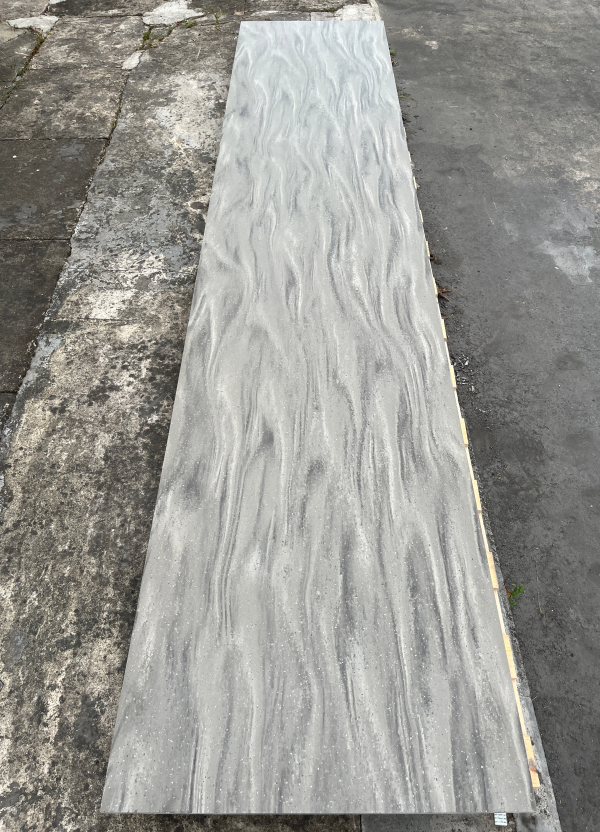
Solid Colors: From vibrant reds to deep blacks. Small Particulates: Mimics the look of sand or concrete. Large Particulates: Imitates the aggregate look of granite or terrazzo. Veined Patterns: Designed to look like marble with swirling veins.
This versatility means that whether your kitchen is ultra-modern, rustic farmhouse, or traditional, there is a solid surface sheet style to match. The ability to thermoform also allows for custom edge profiles that other materials cannot achieve.
Is solid surface good for kitchen countertops in the long run?
When thinking about return on investment, do solid surface kitchen countertops hold their value? While they may not boost home resale value as aggressively as quartz or granite, they are viewed as a quality upgrade over laminate or tile.
The longevity of the material is a major plus. A stone countertop with a chip is chipped forever. A solid surface sheet with a scratch can be restored to brand-new condition after ten years of use. This renewability means your kitchen can look fresh for longer without needing a full renovation.
Who should choose solid surface acrylic?
If you value seamless design, hygiene, and renewability, [solid surface acrylic] is an excellent choice. It offers the specific blend of durability and aesthetic flexibility that modern kitchens demand. We highly recommend exploring [solid surface acrylic] for your next project to ensure you get high-quality material that stands the test of time.
FAQ
Is solid surface good for kitchen countertops regarding heat resistance?
Solid surface kitchen countertops are heat resistant but not heat proof. They can withstand temperatures up to around 212°F, but prolonged exposure or direct contact with hot pans can cause damage. Always use a trivet or hot pad.
Can I cut directly on a solid surface sheet?
No. While the material is durable, a sharp knife will score the surface. These cuts can harbor bacteria and ruin the finish. Always use a cutting board on your countertops.
Does a solid surface sheet stain easily?
No. Solid surface kitchen countertops are non-porous, making them highly resistant to stains. Most spills wipe right off. Even stubborn stains like permanent marker can often be buffed out with an abrasive cleaner.
How do I repair scratches on my countertops?
Minor scratches can be repaired by the homeowner using a mild abrasive pad and cleaner. Deeper cuts in the solid surface sheet may require professional sanding to restore the uniform finish.
Are solid surface kitchen countertops cheaper than quartz?
Generally, yes. A solid surface sheet typically costs less per square foot than engineered quartz, making it a budget-friendly option for homeowners who still want a high-performance surface.
Can I install an integrated sink with these countertops?
Yes. One of the biggest advantages is the ability to install an integrated sink made from the same solid surface sheet material, creating a seamless, hygienic transition from counter to basin.
Contact Information
Email: sales7@surface-s.com
Phone: +86-13316717867
countertops
solid surface kitchen countertops
solid surface sheet
Related Blogs
-
 When renovating kitchens, bathrooms or commercial spaces, homeowners and designers often weigh different countertop materials. Acrylic solid surface is one of the most popular options, but a common question remains: is it durable enough for everyday use?Acrylic solid surface countertops are manufact
 -
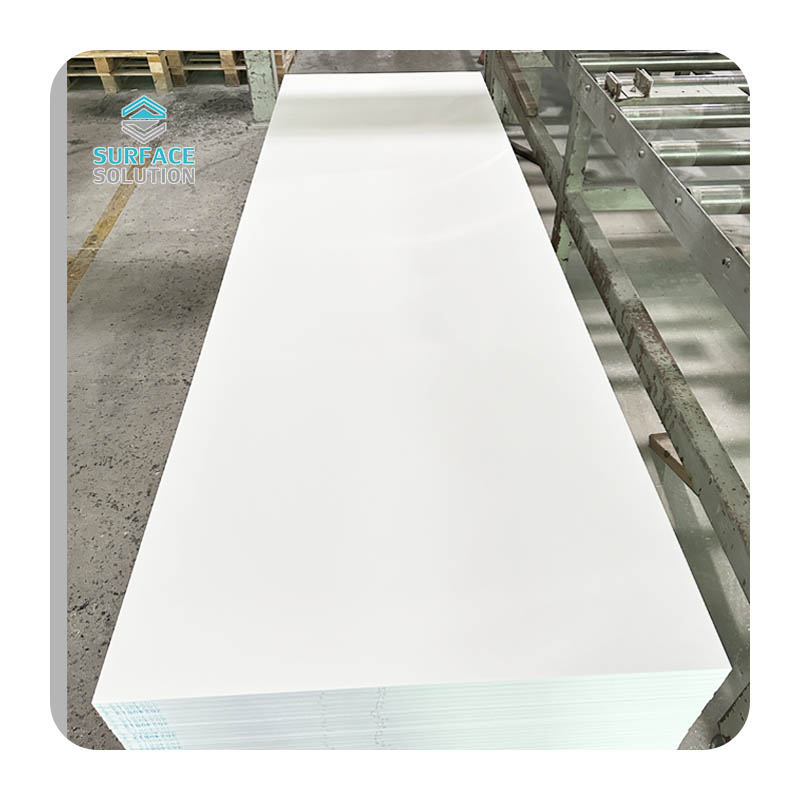 Acrylic solid surface is a premium engineered composite material widely used for kitchen countertops, vanity tops, wall panels, custom furniture and commercial interior projects. Many people confuse it with pure acrylic sheet or natural marble, but it is a carefully formulated blend of mineral powde
 -
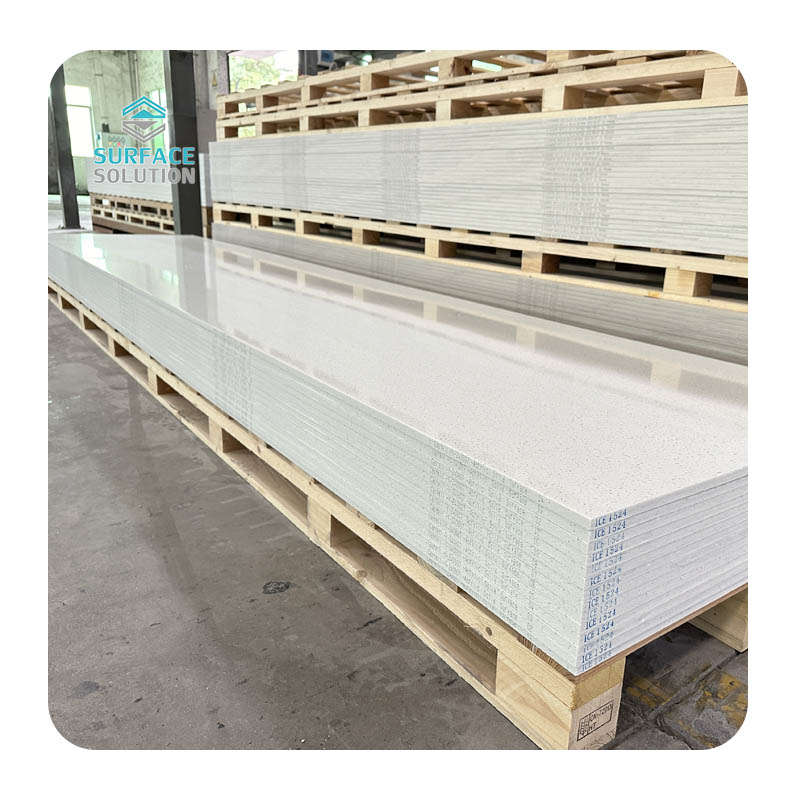 Kitchens and bathrooms are the most frequently used and easily worn spaces in residential and commercial buildings, where countertops face constant spills, moisture, friction, and daily stains. Compared with traditional materials such as natural marble, granite, quartz stone, and laminate, acrylic s
 -
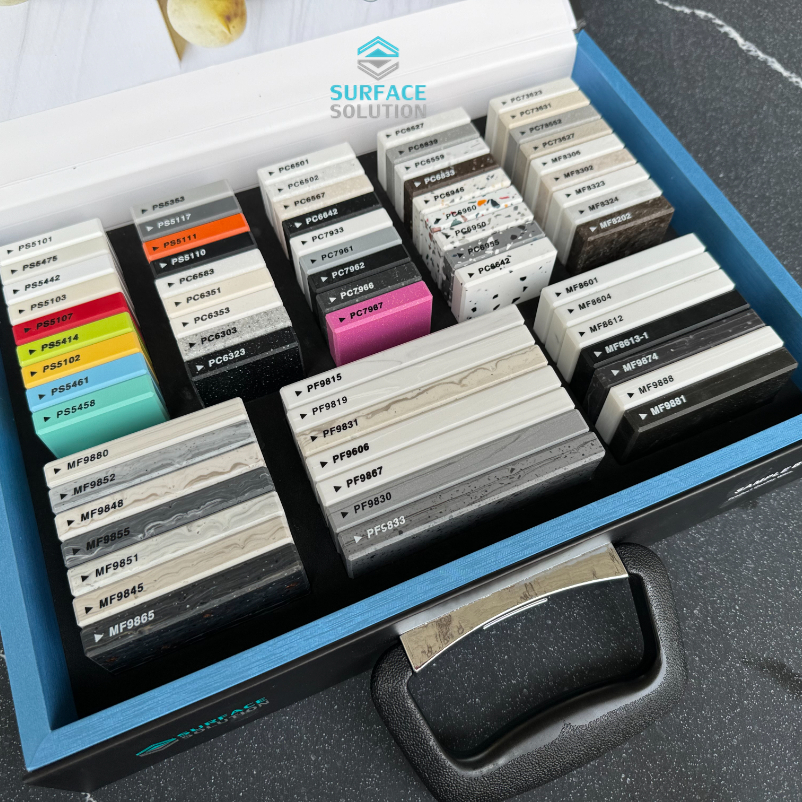 In modern commercial architecture and interior design, selecting durable, hygienic, and aesthetically versatile materials is critical to balancing long-term functionality and visual appeal. Commercial grade acrylic solid surface has emerged as a top-tier choice for high-traffic business spaces, wide


