Acrylic solid surface is a premium engineered composite material widely used for kitchen countertops, vanity tops, wall panels, custom furniture and commercial interior projects. Many people confuse it with pure acrylic sheet or natural marble, but it is a carefully formulated blend of mineral powder, acrylic polymer, pigments and functional additives. Every ingredient is precisely proportioned to create a homogeneous, non‑porous, repairable and thermoformable slab.
The largest component is Alumina Trihydrate (ATH), a white mineral filler refined from bauxite ore, accounting for roughly 60% to 67% of the finished solid surface. ATH delivers stone-like hardness, high density, opacity and natural flame retardant performance. It also helps resist stains and impacts, giving the material a solid stone feel instead of a lightweight plastic texture. Without this mineral filler, the composite would be soft and easy to deform under heat or pressure.
The second key raw material is acrylic resin (PMMA / Polymethyl Methacrylate), which acts as the binder and makes up about 30% to 35% of the formula. This acrylic polymer locks all mineral particles together into one solid mass. It brings the most valuable advantages of acrylic solid surface: seamless jointing, thermoforming ability, UV stability and excellent repairability. Fine scratches can be sanded and polished away to restore the original finish, because color and structure run through the full slab thickness, not just a surface coating. Products using pure PMMA acrylic resin perform better than modified versions mixed with polyester resin, especially for outdoor and long‑term commercial applications.
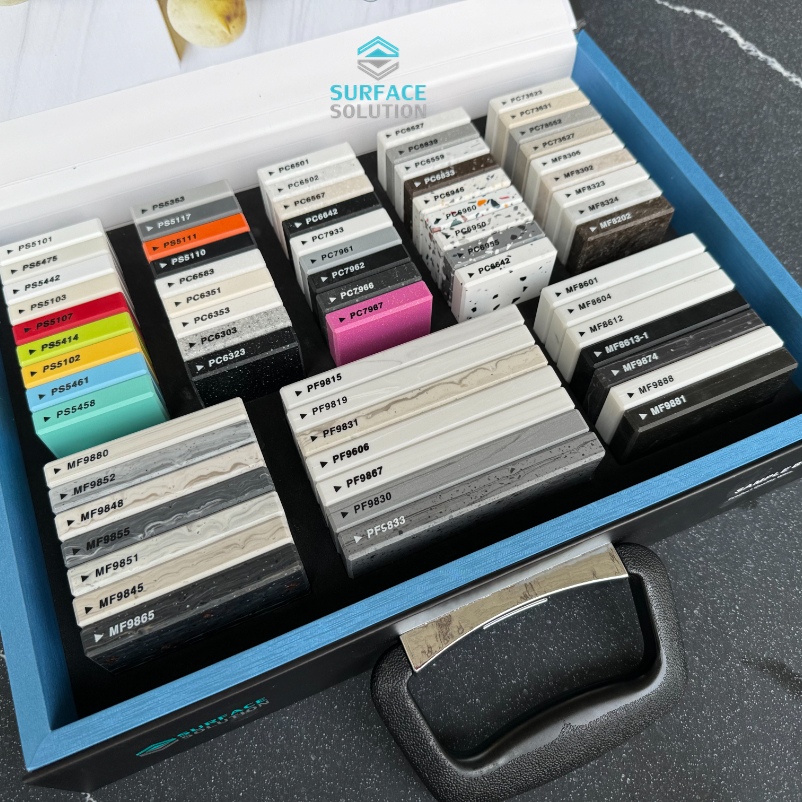
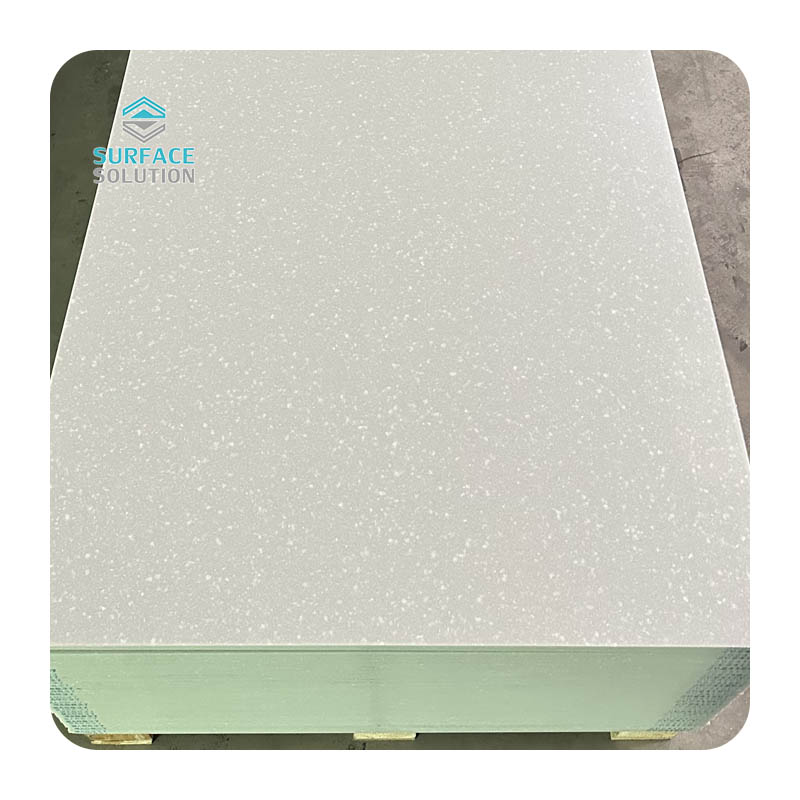
Small portions of color pigments and decorative chips are added during mixing, normally less than 5% of total weight. Pigments create solid colors, soft veining and marble or granite mimicking patterns. Decorative particles can be white flakes, translucent grains or colored aggregates to produce custom styles such as white jasmine particle, fish belly white and other popular designs. Manufacturers can adjust pigment formulas freely to meet custom color requests from designers and wholesalers.
Minor functional additives are also included in small doses. These agents control curing speed, improve flow during casting, reduce bubbles and enhance anti‑yellowing properties. They ensure stable production and consistent slab quality batch by batch.

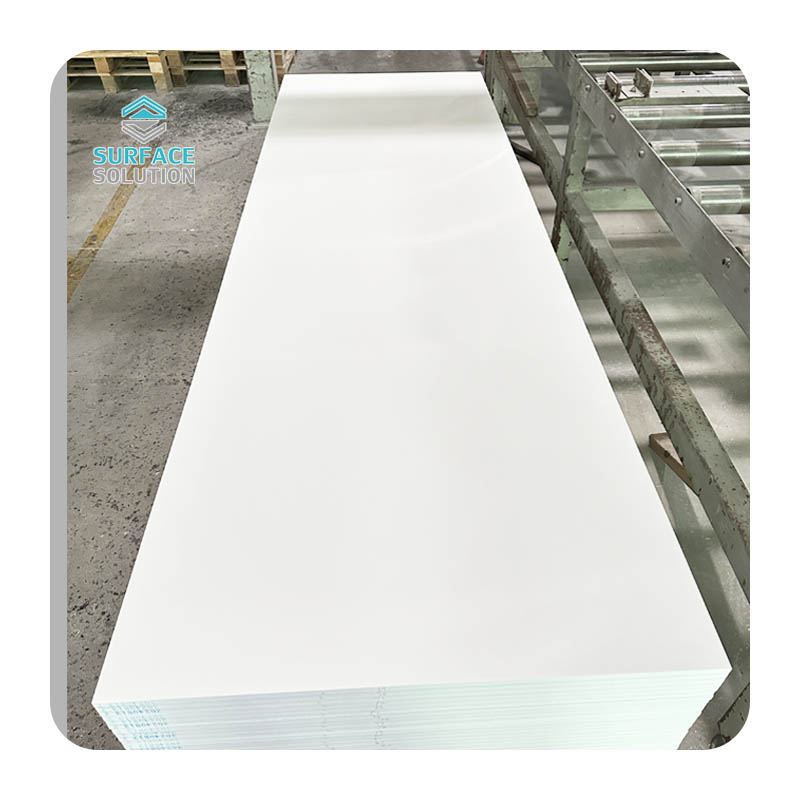
In production, all raw materials are fully blended under vacuum to eliminate air bubbles, then cast or compressed into large sheets. After curing, the slabs are trimmed, sanded and polished. The final material has no hollow layers. Unlike natural stone, it does not have hidden cracks. Unlike laminate, it has no printed surface film that can peel off.
Understanding what acrylic solid surface is made of explains its popularity in residential and hospitality projects. The balanced mix of ATH mineral and acrylic resin combines the beauty of natural stone with the practical benefits of man‑made materials. It remains a top choice for designers looking for customizable, hygienic and long‑lasting surfacing solutions.
Related Blogs
-
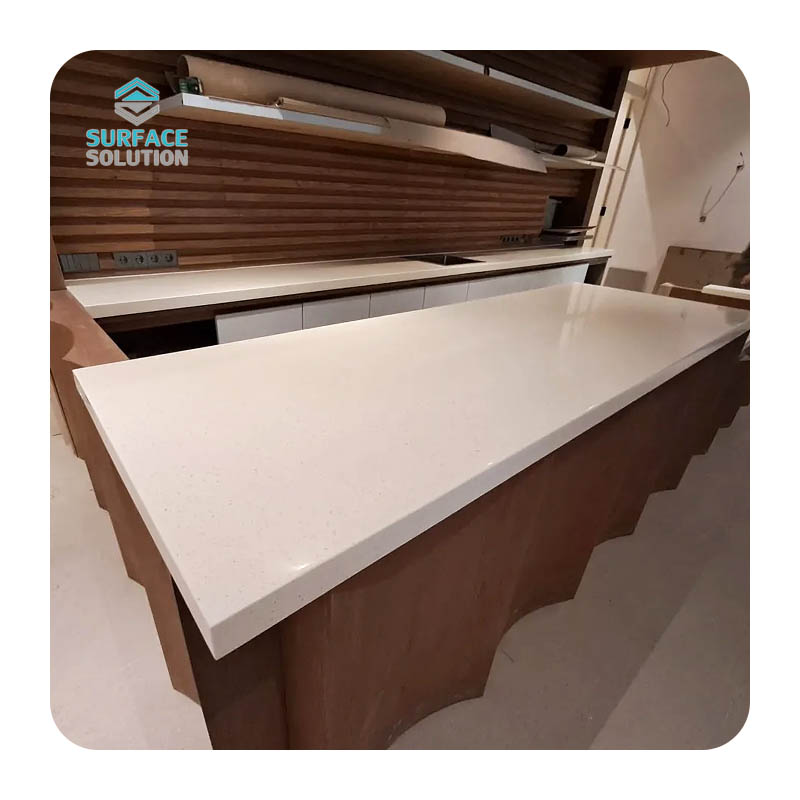 When homeowners and kitchen designers hunt for reliable countertop materials, stain resistance always sits near the top of the checklist. If you are considering acrylic solid surface for your kitchen, the short answer is: yes, it is highly stain-resistant for daily kitchen use, though it is not enti
-
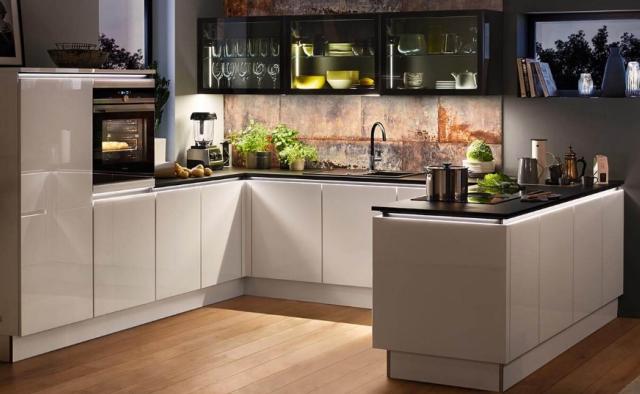 For wholesalers, designers and end users working with acrylic solid surface countertops, vanity sinks and table tops, scratches are one of the most common concerns. Many people wonder whether a scratched acrylic solid surface can be fixed, or if the slab has to be replaced once marks appear. The cle
-
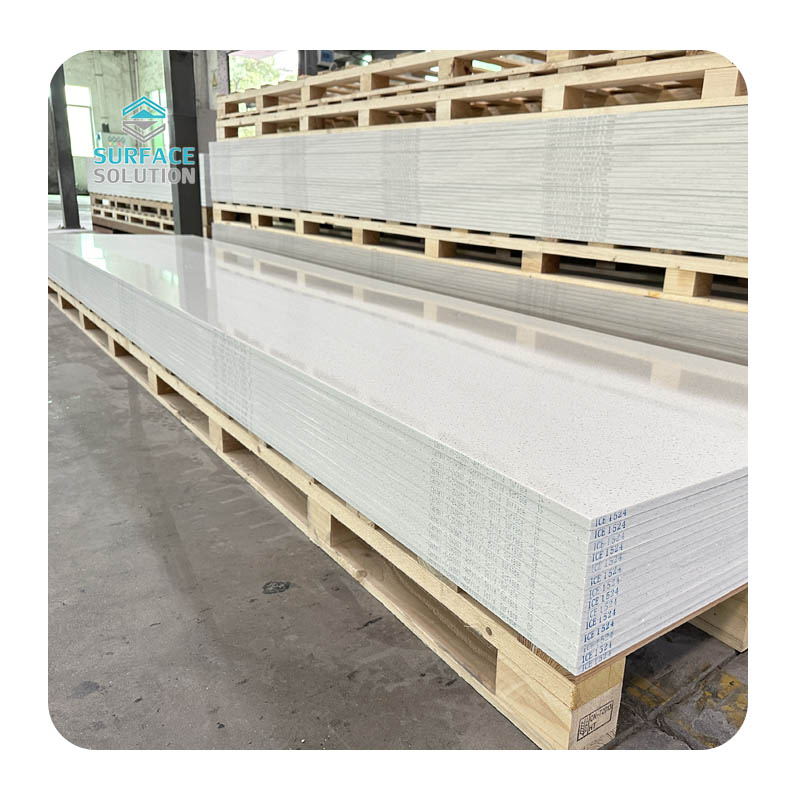 Many architects, bathroom renovators, wholesalers and homeowners ask the same question before choosing acrylic solid surface for countertops, vanity basins, shower walls and tabletops: will this material turn yellow as years go by? The simple answer is: high-quality pure acrylic solid surface rarely
-
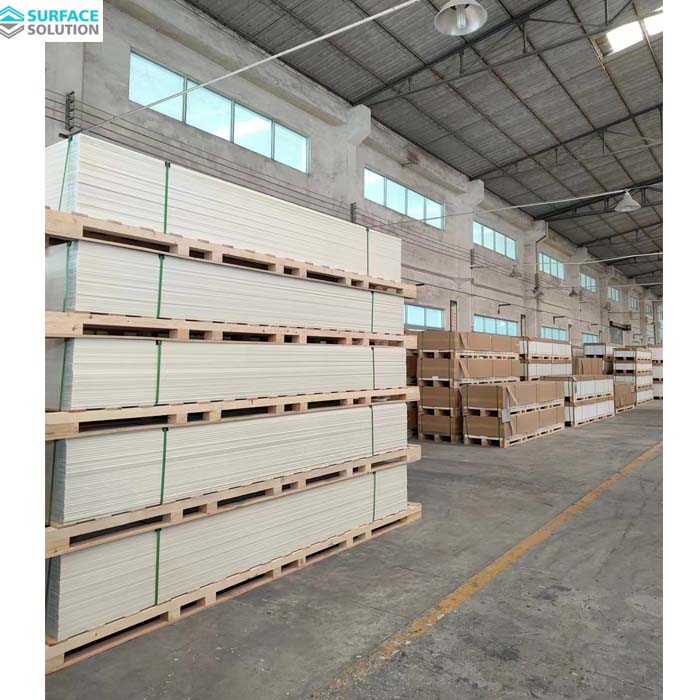 White acrylic solid surface remains a top-selling option for distributors, wholesalers and project contractors, widely specified for kitchen countertops, bathroom vanities, hotel vanity tops, commercial reception counters and custom tabletops. A common question from your downstream buyers is straigh