How to Pair Fixtures with Solid Surface Counters
Solid surface counters have become a staple in modern homes and commercial spaces alike, thanks to their seamless appearance, durability, and versatility. From kitchens to bathrooms, these surfaces—made from acrylic or polyester resins mixed with mineral fillers—offer a smooth, non-porous finish that complements a wide range of design styles. However, to truly elevate the look and functionality of your solid surface counters, pairing them with the right fixtures is essential. Whether you’re selecting faucets, sinks, handles, or other hardware, the key lies in balancing style, material compatibility, and practicality. Below is a comprehensive guide to help you make informed decisions and create a cohesive, polished space.
1. Start with a Clear Design Vision
Before choosing any fixtures, define the overall design style of your space.
Solid surface counters are incredibly adaptable, working well with everything from minimalist and contemporary to traditional and industrial aesthetics. Your fixture choices should align with this vision to avoid a disjointed look.
For minimalist or modern spaces, opt for fixtures with clean lines, sleek profiles, and neutral finishes. Think wall-mounted faucets with slim spouts, undermount sinks that blend seamlessly with the countertop, and handleless or low-profile hardware. Matte black, brushed nickel, or chrome finishes work particularly well here, as they add subtle contrast without overwhelming the counter’s smooth surface.
In
traditional or classic settings, embrace fixtures with more ornate details. Bridge faucets with curved spouts, drop-in sinks with decorative rims, and cabinet pulls with intricate designs can enhance the timeless appeal of
solid surface counters. Choose finishes like polished brass, oil-rubbed bronze, or antique silver to add warmth and character.
For industrial styles, lean into rugged, functional fixtures. Exposed brass or copper faucets, stainless steel farmhouse sinks, and metal hardware with a raw, unfinished look complement the solid surface's uniform appearance while adding an edgy touch.

2. Prioritize Material Compatibility
Solid surface counters are non-porous and resistant to stains, scratches, and heat (within reason), but not all fixture materials pair well with them in terms of durability and aesthetics. Here’s how to match fixture materials to your solid surface:
Stainless Steel Fixtures: This is one of the most versatile and popular choices. Stainless steel sinks and faucets complement nearly all solid surface colors—from white and beige to dark gray and black. They’re durable, easy to clean, and create a cohesive look in kitchens, especially when paired with stainless steel appliances. Opt for a sink gauge between 16 and 18 for optimal durability without being too heavy.
Brass/Copper Fixtures: These warm metals add a touch of luxury to solid surface counters. Brass works beautifully with creamy or warm-toned solid surfaces (e.g., almond, sand, or light brown), while copper pairs well with darker counters (e.g., charcoal, black, or deep blue). Note that brass and copper will develop a patina over time, which can add charm, but you can also polish them regularly to maintain a bright finish.
Matte Black Fixtures: A trending choice for modern spaces, matte black fixtures create a striking contrast with light-colored solid surface counters (e.g., white, ivory, or light gray). They also add depth to dark counters without creating a harsh divide. Look for fixtures with a scratch-resistant matte coating to ensure longevity.
Chrome Fixtures: Chrome’s reflective finish adds a sleek, contemporary vibe to solid surface counters. It works well with both light and dark surfaces and is incredibly easy to clean—just wipe with a damp cloth. Chrome is also budget-friendly, making it a great option for those looking to balance style and cost.
3. Match Fixture Size to Counter Dimensions
Proportion is key when pairing fixtures with solid surface counters. A large, bulky faucet will look out of place on a small bathroom counter, while a tiny sink will be impractical on a spacious kitchen island. Here’s how to get the size right:
In kitchens: The sink should be proportional to the counter’s length and the cooktop’s size. For a standard 30-40 inch counter, a 22-25 inch sink is ideal. If you have a large island (60 inches or more), consider a double-basin sink or a single large basin (30 inches or more) to accommodate large pots and pans. The faucet’s spout height should also be considered—tall spouts (8-10 inches) are great for filling large containers, while shorter spouts (4-6 inches) work well in compact spaces.
In bathrooms: For vanities under 36 inches, a single undermount or vessel sink (16-18 inches in diameter) is best. Larger vanities (48 inches or more) can accommodate double sinks (each 18-20 inches) or a single large sink. Faucets should be sized to match the sink—vessel sinks often require taller faucets (6-8 inches) to reach over the basin, while undermount sinks work with standard-height faucets (4-6 inches).
Also, consider the distance between fixtures. In kitchens, leave at least 4 inches between the sink and the cooktop to ensure ample workspace. In bathrooms, leave 8-10 inches between the faucet and the mirror to avoid splashing.
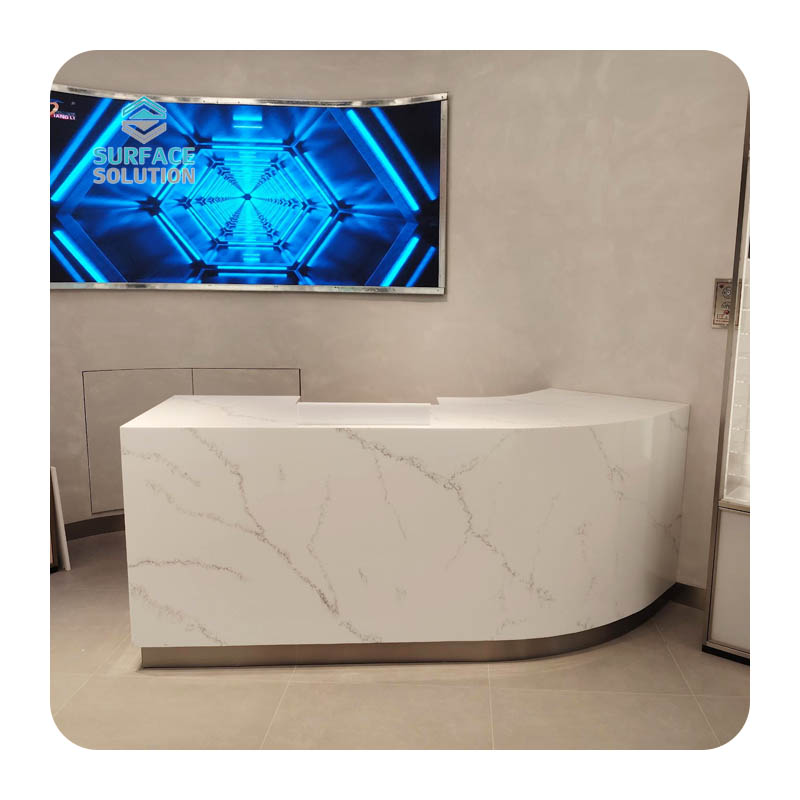
4. Coordinate Finishes for a Cohesive Look
To create a unified space, coordinate the finish of your fixtures with other hardware in the room. This includes cabinet handles, drawer pulls, light fixtures, and even appliances (in kitchens).
For example, if you choose a brushed nickel faucet for your kitchen solid surface counter, pair it with brushed nickel cabinet pulls and a matching range hood. In a bathroom, a matte black faucet can be complemented by matte black towel bars, toilet paper holders, and light fixtures. Mixing finishes can work, but it should be done intentionally—stick to 2-3 complementary finishes (e.g., brass + chrome, matte black + brushed gold) to avoid a cluttered look.
Another tip: Match the finish of the sink to the faucet for a seamless appearance. A stainless steel sink pairs best with a stainless steel or chrome faucet, while a black composite sink works well with matte black or brass fixtures.
5. Consider Functionality and Lifestyle
While style is important, fixtures should also meet your practical needs. Think about how you use the space on a daily basis to make the right choices:
In kitchens: If you do a lot of heavy cooking, opt for a deep sink with a high-arc faucet to make cleaning easier. Pull-down or pull-out faucets are also convenient for washing large items and cleaning the sink. For those who prefer a clean look, a touchless faucet can reduce the spread of germs and keep the countertop free of water spots.
In bathrooms: If you have children or pets, a faucet with a pull-out sprayer can make bathing and cleaning the sink easier. Vessel sinks are stylish but may not be the best choice for small children, as they’re harder to reach. Undermount sinks are easier to clean, as there’s no rim to trap dirt and grime.
Also, consider the maintenance requirements of the fixtures. Solid surface counters are low-maintenance, so choose fixtures that are equally easy to care for. Stainless steel and chrome are resistant to tarnishing and can be cleaned with mild soap and water, while brass and copper require occasional polishing to maintain their shine.
6. Test Samples Before Making a Final Decision
Before purchasing fixtures, it’s a good idea to test samples of both the fixtures and the solid surface countertop together. Lighting can significantly affect how colors and finishes appear—what looks great in a showroom may look different in your home. Bring home samples of the countertop material and place them next to fixture samples in the room where they’ll be installed. Check how they look in natural light, artificial light, and at different times of the day to ensure you’re happy with the pairing.
You can also visit home improvement stores to see fixtures installed with solid surface counters in display kitchens or bathrooms. This will give you a better idea of how the pairing will look in a real-world setting.
Final Thoughts
Pairing fixtures with solid surface counters is all about balancing style, compatibility, and functionality. By starting with a clear design vision, prioritizing material compatibility, matching sizes, coordinating finishes, considering your lifestyle, and testing samples, you can create a space that’s both beautiful and practical. Remember, solid surface counters are incredibly versatile—don’t be afraid to experiment with different fixture styles and finishes to create a look that’s uniquely yours. With the right pairings, your solid surface counters will be the focal point of the room, enhancing the overall aesthetic and value of your home.


 White acrylic solid surface remains a top-selling option for distributors, wholesalers and project contractors, widely specified for kitchen countertops, bathroom vanities, hotel vanity tops, commercial reception counters and custom tabletops. A common question from your downstream buyers is straigh
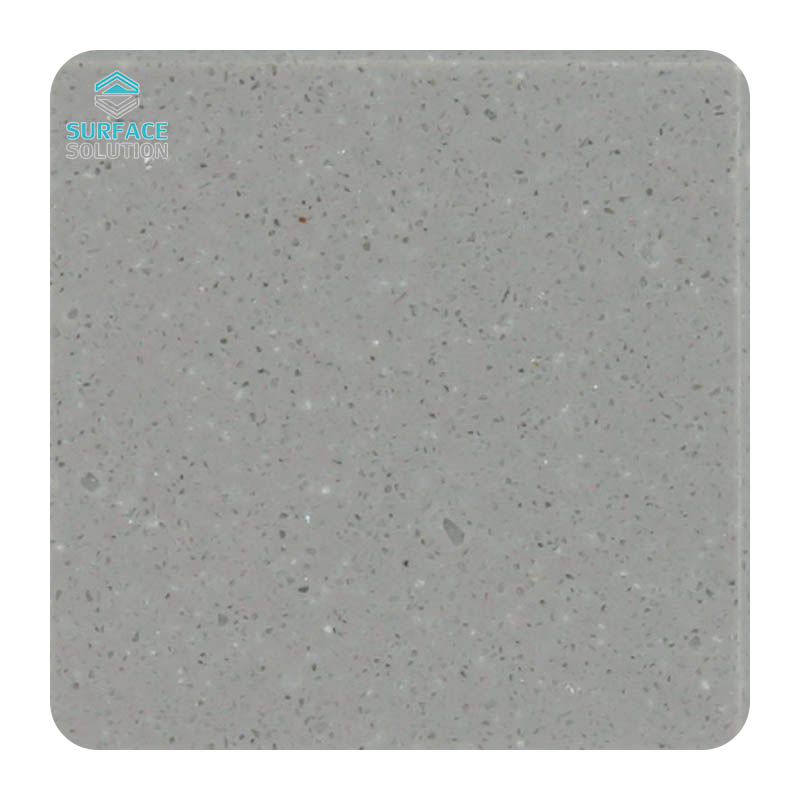 When renovating kitchens, bathrooms or commercial spaces, homeowners and designers often weigh different countertop materials. Acrylic solid surface is one of the most popular options, but a common question remains: is it durable enough for everyday use?Acrylic solid surface countertops are manufact
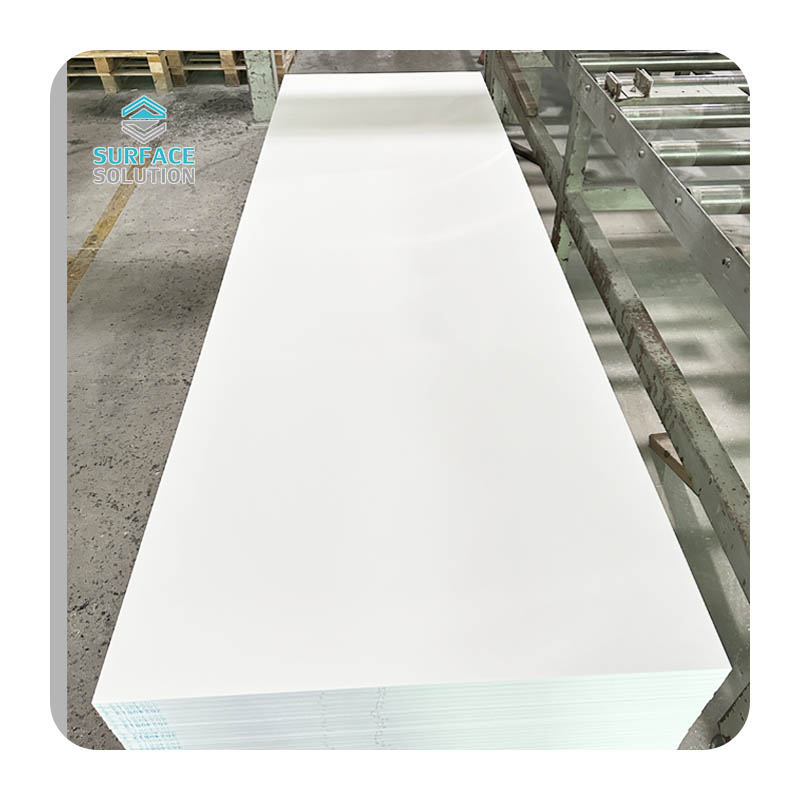 Acrylic solid surface is a premium engineered composite material widely used for kitchen countertops, vanity tops, wall panels, custom furniture and commercial interior projects. Many people confuse it with pure acrylic sheet or natural marble, but it is a carefully formulated blend of mineral powde
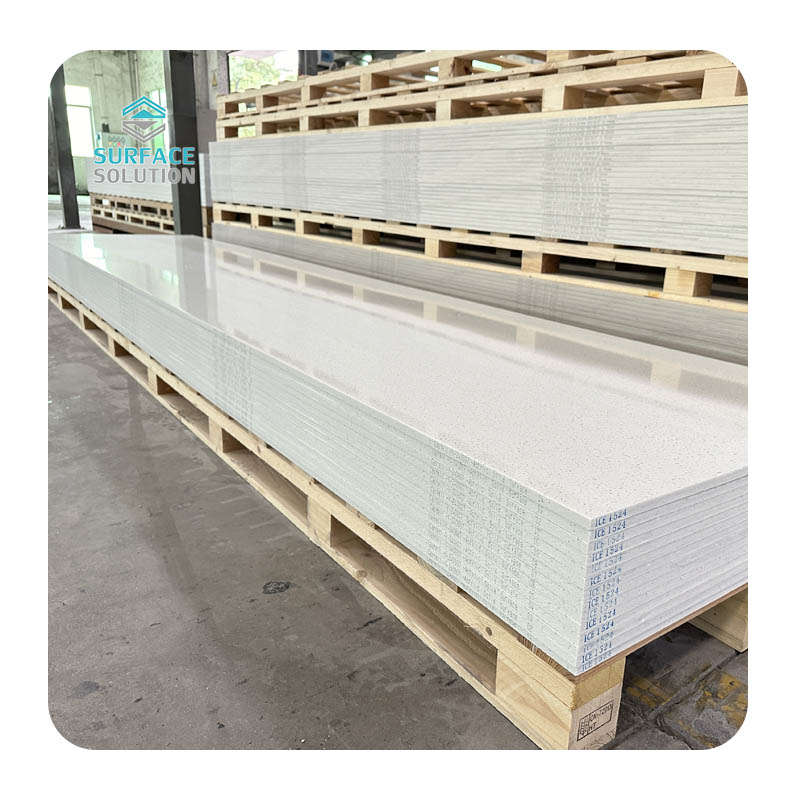 Kitchens and bathrooms are the most frequently used and easily worn spaces in residential and commercial buildings, where countertops face constant spills, moisture, friction, and daily stains. Compared with traditional materials such as natural marble, granite, quartz stone, and laminate, acrylic s


