Acrylic solid surface has long been celebrated for its versatility, seamless finish, and durability, making it a staple in kitchens, bathrooms, retail spaces, and hospitality venues. But in an era where technology reshapes design possibilities, this man-made material is undergoing a transformative evolution—blending cutting-edge innovations with its inherent strengths to redefine both functionality and aesthetics. From precision-driven 3D modeling that eliminates design limitations to smart coatings that enhance hygiene and longevity, technology is unlocking acrylic’s full potential in ways that align with modern consumers’ demands for practicality, sustainability, and visual appeal. This article explores how key technological advancements are integrating with acrylic solid surface designs, backed by real-world residential and commercial case studies, to illustrate how these innovations deliver tangible value while pushing the boundaries of what’s possible in interior and exterior design.
3D Modeling & Digital Fabrication: Precision, Customization, and Waste Reduction
Gone are the days of relying on manual measurements and guesswork for acrylic solid surface installations. 3D modeling software—such as AutoCAD, SketchUp, and Fusion 360—has revolutionized the design process, enabling architects, designers, and fabricators to create highly accurate, detailed digital prototypes of acrylic surfaces before production begins. This technology not only ensures a perfect fit for complex spaces (e.g., curved countertops, custom vanities, or irregularly shaped retail displays) but also minimizes material waste and reduces installation errors, saving time and costs for both designers and clients.
Residential Case Study: Curved Acrylic Kitchen Island
A homeowner in Los Angeles wanted a statement-making curved kitchen island with a seamless acrylic countertop that flowed into a breakfast bar. Using 3D modeling, the design team scanned the kitchen space to create a digital blueprint, testing different curve radii and dimensions to ensure the island fit perfectly without disrupting traffic flow. The digital model also allowed the homeowner to visualize the finished product—adjusting color (a matte white acrylic with subtle veining) and edge profiles—before fabrication. The fabricator then used CNC (Computer Numerical Control) machining, guided by the 3D model, to cut the acrylic with precision, achieving a seamless curve that would have been nearly impossible with manual methods. The result: a functional, visually striking island that maximizes space and reflects the homeowner’s unique style—all made possible by digital design and fabrication.
Commercial Application: Retail Display Walls
A luxury skincare brand sought to create immersive retail spaces with custom acrylic display walls that showcased products while maintaining a sleek, minimalist aesthetic. Using 3D modeling, the design team collaborated with fabricators to create modular acrylic panels with integrated LED lighting and hidden storage compartments. The digital model allowed for quick iterations—adjusting panel thickness, light placement, and assembly methods—to optimize both form and function. CNC cutting ensured each panel fit together seamlessly, while 3D-printed prototypes tested the structural integrity of the design before full-scale production. The final display walls not only enhance the brand’s premium image but also improve functionality: the acrylic’s transparency highlights products, the LED lighting creates a warm glow, and the modular design allows for easy reconfiguration as product lines change. By leveraging 3D modeling and digital fabrication, the brand achieved a balance of aesthetics and practicality that resonated with customers and boosted in-store engagement.
Smart Coatings: Antibacterial Protection, Durability, and Low Maintenance
In an age where hygiene and sustainability are top priorities, smart coatings are transforming acrylic solid surface into a more resilient, low-maintenance material. Two key innovations stand out: antibacterial coatings and self-healing finishes. Antibacterial coatings—infused with silver ions or zinc oxide—kill up to 99.9% of bacteria (such as E. coli and Staphylococcus aureus) on the surface, making acrylic ideal for high-traffic areas like kitchens, bathrooms, and healthcare facilities. Self-healing coatings, meanwhile, use microcapsules that release a repairing agent when the surface is scratched, minimizing damage and extending the material’s lifespan.
Healthcare Case Study: Hospital Exam Rooms
A regional hospital in Chicago sought to upgrade its exam rooms with surfaces that were easy to clean, hygienic, and durable—critical for preventing the spread of infections. The facility chose acrylic solid surface with an antibacterial coating for exam tables, countertops, and wall panels. The coating’s ability to inhibit bacterial growth reduced the risk of cross-contamination, while the acrylic’s non-porous surface made it easy to disinfect with harsh cleaning agents (without damaging the material). Nurses and staff reported that the surfaces stayed cleaner longer, reducing cleaning time by 30%, while patients appreciated the modern, sterile aesthetic. After six months of use, the hospital noted a 25% decrease in surface-related infections in the upgraded rooms—proving that smart coatings can have a tangible impact on public health.
Residential Application: Family Kitchens
A family with young children in Austin, Texas, wanted a kitchen countertop that could withstand spills, scratches, and frequent use while remaining hygienic. They opted for acrylic solid surface with a self-healing antibacterial coating. Over two years of use, the countertop endured spills (juice, sauce, milk), scratches from utensils, and daily cleaning—yet retained its original shine and smoothness. The antibacterial coating gave the family peace of mind, knowing that food preparation surfaces were resistant to harmful bacteria, while the self-healing finish eliminated the need for costly repairs. The homeowner noted: “We used to worry about stains and scratches, but this countertop just bounces back. It’s perfect for a busy family—functional, easy to care for, and still looks great.”
IoT Integration: Smart Surfaces for Connected Spaces
The Internet of Things (IoT) is taking acrylic solid surface design to the next level, transforming static surfaces into interactive, connected elements of smart homes and commercial spaces. Embedded sensors, touch-sensitive technology, and wireless connectivity allow acrylic surfaces to serve dual purposes—acting as both functional fixtures and digital interfaces. For example, acrylic countertops can be equipped with temperature sensors to monitor food freshness, touch-sensitive controls for lighting or appliances, or even embedded displays that show recipes, calendar reminders, or product information.
Smart Home Case Study: Connected Bathroom Vanity
A tech-savvy homeowner in San Francisco installed a custom acrylic bathroom vanity with IoT integration. The vanity’s acrylic countertop features a hidden touch-sensitive panel that controls under-cabinet lighting (adjusting brightness and color temperature) and a built-in humidity sensor that triggers the bathroom fan when moisture levels rise. The vanity also includes a wireless charging pad embedded in the acrylic surface, allowing the homeowner to charge phones and smartwatches without cluttering the space. The 3D-modeled design ensured that all sensors and electronics were seamlessly integrated into the acrylic, maintaining its sleek, seamless appearance. The homeowner praised the vanity’s functionality: “It’s amazing how a simple surface can make daily routines easier. The lighting adjusts to my mood, the fan turns on automatically, and I never have to hunt for a charging cable—all while the vanity looks clean and modern.”
Commercial Case Study: Interactive Restaurant Bar Top
A trendy restaurant in New York City wanted to create a unique dining experience that blended technology with design. The restaurant installed a custom acrylic bar top with embedded touchscreen displays and LED lighting. Patrons can use the touchscreen to browse the menu, place orders, or even play games while waiting for food—all without lifting their phones. The LED lighting changes color to match the restaurant’s mood (warm tones for dinner service, vibrant hues for weekend nights) and can be synced with music. The acrylic’s durability ensures that the bar top withstands spills, scratches, and heavy use, while its transparency enhances the visibility of the embedded technology. The restaurant reported a 40% increase in customer engagement and a 15% boost in repeat business, thanks to the interactive bar top—proving that IoT integration can turn acrylic surfaces into a competitive advantage.
Sustainability-Focused Technology: Eco-Friendly Production and Recycling
As consumers and businesses prioritize sustainability, technology is making acrylic solid surface a more eco-friendly choice. Innovations in production processes—such as water-based adhesives, low-VOC (volatile organic compound) coatings, and energy-efficient manufacturing—reduce the material’s environmental impact. Additionally, recycling technologies now allow post-consumer acrylic waste (e.g., old countertops, display panels) to be ground into pellets and reused in new products, closing the loop on waste.
Case Study: Eco-Conscious Office Renovation
A green-focused marketing firm in Portland, Oregon, renovated its office using acrylic solid surface made from 30% recycled materials. The acrylic surfaces—used for desks, conference tables, and breakroom countertops—were produced using energy-efficient CNC machining and low-VOC coatings, reducing the renovation’s carbon footprint. The firm also worked with a local fabricator that offered a take-back program, ensuring that the acrylic surfaces could be recycled at the end of their lifespan. Employees appreciated the eco-friendly design, which aligned with the company’s values, while clients noted that the modern, sustainable workspace reflected the firm’s commitment to environmental responsibility. The renovation not only improved employee productivity and satisfaction but also helped the firm attract new clients who prioritize sustainability.
Conclusion
Technology is not just enhancing acrylic solid surface design—it’s redefining its role in modern spaces. From 3D modeling and digital fabrication that enable precision customization to smart coatings that boost hygiene and durability, IoT integration that creates interactive experiences, and sustainability-focused innovations that reduce environmental impact, these advancements are making acrylic a more versatile, functional, and desirable material than ever before. Whether in residential kitchens, healthcare facilities, retail spaces, or smart offices, the fusion of technology and acrylic solid surface design delivers tangible value: improved functionality, enhanced aesthetics, reduced costs, and a better user experience. As technology continues to evolve, we can expect even more exciting innovations—from self-cleaning surfaces to AI-integrated interfaces—that will further unlock acrylic’s potential. For designers, homeowners, and businesses alike, embracing these technological advancements means creating spaces that are not only beautiful and practical but also future-ready. Acrylic solid surface, once a reliable workhorse, is now a canvas for innovation—proving that when technology and design collide, the possibilities are endless.


 White acrylic solid surface remains a top-selling option for distributors, wholesalers and project contractors, widely specified for kitchen countertops, bathroom vanities, hotel vanity tops, commercial reception counters and custom tabletops. A common question from your downstream buyers is straigh
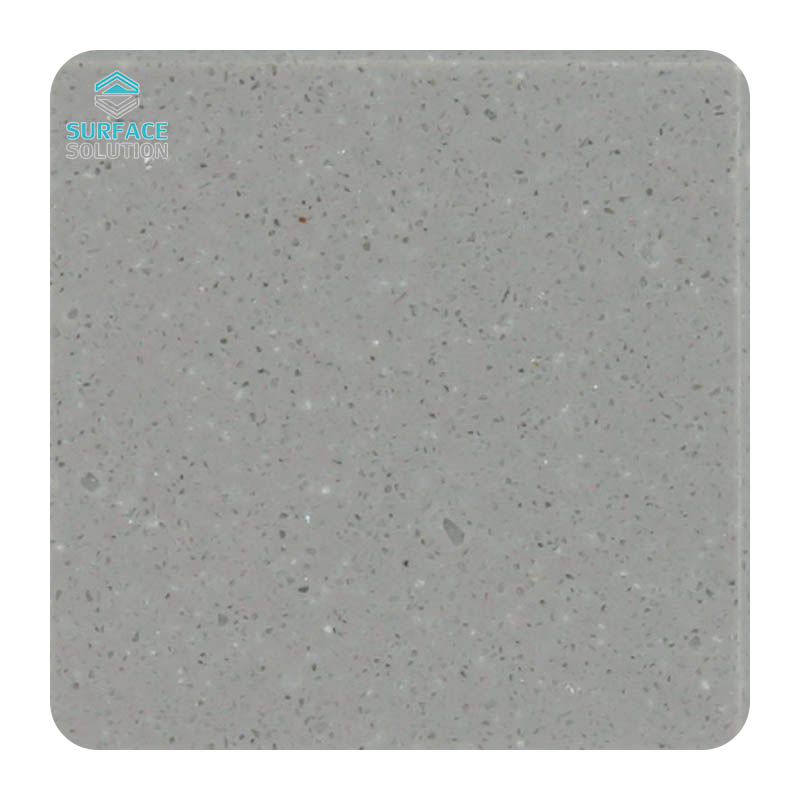 When renovating kitchens, bathrooms or commercial spaces, homeowners and designers often weigh different countertop materials. Acrylic solid surface is one of the most popular options, but a common question remains: is it durable enough for everyday use?Acrylic solid surface countertops are manufact
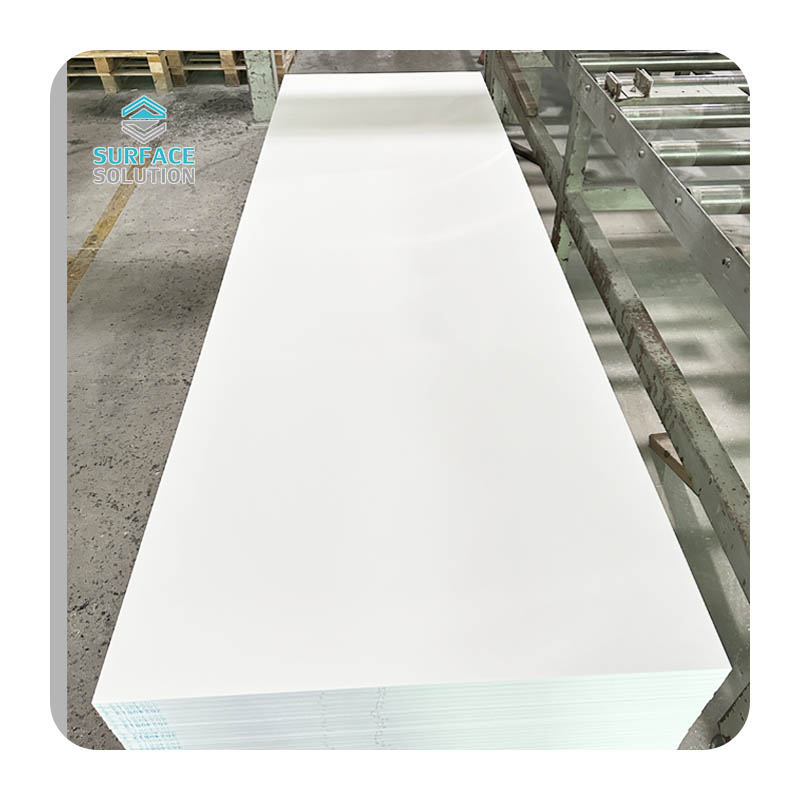 Acrylic solid surface is a premium engineered composite material widely used for kitchen countertops, vanity tops, wall panels, custom furniture and commercial interior projects. Many people confuse it with pure acrylic sheet or natural marble, but it is a carefully formulated blend of mineral powde


