


Artificial Stone vs. Natural Stone: Which Is Better?


Granite: Igneous rock (hard, quartz-rich)
Marble: Metamorphic rock (calcite-based, veined)
Limestone: Sedimentary rock (soft, fossil-rich)
Slate: Metamorphic rock (layered, slip-resistant)
70–90% crushed natural stone aggregates (quartz, marble chips, or recycled stone)
10–30% resin binders (polyester or epoxy)
Pigments and additives (for color, UV resistance, or stain protection)
Natural Stone: Varies by type. Granite (Mohs hardness 6–7) is highly scratch-resistant—even to knives—making it ideal for kitchen countertops. Marble (Mohs hardness 3–4) and limestone, however, are softer and prone to scratches or etching from acidic substances (lemon juice, vinegar). Slate resists impacts but can chip if struck hard.
Artificial Stone: Most variants (especially quartz-based) have a Mohs hardness of 5–6, offering solid scratch resistance for daily use. The resin binder adds flexibility, reducing the risk of cracking from minor impacts—though heavy blows (e.g., dropping a cast-iron pan) can still cause damage.
Natural Stone: Porous by nature. Granite and slate have low porosity (if sealed), but marble and limestone absorb liquids easily. Unsealed natural stone will stain from coffee, wine, or oil—and in bathrooms, trapped moisture can lead to mold growth. Regular sealing (every 6–12 months for marble; 1–2 years for granite) is mandatory to maintain protection.
Artificial Stone: Non-porous (thanks to resin binders). Liquids cannot seep into the material, so stains are rare and easy to clean with a damp cloth and mild soap. No sealing is required—even in humid bathrooms or messy kitchen environments.
Natural Stone: Exceptional. Granite and slate can withstand extreme heat (e.g., placing a hot pan directly from the stove) without warping or discoloration. Marble may darken temporarily under heat but will not crack.
Artificial Stone: Moderate heat resistance only. Most can handle hot mugs or plates, but extreme heat (above 150°C/300°F) melts the resin binder, causing discoloration, bubbling, or cracking. Heat trivets are a must for kitchen use.
Unique Character: Each slab has one-of-a-kind veining, mineral inclusions, or fossil traces (e.g., shells in limestone). These “flaws” tell a story of the earth’s history, adding depth and authenticity to spaces. For example, a marble slab might have a random gold vein that becomes the focal point of a kitchen.
Color Limitations: Shades are dictated by nature. While granite offers rich blacks, grays, and reds, marble is often limited to whites, creams, and soft grays. Rare colors (e.g., blue marble) are expensive and hard to source.
Consistency: Every slab matches perfectly—no unexpected veining or color shifts. This is a boon for large projects (e.g., a commercial lobby wall) where uniformity is key.
Customization: Manufacturers offer endless color and pattern options. You can find artificial stone that mimics rare natural stones at a lower cost, or bold hues (e.g., emerald green, terracotta) that don’t exist in nature. Some even incorporate recycled glass or metallic flecks for a modern twist.
Criticism: For some, artificial stone lacks “warmth.” Its uniform appearance can feel “plastic-like” compared to the organic texture of natural stone—especially in traditional or rustic designs.
Price Range: Wide variation. Basic limestone or slate costs
100 per square foot (installed). Premium granite or marble (e.g., Statuario marble) can reach50–400 per square foot. Rare stones require importing, adding shipping and handling fees.200–
Long-Term Value: Natural stone is a luxury investment. It retains value over time—homes with granite countertops or marble floors often sell faster. However, repairs (e.g., fixing a cracked marble slab) are costly, and replacement may require matching hard-to-find slabs.
Price Range: More budget-friendly. Most quartz-based artificial stones cost
120 per square foot (installed)—competitive with mid-range natural stones. Basic acrylic solid surfaces (e.g., Corian) can be as low as $40 per square foot.60–
Long-Term Savings: No sealing costs, minimal maintenance, and consistent availability reduce long-term expenses. Damaged slabs are easier to replace (since patterns are uniform), and the material’s durability means it rarely needs repairs.
Pros: 100% natural, non-toxic, and biodegradable. It can be recycled or repurposed (e.g., old granite slabs used as garden pavers) at the end of its life.
Cons: Quarrying destroys habitats, disrupts ecosystems, and consumes large amounts of energy (for cutting and transporting heavy slabs). Waste is common—up to 30% of quarried stone is discarded as offcuts.
Pros: Many manufacturers use recycled materials (e.g., post-industrial stone waste, recycled glass) in their aggregates, reducing the need for new quarrying. The controlled production process minimizes waste, and slabs are lighter (lower transportation emissions).
Cons: Resin binders (especially polyester) may release volatile organic compounds (VOCs) during production. Artificial stone is not biodegradable, and recycling it is difficult (due to the mix of minerals and resin).
Choose Natural Stone (Granite/Slate) if: You prioritize heat resistance (no need for trivets) and want a unique, high-end look. Budget for sealing and occasional polishing.
Choose Artificial Stone (Quartz) if: You want low maintenance (no sealing), stain resistance, and consistent color. Use heat trivets to protect against damage.
Choose Natural Stone (Marble/Granite) if: You love marble’s luxury veining and don’t mind sealing every 6 months to prevent mold. Avoid marble in shower floors (slips easily).
Choose Artificial Stone if: You want a hygienic, mold-resistant surface with minimal upkeep. Opt for UV-resistant variants if the bathroom has large windows.
Choose Natural Stone (Slate/Granite) if: You need extreme weather resistance (freeze-thaw cycles, direct sunlight). It won’t fade or warp outdoors.
Choose Artificial Stone only if: It’s specifically labeled “outdoor-grade” (with UV and heat resistance). Standard artificial stone will fade or crack in harsh weather.
Choose Natural Stone if: You want a luxury aesthetic to attract customers (e.g., a marble lobby). Budget for regular maintenance.
Choose Artificial Stone if: You need durability for high traffic, consistent branding (matching slabs), and low upkeep (no closures for sealing).
What’s my top priority (aesthetics, maintenance, cost, or sustainability)?
Will the space be used heavily (e.g., a family kitchen) or for display (e.g., a formal dining room)?
Do I prefer unique character or uniform design?
Related Blogs
-
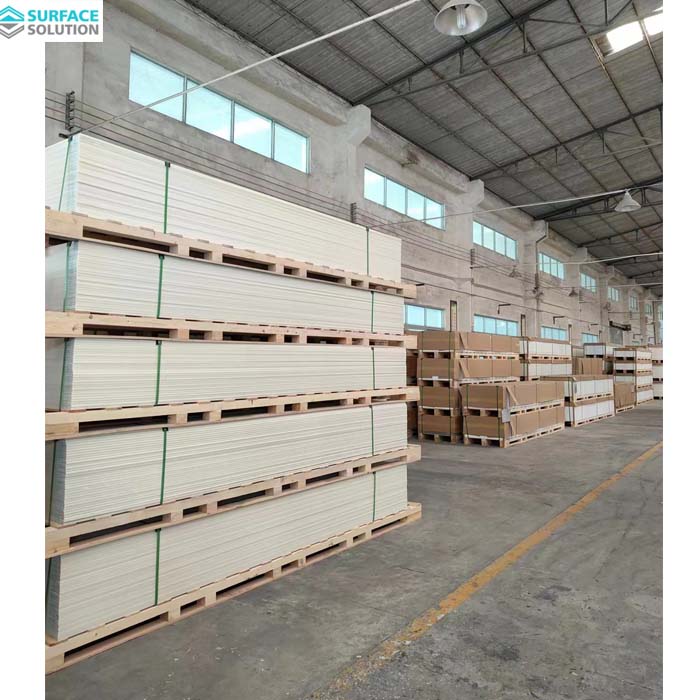 White acrylic solid surface remains a top-selling option for distributors, wholesalers and project contractors, widely specified for kitchen countertops, bathroom vanities, hotel vanity tops, commercial reception counters and custom tabletops. A common question from your downstream buyers is straigh
 -
 When renovating kitchens, bathrooms or commercial spaces, homeowners and designers often weigh different countertop materials. Acrylic solid surface is one of the most popular options, but a common question remains: is it durable enough for everyday use?Acrylic solid surface countertops are manufact
 -
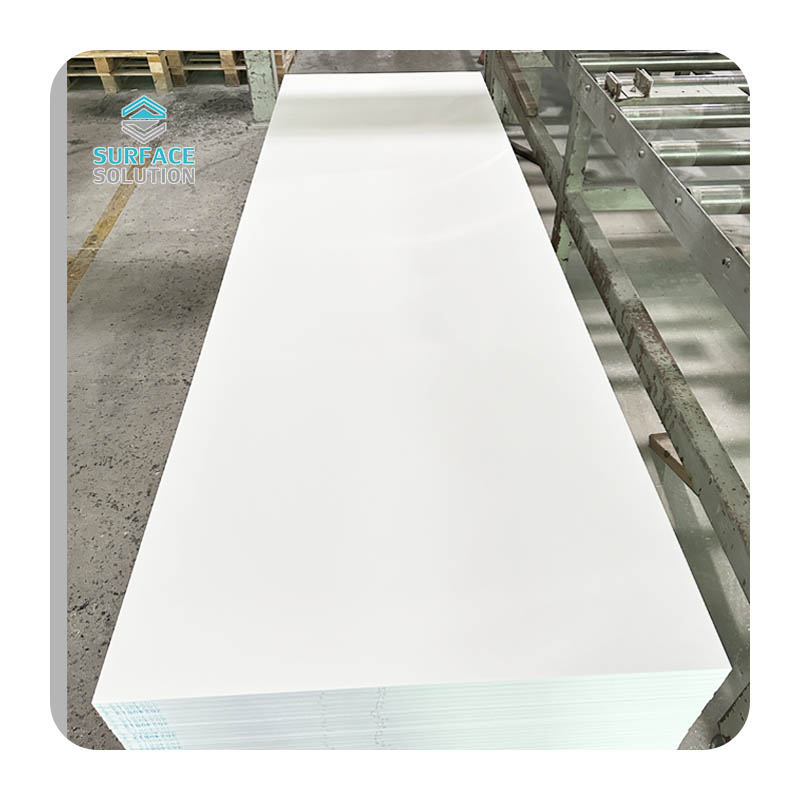 Acrylic solid surface is a premium engineered composite material widely used for kitchen countertops, vanity tops, wall panels, custom furniture and commercial interior projects. Many people confuse it with pure acrylic sheet or natural marble, but it is a carefully formulated blend of mineral powde
 -
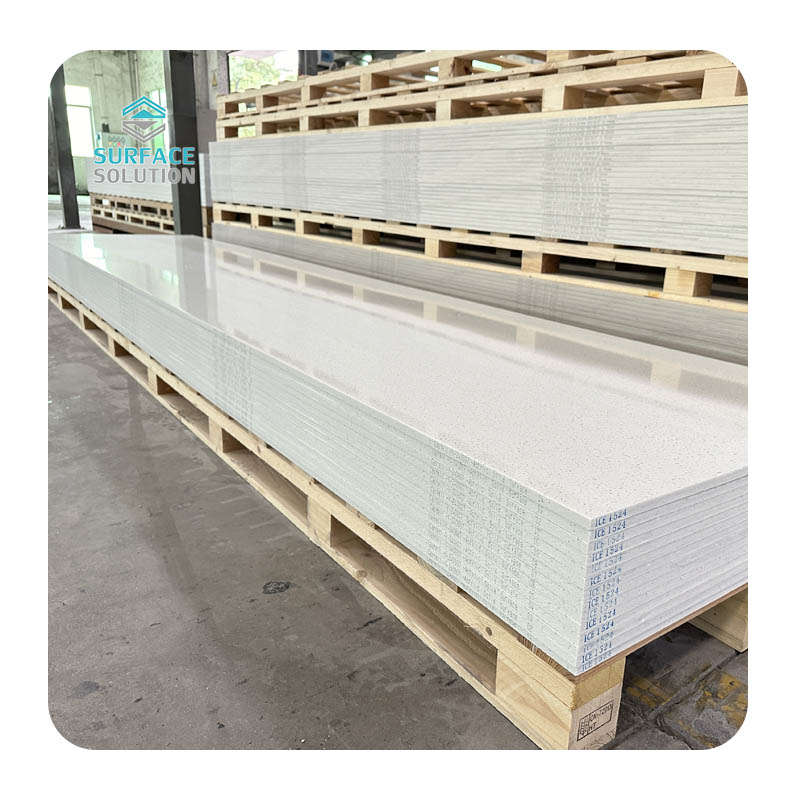 Kitchens and bathrooms are the most frequently used and easily worn spaces in residential and commercial buildings, where countertops face constant spills, moisture, friction, and daily stains. Compared with traditional materials such as natural marble, granite, quartz stone, and laminate, acrylic s


