How to Choose the Perfect Acrylic Solid Surface Material for Your Bathroom


Selecting the right materials for a bathroom is crucial, as the space demands durability, water resistance, and easy maintenance—all while aligning with your design vision. Acrylic solid surface has emerged as a popular choice for bathroom vanities, shower surrounds, and countertops, thanks to its versatility and practicality. However, with various options available, choosing the perfect acrylic solid surface requires careful consideration of key factors. Here’s a guide to help you make an informed decision.
Prioritize Water Resistance and Mold Resistance
Bathrooms are high-moisture environments, so water resistance is non-negotiable. Acrylic solid surface is inherently non-porous, meaning it doesn’t absorb water—a major advantage over porous materials like natural stone. When selecting, confirm that the product is specifically formulated for wet areas; some low-quality acrylic blends may lack the necessary density to withstand prolonged exposure to water. Additionally, opt for acrylic surfaces with anti-microbial properties, as this inhibits mold and mildew growth, keeping your bathroom hygienic and easy to clean.
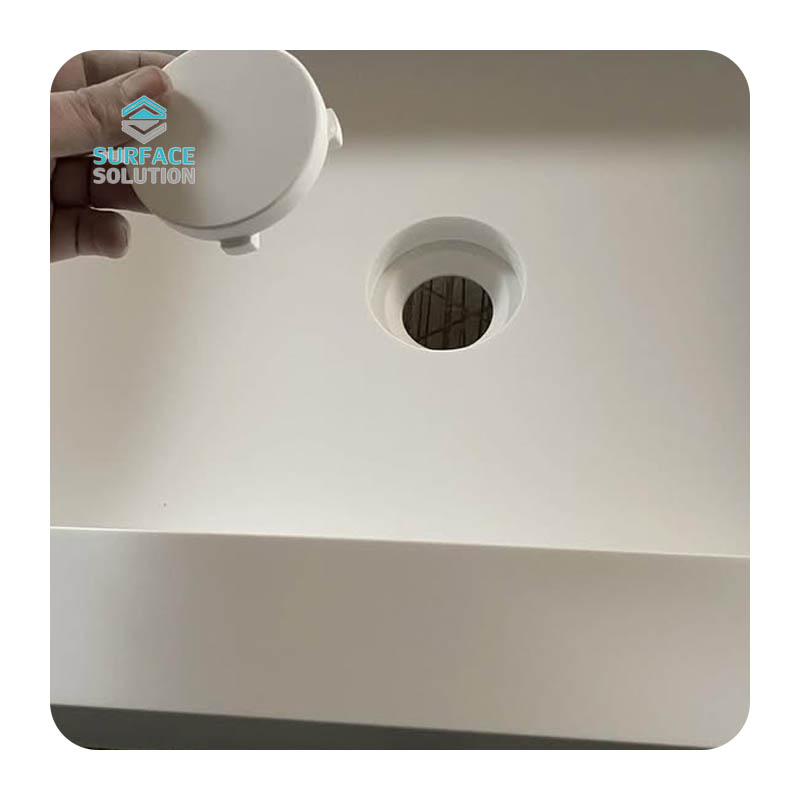
Match Color and Texture to Your Bathroom Style
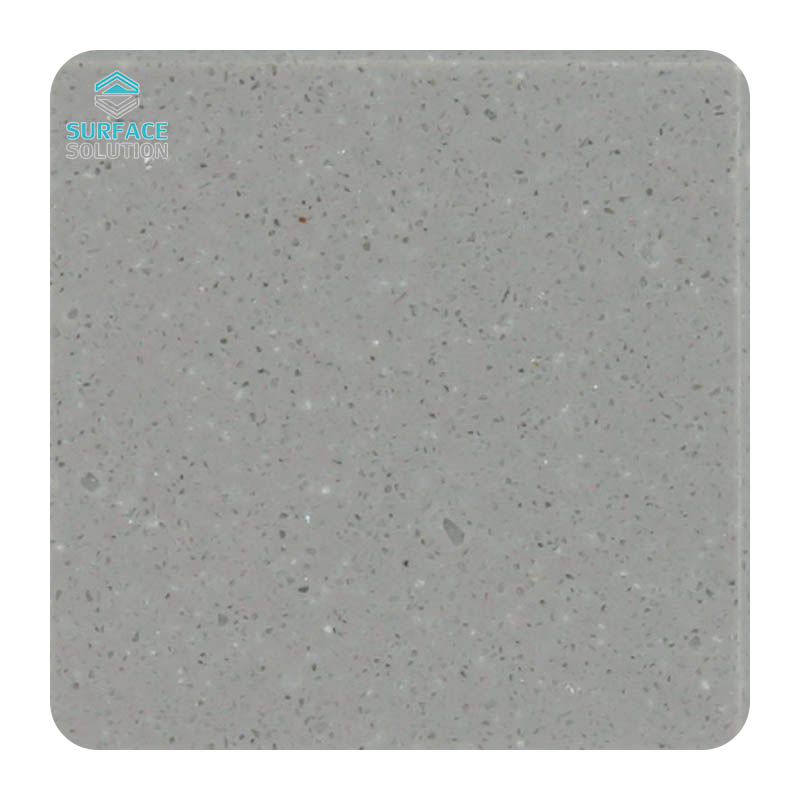
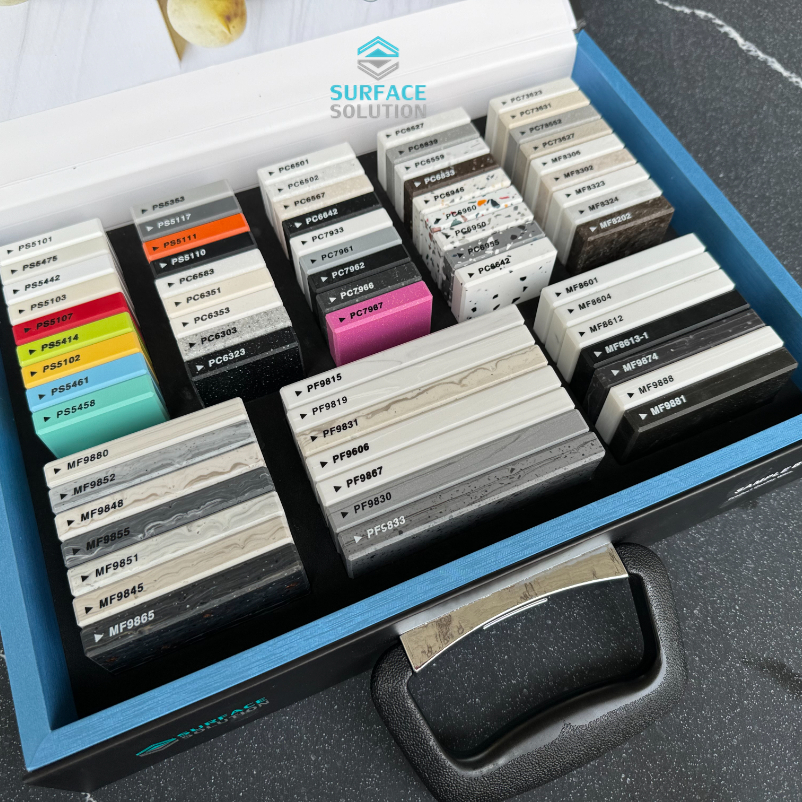
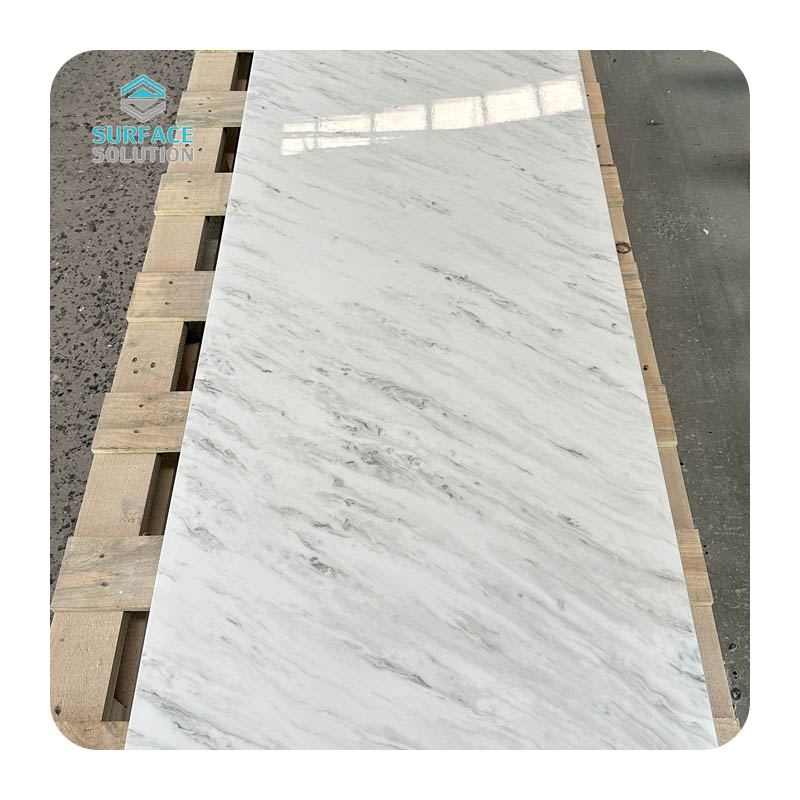
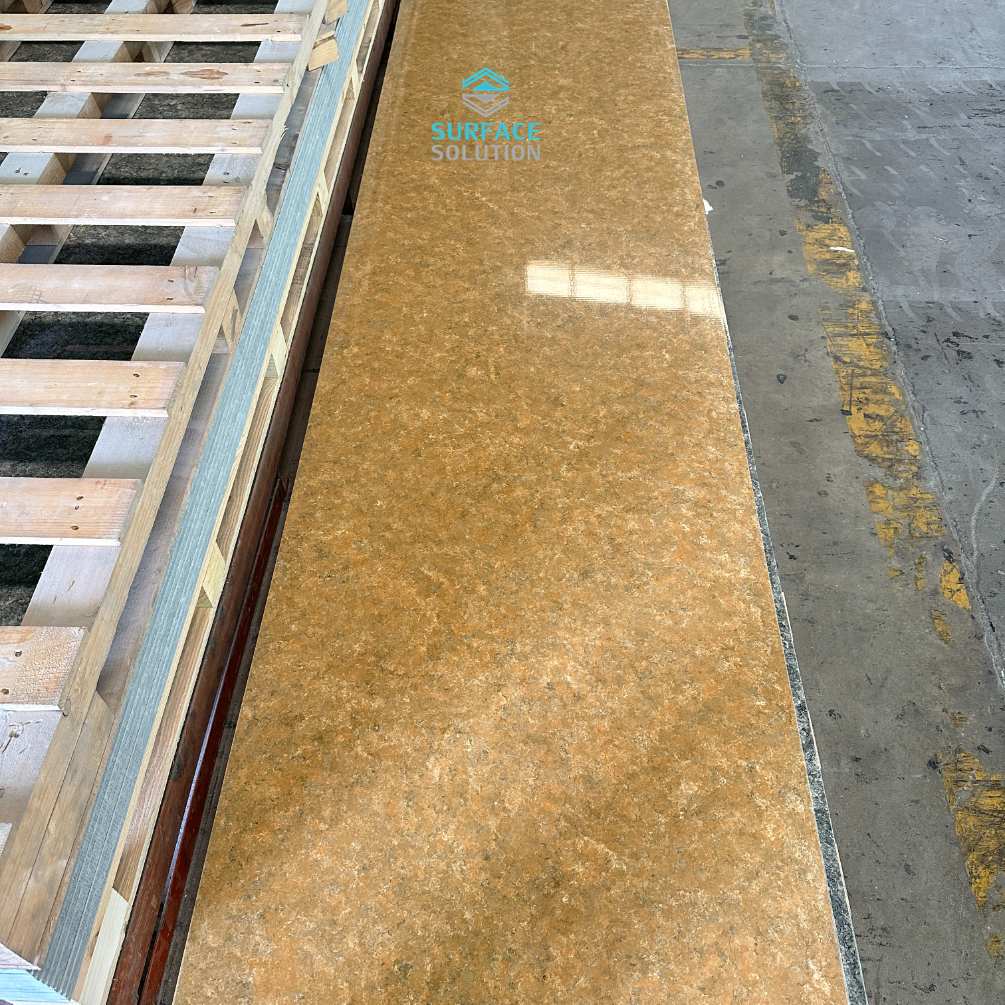
Acrylic solid surface comes in a vast array of colors, from soft neutrals to bold hues, and textures that mimic natural materials like marble, granite, or wood. Consider your bathroom’s overall aesthetic:
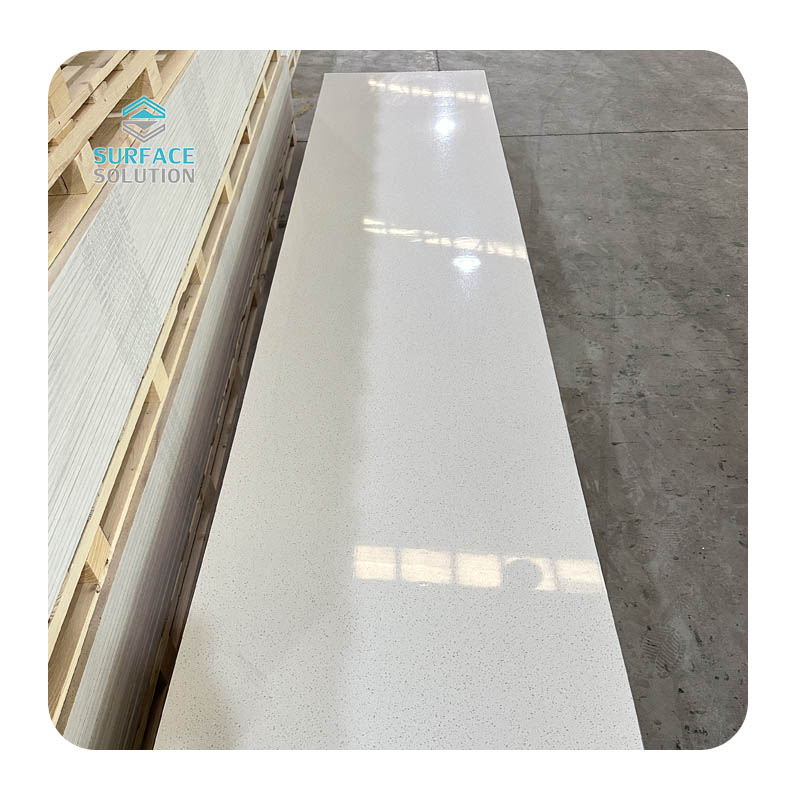
For a modern, minimalist look, choose sleek, solid colors (such as white, gray, or black) with a matte or high-gloss finish.
To add warmth, opt for textures that replicate wood grains or soft stone patterns.
In small bathrooms, lighter shades can create an illusion of space, while darker tones add drama to larger rooms.
Test samples in your bathroom’s lighting—natural and artificial light can drastically alter how colors appear—before making a final choice.
Evaluate Thickness and Durability
Acrylic solid surface is available in different thicknesses, typically ranging from 6mm to 25mm. Thicker slabs (12mm or more) offer greater durability, making them ideal for high-traffic areas like vanities or shower benches. Thinner options may suffice for accent pieces but are more prone to scratches or warping under heavy use. Additionally, check the material’s impact resistance: quality acrylic should withstand minor bumps from toiletries or tools without chipping.
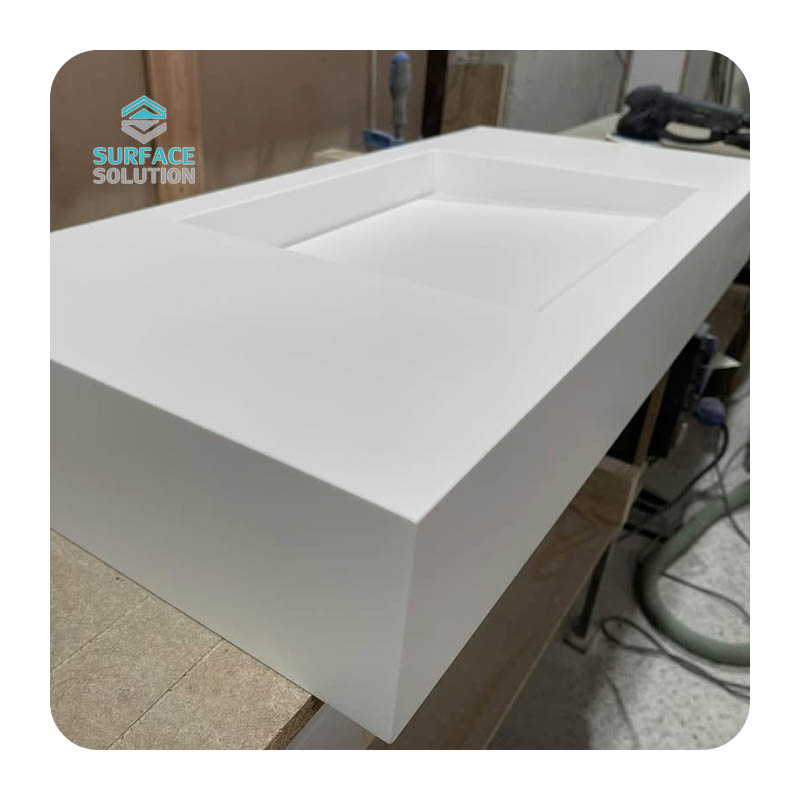
Consider Seamlessness and Installation
One of acrylic’s standout features is its ability to be joined with nearly invisible seams, creating a smooth, cohesive look. This is especially important for large surfaces like shower walls or extended vanities, where seams can trap moisture or dirt. When selecting a product, inquire about the manufacturer’s installation standards—skilled professionals can achieve seamless joints that enhance both appearance and functionality. Avoid products that are difficult to fabricate, as poor installation can compromise water resistance over time.
Factor in Maintenance Needs
While acrylic solid surface is low-maintenance, some varieties are easier to care for than others. Look for scratch-resistant formulas to minimize visible wear from daily use (e.g., placing toiletries or cleaning). Unlike natural stone, acrylic doesn’t require sealing, but it can be damaged by harsh chemicals like bleach or abrasive cleaners. Choose a product that’s compatible with mild, non-abrasive cleaning agents to ensure long-term beauty. Also, confirm that minor scratches or stains can be repaired—most acrylic surfaces can be sanded or buffed to restore their original finish.
Balance Quality with Budget
Acrylic solid surface varies in price, with premium brands offering enhanced durability and a wider design range. While it’s tempting to opt for the cheapest option, investing in a high-quality product can save money in the long run by reducing repair or replacement costs. Compare warranties: reputable manufacturers often back their acrylic surfaces with 10–15 year warranties, indicating confidence in their durability. Set a budget that accounts for both the material and professional installation, as proper fitting is key to performance.
Conclusion
Choosing the perfect acrylic solid surface for your bathroom involves balancing functionality and style. Prioritize water resistance, mold resistance, and durability to suit the humid environment, while selecting colors and textures that complement your design vision. Don’t overlook installation quality and maintenance needs—these factors directly impact the material’s longevity. By evaluating these aspects, you can select an acrylic solid surface that not only elevates your bathroom’s aesthetic but also stands up to daily use for years to come.
Catalogue