


How to Choose the Perfect Solid Surface Stone for Your Bathroom


Understand the Types: Natural, Engineered, and Acrylic Solid Surface
Natural Stone: Quarried from the earth, options like marble (veined and elegant), granite (speckled and hard), and travertine (porous with a matte finish) bring unique, organic beauty. Each slab is one-of-a-kind, with variations in color and pattern.
Engineered Stone: Made by combining natural stone aggregates with resins, engineered options (e.g., quartz) offer uniformity in color and pattern. They are often more durable and less porous than natural stone, making them suitable for high-moisture areas.
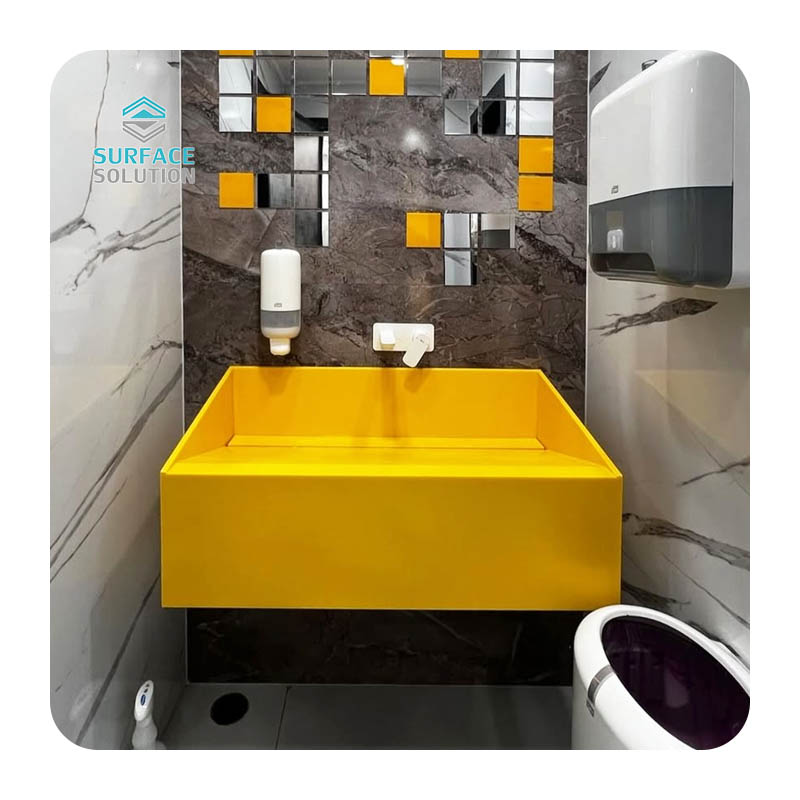
Acrylic Solid Surface: A fully man-made material composed of acrylic resins and mineral fillers, acrylic solid surface provides exceptional versatility. It comes in a vast array of colors and can mimic natural stone, wood, or even concrete. Unlike natural or quartz-based engineered stone, it is entirely non-porous and highly repairable.
Prioritize Water Resistance and Porosity
Highly porous stones (marble, limestone, travertine) absorb water easily, increasing the risk of staining, mold, or etching from harsh cleaners. They require regular sealing (every 6–12 months) to protect against moisture.
Less porous natural stones (granite) and engineered stones (quartz) are more water-resistant. Quartz, in particular, is non-porous, eliminating the need for sealing.
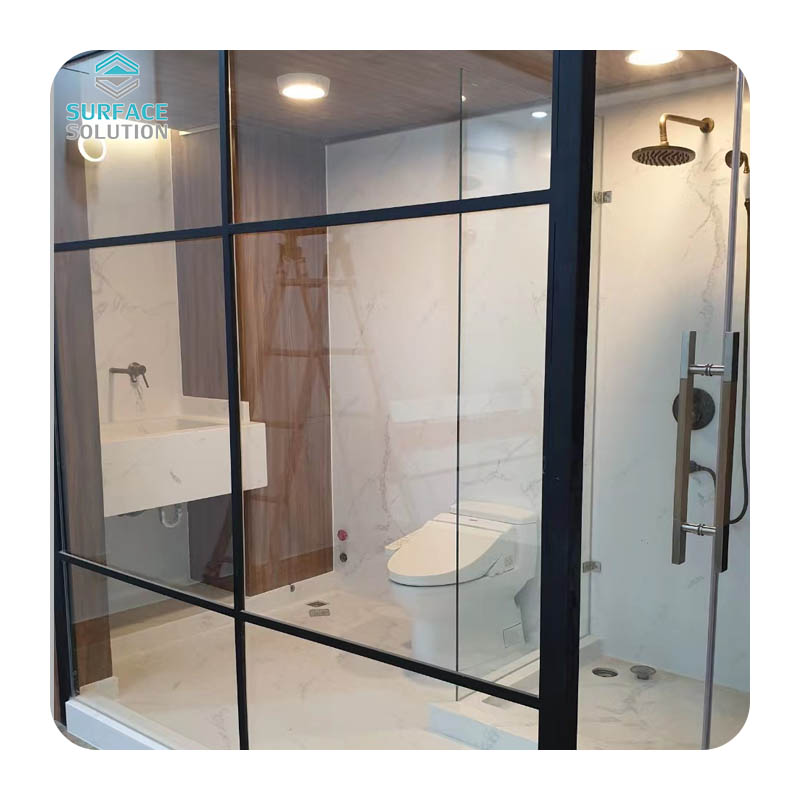
Acrylic solid surface is completely non-porous by nature, meaning it never absorbs water or harbor bacteria. This makes it an excellent choice for wet areas like shower walls and vanities, with no need for sealing.
Evaluate Slip Resistance
Natural stones like slate or tumbled travertine often have naturally rough textures, enhancing grip.
Polished surfaces (whether natural, engineered, or acrylic) can become slippery when wet. For acrylic, look for textured finishes designed for wet areas, as smooth acrylic may lack traction.
For any polished stone, inquire about anti-slip treatments that can be applied without compromising appearance.
Assess Durability Against Wear and Tear
Granite and quartz are highly scratch-resistant, making them ideal for vanities and shower benches.
Marble, while stunning, is softer and prone to etching from acidic substances (like vinegar or hair dye), requiring careful handling.
Engineered stones often include resin binders that enhance impact resistance, making them more forgiving for busy households.
Acrylic solid surface is moderately scratch-resistant but stands out for its repairability: minor scratches, dents, or even burns can be sanded or buffed out, restoring the surface to its original condition. However, it is less heat-resistant than natural or engineered stone, so hot items (like curling irons) should not be placed directly on it.
Align Aesthetics with Bathroom Design
For a luxurious, classical look, marble’s soft veining pairs well with brass fixtures and neutral tones.
Granite’s bold, speckled patterns add drama to modern or eclectic spaces, especially when paired with sleek, minimalist hardware.
Engineered stones in solid colors or subtle patterns work seamlessly in contemporary designs, offering versatility.
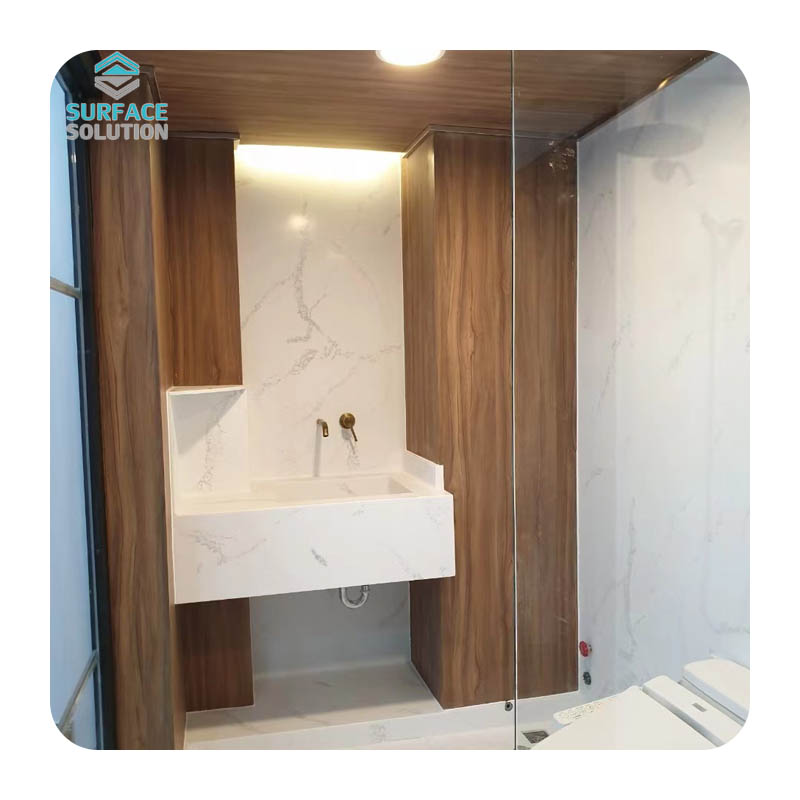
Acrylic solid surface shines in custom designs: it can be shaped into seamless curves, integrated sinks, or even backlit panels, making it ideal for modern, minimalist, or bold, colorful bathrooms. Its uniform color ensures consistency across large surfaces, with no visible seams when professionally installed.
Factor in Maintenance and Long-Term Care
Natural stones need periodic sealing, gentle cleaners (avoid acidic or abrasive products), and prompt spill cleanup.
Engineered stones like quartz are nearly maintenance-free, requiring only mild soap and water for cleaning.
Acrylic solid surface is low-maintenance: it cleans easily with mild soap and water, though abrasive cleaners can dull the finish. Its repairability means minor damage doesn’t require replacement, extending its lifespan.
Balance Cost and Value
Rare natural stones (e.g., Calacatta marble) are premium, while more common granite or limestone offer mid-range options.
Engineered stones fall in the mid-to-high price range but often provide better long-term value due to their durability and low maintenance.
Acrylic solid surface is typically mid-priced, offering good value for its design flexibility and repairability. Installation costs may be lower due to its lighter weight compared to natural stone.
Related Blogs
-
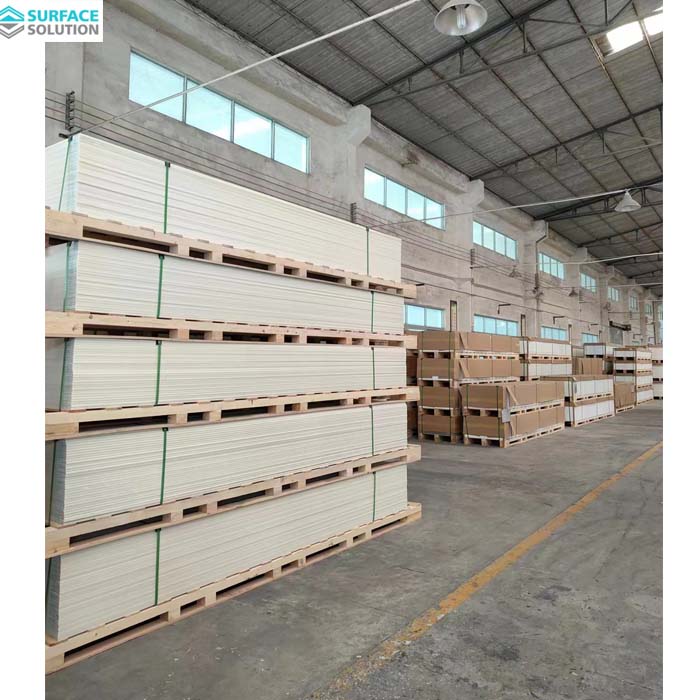 White acrylic solid surface remains a top-selling option for distributors, wholesalers and project contractors, widely specified for kitchen countertops, bathroom vanities, hotel vanity tops, commercial reception counters and custom tabletops. A common question from your downstream buyers is straigh
 -
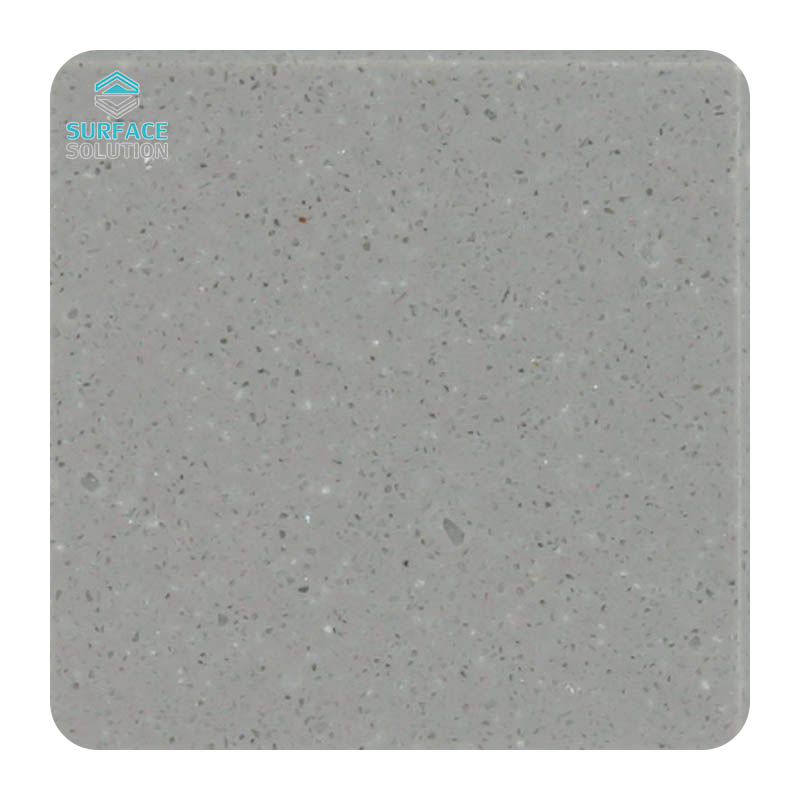 When renovating kitchens, bathrooms or commercial spaces, homeowners and designers often weigh different countertop materials. Acrylic solid surface is one of the most popular options, but a common question remains: is it durable enough for everyday use?Acrylic solid surface countertops are manufact
 -
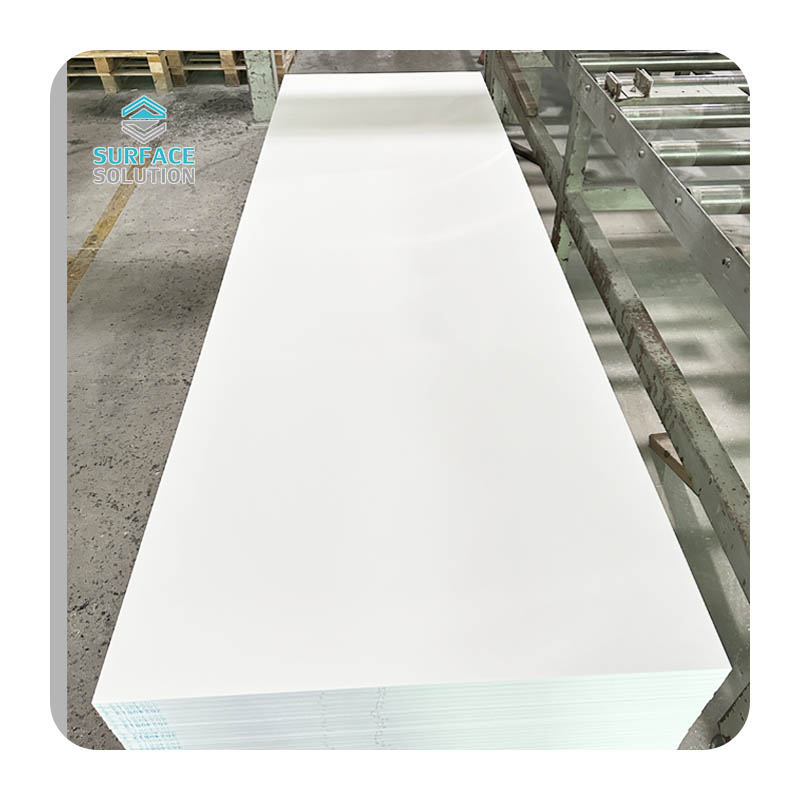 Acrylic solid surface is a premium engineered composite material widely used for kitchen countertops, vanity tops, wall panels, custom furniture and commercial interior projects. Many people confuse it with pure acrylic sheet or natural marble, but it is a carefully formulated blend of mineral powde
 -
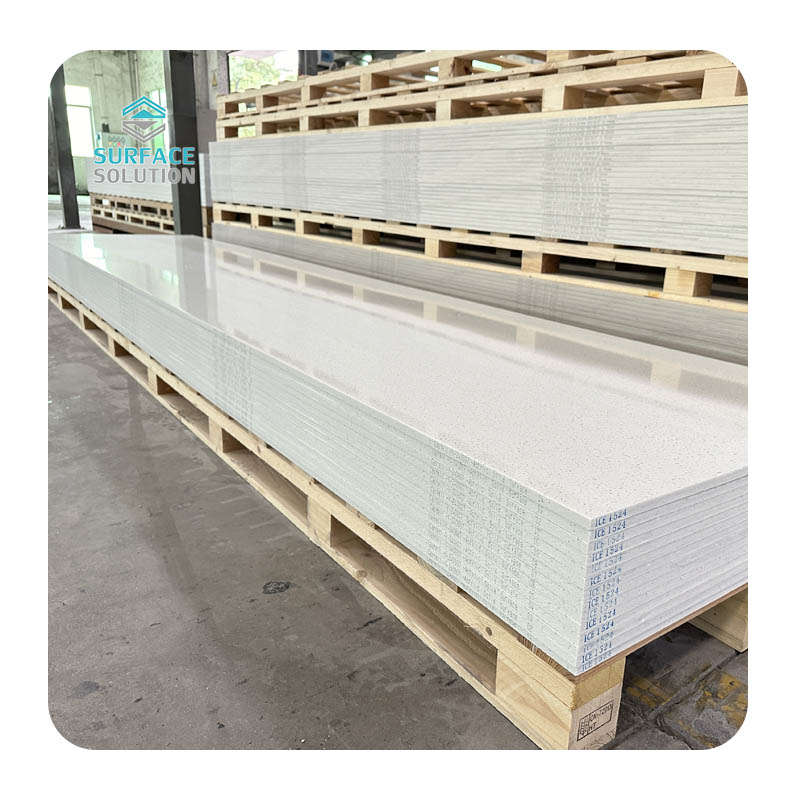 Kitchens and bathrooms are the most frequently used and easily worn spaces in residential and commercial buildings, where countertops face constant spills, moisture, friction, and daily stains. Compared with traditional materials such as natural marble, granite, quartz stone, and laminate, acrylic s


