Solid Surface Counter vs. Granite: Pros and Cons


When it comes to choosing countertops for kitchens or bathrooms, two popular options often stand out: solid surface counters and granite. Each material has its unique set of advantages and disadvantages, making the decision dependent on specific needs, preferences, and lifestyle.
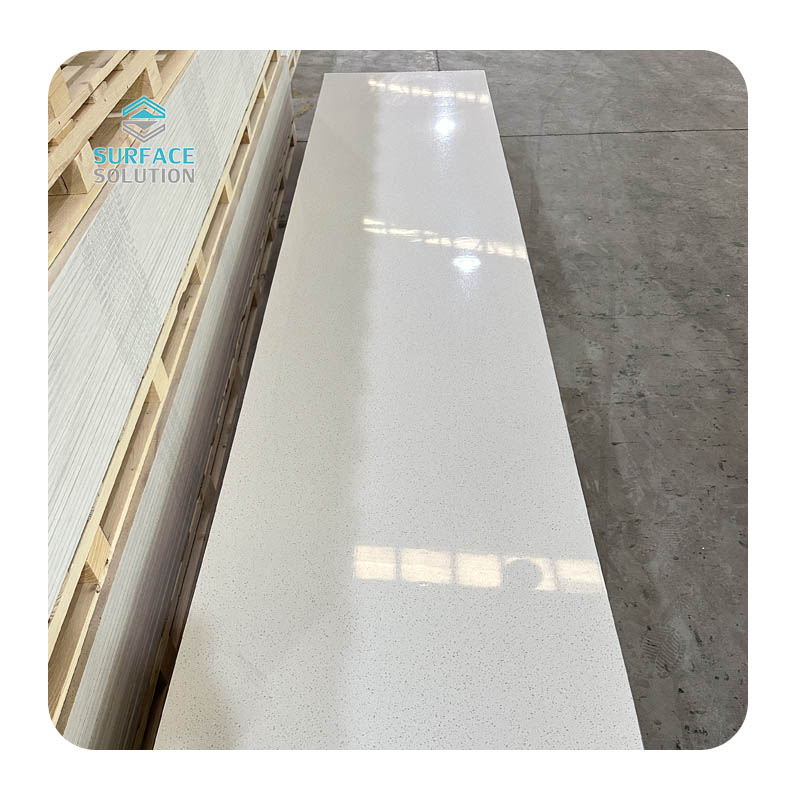
Solid surface counters, often made from acrylic or polyester resins mixed with minerals, offer several appealing features. One of their biggest pros is their seamless appearance. Thanks to their man-made composition, they can be joined without visible seams, creating a smooth, uniform look that many homeowners find aesthetically pleasing. This seamless design also makes them easier to clean, as there are no crevices for dirt or bacteria to hide in.

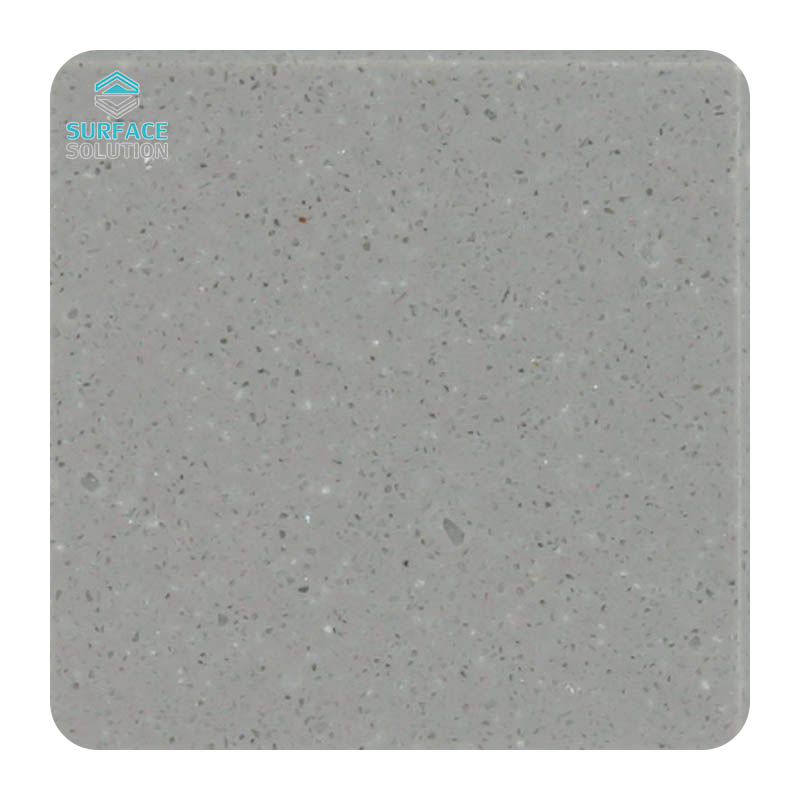
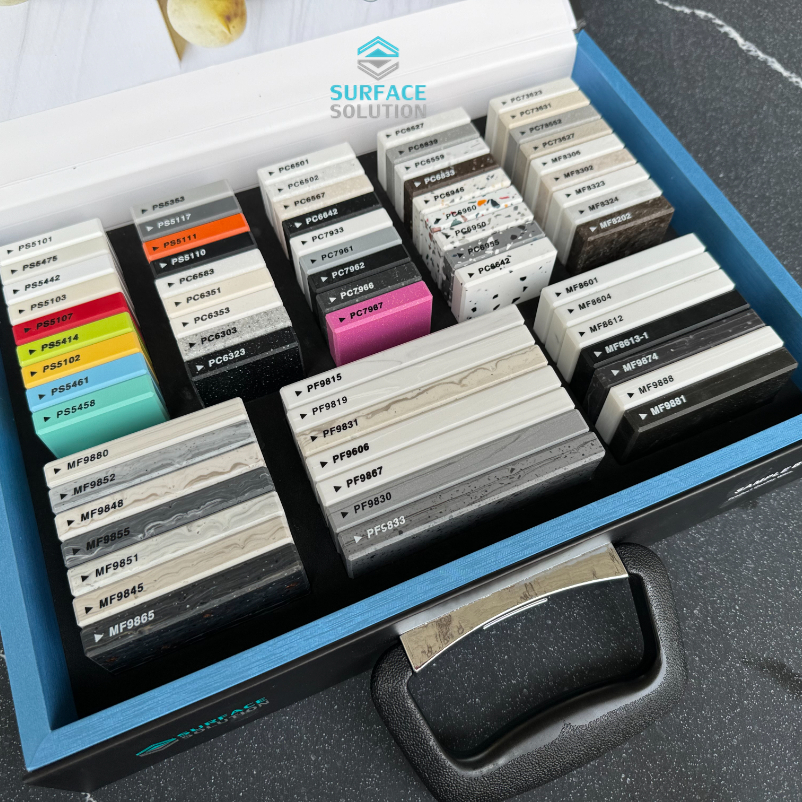
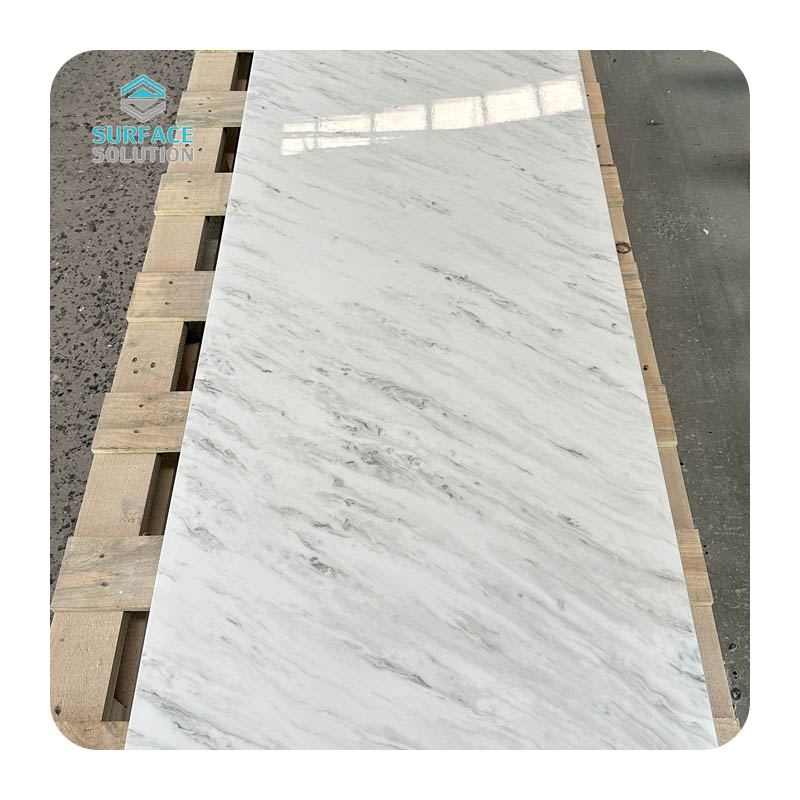
Another advantage of solid surface counters is their repairability. Minor scratches, dents, or stains can often be sanded out or buffed away, restoring the surface to its original condition. They are also non-porous, meaning they resist stains from spills like coffee, wine, or oil without the need for regular sealing—a contrast to some natural stones. Additionally, solid surface materials come in a wide range of colors and patterns, including options that mimic the look of natural stone, giving homeowners plenty of design flexibility.
However, solid surface counters have their drawbacks. They are not as heat-resistant as granite, so placing hot pots or pans directly on the surface can cause discoloration or damage. They are also more prone to scratches and dents from heavy use compared to harder materials like granite. Moreover, they tend to be more expensive than some other countertop options, though prices can vary depending on the brand and design.
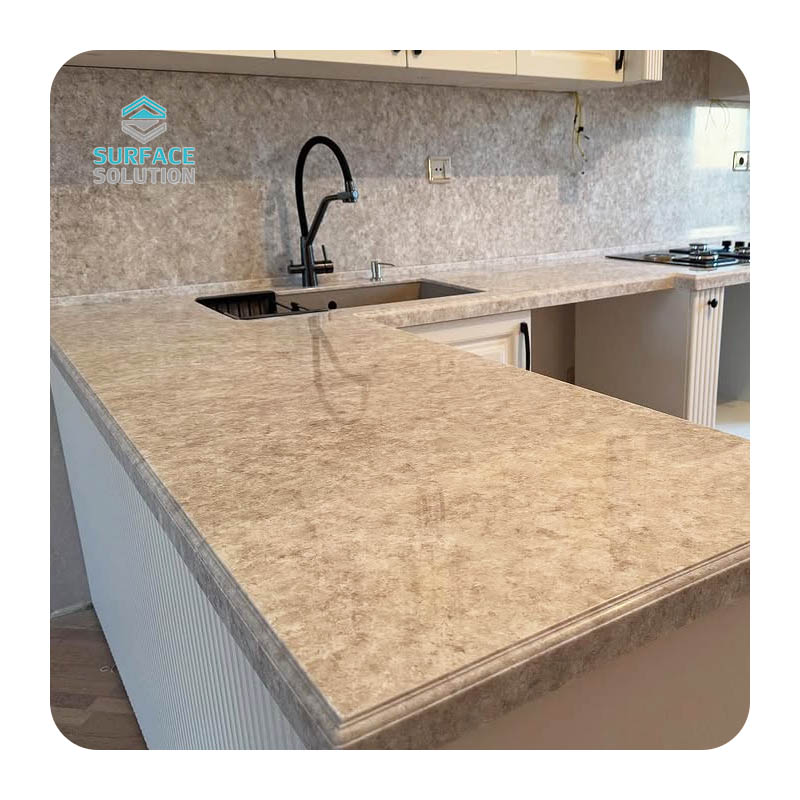
Granite, a natural stone formed from cooled magma, is known for its durability and unique beauty. One of its main pros is its exceptional heat resistance, making it ideal for kitchens where hot cookware is frequently used. It is also highly scratch-resistant, standing up well to daily use with knives and other utensils. Each slab of granite is one-of-a-kind, with distinct patterns and color variations that add a natural, luxurious touch to any space. Granite is also a long-lasting material; with proper care, it can last for decades, making it a good investment.
On the downside, granite is a porous material, which means it requires regular sealing to prevent stains. Without proper sealing, liquids can seep into the stone, causing permanent discoloration. It is also heavier than solid surface counters, requiring additional structural support during installation, which can increase installation costs. The uniqueness of granite can also be a drawback for some homeowners, as it may be difficult to find an exact match if a replacement slab is needed. Additionally, granite tends to be more expensive upfront than solid surface counters, especially for rare or exotic varieties.