


Enhancing Property Value with Acrylic Solid Surface Materials


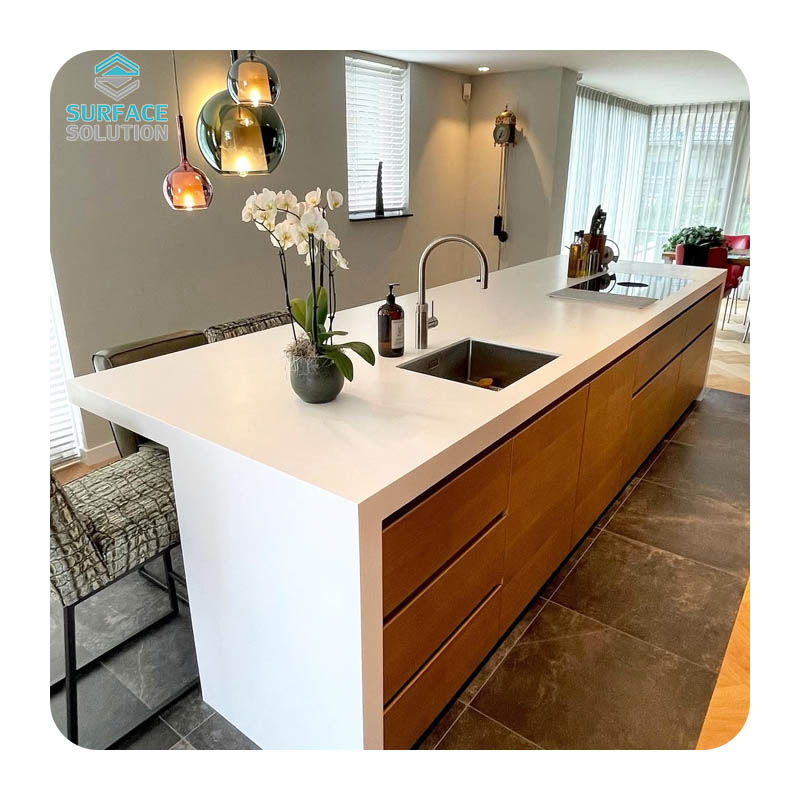
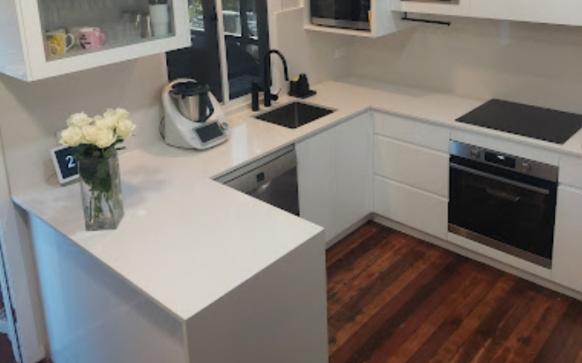
Seamless, Clutter-Free Design: Acrylic’s moldable nature allows for single-slab installations with invisible joints, even for large or irregularly shaped countertops. This eliminates unsightly gaps (common in tile or natural stone) and creates a sleek, cohesive look that feels "high-end"—a feature appraisers often note as a value booster. For example, a kitchen with a seamless acrylic countertop and integrated sink appears more polished than one with disjointed surfaces, making the space feel larger and more intentional.
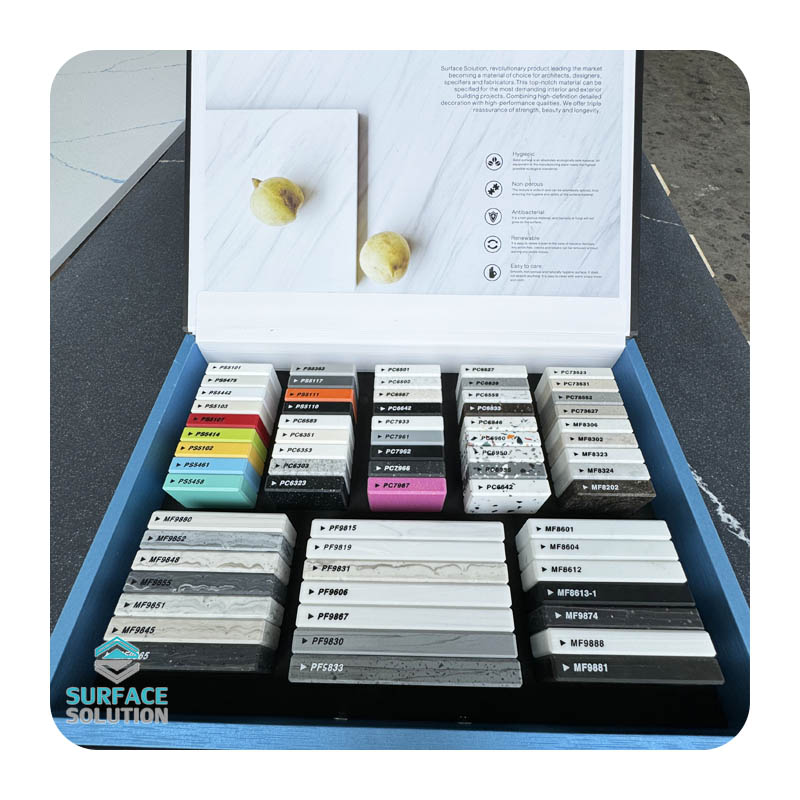
Hyper-Realistic Mimicry & Customization: Acrylic solid surfaces replicate the beauty of natural materials (marble, granite, wood) with remarkable precision—without the inconsistencies (e.g., uneven veining, color variations) that plague natural stone. Buyers gain the luxury look of marble without the high price tag, while homeowners can customize colors (from soft neutrals to bold statement hues) and textures (matte, satin, or micro-speckled) to match any design style. This flexibility ensures the space feels tailored, not generic—another selling point that raises perceived value.
Light Reflection & Space Brightening: Unlike dark, porous materials, acrylic’s smooth, non-porous finish reflects light, making small kitchens or bathrooms feel brighter and more open. Bright, airy spaces are consistently ranked among buyers’ top preferences, and acrylic surfaces amplify this effect—especially when paired with light-colored cabinetry or fixtures. Appraisers often link improved lighting and space perception to a 5–10% increase in a room’s contributory value.
Non-Porous & Stain-Resistant: Acrylic’s non-porous composition prevents liquids (red wine, oil, coffee) from seeping into the surface, eliminating permanent stains. Unlike granite (which requires annual sealing) or marble (prone to etching), acrylic can be cleaned with mild soap and water—no harsh chemicals or professional maintenance needed. For buyers, this translates to lower annual upkeep costs (estimated at
150 less per year compared to natural stone), a benefit that appraisers factor into a property’s overall value.50–
Repairable & Long-Lasting: Minor scratches, chips, or dents in acrylic surfaces can be sanded and polished away by a professional—restoring the surface to its original condition. This repairability extends the material’s lifespan to 15–20 years, far longer than laminate (5–7 years) or tile (10–12 years). A home with durable, long-lasting surfaces signals to buyers that the property has been well-invested in, reducing their concerns about immediate renovations post-purchase.
Antimicrobial Protection: Many acrylic solid surfaces are infused with silver-ion technology that inhibits the growth of bacteria (E. coli, salmonella) and mold—critical for kitchens and bathrooms. In a post-pandemic market, health-focused features are a major draw; buyers are often willing to pay 3–5% more for homes with built-in hygiene features, as noted in recent real estate surveys.
Recycled Content & Circular Design: Leading acrylic manufacturers now produce surfaces with 30–40% post-consumer recycled acrylic (sourced from plastic waste or old acrylic products). These recycled options perform identically to virgin acrylic but have a 25–30% lower carbon footprint. A home with recycled acrylic surfaces qualifies for green certification points (e.g., LEED or Energy Star), which can increase property value by 7–10% in eco-focused markets.
Low-VOC Formulations: Unlike some synthetic materials that off-gas volatile organic compounds (VOCs), modern acrylic solid surfaces are manufactured with low or zero VOCs. This improves indoor air quality—a key concern for buyers with allergies, children, or pets. Homes with low-VOC materials often sell faster (by 10–15 days on average) and at a higher price, as per data from the National Association of Realtors (NAR).
Longevity as Sustainability: Acrylic’s long lifespan and repairability reduce the need for frequent replacements, cutting down on waste. For buyers focused on circular living, this "buy less, keep longer" attribute is a strong selling point—one that positions the property as forward-thinking and environmentally responsible.
Affordability vs. Perceived Value: Acrylic solid surfaces cost less than natural stone (typically
100 per square foot, compared to50–200 for granite or marble) but offer a similar luxury aesthetic. This means homeowners can achieve a high-end look at a lower cost, while buyers perceive the value as comparable to more expensive materials.75–
Faster Sale Times: Homes with acrylic solid surface upgrades often sell faster than those with outdated or high-maintenance surfaces. Real estate agents report that properties featuring acrylic countertops or vanities spend 10–20% less time on the market, as they appeal to a broader range of buyers (from first-time homeowners to downsizers).
Related Blogs
-
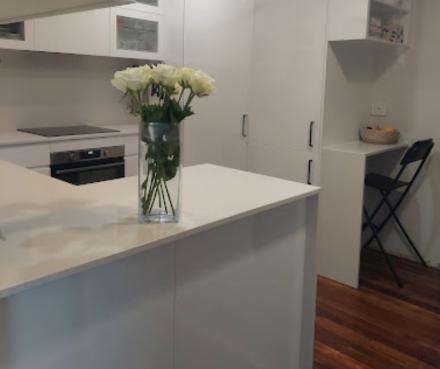 TL;DR: An artificial marble countertop provides the elegant appearance of natural stone while offering superior durability and moisture resistance. Homeowners should select engineered acrylic materials for their non-porous hygiene, seamless installation capabilities, and long-term cost savings compa
 -
 Caster vs Wheel: Moving Acrylic Solid Surface UnitsUnderstanding mobility hardware often feels confusing for DIY builders and commercial furniture manufacturers alike. People frequently use the terms interchangeably, assuming they describe the exact same mechanical part. This simple misunderstanding
 -
 Top Mistakes to Avoid When Installing Bathroom Sink Furniture (Acrylic Artificial Stone Focus)Acrylic artificial stone has become a beloved choice for bathroom sink furniture, thanks to its seamless appearance, non-porous surface, and remarkable durability—blending the elegance of natural stone with


