In contemporary kitchen and bathroom design,
acrylic solid surface counters have emerged as a standout choice—marrying the sleek visual appeal that elevates interior aesthetics with the rugged durability needed to withstand daily use. Unlike natural stone or ceramic, acrylic solid surfaces leverage their unique resin-based composition to offer unmatched customization, seamless integration, and easy maintenance. As consumer preferences shift toward both style individuality and long-term practicality, the acrylic solid surface segment is evolving rapidly, driven by four key trends that redefine the balance between beauty and resilience.
Modern acrylic solid surface counters are no longer limited by the "softer" perception of traditional acrylic. Manufacturers are refining resin blends and reinforcing techniques to enhance durability, while preserving the material’s signature smooth finish.
High-impact resin blends: New formulations integrate modified acrylic resins with micro-reinforcements (such as fine glass fibers) to improve scratch and impact resistance. These upgrades allow counters to withstand daily knocks from cookware or tools, reducing the risk of chips—all while maintaining the material’s non-porous, stain-resistant core.
Heat resistance enhancements: Unlike older acrylic surfaces, today’s options include heat-stabilized additives that let counters tolerate brief contact with hot items (up to 176°F/80°C) without discoloration or warping. This bridges a key gap between acrylic’s aesthetics and the practical needs of busy kitchens.
Colorfast technology: UV-stabilized pigments ensure that vibrant or light-colored acrylic counters resist fading, even in sunlit bathrooms or kitchens with large windows. This preserves the surface’s visual appeal for years, avoiding the dulling common in less advanced materials.
Acrylic solid surface’s moldable nature is fueling a trend toward highly personalized, seamless designs—catering to homeowners and designers seeking a cohesive, high-end look.
Seamless integration: Advanced fabrication techniques enable single-slab installations with invisible joints, even for large countertops or L-shaped layouts. This eliminates dirt-trapping crevices, creating a sleek, minimalist appearance that complements modern, Scandinavian, or luxury interior styles. Some brands even offer seamless transitions between counters and backsplashes, or integrated sink basins, for a "one-piece" look.
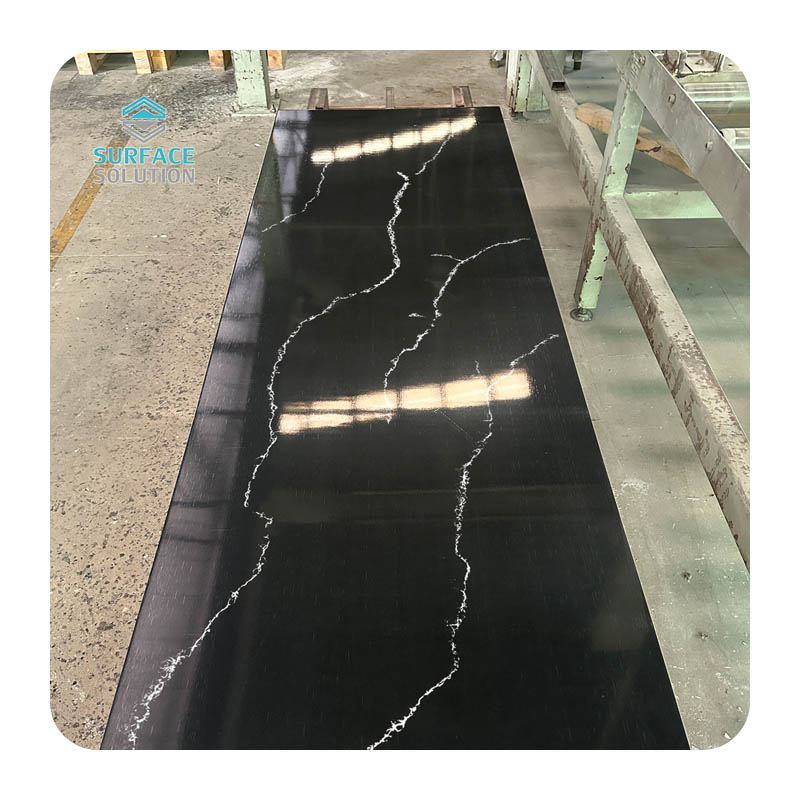
Hyper-realistic & custom textures: Acrylic surfaces now mimic natural materials (marble, granite, wood) with extraordinary detail—from the subtle veining of Carrara marble to the grain of reclaimed oak. Unlike natural stone, these patterns are consistent across the entire slab, ensuring no mismatched sections. For bolder designs, manufacturers offer custom textures (matte, soft sheen, or micro-speckled) that add depth without compromising cleanability.
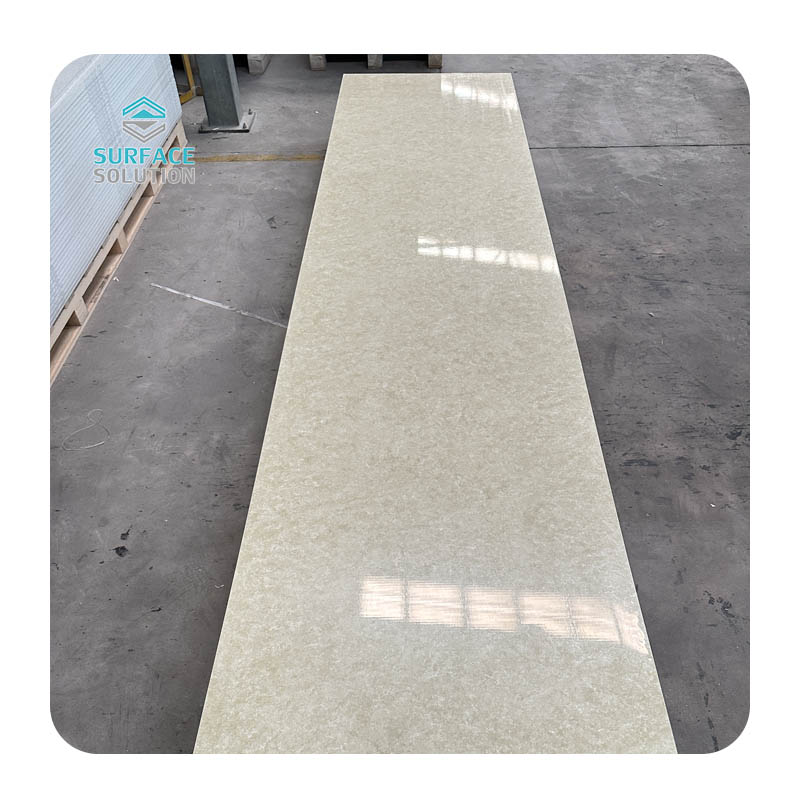
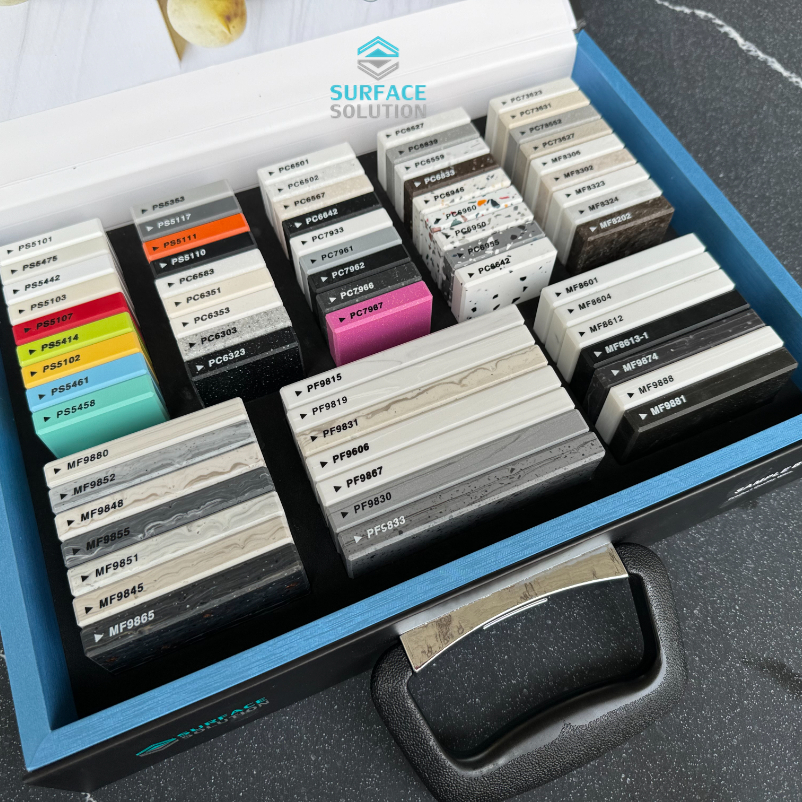
Bold color palettes: While neutral tones (off-white, warm gray) remain popular for timelessness, acrylic counters are embracing bold hues—emerald green, navy blue, and terracotta—to serve as statement pieces. These colors are formulated to be consistent across batches, making it easy to match additional surfaces (like cabinet panels) for a unified design.
Eco-conscious consumers are driving demand for
acrylic solid surfaces that look good, perform well, and align with sustainable and healthy living goals.
Recycled acrylic content: Leading brands now produce counters with up to 40% post-consumer recycled acrylic (sourced from plastic waste or old acrylic surfaces). These recycled options retain the same durability and smooth finish as virgin acrylic, while reducing carbon emissions by 25–30% during production.
Low-VOC & non-toxic formulations: Modern acrylic solid surfaces are manufactured with low or zero volatile organic compounds (VOCs), eliminating off-gassing that can affect indoor air quality. This makes them ideal for homes with children, pets, or individuals with allergies—without sacrificing color or texture options.
Longevity as sustainability: Acrylic’s easy repairability (minor scratches or stains can be sanded and polished away) extends its lifespan to 15–20 years, reducing the need for frequent replacements. This "buy less, keep longer" quality aligns with circular economy principles, making acrylic a sustainable choice beyond initial production.
Acrylic solid surfaces are being designed to do more than just look good—they’re integrating functional features that enhance daily use while maintaining their aesthetic appeal.
Built-in antimicrobial protection: Many acrylic counters are infused with silver-ion antimicrobial agents that inhibit the growth of bacteria (E. coli, salmonella) and mold. This makes them safer for food preparation and high-moisture bathroom environments, with the antimicrobial properties lasting the lifetime of the surface.
Easy-clean designs: The non-porous nature of acrylic means spills (red wine, oil, coffee) can be wiped away with a damp cloth and mild soap—no harsh chemicals required. For high-traffic areas, some brands offer a "stain-resistant topcoat" that adds an extra layer of protection without altering the surface’s texture or color.
Custom functional add-ons: Acrylic’s moldability allows for integrated features like built-in cutting boards, drain grooves, or hidden storage compartments. These additions streamline daily tasks (e.g., draining dishes directly on the counter) while keeping the space clutter-free and visually cohesive.
Acrylic solid surface counters continue to gain popularity because they solve a fundamental consumer need: surfaces that don’t force a choice between aesthetics and durability. By advancing material science, embracing customizable design, prioritizing sustainability, and integrating practical features, acrylic solid surfaces are redefining what homeowners and designers can expect from kitchen and bathroom counters. As interior design trends lean into personalization and longevity, acrylic solid surfaces are well-positioned to remain a top choice for spaces that demand both beauty and resilience.
If you need to tailor this article further—such as adding case studies of residential/commercial projects, comparing acrylic to other counter materials, or including technical data sheets—I can refine it to fit your needs. Alternatively, would you like me to create a visual trend guide (with descriptions of key colors, textures, and designs) to accompany the article for client presentations?


 Artificial Stone Door Surrounds: Elevating EntrywaysThe entryway of a home is far more than a mere transitional space—it is the first impression of a property, a subtle reflection of the owner’s aesthetic taste, and a bridge connecting outdoor landscapes with indoor comfort. Among countless decorati
 Artificial Stone in Hotel Interiors: Luxury and DurabilityIn high-end hotel design, materials must balance timeless elegance with daily heavy use—and artificial stone has become the top choice for modern luxury interiors. Unlike natural stone, premium acrylic and modified solid surface delivers cons
 Top White Reception Desk Styles for a Clean, Sleek LookThe reception area acts as the first impression of any brand. Among countless furniture options, white reception desks stand out as a timeless choice to craft a neat, contemporary atmosphere. Bright, reflective white surfaces amplify natural lig
 Artificial Stone Wall Art: Adding Texture and Depth to Modern InteriorsIn the pursuit of unique, expressive interior spaces, artificial stone wall art has become a powerful design element. Unlike flat paint, wallpaper, or ordinary wall panels, artificial stone wall art brings authentic texture, thre


