What Is Artificial Stone? Pros, Cons, and Applications
In the world of construction and interior design, the choice of materials plays a pivotal role in determining the functionality, aesthetics, and longevity of a space. One material that has gained significant traction in recent decades is artificial stone. Unlike natural stone, which is quarried directly from the earth, artificial stone is a man-made product designed to mimic the look and feel of natural stone while offering unique advantages. This article delves into the definition of artificial stone, its key pros and cons, and its diverse range of applications. What Is Artificial Stone?
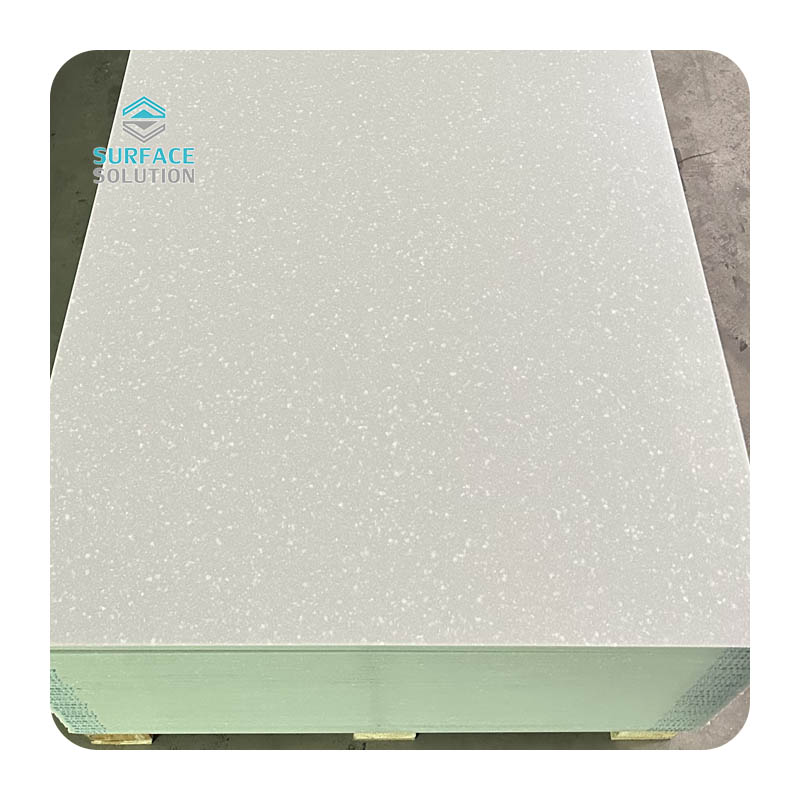
Artificial stone, also known as engineered stone or composite stone, is a synthetic material crafted by combining natural minerals with binders, pigments, and other additives. The core composition typically includes crushed natural stone aggregates (such as acrylic solid surface, quartz, marble, or granite chips) – which make up 70% to 90% of the material – along with a resin binder (often polyester or epoxy) and pigments to achieve various colors and patterns. The manufacturing process involves mixing these ingredients under high pressure and temperature, followed by cutting, polishing, and finishing to create slabs or tiles of different sizes and thicknesses. This controlled production method allows manufacturers to replicate the veining, texture, and color variations of natural stone while ensuring consistency in quality and appearance. Unlike natural stone, which has inherent flaws like cracks, pores, or uneven density, artificial stone can be tailored to meet specific design requirements, making it a versatile alternative.
Pros of Artificial Stone
1. Exceptional Durability and Stain Resistance
One of the most significant advantages of artificial stone is its durability. The combination of hard mineral aggregates and strong resin binders creates a material that is highly resistant to scratches, impacts, and heat. Unlike natural marble, which is prone to etching from acidic substances like lemon juice or vinegar, artificial stone (especially quartz-based variants) is non-porous. This non-porous nature prevents liquids from seeping into the material, making it highly stain-resistant and easy to clean. A simple wipe with a damp cloth and mild detergent is usually sufficient to maintain its appearance, eliminating the need for regular sealing – a necessary step for many natural stones.
2. Consistent Aesthetics and Customization
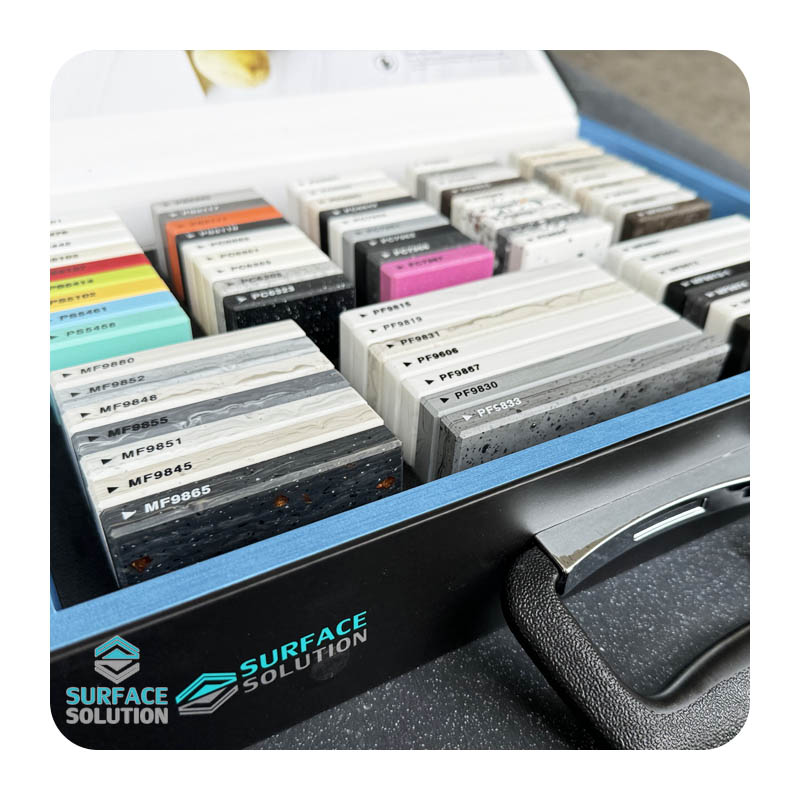
Natural stone often has unpredictable variations in color, veining, and texture, which can be a challenge for designers seeking a uniform look. Artificial stone, however, is produced with consistent patterns and colors, ensuring that each slab matches perfectly. Additionally, manufacturers offer a wide range of customization options, from bold solid colors to intricate veined designs that mimic rare natural stones like Calacatta marble. This flexibility allows designers and homeowners to bring their creative visions to life without compromising on style. 3. Cost-Effectiveness and Accessibility
While high-quality natural stones like granite or marble can be expensive and difficult to source, artificial stone offers a more budget-friendly alternative. The controlled manufacturing process reduces waste and production costs, making artificial stone more accessible to a wider range of consumers. Furthermore, its durability and low maintenance requirements translate to long-term cost savings. Unlike natural stone, which may need frequent repairs or replacement due to damage, artificial stone can retain its appearance for decades with minimal upkeep.
4. Eco-Friendly Attributes
Many artificial stone manufacturers prioritize sustainability by using recycled materials in their production. For example, some quartz-based artificial stones incorporate recycled glass or post-industrial stone waste, reducing the need for new quarrying and minimizing environmental impact. Additionally, the efficient manufacturing process consumes less energy compared to the extraction and processing of natural stone, making artificial stone a more eco-conscious choice for environmentally aware consumers.
Cons of Artificial Stone
1. Limited Heat Resistance in Some Variants
While most artificial stones can withstand moderate heat (such as hot mugs or plates), they are not as heat-resistant as natural stone like granite. Exposing certain types of artificial stone (especially those with a high resin content) to extreme heat – such as placing a hot pan directly from the stove – can cause discoloration, warping, or even cracking. To avoid this, it is essential to use heat trivets or pads when placing hot items on artificial stone surfaces.
2. Potential for Fading Over Time
Some artificial stones, particularly those with vibrant or light colors, may be prone to fading when exposed to direct sunlight for extended periods. The UV rays from the sun can break down the pigments and resin binders in the material, causing the color to dull over time. This makes artificial stone less ideal for outdoor applications in areas with intense sunlight, unless it is specifically formulated with UV-resistant additives.
3. Difficulty in Repairing Severe Damage
While minor scratches or chips in artificial stone can often be repaired using specialized fillers or polishing kits, severe damage – such as large cracks or deep gouges – is more challenging to fix. Unlike natural stone, which can be re-polished to restore its appearance, artificial stone’s layered structure and resin binders make it difficult to repair without leaving visible marks. In some cases, severely damaged slabs may need to be completely replaced, which can be costly and time-consuming.
4. Less "Natural" Character
For some consumers and designers, the main drawback of artificial stone is that it lacks the unique, organic character of natural stone. Natural stone carries the marks of its geological formation – such as fossil deposits, mineral inclusions, or subtle color variations – which add depth and authenticity to a space. Artificial stone, while realistic in appearance, can sometimes feel "artificial" or uniform, missing the charm of natural imperfections that many people find appealing.
Applications of Artificial Stone
1. Kitchen Countertops
One of the most popular applications of artificial stone is in kitchen countertops. Its durability, stain resistance, and easy maintenance make it an ideal choice for this high-traffic area. Quartz-based artificial stone, in particular, is a top choice for kitchen countertops due to its resistance to scratches, stains, and heat (when used with proper care). The wide range of colors and patterns also allows homeowners to match the countertop to their kitchen cabinetry, backsplash, and overall design theme.
2. Bathroom Vanities and Surfaces
Artificial stone is also widely used in bathroom vanities, shower walls, and flooring. Its non-porous nature prevents the growth of mold and mildew – a common problem in humid bathroom environments – making it a hygienic and low-maintenance option. Additionally, its resistance to water damage and staining ensures that bathroom surfaces remain looking new for years. From sleek, modern vanities to luxurious shower surrounds, artificial stone can enhance the aesthetic appeal of any bathroom.
3. Commercial Spaces
In commercial settings such as hotels, restaurants, and retail stores, artificial stone is valued for its durability and consistent appearance. It is often used for reception desks, bar tops, tabletops, and wall cladding. In high-traffic areas, its resistance to scratches and impacts ensures that it can withstand heavy use without losing its appeal. The ability to customize the color and pattern also allows businesses to create a cohesive brand image throughout their space.
4. Decorative Elements
Beyond functional surfaces, artificial stone is used to create decorative elements such as fireplace surrounds, accent walls, and statues. Its ability to mimic the look of natural stone – from rough-hewn limestone to polished marble – makes it a versatile material for adding texture and visual interest to any space. Whether used in a traditional or modern design, artificial stone can enhance the overall aesthetic appeal of a room.
Conclusion
Artificial stone is a versatile, durable, and cost-effective alternative to natural stone, offering a wide range of benefits for both residential and commercial applications. While it has some limitations – such as limited heat resistance and potential fading – its advantages, including stain resistance, consistent aesthetics, and eco-friendly attributes, make it a popular choice among designers, homeowners, and businesses. Whether used for kitchen countertops, bathroom vanities, or decorative elements, artificial stone has proven to be a reliable and stylish material that can enhance the functionality and beauty of any space. As manufacturing technology continues to advance, it is likely that artificial stone will become even more versatile and widely used in the years to come.


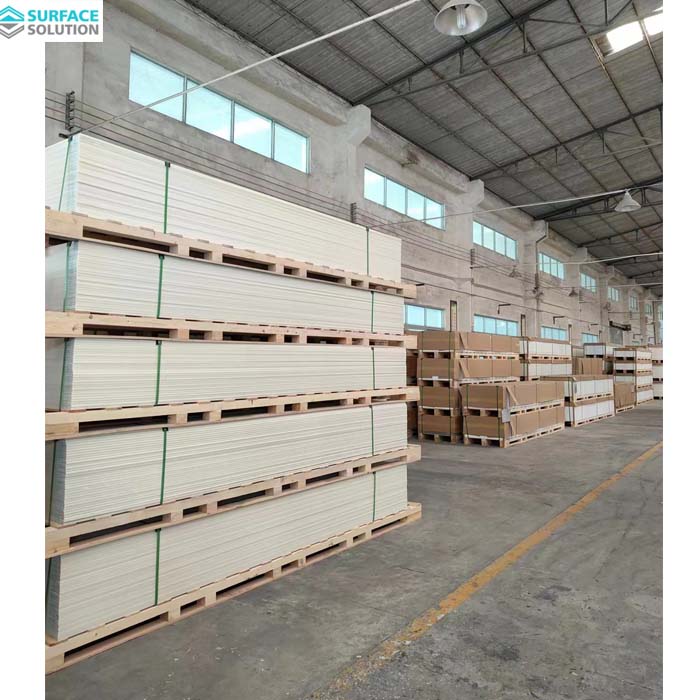 White acrylic solid surface remains a top-selling option for distributors, wholesalers and project contractors, widely specified for kitchen countertops, bathroom vanities, hotel vanity tops, commercial reception counters and custom tabletops. A common question from your downstream buyers is straigh
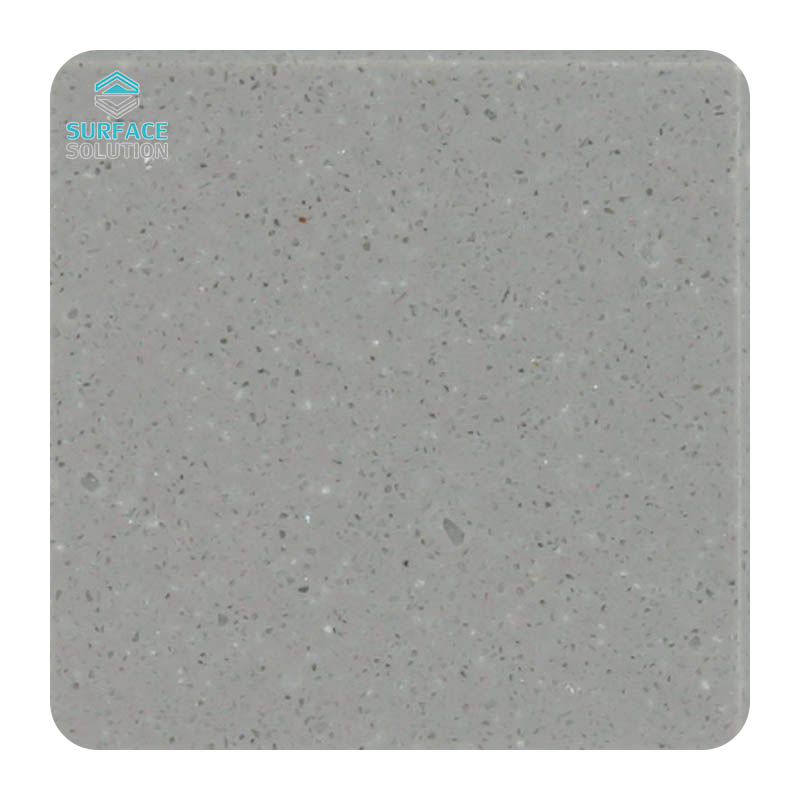 When renovating kitchens, bathrooms or commercial spaces, homeowners and designers often weigh different countertop materials. Acrylic solid surface is one of the most popular options, but a common question remains: is it durable enough for everyday use?Acrylic solid surface countertops are manufact
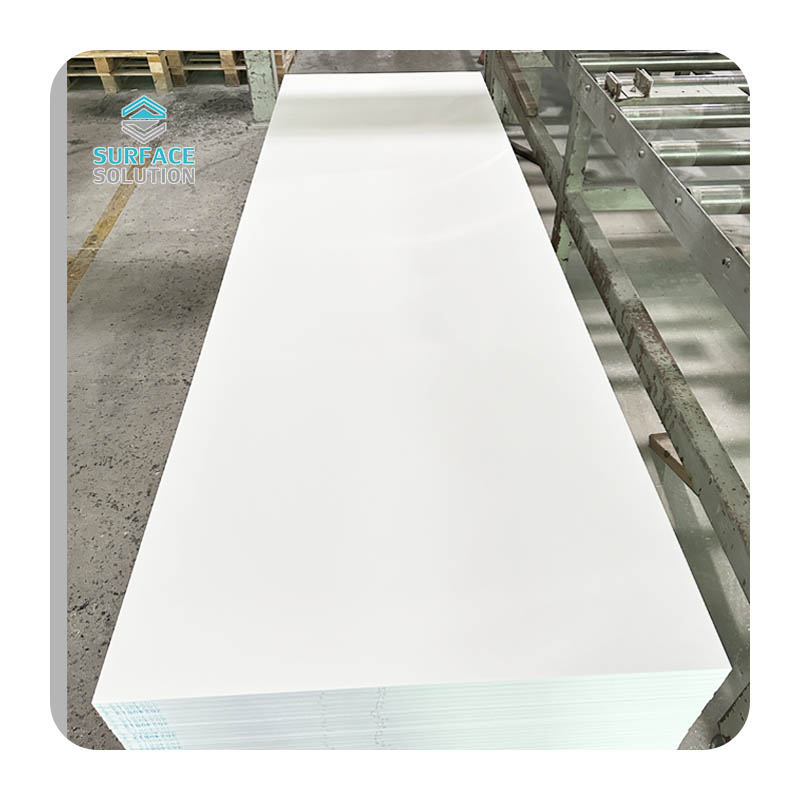 Acrylic solid surface is a premium engineered composite material widely used for kitchen countertops, vanity tops, wall panels, custom furniture and commercial interior projects. Many people confuse it with pure acrylic sheet or natural marble, but it is a carefully formulated blend of mineral powde
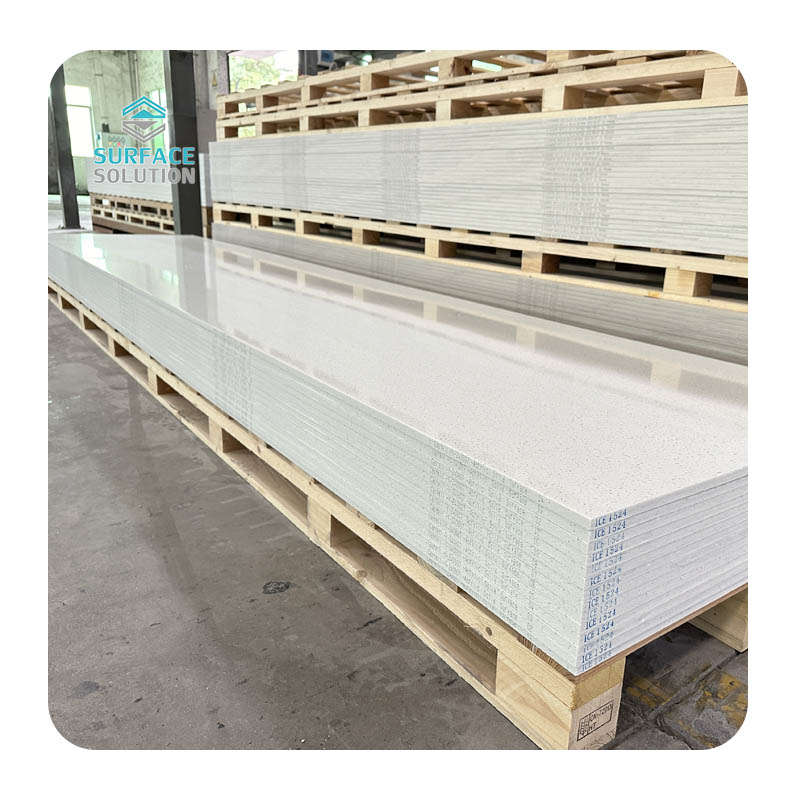 Kitchens and bathrooms are the most frequently used and easily worn spaces in residential and commercial buildings, where countertops face constant spills, moisture, friction, and daily stains. Compared with traditional materials such as natural marble, granite, quartz stone, and laminate, acrylic s


