Acrylic Solid Surfaces in Healthcare Facilities: Benefits and Applications
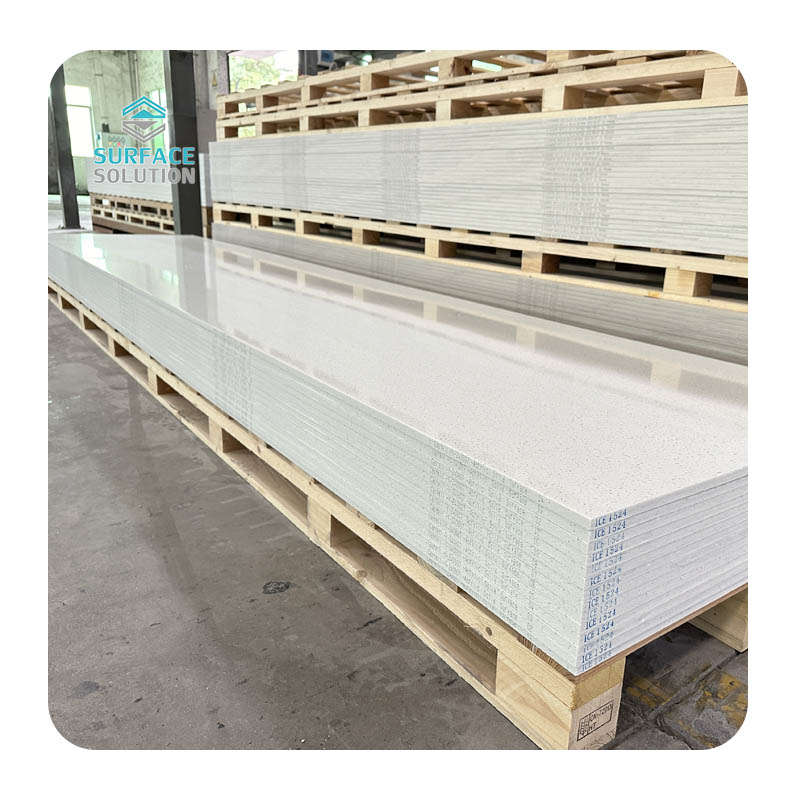
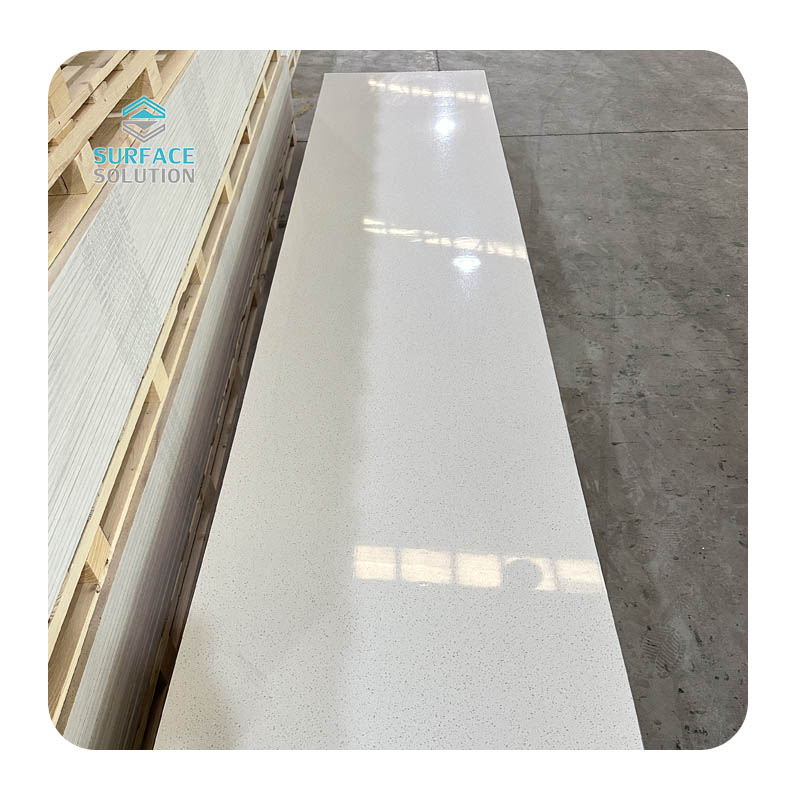
Healthcare facilities demand high-performance building materials that prioritize hygiene, safety, durability, and functional flexibility. Every surface in hospitals, clinics, laboratories, and dental offices must withstand rigorous sanitization, heavy daily traffic, and strict infection control standards while maintaining a clean and patient-friendly environment. Among modern construction materials, acrylic solid surfaces have emerged as a premier solution for healthcare interior design. Engineered from pure acrylic resin, mineral fillers, and pigments, this seamless, non-porous material addresses the unique challenges of medical environments, outperforming traditional alternatives like tile, laminate, and natural stone. This article explores the core benefits of acrylic solid surfaces in healthcare settings and their versatile practical applications across diverse medical spaces.
Core Benefits of Acrylic Solid Surfaces for Healthcare
1. Superior Hygiene and Infection Prevention
The most critical advantage of
acrylic solid surfaces in healthcare is their exceptional hygienic performance. Unlike porous materials such as natural stone and grouted tile, acrylic solid surfaces feature a completely non-porous, smooth texture with no hidden cracks, crevices, or gaps where bacteria, mold, mildew, and viruses can accumulate and proliferate. Independent microbiological studies have verified that these surfaces do not support microbial growth, effectively reducing the risk of Healthcare-Associated Infections (HAIs)—a top priority for medical institutions worldwide.
Many premium acrylic solid surface products are integrated with advanced antimicrobial technologies, such as silver-ion or BioCote® additives, which continuously inhibit bacterial reproduction between routine cleanings. Additionally, the material tolerates repeated applications of harsh medical-grade disinfectants, alcohol-based sanitizers, and chemical cleaners without degradation, discoloration, or surface damage. This compatibility with strict sanitization protocols ensures consistent sterility in high-risk medical areas and simplifies daily infection control workflows for medical staff.
2. Seamless Integration and Easy Maintenance
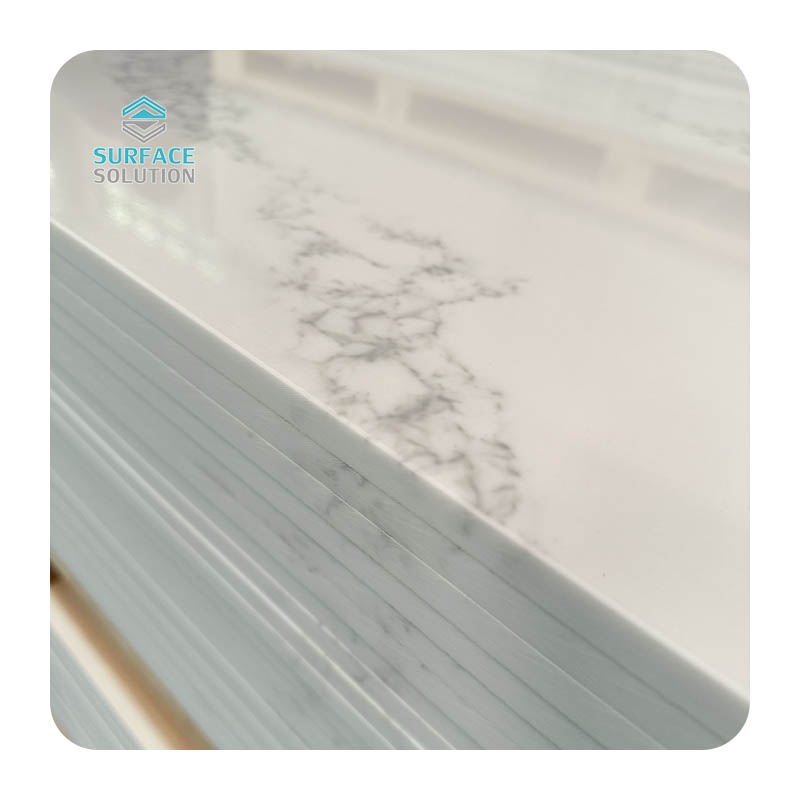
Acrylic solid surfaces can be thermoformed and joined with specialized adhesives to create invisible, seamless joints, eliminating the grout lines and gaps that are common contamination hotspots in traditional surfacing materials. Continuous, uninterrupted surfaces cover large wall panels, countertops, and workstations, enabling thorough, hassle-free cleaning with simple wiping routines. Unlike tile or laminate that harbors dirt in worn seams or peeling layers, acrylic solid surfaces retain a fully sanitizable surface long-term.
A unique renewable feature further distinguishes this material: minor scratches, scuffs, and surface wear caused by daily medical operations can be easily sanded and polished away to restore the original smooth finish. This repairability avoids costly full replacements and maintains consistent hygienic and aesthetic standards over decades of use, significantly reducing long-term facility maintenance costs.
3. Exceptional Durability and Safety
Healthcare spaces endure intensive daily use, including heavy equipment placement, frequent patient and staff movement, and constant cleaning. Acrylic solid surfaces deliver outstanding mechanical durability, resisting stains, impacts, abrasion, and moisture penetration even in high-traffic and wet medical zones. They maintain structural stability and surface integrity under long-term heavy wear, making them suitable for rigorous clinical environments.
Beyond durability, the material prioritizes human safety. It is emission-free and non-toxic, complying with international environmental and indoor air quality standards to create healthy breathing environments for patients, medical staff, and visitors. Fabricable with smooth, rounded edges and slip-resistant surface options, acrylic solid surfaces also minimize collision injuries and slip risks, critical for protecting vulnerable patients, elderly users, and busy medical personnel. Its water-resistant property additionally prevents moisture buildup and mold growth in humid areas such as patient bathrooms and rehabilitation rooms.
4. Versatile Design and Therapeutic Aesthetics
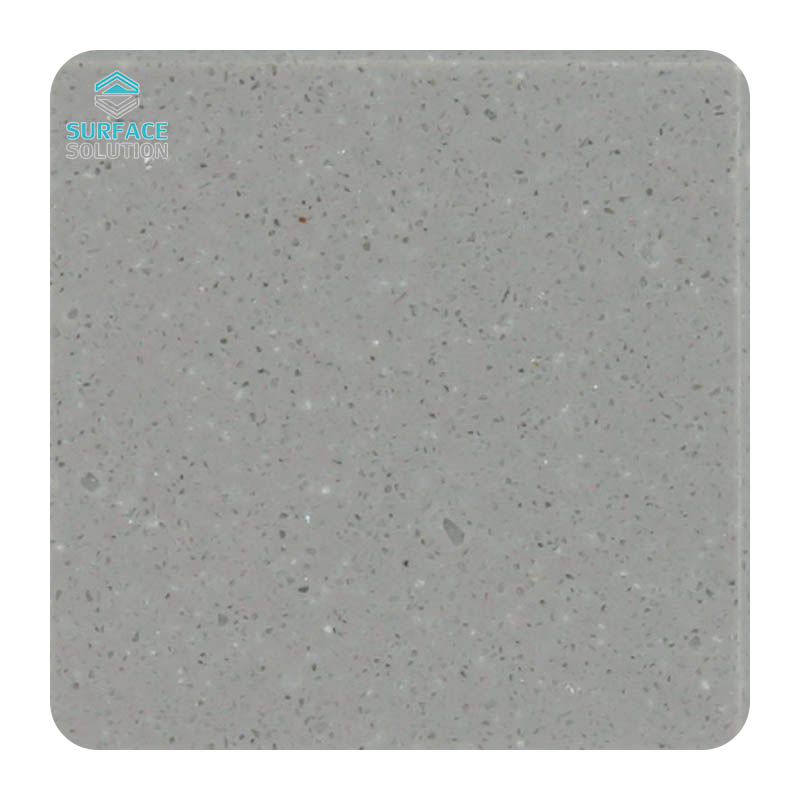
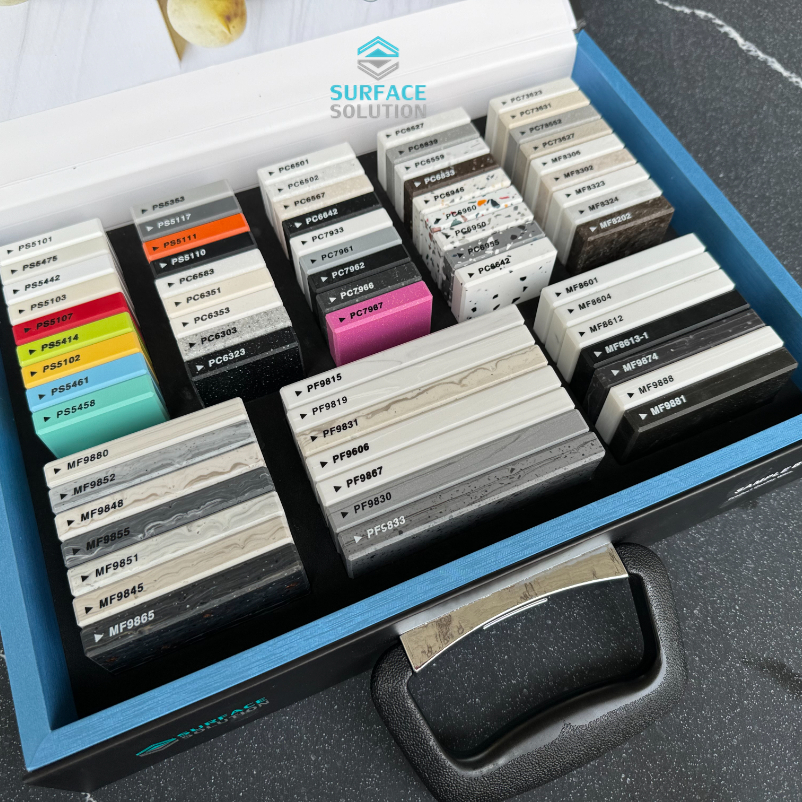
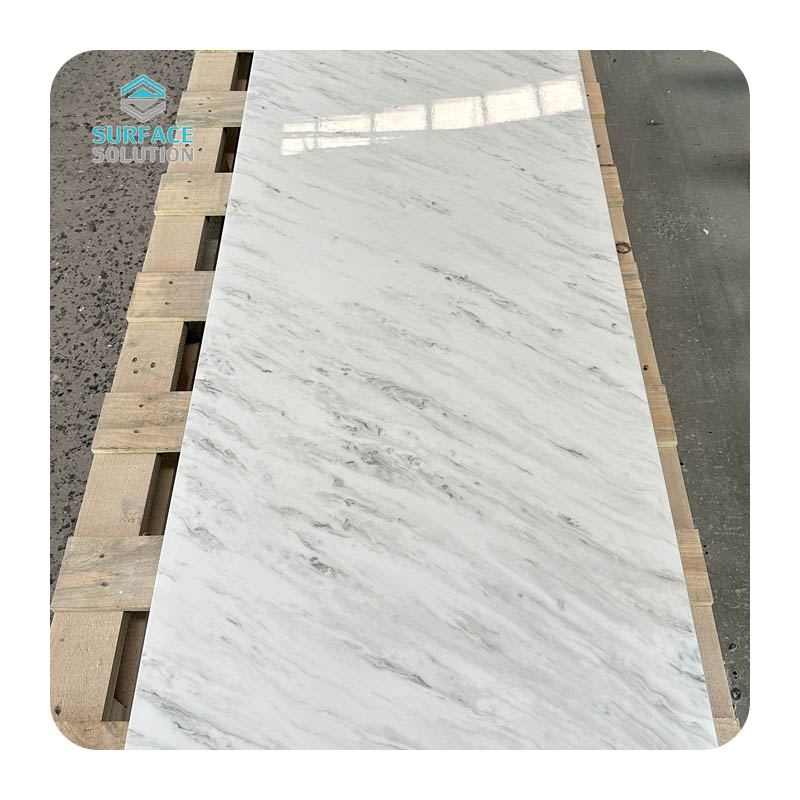
Modern healthcare design increasingly recognizes the impact of environmental aesthetics on patient recovery and mental well-being. Acrylic solid surfaces offer extensive design flexibility with a wide spectrum of colors, textures, and finishes, ranging from neutral calming tones to customized shades tailored for therapeutic environments. The material can be thermoformed into diverse shapes, curved panels, integrated sinks, and customized workstations, enabling cohesive, minimalist interior designs that eliminate cluttered, hard-to-clean corners.
Unlike rigid, single-purpose traditional materials, acrylic solid surfaces unify functional practicality with visual comfort. Its smooth, matte finishes reduce glare in operating rooms and examination rooms, while soft color palettes alleviate patient anxiety and create a warm, reassuring atmosphere in wards and waiting areas. This blend of functionality and aesthetics helps transform sterile clinical spaces into healing-centered environments.
Key Healthcare Applications of Acrylic Solid Surfaces
1. Operating Rooms and Sterile Surgical Zones
Operating rooms require the highest level of sterility and surface reliability. Acrylic solid surfaces are widely used for surgical countertops, wall cladding, instrument workstations, and scrub station panels in these critical areas. Their seamless, non-porous structure eliminates microbial hiding places, while resistance to high-frequency disinfection and surgical chemical agents ensures zero cross-contamination risks. The material’s smooth, glare-free surface also supports precise surgical operations and simplifies post-surgery full-scale sterilization.
2. Laboratories and Medical Testing Facilities
Medical laboratories, pathology rooms, and research centers demand surfaces that resist chemical corrosion and prevent sample contamination. Acrylic solid surface workbenches, testing countertops, and cabinet panels are ideal for these spaces, as they withstand exposure to reagents, solvents, and biological samples without staining or deteriorating. Seamless installation prevents residual sample or chemical buildup, ensuring accurate test results and compliant laboratory hygiene standards.
3. Patient Wards and Residential Medical Spaces
In general wards, intensive care units (ICUs), and rehabilitation rooms, acrylic solid surfaces are applied to bedside tables, overbed tables, ward wall panels, window sills, and integrated handwashing stations. The non-toxic, easy-to-clean material adapts to daily patient care needs, while its repairable surface resists damage from wheelchairs, medical beds, and care equipment. Custom soft color designs create a soothing, low-stress environment conducive to patient recovery, and moisture-resistant properties prevent mold growth in patient restrooms and bathing areas.
4. Nurse Stations and Administrative Work Areas
Nurse stations are the core operational hubs of hospital wards, featuring high daily contact frequency and heavy document and equipment placement. Acrylic solid surface reception countertops, work desks, and partition panels offer durable, stain-resistant performance for long-hour operational use. Seamless custom fabrication fits diverse space layouts, while easy daily wiping and occasional deep polishing maintain a tidy, professional workspace for medical staff.
5. Dental Clinics and Specialized Medical Offices
Dental environments require strict hygiene control due to frequent oral treatment and close contact with patient bodily fluids. Acrylic solid surfaces are commonly used for dental unit countertops, treatment consoles, sink surrounds, and waiting room furnishings. Their stain resistance effectively handles dental materials and disinfectant residues, while seamless surfaces eliminate bacterial accumulation, meeting the stringent hygiene requirements of dental treatment spaces.
6. Public and Waiting Areas
Hospital lobbies, waiting halls, and consultation areas experience massive daily pedestrian flow. Acrylic solid surface reception desks, public seating panels, and wall cladding deliver excellent wear resistance and easy maintenance. The diverse color and texture options also enhance the overall interior consistency of medical facilities, creating a clean, modern, and trustworthy public environment for patients and visitors.
Conclusion
Acrylic solid surfaces have redefined modern healthcare interior construction by integrating superior hygienic performance, long-term durability, low maintenance costs, and flexible design capabilities. As healthcare industries worldwide continue to prioritize infection control, patient safety, and healing environment optimization, this high-performance material has become an indispensable choice for hospital renovation and new medical facility construction. Unlike traditional surfacing materials that compromise on hygiene, durability, or aesthetics, acrylic solid surfaces perfectly align with the rigorous functional and environmental requirements of diverse medical scenarios. Moving forward, with continuous material innovation and customized design solutions, acrylic solid surfaces will further expand its applications in precision medical and intelligent healthcare spaces, supporting safer, cleaner, and more human-centered medical environments.