Future Trends: What's Next for Acrylic Solid Surfaces in Interior Design
As interior design evolves toward minimalism, sustainability, and smart functionality, materials have become the core driver of spatial innovation. Among mainstream decorative materials,
acrylic solid surfaces have long stood out for their seamless integration, exceptional durability, and versatile moldability. Long favored by designers for residential, commercial, and hospitality projects, this high-performance composite material is no longer limited to traditional kitchen countertops and bathroom vanities. With continuous technological iterations and aesthetic upgrades, acrylic solid surfaces are embracing transformative changes, reshaping modern interior aesthetics and setting new industry benchmarks for functional and eco-friendly design. Looking ahead, five pivotal trends will define the next chapter of acrylic solid surfaces in interior design.
1. Sustainable Bio-Based Formulas Lead Green Material Evolution
Sustainability has shifted from a design slogan to a non-negotiable industry standard, pushing
acrylic solid surface manufacturers to abandon traditional high-carbon production formulas. The most groundbreaking trend is the rapid rise of
bio-based acrylic solid surfaces, which replace partial petroleum-based resins with renewable raw materials such as plant fibers and bamboo extracts. This innovative formula drastically reduces carbon emissions during production while maintaining the original material’s core advantages—seamless splicing, scratch resistance, and repairability.
Beyond raw material optimization, circular design practices are becoming mainstream. Modern acrylic solid surfaces support full recycling and secondary processing, effectively reducing construction waste compared to non-renewable natural stone and single-use decorative panels. Additionally, low-VOC, formaldehyde-free production technologies have been widely popularized, enabling the material to meet strict indoor environmental safety standards. In future interior design, bio-based, low-carbon, and recyclable acrylic
solid surfaces will become the preferred green material for high-end residences, green buildings, and zero-carbon commercial spaces, perfectly aligning with the global sustainable development agenda.
2. Smart Functional Integration Redefines Spatial Practicality
The boom of smart home and intelligent commercial space design has unlocked unprecedented functional potential for
acrylic solid surfaces. Thanks to its stable chemical properties, excellent light transmittance, and moldable structure, the material can seamlessly integrate with various smart hardware without compromising surface integrity or aesthetic consistency. This emerging "smart solid surface" trend is breaking the boundary between decorative materials and functional equipment.
In practical applications, manufacturers are embedding flexible LED strips, touch-sensitive sensors, wireless charging modules, and temperature-sensing components into acrylic panels. Backlit translucent acrylic walls and countertops have become a staple of minimalist luxury interiors, creating soft, layered ambient lighting. Touch-control acrylic tabletops and vanity tops support intelligent light adjustment and device charging, greatly improving space utilization. Moreover, silver-ion antimicrobial additives are being universally embedded in the acrylic matrix, achieving a 99.9% inhibition rate of harmful bacteria. This hygienic, smart, and durable upgrade makes acrylic solid surfaces ideal for high-standard scenarios such as medical spaces, childcare facilities, and high-traffic commercial areas.
3. Lightweight & Transparent Aesthetics Reshape Spatial Boundaries
The popular "Light Space" design concept, which advocates visual openness, low spatial pressure, and structural simplification, is driving a comprehensive aesthetic upgrade of acrylic solid surfaces. Traditional thick, single-color acrylic panels are gradually being replaced by ultra-thin, lightweight, and high-transparency versions. New lightweight acrylic solid surface panels reduce self-weight by nearly 30% while retaining structural stability, expanding their application from horizontal countertops to vertical decorations such as feature walls, partition screens, elevator interiors, and retail display walls.
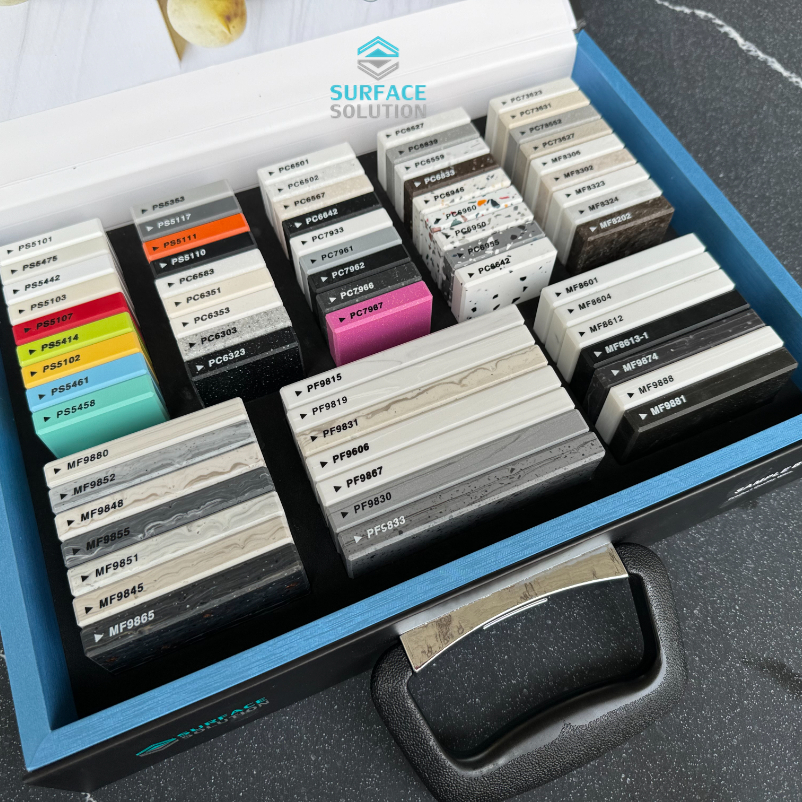
Aesthetic diversification is another key trend. Beyond classic pure white and solid colors, 2026’s mainstream acrylic textures cover natural terrazzo patterns, concrete matte finishes, soft mineral textures, and earthy tone gradients including slate gray, terracotta, and olive green. These natural, low-saturation tones fit perfectly with modern minimalist, wabi-sabi, and contemporary natural design styles. Meanwhile, the seamless hot-melt splicing technology enables integrated molding of curved surfaces, arcs, and irregular shapes, allowing designers to break rigid spatial boundaries and create fluid, continuous, and artistic interior spaces.
4. Digital Customization & Precision Fabrication Boost Personalized Design
With the maturity of CNC digital machining, 3D modeling, and intelligent cutting technologies, acrylic solid surface production has entered the era of full-scene personalized customization. In the past, material specifications and textures were limited by traditional mold production, failing to meet designers’ innovative personalized demands. Today, digital fabrication technology supports arbitrary customization of panel size, curvature, texture, color gradient, and embedded patterns, from small-sized furniture components to large-area integrated wall and ceiling systems.
This technological upgrade greatly improves design flexibility and construction efficiency. For high-end customized projects such as luxury apartments, boutique hotels, and brand retail stores, designers can tailor exclusive acrylic solid surface solutions according to spatial logic and design themes. The precise digital processing also eliminates splicing gaps and surface flaws, delivering higher flatness and finish quality than traditional manual construction. In the future, combined with AI design simulation technology, acrylic solid surface customization will realize one-click scheme generation and effect preview, further optimizing the design and construction process.
5. Cross-Material Composite Design Creates Layered Spatial Effects
Single-material design can no longer meet the layered and diversified aesthetic needs of modern interiors, driving the booming cross-material composite application of acrylic solid surfaces. Designers are increasingly combining acrylic solid surfaces with wood, metal, glass, textiles, and natural stone to create rich visual and tactile contrasts.
Common composite designs include warm wood-grain substrates matched with matte acrylic countertops, metal black hardware embellished on earthy-tone acrylic walls, and translucent acrylic panels paired with frosted glass to create layered light and shadow effects. This combination balances the warmth of natural materials and the durability of synthetic materials, avoiding the cold rigidity of single industrial materials and the fragility of natural materials. In addition, composite structure optimization enhances the material’s heat resistance, UV stability, and impact resistance, enabling it to adapt to semi-outdoor spaces such as balconies and sunrooms, expanding its application boundaries in interior design.
Conclusion
Acrylic solid surfaces are evolving from a single functional decorative material to a multi-dimensional, eco-friendly, and intelligent design carrier. Driven by sustainable formula innovation, smart functional integration, lightweight aesthetic upgrading, digital precise customization, and cross-material composite design, this classic material is continuously injecting new vitality into modern interior design. In the next few years, acrylic solid surfaces will further penetrate high-end residential, commercial, medical, and hospitality fields, becoming a core material that balances aesthetics, practicality, environmental protection, and intelligence. For designers and space planners, grasping these trends will be key to creating more futuristic, comfortable, and sustainable interior spaces.


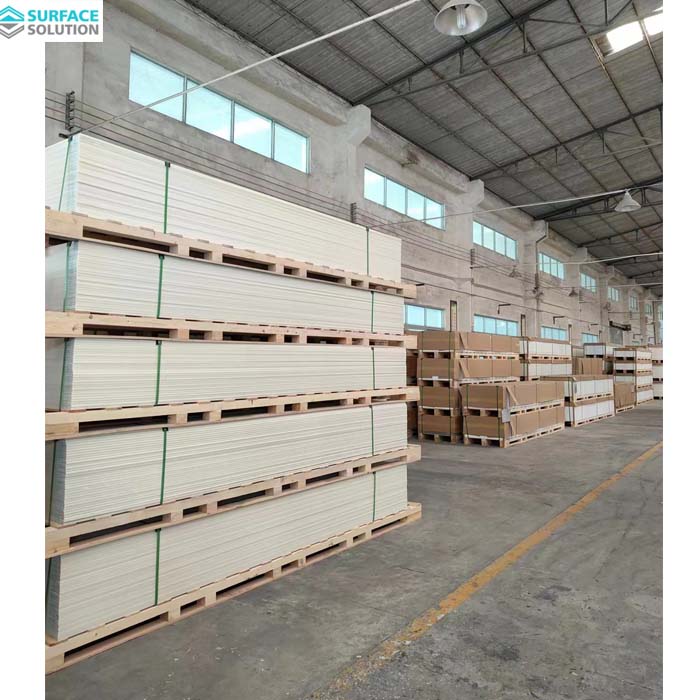
 White acrylic solid surface remains a top-selling option for distributors, wholesalers and project contractors, widely specified for kitchen countertops, bathroom vanities, hotel vanity tops, commercial reception counters and custom tabletops. A common question from your downstream buyers is straigh
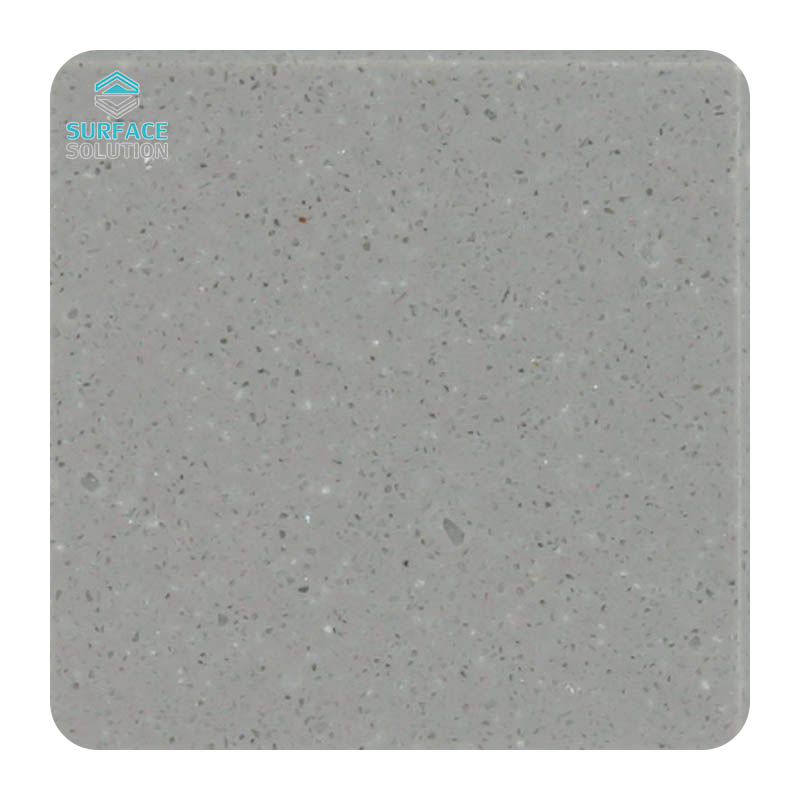 When renovating kitchens, bathrooms or commercial spaces, homeowners and designers often weigh different countertop materials. Acrylic solid surface is one of the most popular options, but a common question remains: is it durable enough for everyday use?Acrylic solid surface countertops are manufact
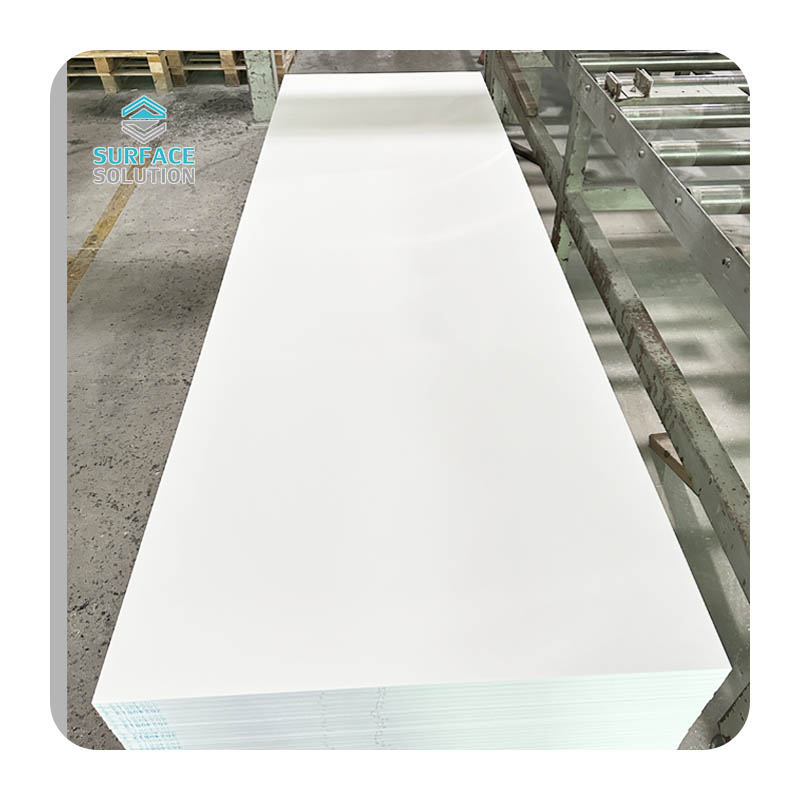 Acrylic solid surface is a premium engineered composite material widely used for kitchen countertops, vanity tops, wall panels, custom furniture and commercial interior projects. Many people confuse it with pure acrylic sheet or natural marble, but it is a carefully formulated blend of mineral powde
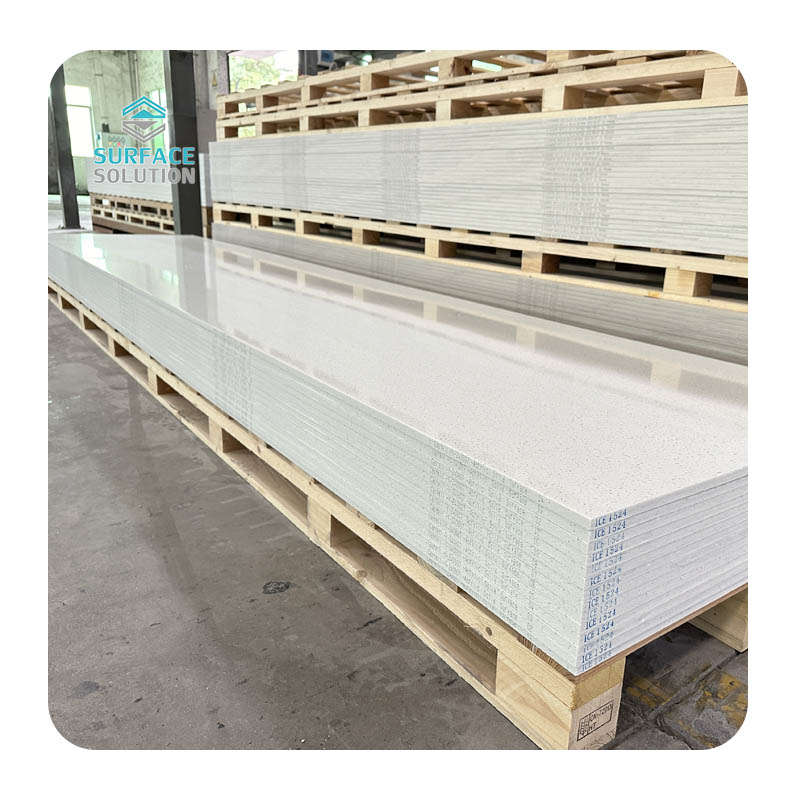 Kitchens and bathrooms are the most frequently used and easily worn spaces in residential and commercial buildings, where countertops face constant spills, moisture, friction, and daily stains. Compared with traditional materials such as natural marble, granite, quartz stone, and laminate, acrylic s