Acrylic Solid Surface Material Maintenance: Do's and Don'ts
Acrylic solid surface materials have become a popular choice for countertops, vanities, and wall claddings in both residential and commercial spaces. Renowned for their seamless appearance, durability, and resistance to stains, these materials offer a sleek and modern aesthetic. However, to preserve their beauty and functionality over time, proper maintenance is crucial. This guide outlines the essential do's and don'ts to help you care for your acrylic solid surface effectively. The Do's of Acrylic Solid Surface Maintenance
1. Clean Regularly with Mild, Non-Abrasive Products
Routine cleaning is the foundation of keeping acrylic solid surfaces in top condition. For daily upkeep, use a soft cloth or sponge with a mild, non-abrasive cleaner—such as dish soap mixed with warm water. This combination effectively removes everyday spills, dirt, and grime without scratching the surface. For tougher stains like coffee, tea, or juice, opt for a pH-neutral cleaner specifically formulated for acrylic surfaces. Always wipe the surface dry after cleaning to prevent water spots, especially in areas prone to moisture, like bathroom vanities. 2. Protect Against Heat with Trivets or Hot Pads
While acrylic solid surfaces have some heat resistance, they are not impervious to high temperatures. To avoid heat damage—such as discoloration, warping, or cracking—always use trivets, hot pads, or heat-resistant mats under hot cookware, kettles, or hair styling tools. Even brief exposure to extreme heat, like placing a hot pan directly on the surface, can cause permanent damage. Taking this simple precaution will significantly extend the life of your acrylic surface.
3. Address Spills Immediately
Acrylic solid surfaces are stain-resistant, but prompt action is still key to preventing stubborn stains. As soon as a spill occurs—whether it's wine, oil, sauce, or cosmetics—blot it up with a clean, absorbent cloth. Avoid wiping the spill, as this can spread the substance and make it harder to remove. For acidic spills like vinegar or citrus juice, clean the area immediately with a mild cleaner to prevent potential etching, even though acrylic is less susceptible to etching than natural stone.
4. Use Soft Tools for Scratch Removal
Minor scratches are inevitable with regular use, but they can often be repaired at home. For light scratches, use a non-abrasive polishing compound designed for acrylic surfaces. Apply a small amount of the compound to a soft cloth and rub the scratch in a circular motion until it fades. For deeper scratches, start with a fine-grit sandpaper (such as 400-grit) to gently sand the area, then gradually move to a higher grit (800-grit or 1200-grit) to smooth the surface. Finish with the polishing compound to restore the shine. Always test the sandpaper or compound on an inconspicuous area first to ensure it doesn't damage the surface.
5. Conduct Regular Inspections
Make it a habit to inspect your acrylic solid surfaces regularly for signs of damage, such as cracks, chips, or discoloration. Early detection of issues allows for timely repairs, preventing small problems from turning into larger, more costly ones. Pay extra attention to seams, as these areas can sometimes separate over time. If you notice any damage that you can't repair yourself, contact a professional installer or maintenance service for assistance.
The Don'ts of Acrylic Solid Surface Maintenance
1. Don't Use Abrasive Cleaners or Tools
Abrasive cleaners, such as scouring powders, steel wool, or harsh scrub brushes, can scratch and dull the surface of acrylic solid materials. These scratches not only mar the appearance but also create crevices where dirt and bacteria can accumulate, making the surface harder to clean. Avoid using cleaners that contain ammonia, bleach, or other harsh chemicals, as they can break down the acrylic material and cause discoloration.
2. Don't Place Hot Items Directly on the Surface
As mentioned earlier, acrylic solid surfaces are not heatproof. Placing hot pots, pans, or other heated objects directly on the surface can cause irreversible damage, including burns, warping, or cracking. Even items like curling irons or straighteners, which reach high temperatures, can leave permanent marks. Always use heat-resistant barriers to protect the surface.
3. Don't Ignore Stubborn Stains or Let Them Sit
While acrylic is resistant to most stains, some substances—like permanent markers, oil-based paints, or nail polish—can be more difficult to remove if left on the surface for an extended period. Don't let these stains sit; instead, address them as soon as possible. For permanent marker, use a cotton ball dampened with rubbing alcohol to gently blot the stain. For oil-based stains, use a small amount of mineral spirits on a clean cloth, then follow up with a mild cleaner. Never use sharp objects, like knives or scrapers, to remove dried-on stains, as this will scratch the surface.
4. Don't Use Sharp or Heavy Objects to Scrape the Surface
Avoid using sharp tools, such as utility knives, scissors, or scrapers, on acrylic solid surfaces. These objects can easily scratch or chip the material, and deep scratches may require professional repair. Similarly, don't drag heavy objects—like pots, pans, or appliances—across the surface, as this can cause scratches or even crack the acrylic. Always lift heavy items when moving them to prevent damage.
5. Don't Neglect Seam Maintenance
Seams are a common area of weakness in acrylic solid surface installations. Over time, the adhesive used to join the panels can deteriorate, leading to separation or water infiltration. Don't neglect seam maintenance; if you notice any gaps or cracks in the seams, clean the area thoroughly and apply a high-quality acrylic seam adhesive to seal them. If the seams are severely damaged, it's best to consult a professional to avoid further issues, such as water damage to the underlying structure.
Conclusion
Proper maintenance is essential for preserving the beauty, durability, and functionality of acrylic solid surface materials. By following these simple do's and don'ts—cleaning regularly with mild products, protecting against heat, addressing spills immediately, repairing minor scratches, and avoiding abrasive tools and harsh chemicals—you can ensure that your acrylic surfaces remain in excellent condition for years to come. With a little care and attention, acrylic solid surfaces will continue to enhance the aesthetic of your space while providing reliable performance.


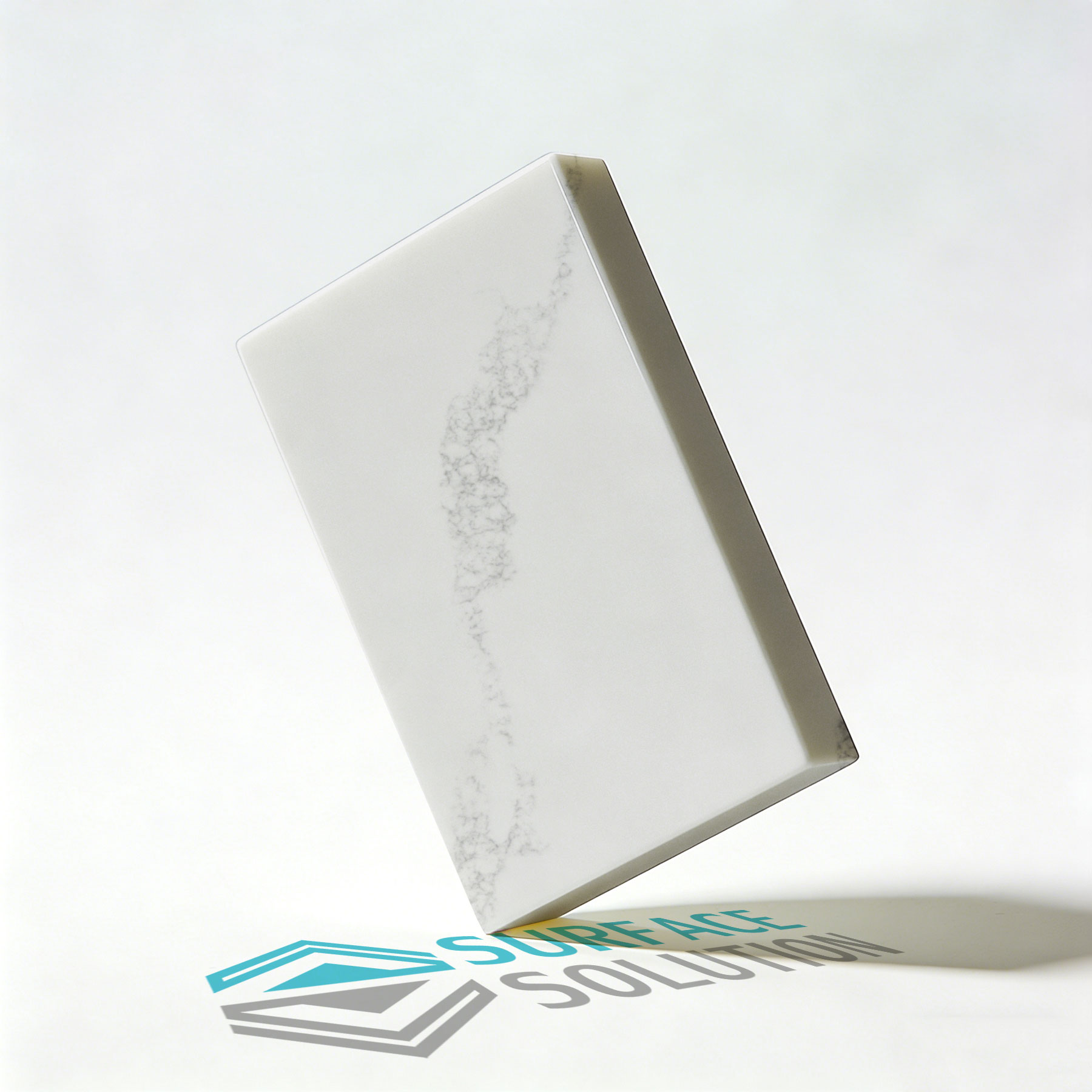 Custom Size Acrylic Solid Surface Panels for Interior RenovationInterior renovation projects often come with non‑standard dimensions, unique layout requirements and personalized design visions. Off‑the‑shelf building materials frequently fail to fit special wall sections, counter layouts or feature
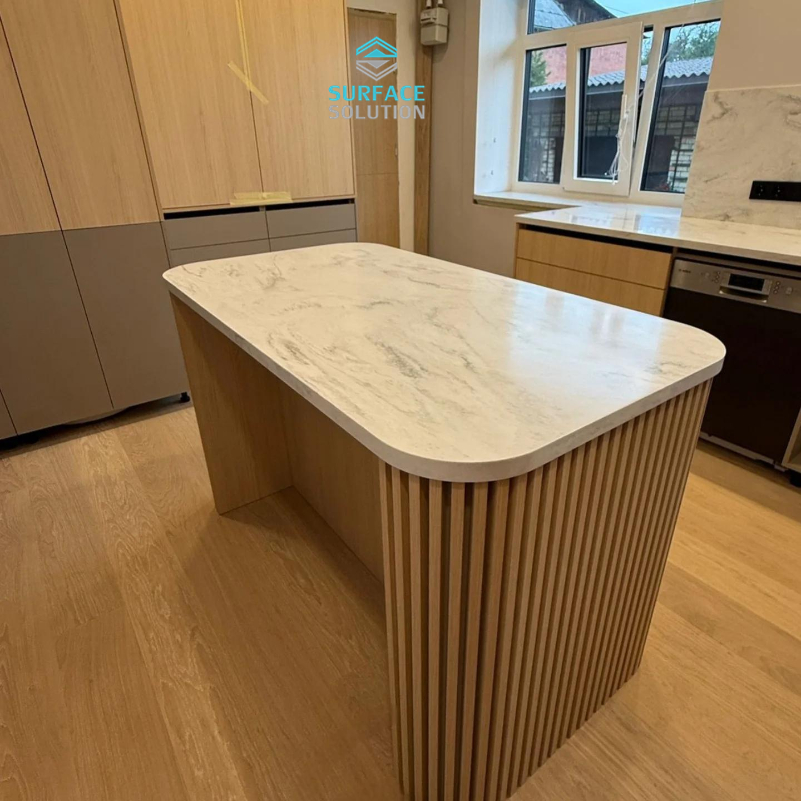 Acrylic Solid Surface Sheets for Kitchen & Bathroom CountertopsFor modern‑day kitchen and bathroom renovations, selecting the right countertop material balances visual appeal, daily practicality, and long‑term value. Acrylic solid surface sheets have grown into one of the most preferred options for
 Acrylic Solid Surface Materials: A Focal Point in Minimalist DesignsMinimalist interior design revolves around a timeless philosophy: simplicity does not equal emptiness. Instead, it focuses on clean lines, seamless spatial transitions, subtle textural layering, and functional purity. In this design
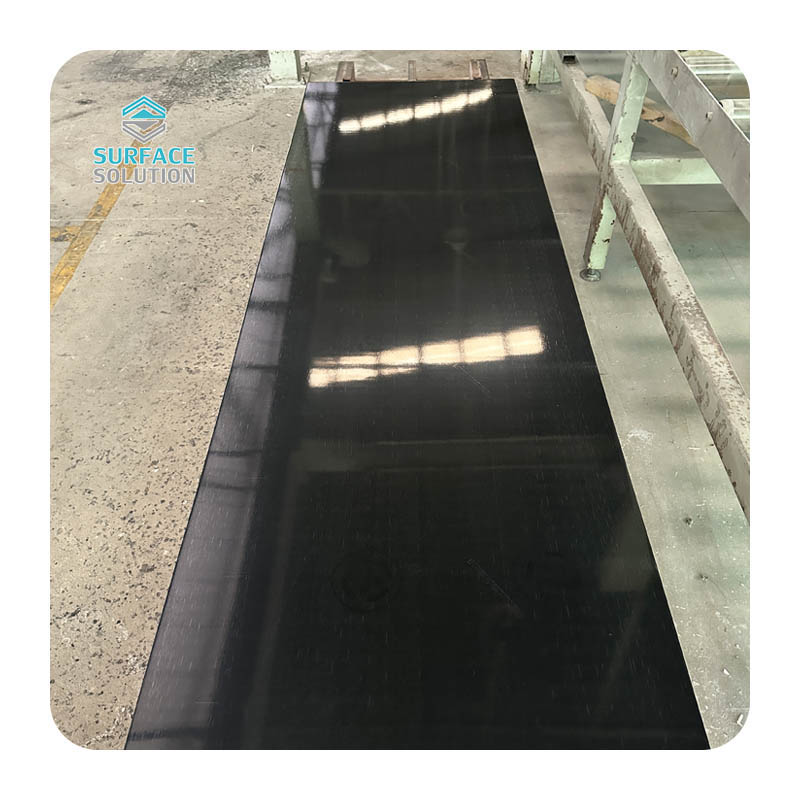 Accessorizing Your Acrylic Solid Surface Material: Tips and TricksAcrylic solid surface material has become a staple in modern interior design, celebrated for its seamless finish, non-porous durability, versatile textures, and timeless aesthetic. Widely used in kitchen countertops, bathroom vanities


