


Acrylic Solid Surface Materials: A Focal Point in Minimalist Designs


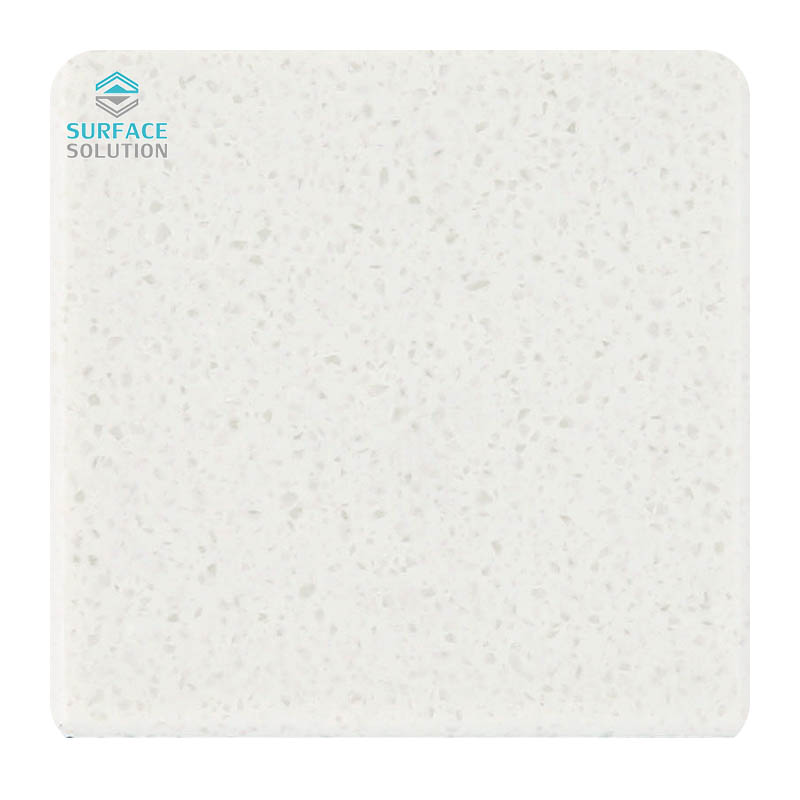
Acrylic Solid Surface Materials: A Focal Point in Minimalist Designs
Minimalist interior design revolves around a timeless philosophy: simplicity does not equal emptiness. Instead, it focuses on clean lines, seamless spatial transitions, subtle textural layering, and functional purity. In this design context, acrylic solid surface materials have emerged as an irreplaceable core element, standing out from traditional stone, wood, and tile alternatives. Boasting integrated seamless molding, non-porous hygienic properties, outstanding durability, and ultra-smooth customizable finishes, acrylic solid surfaces perfectly interpret the “less is more” aesthetic of minimalism. They are widely applied in modern minimalist kitchens, sleek bathroom vanities, integrated wall panels, space partitions, and customized minimalist furniture. While the material itself lays a pure and advanced design foundation, reasonable and delicate accessorizing is the key to helping it become a true spatial focal point rather than a plain, monotonous background. This article explores how to match and decorate acrylic solid surfaces in line with minimalist design logic, sharing practical tips to maximize their aesthetic and functional value.
1. Texture Consistency: Match Hardware to Acrylic’s Finishing Tone
Minimalist design rejects chaotic visual conflicts and advocates unified and harmonious spatial textures. For acrylic solid surfaces with different finishing effects, targeted hardware and fixture matching is the primary rule to highlight its minimalist charm. Acrylic materials are mainly divided into high-gloss, matte, and fine semi-textured three finishes, each corresponding to a unique minimalist styling logic.
High-gloss acrylic solid surfaces feature smooth, reflective and flawless surfaces, which are the best choice for modern ultra-minimalist spaces. When decorating, designers should select low-key and highly uniform polished metal accessories such as polished stainless steel, chrome and polished nickel faucets, handle trims and embedded hardware. The subtle light reflection of polished metal echoes the glossy texture of acrylic, creating a clean, transparent and advanced spatial sense without redundant decoration. It is crucial to avoid mixed matte or rough brushed hardware, as such collocations will break the integrated smoothness of minimalist spaces and cause disjointed visual layering.
Matte and fine-textured acrylics are more suitable for warm minimalist and Scandinavian minimalist styles. Paired with brushed brass, matte black, oil-rubbed bronze and brushed stainless steel fixtures, they form a soft and restrained texture combination. The frosted metal texture blends naturally with the subtle grain of matte acrylic, avoiding the coldness of pure glossy materials. Meanwhile, textured hardware can effectively hide daily water stains and fingerprints, perfectly fitting the practical and aesthetic dual requirements of minimalist high-frequency use spaces. In addition, minimalist design insists on single-metal-tone matching in a single space; unified hardware tones maintain the integrity of acrylic surface vision and avoid trivial and messy visual effects.
2. Low-Saturation Color Layering: Avoid Flatness While Sticking to Minimalism
A major challenge of all-minimalist spaces is overly single colors that lead to a flat and dull sense of space. Acrylic solid surfaces support rich solid colors and subtle natural textures, and reasonable color contrast collocation can inject layered sense into minimalist spaces without violating the simple design tone.
Light-colored acrylics including pure white, off-white and light gray are the most mainstream minimalist base materials. Their clean and bright attributes create a blank canvas for space design. To avoid sterility and emptiness, we can use low-saturation dark accessories for local contrast: dark matte wood decorations, navy and charcoal soft furnishings, and black embedded hardware can form a gentle color difference with light acrylic. This kind of collocation enriches spatial layers while maintaining the simplicity of the overall tone, which is very suitable for modern minimalist kitchens and light-style bathrooms. For a more gentle and healing minimalist atmosphere, monochromatic neutral color matching such as beige, taupe and log color can be selected to create a pure and quiet space texture.
Dark acrylic solid surfaces such as charcoal gray and deep black are the representative materials of advanced dark minimalism. Such materials have a strong visual sense of integration, so they are not suitable for high-contrast and bright-colored accessories. Warm brushed brass and silver polished hardware can add subtle luxurious details to dark surfaces, while light linen and log ornaments can weaken the heavy sense of dark acrylic and balance the space tone. For acrylic materials with subtle cloud patterns and flowing textures, the core minimalist matching principle is “decoration obeys the material”. Solid-color and ultra-simple accessories should be used to set off the natural texture of the acrylic itself, avoiding fancy decorations that distract visual focus.
3. Soft Decoration Embellishment: Warm Up the Cold Texture of Acrylic
The biggest visual feature of acrylic solid surfaces is uniform and smooth texture, which easily presents a cold and rigid sense of touch in large-area applications. Soft furnishings are the best minimalist embellishments, which can enrich tactile layers and warm the space atmosphere without destroying the simple and neat design rhythm of acrylic.
In minimalist bathroom scenes, acrylic integrated vanities can be matched with linen towels, earth-tone woven storage baskets and light-colored pure-cotton shower curtains. The natural soft texture of linen and rattan forms a delicate tactile contrast with the hard and smooth acrylic surface, turning a single functional space into a comfortable minimalist leisure area. In kitchen scenes, ultra-simple cotton placemats and linen dish towels are preferred instead of complex printed soft decorations. Small-area soft embellishments can break the monotonous sense of large-area acrylic countertops, ensuring the neatness of the minimalist operating space.
In minimalist design, soft furnishings always adhere to the principle of “less but finer”. It is necessary to avoid large-area covered fabrics and exaggerated pattern designs, which will completely cover the seamless advantages of acrylic solid surfaces and make the space lose its minimalist simplicity and refinement. Natural and primitive texture materials such as linen, cotton, rattan and jute are always the first choice for acrylic matching.

4. Light Atmosphere Creation: Highlight the Advanced Texture of Acrylic
Lighting is the invisible core accessory of minimalist design, and it is also the best tool to amplify the advantages of acrylic solid surfaces. Different from ordinary building materials, acrylic has excellent light transmission and light reflection performance, and scientific lighting design can make its smooth texture and three-dimensional sense fully presented, making it the absolute focal point of the space.
For translucent and glossy acrylic partition walls, background panels and decorative modeling surfaces, soft diffused LED light strips and warm white downlights are the most suitable choices. The gentle light penetrates the acrylic surface and forms a uniform and delicate light and shadow effect, highlighting the material’s moist and high-end texture. Soft light can eliminate the glare of high-gloss acrylic, making the minimalist space more gentle and advanced. Harsh cold white straight light should be avoided, as it will expose minor surface flaws and make the space present a rigid and cheap sense.
For matte acrylic countertops and furniture surfaces, directional spotlights and warm ambient lighting are adopted to create a quiet and restrained minimalist atmosphere. Soft light can retain the subtle matte grain of acrylic without strong reflection interference. The adjustable dimmable lighting system can switch freely between daily functional lighting and aesthetic atmosphere lighting, adapting to the diverse use needs of minimalist spaces.
5. Ultra-Minimal Decoration: Keep the Spatial Line Neat
The core competitiveness of acrylic solid surfaces in minimalist design lies in its integrated seamless lines and zero-redundant visual effect. All matching decorations must take “maintaining spatial neatness” as the premise, and excessive stacking of ornaments is the biggest taboo of acrylic minimalist matching.
For desktop surfaces such as acrylic countertops and vanities, functional minimalist ornaments are the only choice: simple ceramic storage tanks, slim metal storage trays, transparent glass ornaments and miniature succulent green plants. These delicate and small decorations enrich the spatial details without occupying a large area of acrylic surface, retaining the material’s integrated smooth visual effect. For large-area acrylic wall panels and partition facilities, physical decorations should be reduced as much as possible. The sense of design can be echoed through the coordination of space line, ground texture and lighting layout. A single embedded light strip or ultra-thin metal decorative strip can complete the detail embellishment, realizing the advanced minimalist effect of “seeing details in simplicity”.
6. Protective Matching: Sustain Minimalist Aesthetics for a Long Time
Minimalist design pursues lasting and stable aesthetic effect, so the matching of acrylic solid surfaces not only focuses on immediate visual effect, but also long-term maintenance and protection. Although acrylic materials have excellent stain resistance and scratch resistance, daily friction, high temperature and water erosion will still damage the surface finish and destroy the neat minimalist texture.
In kitchen use scenarios, soft silicone heat-insulating mats and anti-scalding pads can be laid on acrylic countertops to avoid high-temperature cookware scalding the surface and hard tableware scratching the finish. In bathrooms, waterproof and soft sink mats can prevent long-term water soaking and detergent corrosion, keeping the acrylic surface always bright and clean. In daily placement, hard and rough ornaments should be avoided to directly contact the acrylic surface. Decorative trays with soft bottom can be used for storage and arrangement, which not only protects the material texture, but also maintains the neat and orderly minimalist space state.
Conclusion
Acrylic solid surface materials are born for minimalist design. Its seamless molding, diverse textures, durable performance and pure color tone perfectly fit the core pursuit of modern minimalism. To make it a real spatial focal point, the key is not complicated decoration stacking, but precise and restrained matching design. Through unified texture hardware collocation, low-saturation color layered design, natural soft decoration embellishment, professional lighting atmosphere creation, ultra-minimal detail decoration and scientific protective matching, we can maximize the advanced sense of acrylic solid surfaces. In home decoration and commercial space design, this set of minimalist matching logic can always create clean, textured, functional and timeless high-quality spaces, interpreting the ultimate charm of modern minimalist design.
Catalogue
Related Blogs
-
 Acrylic Solid Surface Materials: A Focal Point in Minimalist DesignsMinimalist interior design revolves around a timeless philosophy: simplicity does not equal emptiness. Instead, it focuses on clean lines, seamless spatial transitions, subtle textural layering, and functional purity. In this design
 -
 Accessorizing Your Acrylic Solid Surface Material: Tips and TricksAcrylic solid surface material has become a staple in modern interior design, celebrated for its seamless finish, non-porous durability, versatile textures, and timeless aesthetic. Widely used in kitchen countertops, bathroom vanities
 -
 Artificial Stone Door Surrounds: Elevating EntrywaysThe entryway of a home is far more than a mere transitional space—it is the first impression of a property, a subtle reflection of the owner’s aesthetic taste, and a bridge connecting outdoor landscapes with indoor comfort. Among countless decorati
 -
 Artificial Stone in Hotel Interiors: Luxury and DurabilityIn high-end hotel design, materials must balance timeless elegance with daily heavy use—and artificial stone has become the top choice for modern luxury interiors. Unlike natural stone, premium acrylic and modified solid surface delivers cons


