Accessorizing Your Acrylic Solid Surface Material: Tips And Tricks


Accessorizing Your Acrylic Solid Surface Material: Tips and Tricks
Acrylic solid surface material has become a staple in modern interior design, celebrated for its seamless finish, non-porous durability, versatile textures, and timeless aesthetic. Widely used in kitchen countertops, bathroom vanities, wall panels, partition screens, and custom furniture, this adaptable material delivers a sleek, uniform base for any space. However, even the highest-quality acrylic solid surfaces can feel plain or uninspired without thoughtful accessorizing. The right decorative and functional pairings can elevate its inherent beauty, balance texture and tone, and transform ordinary surfaces into designer-level focal points. Below are practical, professional-approved tips and tricks to accessorize acrylic solid surfaces for a cohesive, sophisticated, and long-lasting finish.
1. Match Hardware and Fixtures to Surface Finishes
The foundation of successful acrylic solid surface accessorizing lies in matching hardware and functional fixtures to the material’s finish and edge profile. Unlike rigid natural stone, acrylic solid surfaces come in three core finishes—glossy, matte, and semi-textured—each requiring tailored fixture pairings to avoid visual clashing and maximize aesthetic harmony.
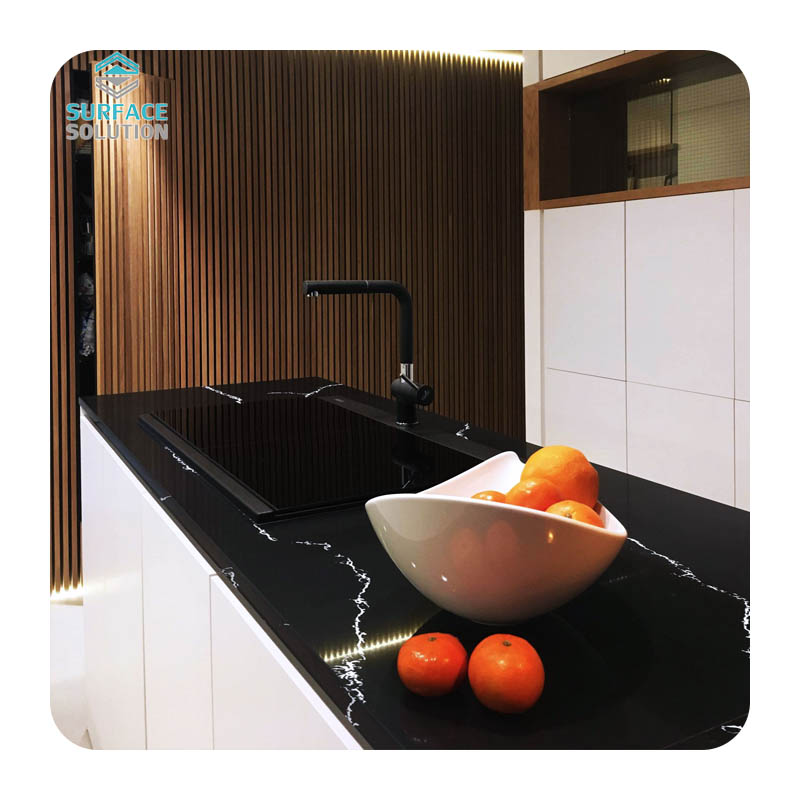
For glossy acrylic surfaces with a reflective, mirror-like sheen, opt for polished hardware such as chrome, polished nickel, or stainless steel faucets, handles, and trim. These shiny metallic accents mirror the surface’s light-reflecting properties, amplifying a clean, luxurious, and modern vibe ideal for contemporary kitchens and minimalist bathrooms. Avoid overly matte or brushed metal here, as their flat texture will create an awkward, disjointed contrast with the high-shine acrylic finish.
For matte and textured acrylic solid surfaces, choose brushed stainless steel, matte black, oil-rubbed bronze, or brushed brass fixtures. The soft, muted textures of these metals complement the subtle grain and understated elegance of matte acrylic, creating a warm, grounded atmosphere perfect for farmhouse, industrial, and Scandinavian-style spaces. Textured hardware also hides daily water spots and fingerprints, a practical bonus for high-traffic surfaces.
A universal rule to follow: limit metallic tones to one or two types per space. Mixing chrome, brass, and black hardware simultaneously disrupts the seamless unity that makes acrylic solid surfaces so visually appealing.

2. Balance Color Contrast for Layered Depth
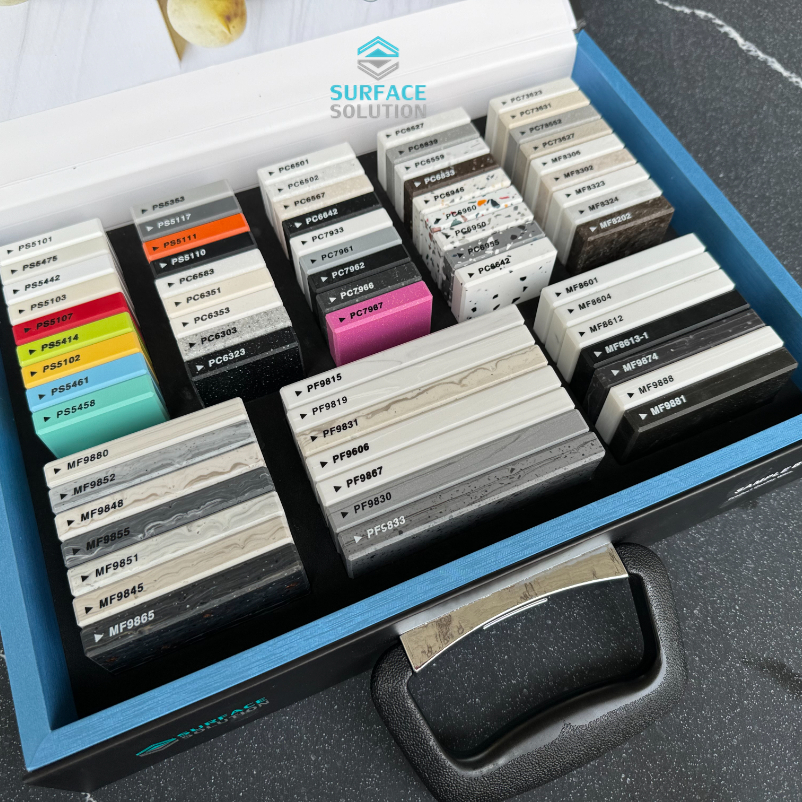
Acrylic solid surfaces are available in diverse hues, from pure white and neutral gray to soft beige, deep black, and subtle cloud-like veined patterns. Skillful color contrasting is the easiest way to add visual depth without overwhelming the material’s clean simplicity.
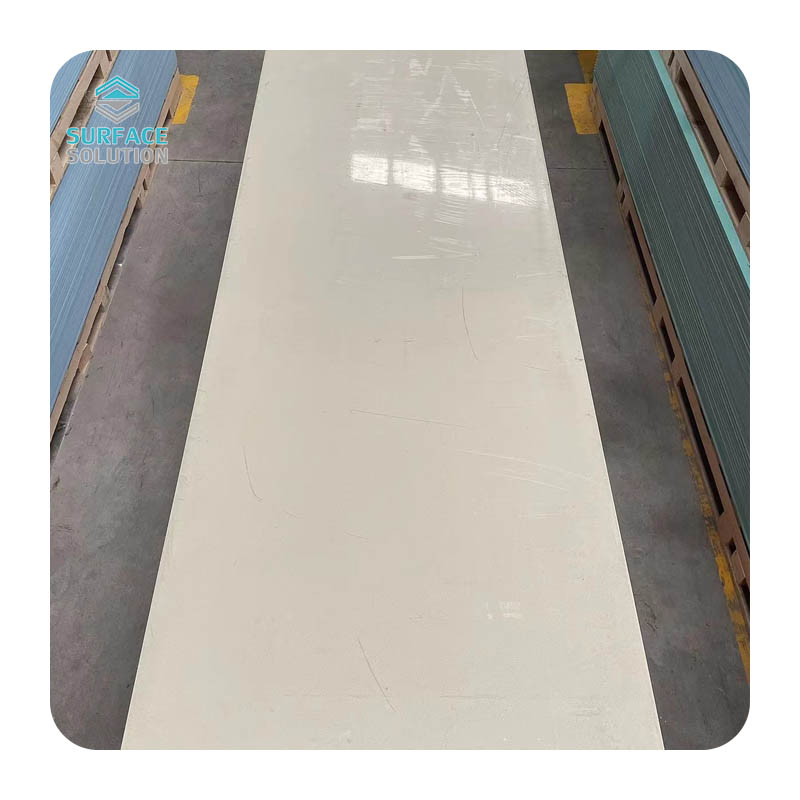
Light-toned acrylic surfaces (white, off-white, light gray) are the most versatile base for bold contrast. Pair them with dark matte hardware, dark wood accessories, or deep-toned decor (navy, forest green, charcoal) to create a striking, layered look that prevents bright surfaces from feeling flat or sterile. For a soft, airy aesthetic ideal for bedrooms and light-filled bathrooms, stick to monochromatic neutral accessories in cream, taupe, and light wood tones.
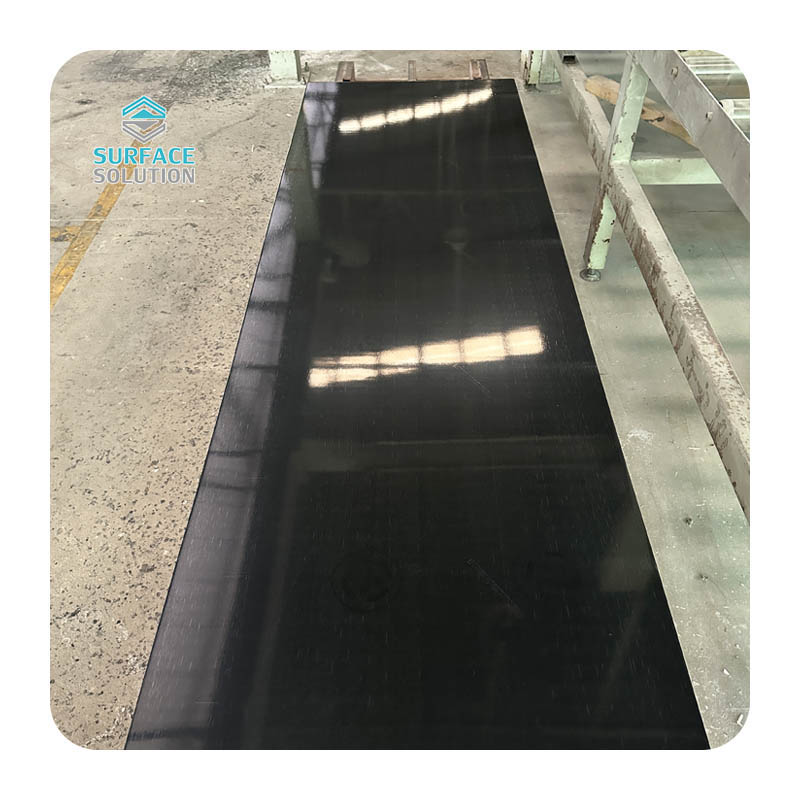
Dark acrylic solid surfaces (charcoal, black, dark brown) thrive on low-contrast, warm pairings. Polished silver or brushed brass fixtures add subtle luxury without creating jarring visual tension, while light-colored textiles and pale wood decor soften the heaviness of dark surfaces. Avoid overly bright, neon accessories, which clash sharply with dark acrylic and compromise the space’s sophisticated tone.
For patterned acrylic surfaces with subtle cloud or flow textures, keep accessories simple and solid-colored. Let the material’s natural delicate texture take center stage, and use accessories only to stabilize the overall color palette.
3. Use Soft Furnishings to Add Warmth and Texture
One inherent trait of acrylic solid surface is its smooth, uniform texture, which can feel slightly cold if unadorned. Soft furnishings are the perfect solution to infuse warmth, comfort, and tactile variety while preserving the material’s modern elegance. This trick works exceptionally well for acrylic countertops, vanity tops, and acrylic-clad console tables.
In bathroom spaces, pair acrylic vanities with linen towels, fabric shower curtains, and woven storage baskets in neutral or muted earth tones. The soft fabric and woven textures perfectly offset the sleek hardness of acrylic, turning a functional bathroom into a cozy retreat. For kitchen acrylic countertops, use subtle textile accessories like cotton placemats, linen dish towels, and slim fabric storage pouches to break up the monotonous smoothness without cluttering the workspace.
When selecting soft furnishings, prioritize natural, low-saturation textures—linen, cotton, rattan, and jute are top choices. Avoid thick, heavily patterned fabrics that cover too much acrylic surface, as they will obscure the material’s seamless and refined advantages.
4. Leverage Lighting to Enhance Material Luster
Many people overlook lighting as a key accessory for acrylic solid surfaces, yet light dramatically shapes how the material’s texture, transparency, and color appear throughout the day. Proper lighting can instantly upgrade the grade of acrylic finishes and highlight their unique advantages.
For glossy and translucent acrylic solid surfaces commonly used in background walls, partitions, and decorative panels, install soft diffused LED strip lights or warm white downlights. The gentle light penetrates and reflects off the smooth surface, creating a soft, gradient luminous effect that enhances the material’s delicate, high-end texture. Avoid harsh cool white direct lighting, which easily exposes minor surface flaws and creates a rigid, glaring look.
For matte acrylic countertops and furniture surfaces, use directional spotlighting or warm ambient lighting. Soft light accentuates the matte material’s subtle texture and avoids uncomfortable reflections, maintaining a calm, upscale space atmosphere. Dimmable lighting systems are highly recommended, as they allow flexible adjustment of light intensity to adapt to different scenes and daily needs.
5. Choose Minimalist Decor to Avoid Overcrowding
The core charm of acrylic solid surface lies in its seamless, clean, and uncluttered lines. Excessive or exaggerated decorations will completely bury its design advantages and make the space look messy and outdated. The golden rule of acrylic accessorizing is minimalism: less is more.
For countertop and vanity surfaces, select small, functional decorative pieces: simple ceramic storage jars, slim metal tray sets, minimalist glass ornaments, or small potted green plants (succulents and moss are ideal). These delicate accessories enrich the space’s details without covering the acrylic’s large-area smooth texture.
For large-area acrylic wall panels and partition surfaces, reduce physical decorations and rely more on the combination of lighting, furniture lines, and floor texture to echo the acrylic material. A single customized metal decorative strip or a row of embedded light strips is enough to enhance the sense of design without overcomplicating the visual effect.
6. Prioritize Protective Accessories for Long-Term Beauty
Beautiful accessorizing should also be practical and protective. Acrylic solid surfaces are scratch-resistant and stain-resistant, but they still require careful maintenance to maintain their long-term luster. Matching professional protective accessories is an often-overlooked but essential trick for lasting beauty.
Use soft silicone mats and heat-insulating pads on kitchen countertops to prevent high-temperature cookware from scalding the surface and avoid hard metal utensils from leaving scratches. For bathroom vanities, place waterproof non-slip mats around sinks to prevent long-term water immersion and detergent erosion, keeping the surface bright and clean.
Avoid placing rough, hard decorative items directly on the acrylic surface. Friction from daily movement will gradually wear down the surface finish and affect its gloss. Matching soft-bottom decorative trays and mats can effectively avoid wear while organizing daily sundries, balancing beauty and practicality perfectly.
Final Thoughts
Accessorizing acrylic solid surface material is not about stacking decorations, but about precise matching of texture, color, light, and function. By aligning hardware finishes with surface textures, balancing color contrast reasonably, using soft furnishings to warm up cold textures, leveraging lighting to highlight material luster, adhering to minimalist decoration principles, and adding necessary protective accessories, you can fully release the high-end texture of acrylic solid surfaces. These simple and effective tricks work for home decoration, commercial space display, and custom furniture design, turning every acrylic solid surface into a refined, durable, and stylish design highlight.
Catalogue
Related Blogs
-
 Wholesale Acrylic Solid Surface Slabs: Ultimate Material Solution for Countertop FabricatorsIn the competitive countertop manufacturing and renovation industry, material quality, processing flexibility, and cost efficiency are the three core factors that determine a fabricator’s market competitivene
 -
 In modern residential and commercial interior design, vanity tops and kitchen islands serve as both functional core fixtures and key aesthetic focal points. These high-frequency usage surfaces require materials that balance outstanding durability, reliable hygiene, flexible design potential, and eff
 -
 White acrylic solid surface countertops have become a top-tier mainstream choice for modern residential renovation and commercial space design, balancing minimalist timeless aesthetics, superior physical performance and long-term cost-effectiveness. Compared with traditional granite, quartz stone an
 -
 Custom Size Acrylic Solid Surface Panels for Interior RenovationInterior renovation projects often come with non‑standard dimensions, unique layout requirements and personalized design visions. Off‑the‑shelf building materials frequently fail to fit special wall sections, counter layouts or feature