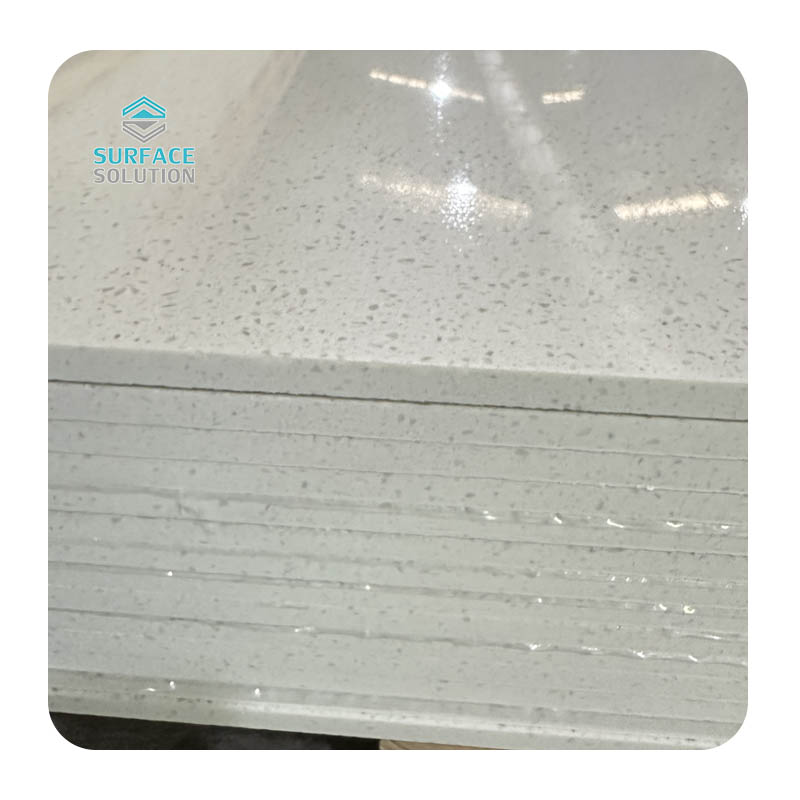
What Is A Solid Surface Countertop Made of?


Acrylic Resin: The most common base for high-quality solid surface (used in brands like Surface Solution®). Acrylic resin is a synthetic polymer derived from methyl methacrylate (MMA), a clear, liquid monomer that hardens when mixed with a catalyst. Acrylic-based solid surface offers superior flexibility, resistance to UV damage, and ease of repair—scratches or chips can often be sanded and polished back to their original finish. It also has low porosity, meaning it resists staining from spills like coffee, wine, or oil.
Polyester Resin: A more budget-friendly alternative to acrylic. Polyester resin is made from unsaturated polyester monomers, often mixed with styrene (a solvent that helps reduce viscosity). While polyester-based solid surface is still durable, it tends to be slightly more brittle than acrylic, making it more prone to cracking under heavy impact. It also may yellow over time if exposed to prolonged sunlight and is less resistant to harsh chemicals (like strong cleaners).
In both cases, resin makes up 25% to 40% of the solid surface’s total composition. Its role is to create a smooth, non-porous base that holds the material together and allows for seamless installation (contractors can fuse pieces with resin to eliminate visible seams).

Fire Resistance: When exposed to high heat, ATH releases water vapor, which helps slow or stop the spread of flames. This makes solid surface safer than purely plastic-based materials (like some laminate countertops) in kitchen settings.
Durability & Texture: ATH adds rigidity to the resin matrix, preventing the material from warping or bending over time. It also creates a smooth, stone-like texture that mimics natural materials without the porosity or unevenness of granite or marble. Unlike natural stone, which may have cracks or veins, ATH ensures a consistent base for coloring.
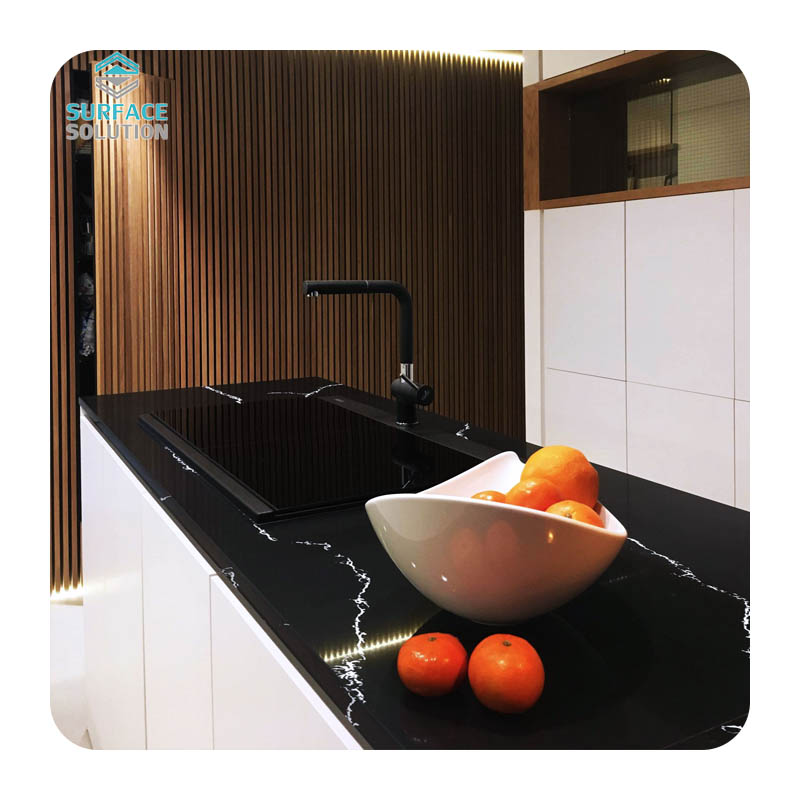
Colorants: Pigments (either organic or inorganic) are mixed into the resin-ATH blend to create a wide range of hues—from neutral whites and grays to bold blues, greens, or even mimics of natural stone (like "marble" or "granite" patterns). Some manufacturers add small particles (such as mica or quartz flecks) to create texture or depth, giving the countertop a more dynamic look.
Catalysts: These chemicals trigger the polymerization process, turning the liquid resin-ATH mixture into a hard, solid material during manufacturing. Without catalysts, the mixture would remain sticky and unusable.
Stabilizers: To prevent yellowing (especially in acrylic-based solid surface) or degradation from sunlight, heat, or chemicals, stabilizers are added. They help the countertop maintain its color and structure for decades.
Flow Agents: These reduce the viscosity of the liquid mixture, ensuring it spreads evenly in molds during production. This helps create a smooth, consistent surface free of bubbles or imperfections.
Mixing: Resin, ATH, colorants, and additives are blended in large tanks until a uniform, paste-like mixture forms.
Molding: The mixture is poured into molds (usually sheets of varying thicknesses, from ¼ inch to 1 inch) and pressed to remove air bubbles.
Curing: The molds are heated (or left to cure at room temperature) to activate the catalyst, hardening the mixture into a solid sheet.
Finishing: Cured sheets are trimmed, sanded, and polished to achieve the desired texture—from matte to high-gloss. Some sheets are cut into custom shapes for countertops, while others are sold as prefabricated slabs.
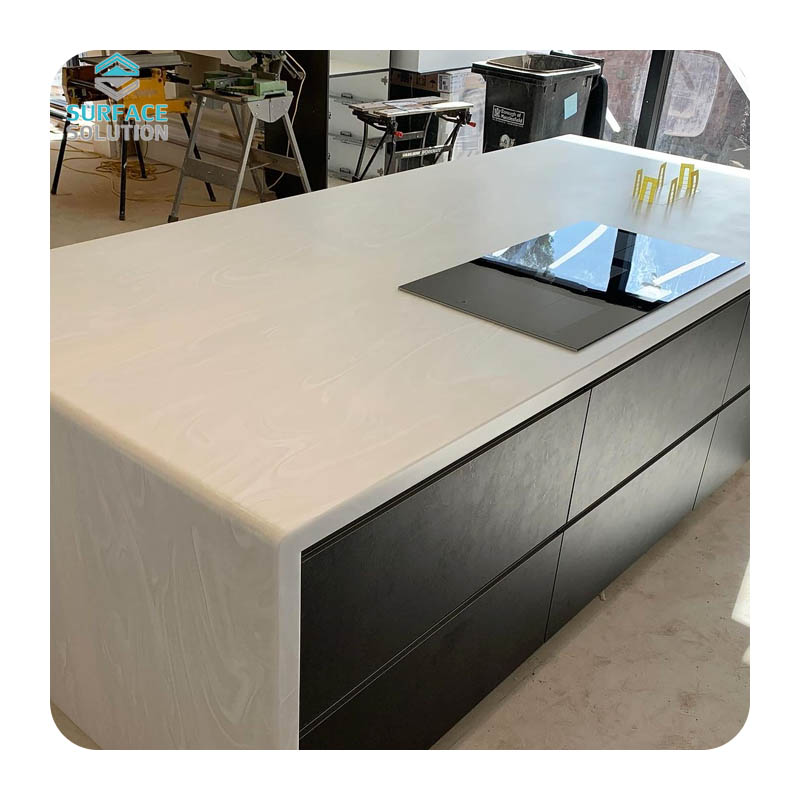
Seamless Design: Unlike tile or laminate, solid surface can be joined with resin to create invisible seams, making it ideal for large countertops or curved edges.
Non-Porous & Hygienic: The resin-ATH blend is non-porous, so it doesn’t harbor bacteria or mold—critical for kitchens and bathrooms. Spills wipe clean easily, with no need for sealing (unlike granite).
Repairable: Scratches, dents, or even small cracks can be sanded and polished out, extending the countertop’s lifespan.
Customizable: With endless color and texture options, solid surface can match any design style—from modern minimalist to traditional.
Related Blogs
-
 Caster vs Wheel: Moving Acrylic Solid Surface UnitsUnderstanding mobility hardware often feels confusing for DIY builders and commercial furniture manufacturers alike. People frequently use the terms interchangeably, assuming they describe the exact same mechanical part. This simple misunderstanding
 -
 Top Mistakes to Avoid When Installing Bathroom Sink Furniture (Acrylic Artificial Stone Focus)Acrylic artificial stone has become a beloved choice for bathroom sink furniture, thanks to its seamless appearance, non-porous surface, and remarkable durability—blending the elegance of natural stone with