


Why You Should Consider A Custom Reception Desk?


Visual Cohesion: Incorporate brand colors (e.g., a deep navy countertop for a financial firm, vibrant hues for a creative agency), logos (via inlays, backlighting, or laser engraving), or design motifs (geometric patterns for a tech brand, organic curves for a wellness company) that mirror your visual identity.
Material Selection: Choose materials that align with your brand’s vibe—polished marble for luxury hotels, reclaimed wood for eco-conscious startups, or sleek acrylic for modern tech companies. Each material sends a subtle message about your values (sustainability, sophistication, innovation).
Unique Aesthetic: Avoid blending in with competitors who use the same generic desks. A custom design—whether it’s a sculptural shape, a bold material combination, or a one-of-a-kind detail—makes your reception area instantly recognizable.
A high-end fashion brand in Milan wanted its reception desk to reflect its commitment to craftsmanship and elegance. The custom desk features a curved marble top with a subtle veining that matches the brand’s signature fabric patterns, paired with a base made from brushed brass that echoes the hardware on its handbags. A tiny, backlit logo is embedded in the corner of the countertop, and the desk’s height is adjusted to feel approachable yet sophisticated. Unlike a generic retail desk, this custom piece immediately communicates the brand’s luxury positioning—making visitors feel they’ve stepped into a space that values detail and quality, just like the brand’s products.

Storage Solutions: Tailor drawers, cabinets, and shelves to fit your needs—e.g., locked compartments for important documents, open shelving for brochures, or hidden storage for a printer or charging station.
Tech Integration: Design the desk to accommodate built-in touchscreens, wireless charging pads, USB ports, or cable management systems, eliminating clutter and ensuring tech tools are easily accessible.
Ergonomics: Adjust the desk’s height to suit your staff (standing or sitting options) and ensure it’s ADA-compliant (e.g., a lowered section for wheelchair users) to promote comfort and inclusivity.
Space Adaptation: For irregularly shaped lobbies, small spaces, or open-concept areas, a custom desk can be designed to fit perfectly—maximizing floor space, improving traffic flow, and avoiding the awkward gaps or overcrowding that often come with ready-made desks.
A co-working space in London had a narrow, L-shaped lobby that couldn’t accommodate a standard rectangular desk. The custom reception desk was designed to follow the lobby’s unique layout, with a curved corner that softens the space and a slim profile that doesn’t block the entrance. The desk includes built-in storage for member keycards, a hidden shelf for a tablet used for check-ins, and wireless charging pads integrated into the countertop for members to use while waiting. The height is adjustable, allowing staff to switch between sitting and standing, and a small nook on the side provides a private spot for brief conversations with members. Without customization, the space would have felt cramped and inefficient—but the tailored desk turned it into a functional, user-friendly hub.
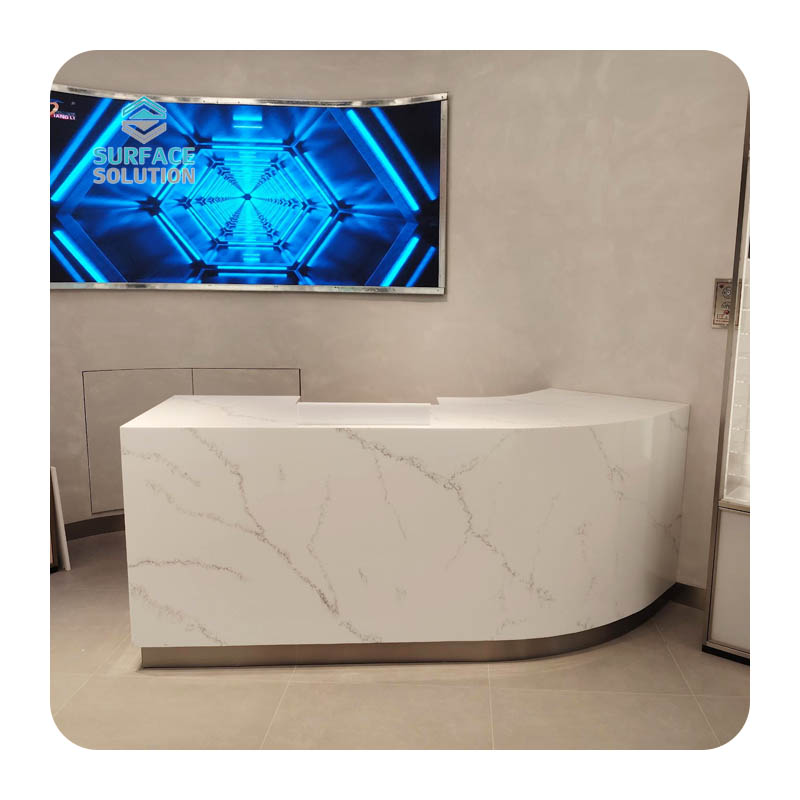
Statement Design: A custom desk can be a work of art—whether it’s a sculptural shape, a bold material combination, or an unexpected detail (e.g., embedded LED lighting, a live-edge wood top, or a custom metal inlay). This “wow factor” makes your reception area memorable and gives visitors something to talk about.
Industry Relevance: Tailor the desk to your industry to reinforce your expertise—e.g., a desk shaped like a camera lens for a photography studio, a desk with a built-in display case for a jewelry store, or a sleek, minimalist desk for a tech startup. This alignment makes your brand more relatable and memorable.
Longevity: Custom desks are built to last, both in terms of quality and design. Unlike trendy ready-made desks that quickly feel outdated, a custom design can be timeless, ensuring your reception area remains relevant for years to come.
Premium Materials: Custom desks use top-tier materials (e.g., solid wood, high-grade marble, durable acrylic) that are chosen for their durability and appearance. These materials resist scratches, stains, and fading, keeping the desk looking like new for years.
Attention to Detail: Skilled craftsmen take pride in their work, ensuring every joint is secure, every surface is smooth, and every detail is perfect. This level of craftsmanship results in a desk that’s not only beautiful but also functional and long-lasting.
Reduced Replacement Costs: While a custom desk may have a higher upfront cost, its durability means you won’t need to replace it as often as a ready-made desk. Over time, this makes it a more cost-effective investment.
Modular Components: Design the desk with modular parts that can be added or removed as needed—e.g., extra shelves for more storage, a removable section to expand the countertop, or a detachable nook for a new tech tool.
Upgradable Features: Incorporate features that can be updated over time—e.g., replaceable LED lighting, a countertop that can be refinished to match a brand refresh, or a tech panel that can accommodate new devices.
Repurposing Potential: If you move to a new space or reconfigure your lobby, a custom desk can often be modified to fit the new layout—unlike ready-made desks, which are fixed in shape and size.
Related Blogs
-
 White acrylic solid surface remains a top-selling option for distributors, wholesalers and project contractors, widely specified for kitchen countertops, bathroom vanities, hotel vanity tops, commercial reception counters and custom tabletops. A common question from your downstream buyers is straigh
 -
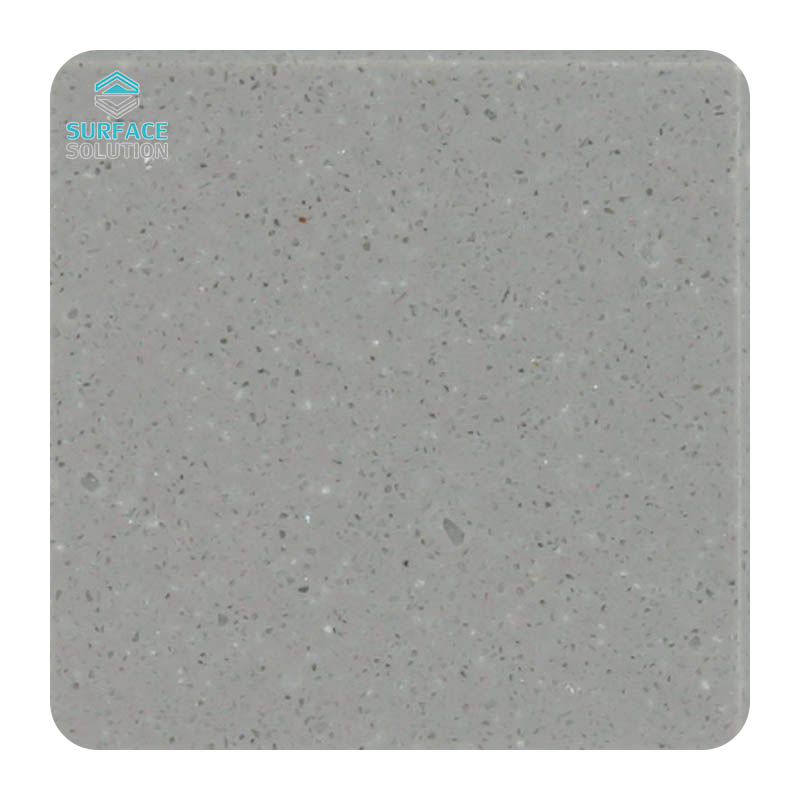 When renovating kitchens, bathrooms or commercial spaces, homeowners and designers often weigh different countertop materials. Acrylic solid surface is one of the most popular options, but a common question remains: is it durable enough for everyday use?Acrylic solid surface countertops are manufact
 -
 Acrylic solid surface is a premium engineered composite material widely used for kitchen countertops, vanity tops, wall panels, custom furniture and commercial interior projects. Many people confuse it with pure acrylic sheet or natural marble, but it is a carefully formulated blend of mineral powde
 -
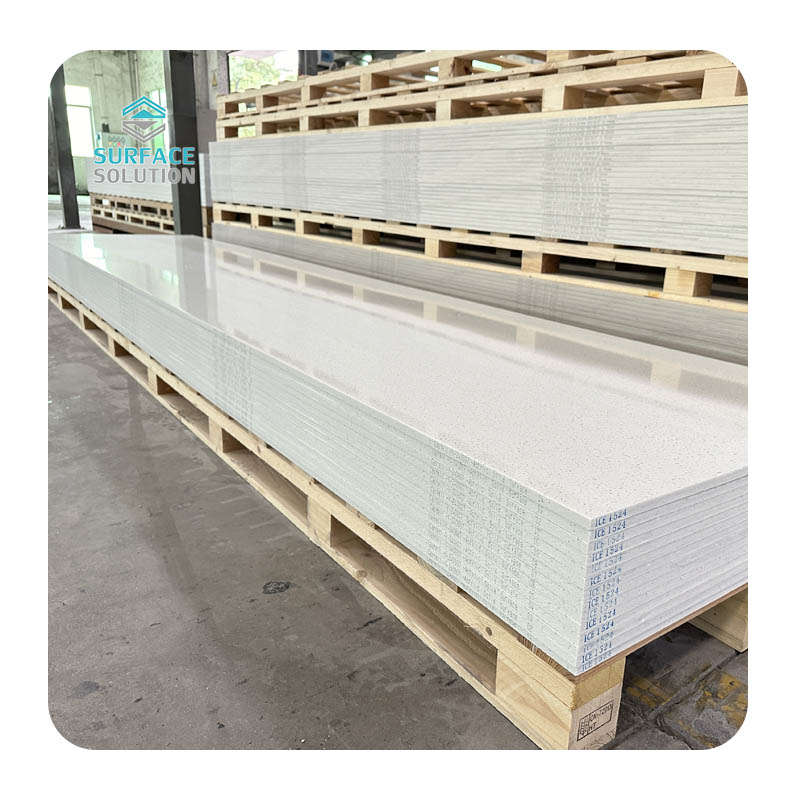 Kitchens and bathrooms are the most frequently used and easily worn spaces in residential and commercial buildings, where countertops face constant spills, moisture, friction, and daily stains. Compared with traditional materials such as natural marble, granite, quartz stone, and laminate, acrylic s


