


How to Design a Front Desk Reception Area That Wows


Clear Pathway: Create an unobstructed route from the entrance to the front desk, using flooring transitions (e.g., a change in tile color or a runner rug) or subtle lighting to guide visitors. Avoid placing furniture or decor that blocks the flow.
Zoned Spaces: Divide the area into functional zones: a check-in zone (front desk), a waiting zone (seating, coffee station), and a transitional zone (for brief conversations or package drop-offs). This separation keeps the space organized and reduces awkwardness.
Accessibility: Ensure the front desk and waiting area are ADA-compliant (e.g., wheelchair-accessible desk height, wide pathways, accessible seating). Inclusivity is a key part of wowing visitors by making everyone feel welcome.
Unique Shapes: Move beyond rectangular desks—consider curved, angular, or asymmetrical designs. A curved desk softens the space and encourages interaction, while a geometric angular desk adds a modern, edgy vibe.
Material Mix: Combine contrasting materials to add depth and texture. For example, pair polished marble with reclaimed wood for a blend of luxury and warmth, or clear acrylic with brushed steel for a sleek, tech-forward look.
Custom Brand Elements: Incorporate brand colors, logos, or motifs into the desk design. This could be a backlit logo on the desk’s front panel, a countertop in your brand’s signature color, or custom metal inlays that reflect your brand’s visual identity.

Lighting: Avoid harsh overhead lighting—opt for layered lighting that creates warmth and depth. Use pendant lights above the front desk for focus, floor lamps in the waiting area for ambiance, and backlighting behind shelves or artwork to add drama. Natural light is a bonus—maximize it with large windows or glass partitions, and complement it with sheer curtains to soften glare.
Sound: Keep the area quiet but not silent. Use ambient music (e.g., soft jazz for a luxury hotel, instrumental indie for a creative agency) at a low volume, and add sound-absorbing elements (e.g., rugs, curtains, acoustic panels) to reduce echo and noise from the front desk or entrance.
Texture: Incorporate tactile materials that invite touch—plush velvet seating, smooth marble countertops, rough-hewn wood accents, or soft wool rugs. Texture adds warmth and makes the space feel more inviting.
Scent: A subtle, pleasant scent can leave a lasting impression. Use diffusers with essential oils (e.g., lavender for a wellness center, citrus for a lively startup) or candles (in safe, non-flammable holders) to create a signature scent that aligns with your brand.
A holistic wellness center in Portland designed a reception area that prioritizes calm and relaxation. The space features soft, warm lighting from floor lamps with linen shades and backlit bamboo panels behind the front desk. The waiting area has floor cushions and woven rattan chairs upholstered in natural linen, paired with a jute rug that adds texture. Ambient sounds of running water (from a small tabletop fountain) and soft instrumental music fill the space, while diffusers release a blend of lavender and eucalyptus. The front desk is made from reclaimed teak wood with a live edge, and the countertop is a smooth, cool slab of soapstone. Every sensory detail works together to create a serene, spa-like atmosphere that wows visitors and sets the tone for their wellness experience.

Digital Check-In: Install touchscreen kiosks or use a mobile app for self-check-in, reducing wait times. For a sleek look, embed the kiosk into the front desk or mount it on a minimalist stand.
Wireless Charging: Add wireless charging pads to coffee tables in the waiting area or built into the front desk, allowing visitors to charge their devices without cluttering the space with cables.
Wayfinding Digital Signage: Use small, wall-mounted digital screens to display directions to meeting rooms, restrooms, or other areas. Choose screens with thin bezels and a matte finish to avoid glare.
Smart Lighting/Climate Control: Use sensors to adjust lighting and temperature based on occupancy, ensuring the space is always comfortable while saving energy.
Local Art and Decor: Display artwork from local artists or decor that reflects your location (e.g., coastal-inspired decor for a beachside hotel, industrial accents for a downtown agency). This adds character and makes the space feel rooted in its community.
Custom Amenities: Offer personalized amenities that align with your brand—e.g., a coffee station with locally roasted beans for a café-inspired startup, or infused water and herbal teas for a wellness center. Add branded mugs or notebooks as small souvenirs for visitors.
Greenery: Incorporate plants to bring life and color to the space. Choose low-maintenance options (e.g., succulents, snake plants, pothos) and display them in unique planters (e.g., concrete pots, hanging macramé, wooden planter boxes) that match your design aesthetic.
Storytelling Elements: Add decor that tells your brand’s story—e.g., a timeline of company milestones on the wall, vintage products for a heritage brand, or prototypes for a tech startup. These elements spark conversation and help visitors connect with your brand.
Seating Variety: Offer a mix of seating options (e.g., armchairs, sofas, bar stools) to accommodate different preferences and group sizes. Ensure seating is ergonomic and supportive, with cushions or pillows for added comfort.
Privacy Options: Provide both open and private spaces. For example, include a small nook with a partition for visitors who need to take a call or have a private conversation, alongside the main waiting area.
Accessibility: As mentioned earlier, ensure the space is ADA-compliant. This includes wheelchair-accessible pathways, adjustable desk heights, and seating that is easy to get in and out of.
Family-Friendly Touches: If your business welcomes families, add small amenities like a kids’ corner with books and toys, or high chairs for infants.
Related Blogs
-
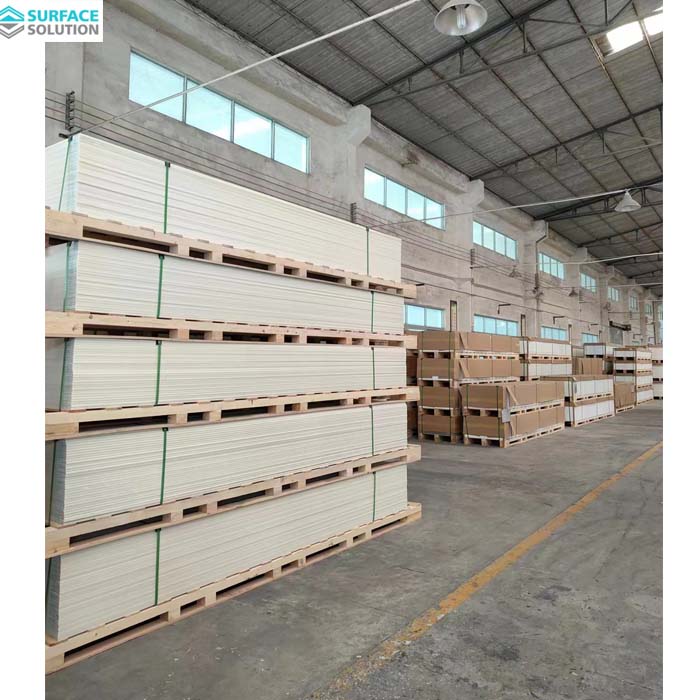 White acrylic solid surface remains a top-selling option for distributors, wholesalers and project contractors, widely specified for kitchen countertops, bathroom vanities, hotel vanity tops, commercial reception counters and custom tabletops. A common question from your downstream buyers is straigh
 -
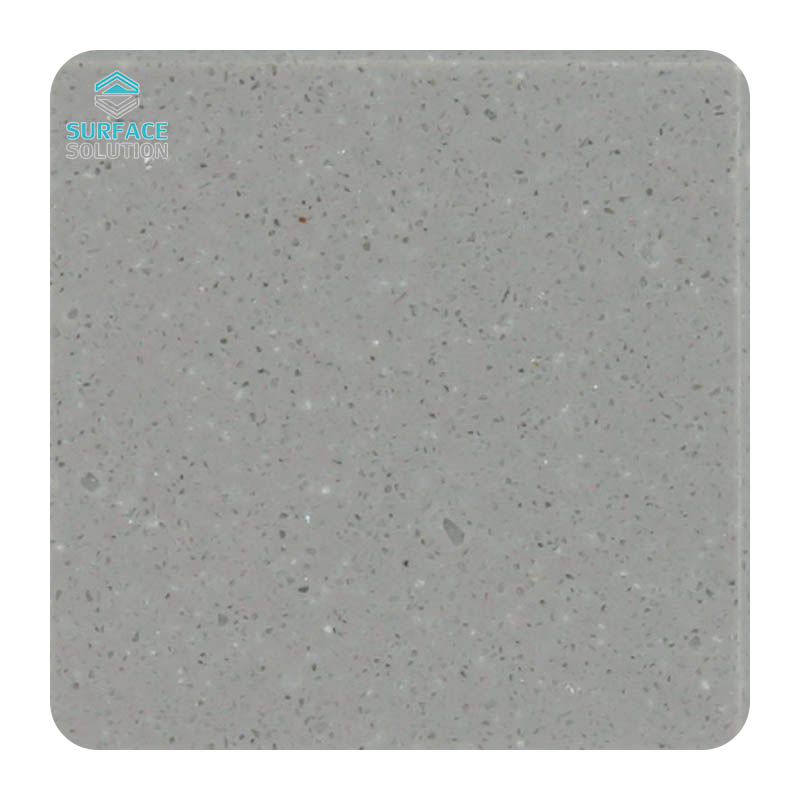 When renovating kitchens, bathrooms or commercial spaces, homeowners and designers often weigh different countertop materials. Acrylic solid surface is one of the most popular options, but a common question remains: is it durable enough for everyday use?Acrylic solid surface countertops are manufact
 -
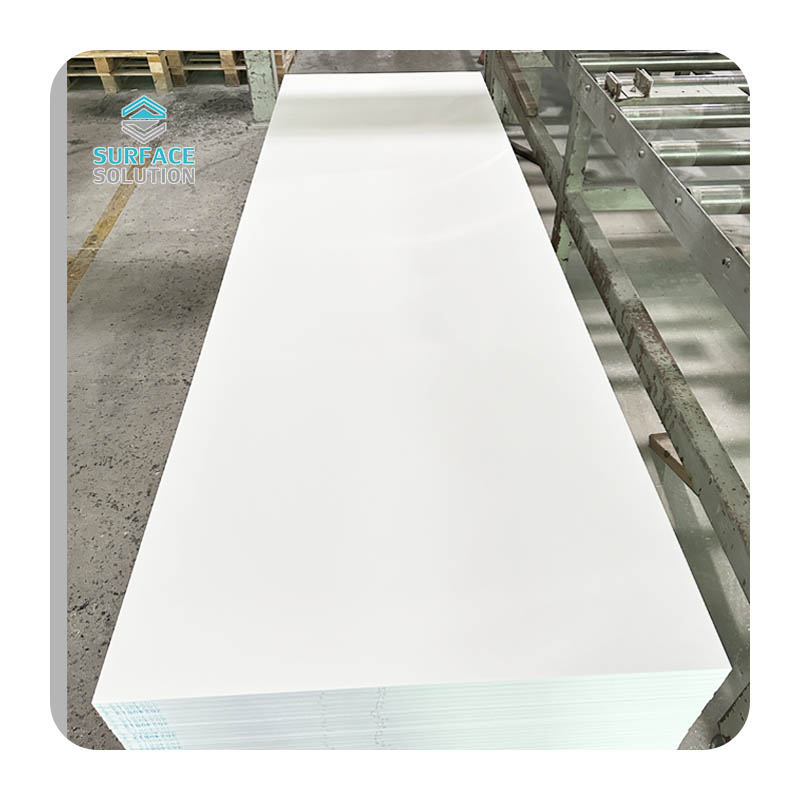 Acrylic solid surface is a premium engineered composite material widely used for kitchen countertops, vanity tops, wall panels, custom furniture and commercial interior projects. Many people confuse it with pure acrylic sheet or natural marble, but it is a carefully formulated blend of mineral powde
 -
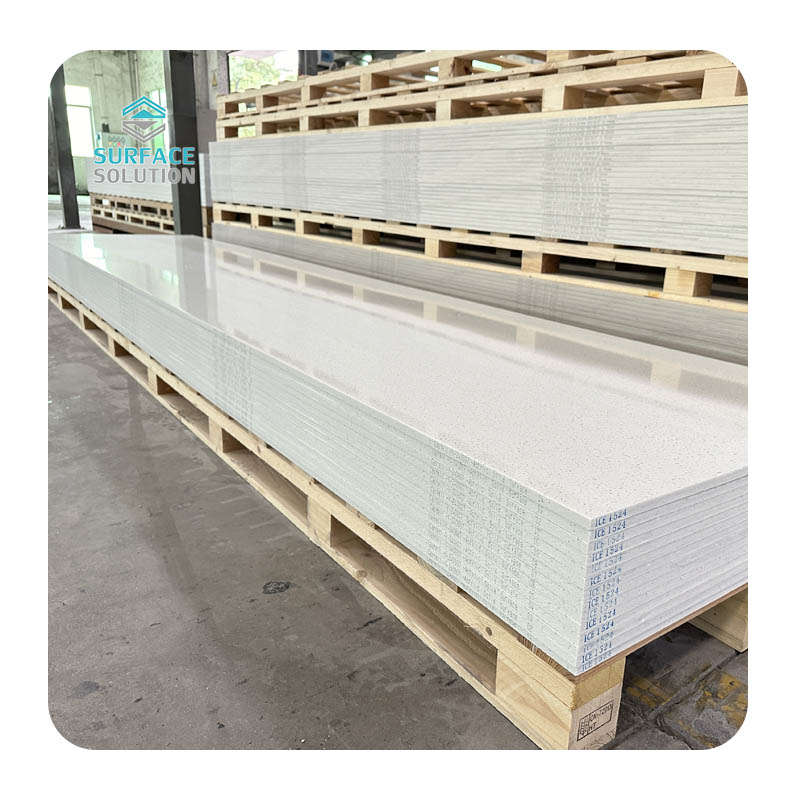 Kitchens and bathrooms are the most frequently used and easily worn spaces in residential and commercial buildings, where countertops face constant spills, moisture, friction, and daily stains. Compared with traditional materials such as natural marble, granite, quartz stone, and laminate, acrylic s


