


Top Mistakes to Avoid When Installing Solid Surface Counters


Top Mistakes to Avoid When Installing Solid Surface Counters
Solid surface counters are celebrated for their seamless aesthetics, durability, and versatility, making them a premier choice for kitchens, bathrooms, and commercial spaces. However, their performance and longevity hinge heavily on proper installation—even the highest-quality material can be compromised by common missteps. From inadequate planning to sloppy craftsmanship, several errors can undermine the functionality and visual appeal of solid surface countertops. Below are the top mistakes to avoid to ensure a successful installation that stands the test of time.
One of the most critical errors is insufficient substrate preparation. The substrate—the surface upon which the countertop rests—must be flat, stable, and structurally sound to support the solid surface material. Many installers rush this step, using uneven plywood, warped particleboard, or inadequately secured supports. Solid surface is sensitive to uneven pressure; a bumpy or unstable substrate can lead to cracking, warping, or delamination over time. To avoid this, ensure the substrate is made of high-grade plywood (at least 3/4-inch thick) or moisture-resistant particleboard, properly leveled with shims if necessary, and securely fastened to the cabinetry. Additionally, the substrate should be clean and free of debris, as small particles can create unevenness under the countertop.

Neglecting proper measurement and templating is another costly mistake. Solid surface countertops are custom-cut to fit specific spaces, and even minor measurement errors can result in ill-fitting pieces, unsightly gaps, or the need for expensive rework. Rushing templating—using rough measurements instead of creating precise templates with materials like cardboard or MDF—often leads to mismatched edges, misaligned cutouts for sinks or cooktops, and gaps between the countertop and walls. It’s essential to take measurements multiple times, account for wall irregularities (which are common in older homes), and create detailed templates that reflect every cutout, corner, and edge profile. For complex layouts or curved surfaces, enlisting experienced professionals for templating is highly recommended to ensure accuracy.
Improper handling of seams and joining can ruin the seamless look that makes solid surface so desirable. Unlike natural stone, solid surface can be seamlessly joined when done correctly, but poor technique results in visible seams, weak bonds, or gaps that trap moisture and bacteria. Common seam mistakes include using the wrong adhesive (not formulated for solid surface), failing to properly clean and prepare the edges before joining, and rushing the curing process. The edges to be joined must be straight, smooth, and aligned perfectly; any imperfection will be noticeable once the adhesive sets. Additionally, using too much or too little adhesive can cause overflow (which stains the surface) or weak bonds. Professional installers use specialized tools to trim and polish seams, ensuring they blend seamlessly with the rest of the countertop.
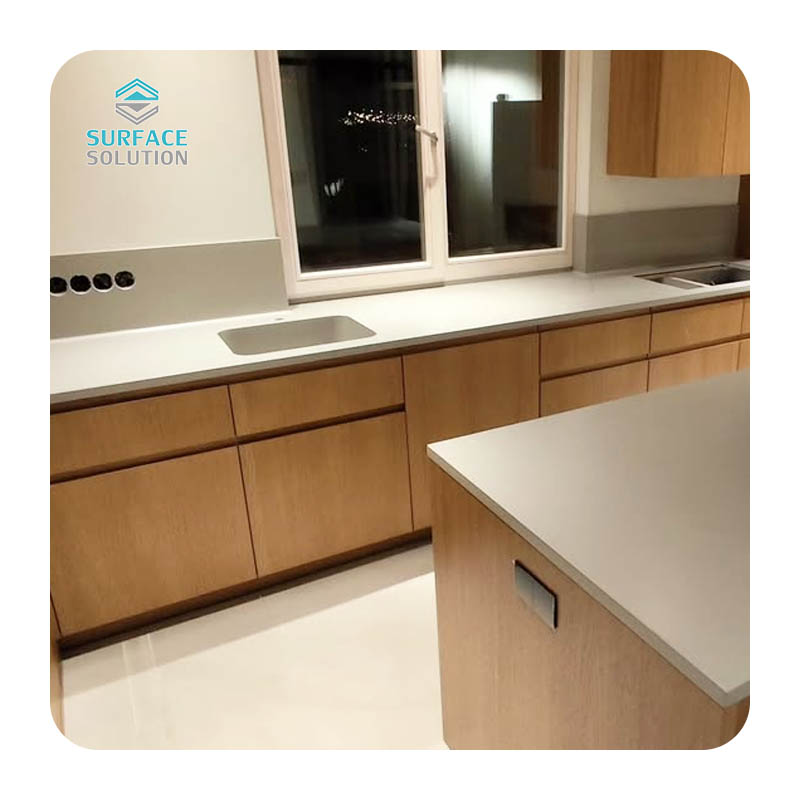
Overlooking expansion and contraction considerations is a mistake that leads to long-term damage. Solid surface materials expand and contract slightly with changes in temperature and humidity. If the countertop is installed without adequate expansion gaps or is rigidly fastened to the substrate, this natural movement can cause cracking or buckling. Installers often forget to leave small gaps (typically 1/8-inch) between the countertop and walls, as well as between adjacent pieces, to accommodate movement. Additionally, over-fastening the countertop to the substrate—using too many screws or securing it too tightly—restricts movement and increases the risk of damage. Using adjustable fasteners that allow for minor shifting while keeping the countertop stable is key to avoiding this issue.
Ignoring moisture protection is particularly problematic in bathrooms, kitchens, and other high-moisture areas. While solid surface itself is non-porous, the areas around cutouts (for sinks, faucets, or cooktops) and seams are vulnerable to moisture penetration if not properly sealed. Failing to apply a high-quality silicone sealant around these areas allows water to seep into the substrate, causing rot, mold growth, and structural damage. It’s crucial to use a neutral-cure silicone sealant (acidic sealants can stain solid surface) and ensure complete coverage around all penetrations and edges. Additionally, in wet areas like shower surrounds, ensuring the substrate is moisture-resistant and properly waterproofed before installation adds an extra layer of protection.
Related Blogs
-
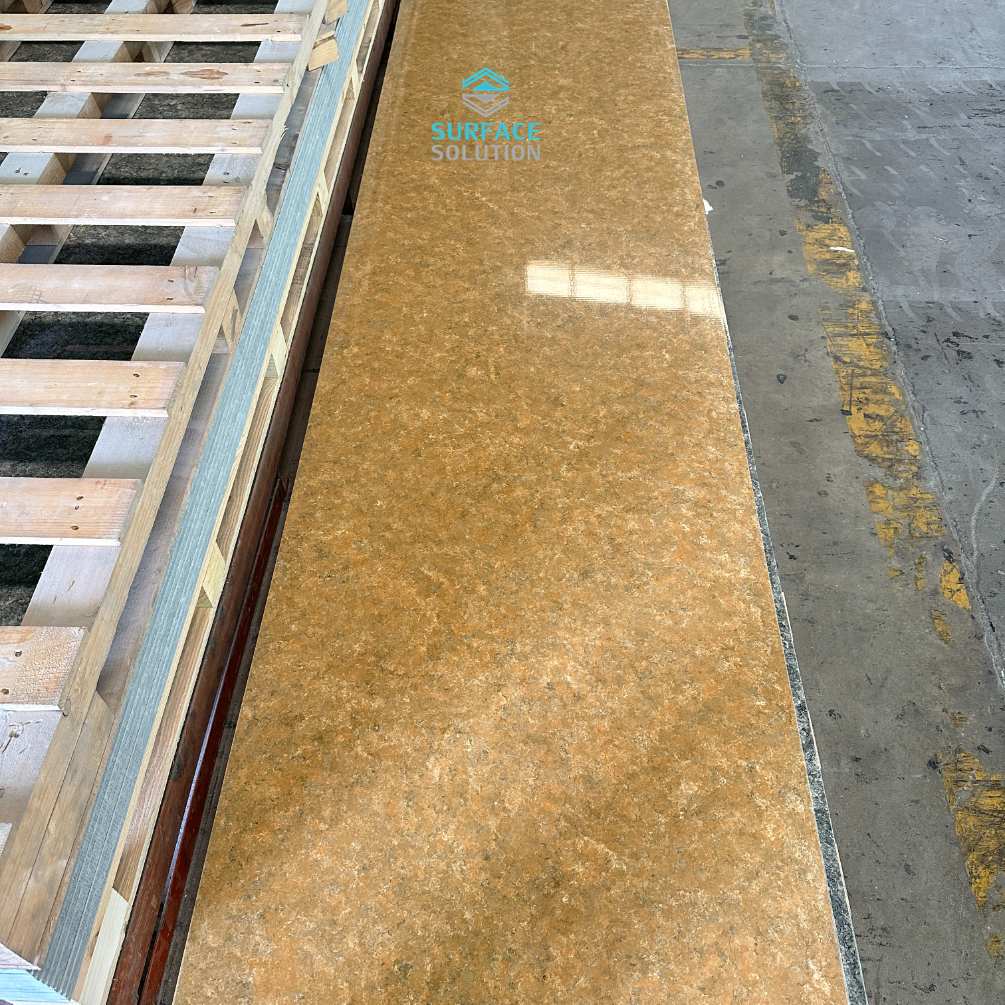 Wholesale Acrylic Solid Surface Slabs: Ultimate Material Solution for Countertop FabricatorsIn the competitive countertop manufacturing and renovation industry, material quality, processing flexibility, and cost efficiency are the three core factors that determine a fabricator’s market competitivene
 -
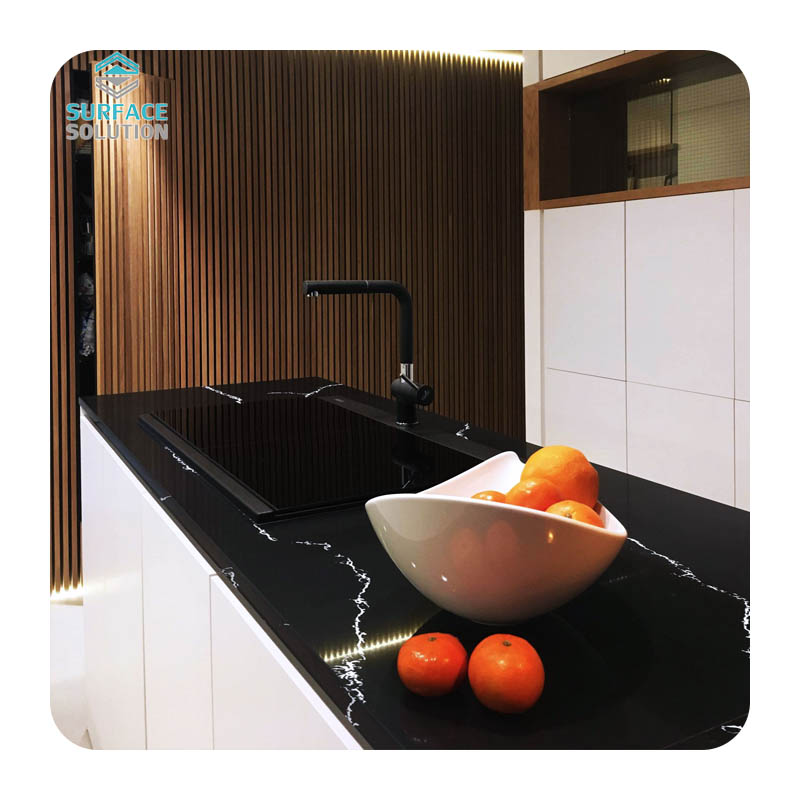 In modern residential and commercial interior design, vanity tops and kitchen islands serve as both functional core fixtures and key aesthetic focal points. These high-frequency usage surfaces require materials that balance outstanding durability, reliable hygiene, flexible design potential, and eff
 -
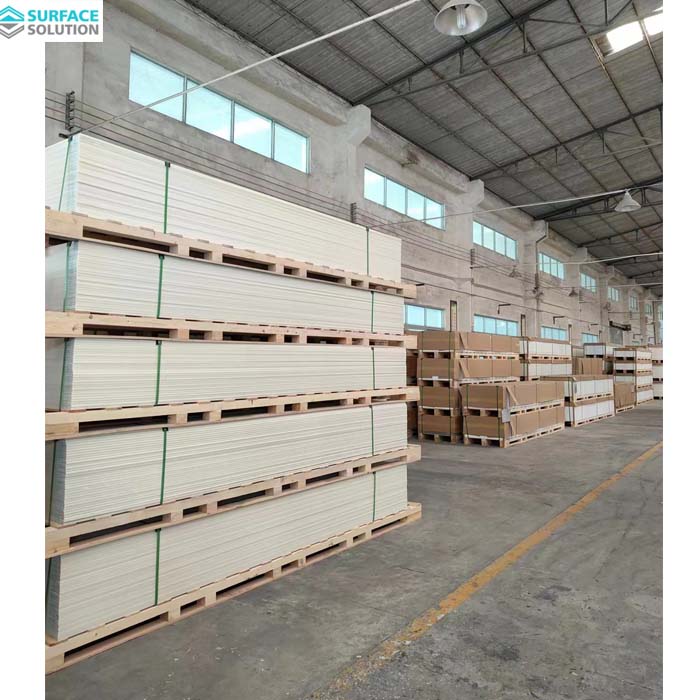 White acrylic solid surface countertops have become a top-tier mainstream choice for modern residential renovation and commercial space design, balancing minimalist timeless aesthetics, superior physical performance and long-term cost-effectiveness. Compared with traditional granite, quartz stone an
 -
 Custom Size Acrylic Solid Surface Panels for Interior RenovationInterior renovation projects often come with non‑standard dimensions, unique layout requirements and personalized design visions. Off‑the‑shelf building materials frequently fail to fit special wall sections, counter layouts or feature


