


Seasonal Care Tips for Solid Surface Counters


Seasonal Care Tips for Solid Surface Counters
Solid surface counters are prized for their durability, seamless appearance, and low-maintenance nature, but their longevity and performance rely on tailored care that adapts to seasonal changes. Fluctuations in temperature, humidity, and daily usage patterns across spring, summer, fall, and winter can impact the material’s condition—from moisture buildup in humid months to thermal stress in cold weather. By adjusting your care routine to align with the seasons, you can preserve the countertop’s aesthetic appeal and structural integrity for years to come. Below are essential seasonal care tips for solid surface counters.
Spring brings increased humidity, rain, and pollen—all of which can affect solid surface counters, especially in kitchens and bathrooms. High humidity levels can lead to condensation on countertops, creating a breeding ground for bacteria if not addressed promptly. Wipe down counters daily with a soft, microfiber cloth to remove excess moisture, and ensure proper ventilation by opening windows or running exhaust fans. For pollen and dust that accumulate on surfaces (particularly near open windows), use a mild, non-abrasive cleaner diluted with warm water to avoid scratching the surface. Avoid leaving wet dish towels, flower vases, or potted plants on the counter for extended periods, as trapped moisture can cause discoloration or mildew growth around seams or edges. Additionally, spring cleaning often involves harsh chemicals—never use bleach, ammonia, or acidic cleaners (like vinegar) on solid surface, as they can dull the finish or cause discoloration.

Summer’s high temperatures, frequent cooking, and outdoor-to-indoor traffic pose unique challenges for solid surface counters. While solid surface is heat-resistant to a certain degree, prolonged exposure to extreme heat (such as hot cookware, grilling tools, or sunlit windows) can cause thermal damage, including warping or discoloration. Always use trivets or heat pads under hot pots, pans, and baking sheets—avoid placing hot items directly on the countertop. For outdoor kitchens or counters near sunny windows, consider using a UV-protective film or keeping curtains drawn during peak sunlight hours to prevent fading. Summer also means more spills (lemonade, BBQ sauce, oil), so clean up messes immediately to avoid potential staining. Use a gentle, pH-neutral cleaner to tackle tough stains; for sticky residues, let the cleaner sit for 5-10 minutes before wiping clean, then rinse with warm water to restore the surface’s smoothness.
Fall brings cooler temperatures and lower humidity, which can dry out solid surface and make it more prone to minor scratches. To combat dryness, avoid using overly hot water when cleaning—opt for lukewarm water to prevent stripping the surface’s natural luster. As holiday season approaches, counters see increased usage (chopping vegetables, preparing baked goods, serving meals), so take precautions to avoid damage. Use a cutting board for all food prep—never chop directly on the solid surface, as sharp knives can leave scratches. For minor scratches that do occur, use a fine-grit sandpaper (2000+ grit) to gently buff the area, then polish with a solid surface cleaner to restore the finish. Fall also brings debris like leaves and dirt from outdoor activities; wipe counters regularly to prevent abrasive particles from scratching the surface when wiped with cloths.
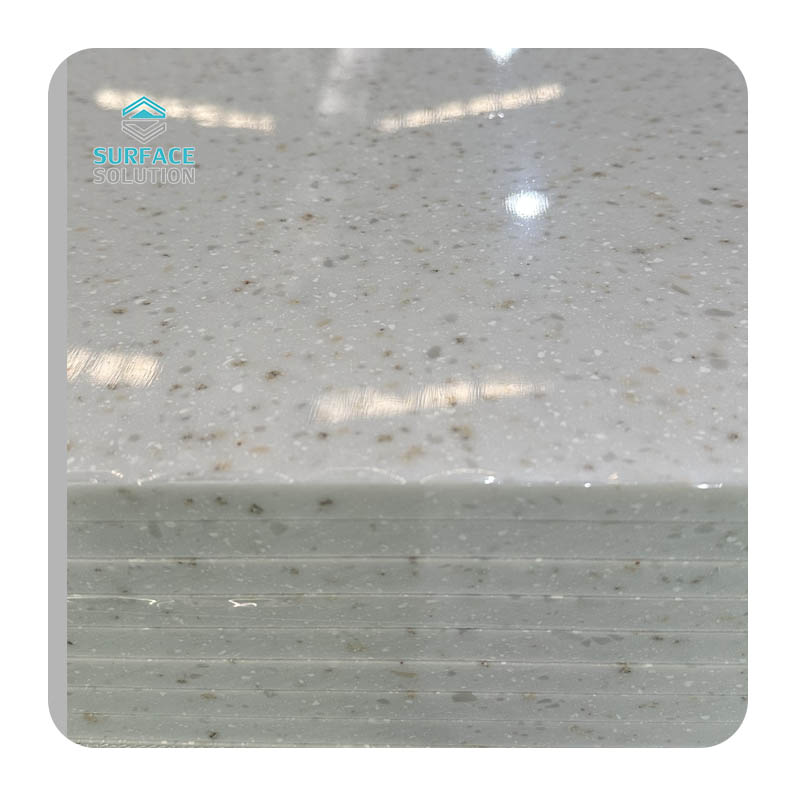
Winter’s cold temperatures, dry indoor air (from heating systems), and harsh cleaning products (for holiday messes) can take a toll on solid surface counters. The contrast between cold outdoor air and warm indoor heat can cause minor expansion and contraction—while solid surface is resilient, avoid placing extremely cold items (like frozen food containers) directly on a warm countertop, as sudden temperature changes can lead to microcracks over time. Allow frozen items to thaw on a towel or trivet first. Dry indoor air can make the surface more susceptible to static and dust buildup; wipe counters with a slightly damp cloth to reduce static and keep surfaces clean. During holiday cleaning, steer clear of abrasive scouring pads, oven cleaners, or disinfectants with high alcohol content—these can scratch or dull the surface. Instead, use a gentle, non-abrasive cleaner and a soft cloth for all tasks. For snow and salt tracked indoors, wipe counters immediately to prevent salt residue from drying and leaving a film, which can be removed with warm water and a mild soap.
Related Blogs
-
 Artificial Stone Wall Art: Adding Texture and Depth to Modern InteriorsIn the pursuit of unique, expressive interior spaces, artificial stone wall art has become a powerful design element. Unlike flat paint, wallpaper, or ordinary wall panels, artificial stone wall art brings authentic texture, thre
 -
 Artificial Stone for Retail Spaces: Enhancing Customer ExperienceIn the fiercely competitive retail industry, store design is no longer merely a matter of interior decoration. It has evolved into a core strategic tool to attract foot traffic, extend customer stay time, and elevate brand perception.
 -
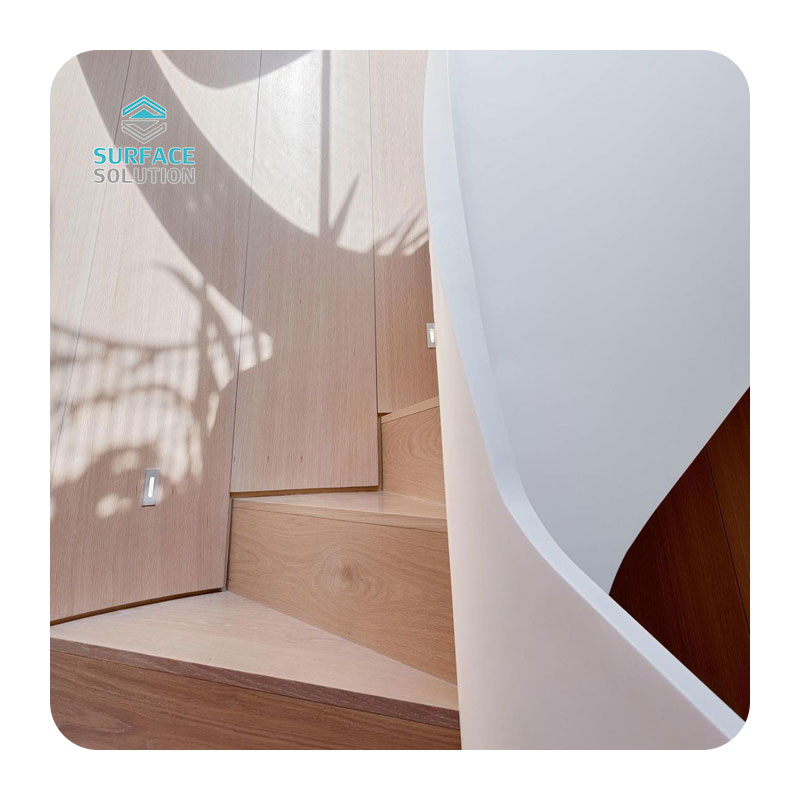 Artificial Stone Staircases: Combining Safety and StyleStaircases serve as both vital functional structures and core decorative elements in residential and commercial buildings. For decades, natural stone stair treads have been a popular choice for premium interior design, thanks to their elegant te
 -
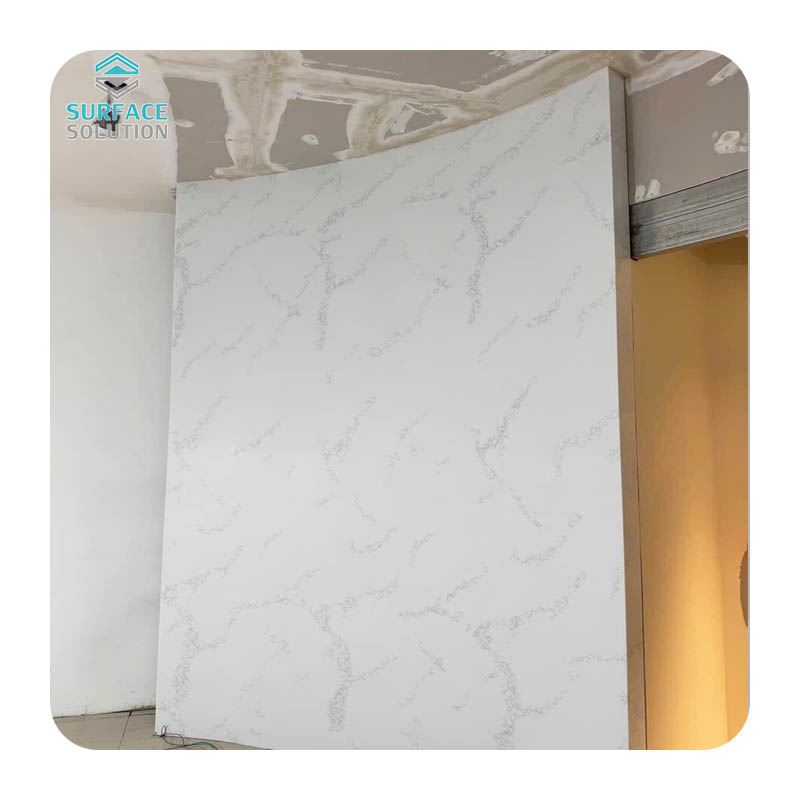 Artificial Stone Wall Panels: Transforming InteriorsNatural stone has long been revered in interior design for its timeless texture, elegant tones, and unique organic charm. Yet its inherent drawbacks—excessive weight, exorbitant costs, cumbersome installation, and high maintenance demands—have limi


