


Solid Surface Counter: Combining Aesthetics with Functionality


Solid Surface Counter: Combining Aesthetics with Functionality
In the realm of interior design, especially for kitchens and bathrooms, the countertop is more than just a functional workspace—it serves as a focal point that defines the space’s style and usability. Among the diverse range of countertop materials available, solid surface has emerged as a beloved choice for homeowners, designers, and architects alike, thanks to its seamless blend of visual appeal and practical performance. This innovative material redefines the balance between beauty and utility, making it a versatile solution for both residential and commercial spaces.
Solid surface, often composed of acrylic resin, polyester resin, and natural minerals, stands out for its homogeneous composition. Unlike natural stones such as granite or marble, which feature inherent veins, pores, and inconsistencies, solid surface offers a smooth, uniform appearance that can be customized to match any design vision. Available in an extensive palette of colors—from neutral tones like ivory, gray, and beige to bold hues like deep blue, emerald green, and even metallic shades—it caters to diverse aesthetic preferences. Whether one seeks a minimalist, modern look, a warm, traditional vibe, or an avant-garde, statement-making design, solid surface can be tailored to fit seamlessly. Moreover, its ability to be thermoformed into curved shapes, seamless edges, and integrated sinks or backsplashes eliminates unsightly joints, creating a sleek, monochromatic look that elevates the overall elegance of the space.

Beyond its aesthetic versatility, solid surface excels in functionality, addressing the everyday demands of high-traffic areas like kitchens and bathrooms. One of its most notable advantages is its non-porous nature. Unlike natural stone, which requires regular sealing to prevent staining from spills of wine, coffee, oil, or cosmetics, solid surface’s non-porous surface resists absorption of liquids and bacteria. This not only simplifies maintenance but also enhances hygiene—a crucial factor for spaces where food preparation or personal care takes place. A simple wipe with a mild detergent and water is sufficient to keep the countertop clean, eliminating the need for harsh chemicals or frequent sealing routines.
Durability is another key strength of solid surface. While it may not be as hard as granite, it is highly resistant to scratches, dents, and impacts compared to other synthetic materials like laminate. Minor scratches can be easily repaired by sanding and polishing, restoring the countertop to its original smooth finish— a feature that extends its lifespan and maintains its aesthetic integrity over time. Additionally, solid surface is heat-resistant to a certain degree, though it is advisable to use trivets for extremely hot cookware to prevent thermal damage. This combination of resilience and repairability makes it an ideal choice for households with children or busy lifestyles, where countertops are subjected to constant use.
The adaptability of solid surface further enhances its functionality across various spaces. In kitchens, it can be seamlessly integrated with undermount sinks, cooktops, and backsplashes, creating a cohesive workflow and reducing areas where dirt and grime can accumulate. In bathrooms, it works beautifully for vanity tops, shower surrounds, and even bathtubs, offering a water-resistant, easy-to-clean surface that complements both contemporary and classic bathroom designs. Commercial spaces such as hotels, restaurants, and healthcare facilities also benefit from solid surface’s properties—its hygiene, durability, and customizable appearance make it suitable for reception desks, laboratory workstations, and patient rooms.

Another compelling aspect of solid surface is its eco-friendliness, especially when compared to some traditional materials. Many solid surface products are made from recycled resins and minerals, reducing their environmental footprint. Additionally, its long lifespan and repairability minimize waste, as it does not need to be replaced as frequently as less durable materials. Some manufacturers also offer low-VOC (volatile organic compound) formulations, ensuring that the material contributes to a healthier indoor air quality—a factor that aligns with the growing trend of sustainable interior design.
In conclusion, solid surface countertops represent the perfect synergy of aesthetics and functionality. Their customizable design, seamless appearance, and wide color range cater to diverse style preferences, while their non-porous nature, durability, and easy maintenance address the practical needs of daily use. Whether in a modern kitchen, a luxurious bathroom, or a professional commercial space, solid surface proves to be a reliable, versatile material that enhances both the beauty and functionality of the environment. As interior design continues to prioritize both form and function, solid surface remains a timeless choice that combines innovation, practicality, and visual appeal.
Related Blogs
-
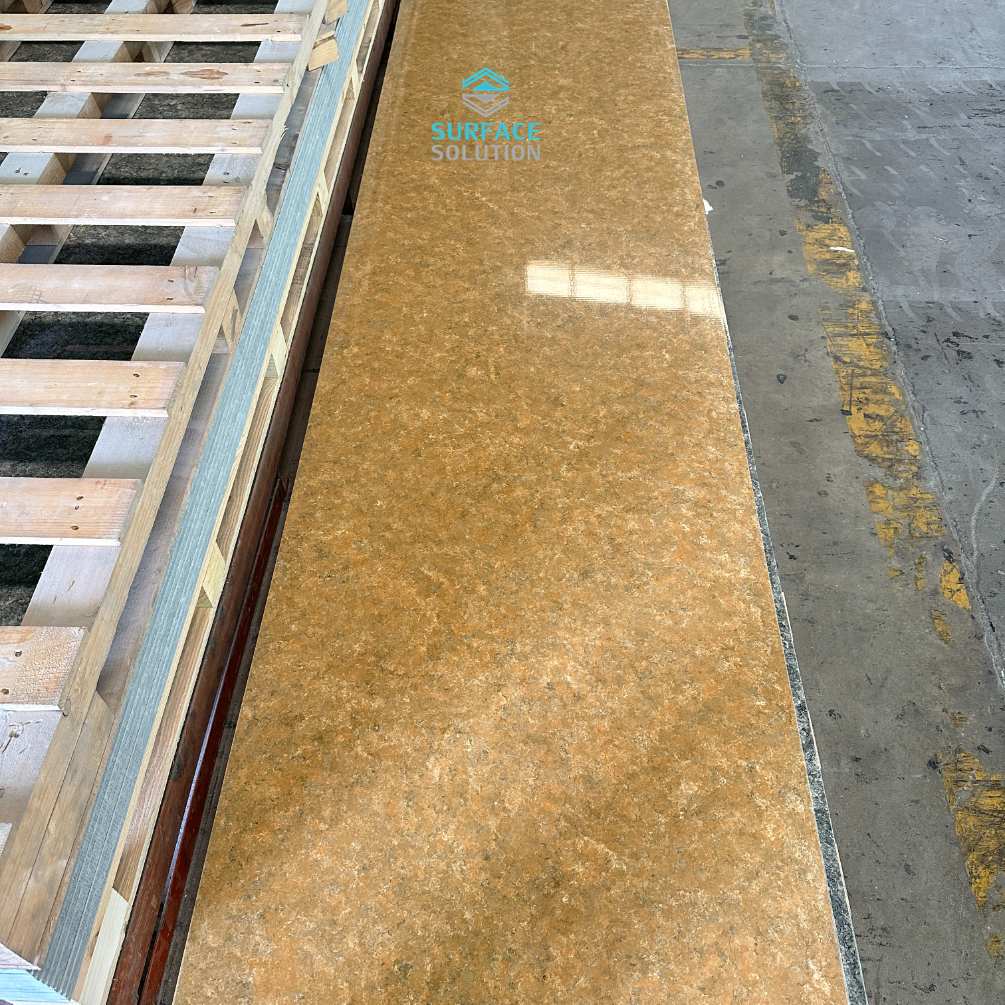 Wholesale Acrylic Solid Surface Slabs: Ultimate Material Solution for Countertop FabricatorsIn the competitive countertop manufacturing and renovation industry, material quality, processing flexibility, and cost efficiency are the three core factors that determine a fabricator’s market competitivene
 -
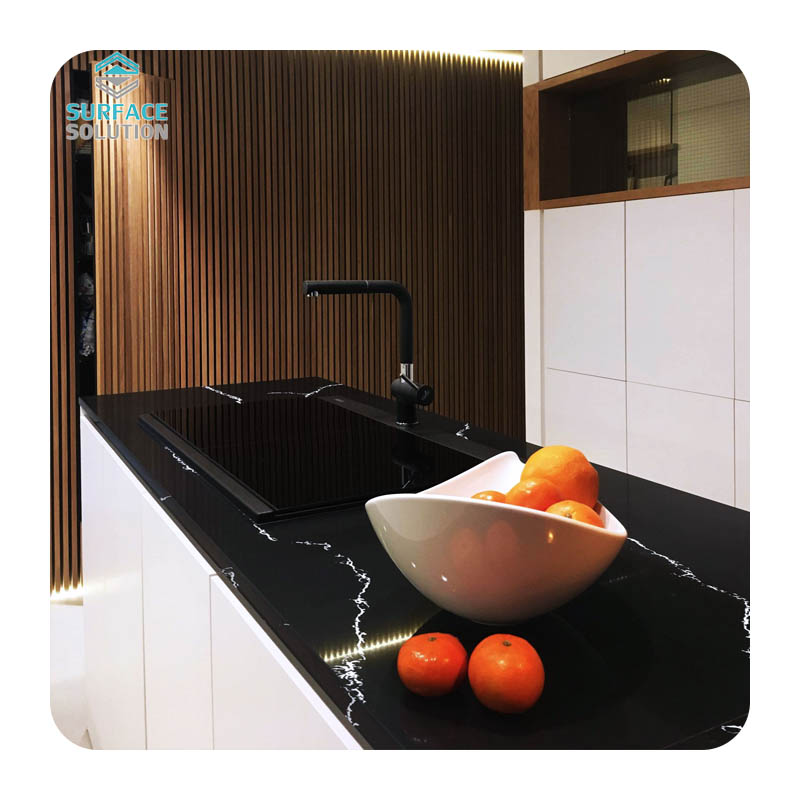 In modern residential and commercial interior design, vanity tops and kitchen islands serve as both functional core fixtures and key aesthetic focal points. These high-frequency usage surfaces require materials that balance outstanding durability, reliable hygiene, flexible design potential, and eff
 -
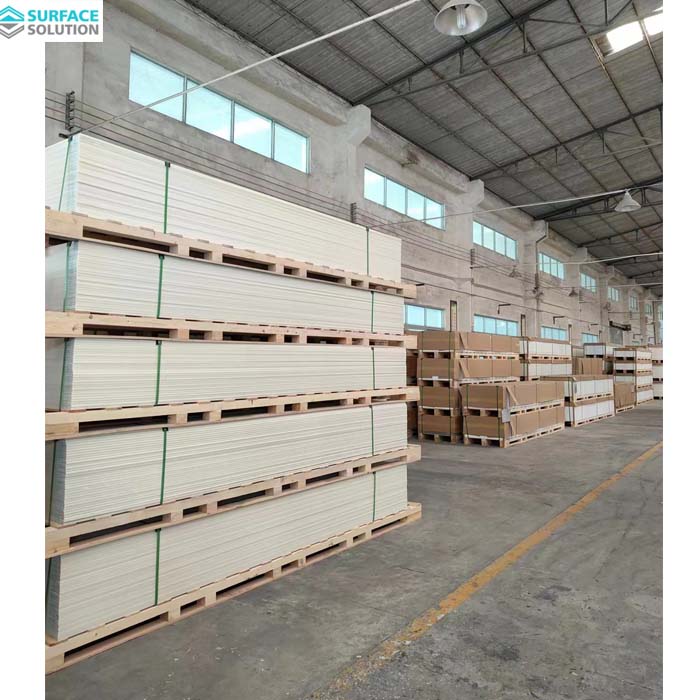 White acrylic solid surface countertops have become a top-tier mainstream choice for modern residential renovation and commercial space design, balancing minimalist timeless aesthetics, superior physical performance and long-term cost-effectiveness. Compared with traditional granite, quartz stone an
 -
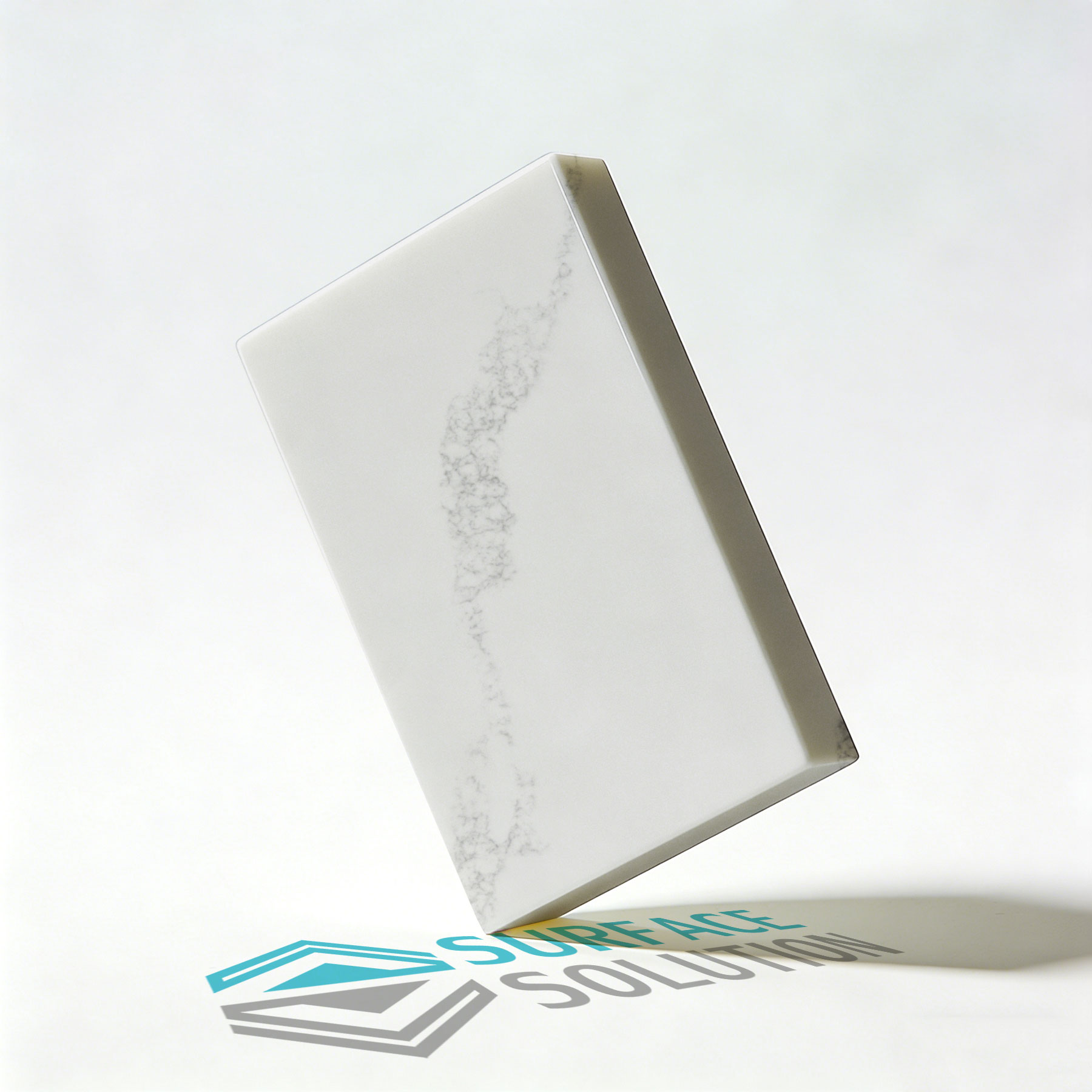 Custom Size Acrylic Solid Surface Panels for Interior RenovationInterior renovation projects often come with non‑standard dimensions, unique layout requirements and personalized design visions. Off‑the‑shelf building materials frequently fail to fit special wall sections, counter layouts or feature


