


Space-Saving Solutions with Acrylic Solid Surface Material Designs


Acrylic solid surfaces, composed of acrylic resins, mineral fillers, and pigments, possess inherent qualities that address the constraints of small-scale design. Their thermoformability allows them to be heated and molded into curved edges, custom angles, and integrated shapes, eliminating the need for bulky joints or separate components. This seamless construction not only reduces visual clutter but also minimizes wasted space between fixtures. Additionally, their non-porous nature and easy maintenance ensure longevity in high-use, tight quarters, where frequent cleaning and durability are paramount.
| Feature Category | Key Characteristics |
|---|---|
|
|
|
|
|
|
|
|
|
|
|
|
|
|
Kitchen Workstations: Acrylic countertops can be engineered to fold down into dining tables or extend into food-prep areas, with hidden storage compartments embedded beneath. The material’s heat resistance (up to 150°C) and stain resistance make it ideal for both cooking and dining, eliminating the need for separate surfaces.
Bathroom Vanities: Wall-mounted acrylic vanities with integrated sinks and built-in shelving reduce floor space usage while providing storage. Some designs feature foldable mirrors that double as medicine cabinets, maximizing vertical space without adding bulk.
Home Offices: Acrylic desk surfaces can transition from writing spaces to hidden storage units, with edges that curve upward to create partition-like dividers, separating work zones in open-concept rooms.
These designs leverage acrylic’s versatility to merge functionality, reducing the number of items needed in a space and thus freeing up square footage.


Built-in Nooks: Acrylic can be molded to fit awkward corners, transforming unused recesses into seating, shelving, or even mini home bars. Its seamless finish ensures these nooks blend with the surrounding decor, avoiding the fragmented look of off-the-shelf furniture.
Integrated Appliances: In kitchens, acrylic surfaces can be designed to encase small appliances like microwaves or coffee makers, creating a unified look that hides clunky machinery. The material’s smooth texture allows for easy cleaning around these embedded elements, a critical feature in tight spaces.
Sliding and Folding Systems: Acrylic panels can be used to create sliding room dividers or foldable walls, allowing spaces to shift from open to closed as needed. Unlike glass or wood, acrylic is lightweight yet sturdy, making these systems easy to operate even in confined areas.
Compact Retail Displays: Acrylic shelving and counters can be designed with nested layers or angled surfaces, maximizing product visibility without occupying excessive floor space. Their seamless design also reduces dust traps, a boon for small shops with limited cleaning time.
Hospitality Lobbies: Acrylic reception desks with integrated storage and curved edges streamline check-in areas, keeping them uncluttered while maintaining a modern aesthetic. In small hotel rooms, acrylic headboards with built-in lighting eliminate the need for separate lamps, saving bedside space.

Acrylic solid surface materials are redefining how we approach space-saving design. By combining functionality, customizability, and aesthetic appeal, they enable creations that adapt to the limitations of small spaces while enhancing their livability. From multifunctional furniture to custom-embedded fixtures, acrylic’s unique properties—seamless construction, thermoformability, and durability—make it an indispensable material for modern, space-efficient design. As urban spaces continue to shrink, the role of acrylic in maximizing every inch will only grow, proving that smart materials are as critical as smart design in creating functional, beautiful environments.
artificial stone countertops
acrylic solid surface
solid surface acrylics
Related Blogs
-
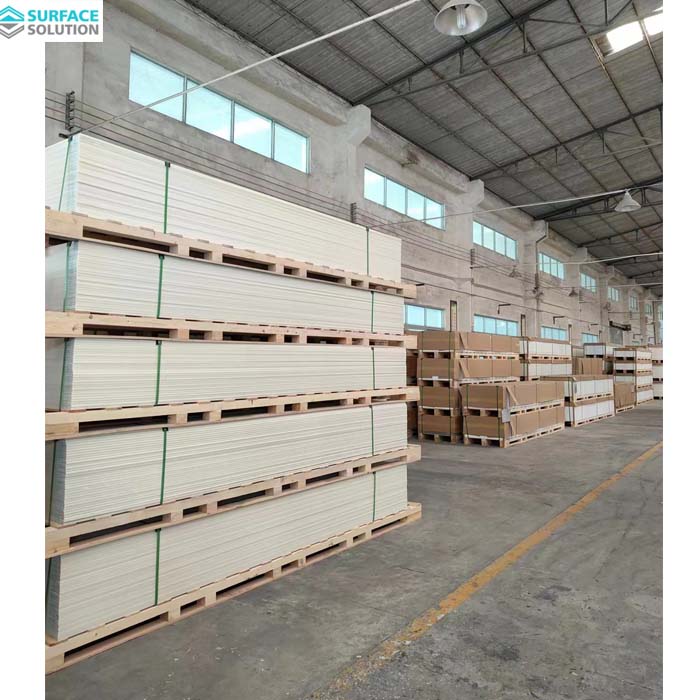 White acrylic solid surface remains a top-selling option for distributors, wholesalers and project contractors, widely specified for kitchen countertops, bathroom vanities, hotel vanity tops, commercial reception counters and custom tabletops. A common question from your downstream buyers is straigh
 -
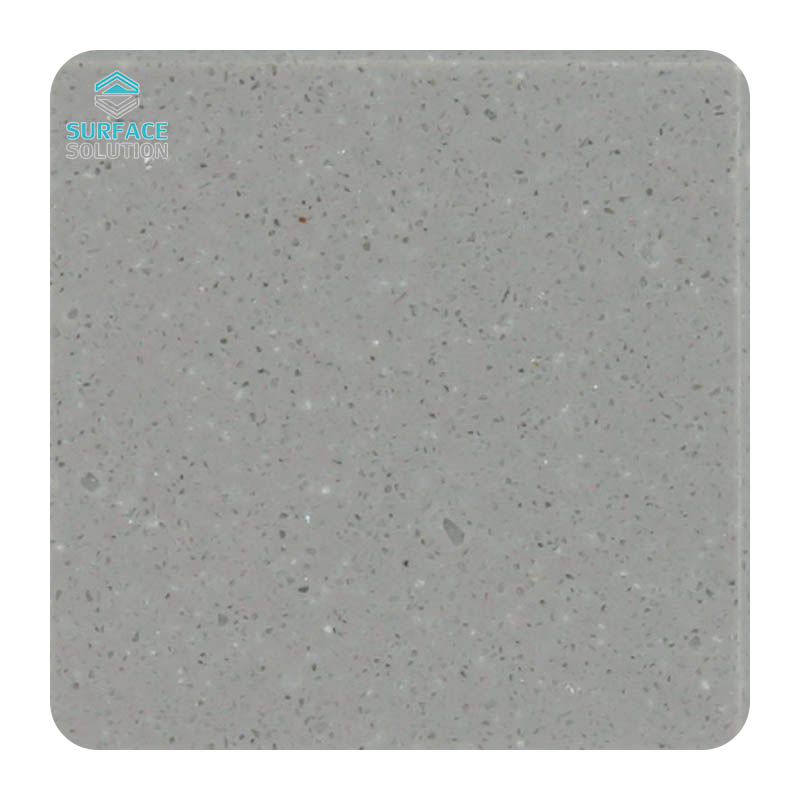 When renovating kitchens, bathrooms or commercial spaces, homeowners and designers often weigh different countertop materials. Acrylic solid surface is one of the most popular options, but a common question remains: is it durable enough for everyday use?Acrylic solid surface countertops are manufact
 -
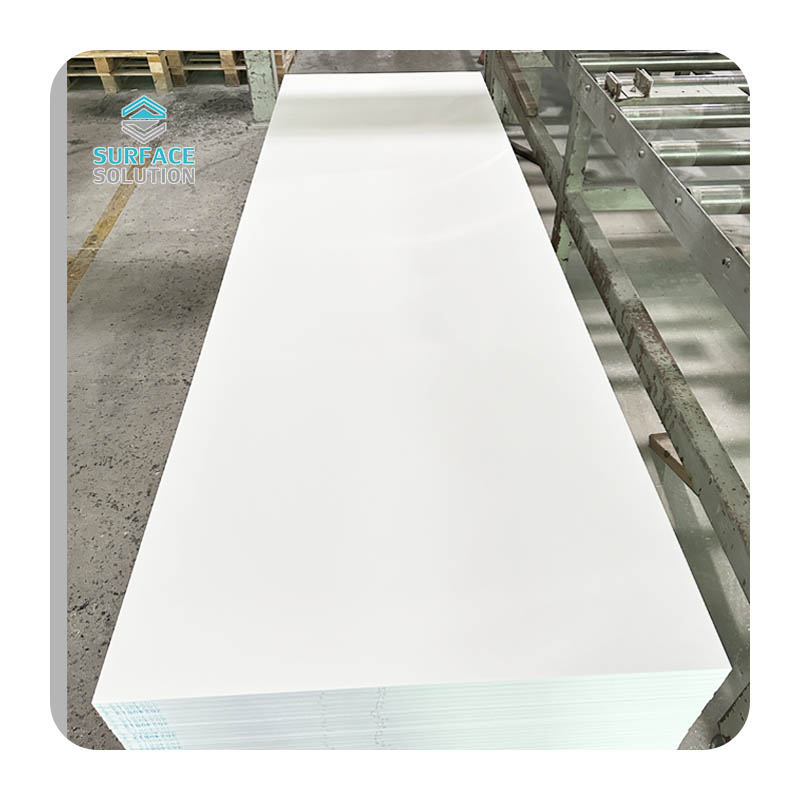 Acrylic solid surface is a premium engineered composite material widely used for kitchen countertops, vanity tops, wall panels, custom furniture and commercial interior projects. Many people confuse it with pure acrylic sheet or natural marble, but it is a carefully formulated blend of mineral powde
 -
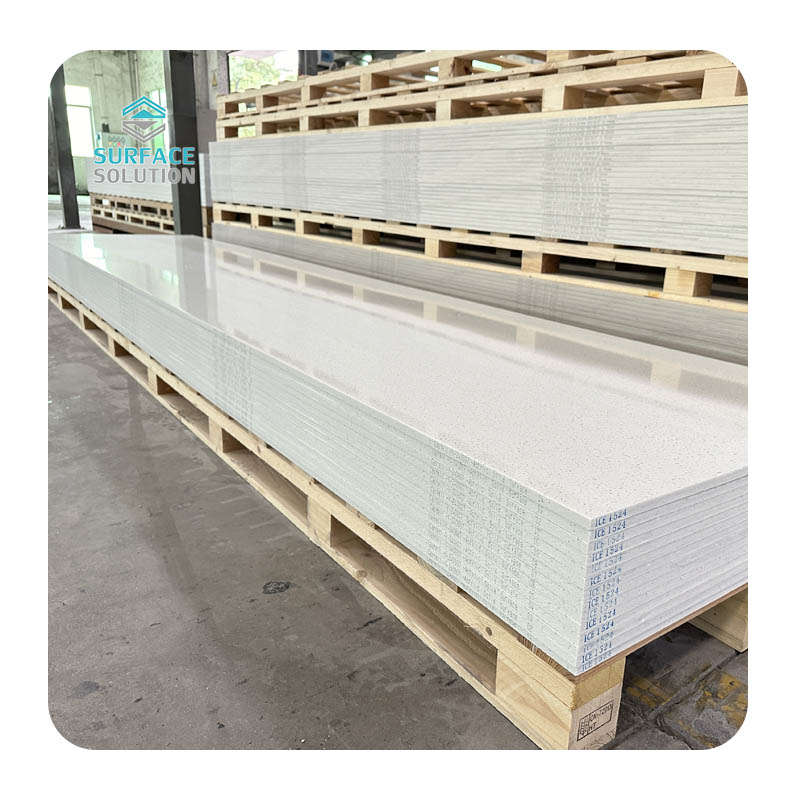 Kitchens and bathrooms are the most frequently used and easily worn spaces in residential and commercial buildings, where countertops face constant spills, moisture, friction, and daily stains. Compared with traditional materials such as natural marble, granite, quartz stone, and laminate, acrylic s


