Cost Analysis: Investing in Acrylic Solid Surface Materials
Acrylic solid surface materials have gained significant traction in the construction and design industries due to their versatility, durability, and aesthetic appeal. As a synthetic material composed of acrylic resins and mineral fillers, they offer seamless integration, stain resistance, and ease of maintenance, making them a popular choice for countertops, bathroom vanities, and commercial installations. However, before investing in this sector, a comprehensive cost analysis is essential to evaluate the financial viability and long-term returns. This article delves into the key cost components, market dynamics, and strategic considerations for investors.
The primary raw materials are acrylic resins (e.g., methyl methacrylate) and mineral fillers (e.g., aluminum trihydrate). Acrylic resins typically account for 30–50% of the total material cost . In 2025, the price of acrylic resin fluctuated between $1,800–$2,400 per ton, with stable trends expected due to consistent demand from sectors like coatings and adhesives . Mineral fillers, which enhance structural integrity, are more cost-effective, priced at $200–$500 per ton. However, sourcing high-purity fillers and additives (e.g., UV stabilizers) can increase material costs by 10–15% .
Setting up production requires extrusion or casting machinery, molds, and quality control systems. A mid-sized production line (annual capacity of 10,000–20,000 metric tons) may cost $5–$10 million, including equipment, installation, and automation upgrades . Energy-intensive processes, such as polymerization and curing, contribute to operational costs, with electricity expenses averaging $0.10–$0.15 per kilowatt-hour in major manufacturing regions like China and the U.S. .
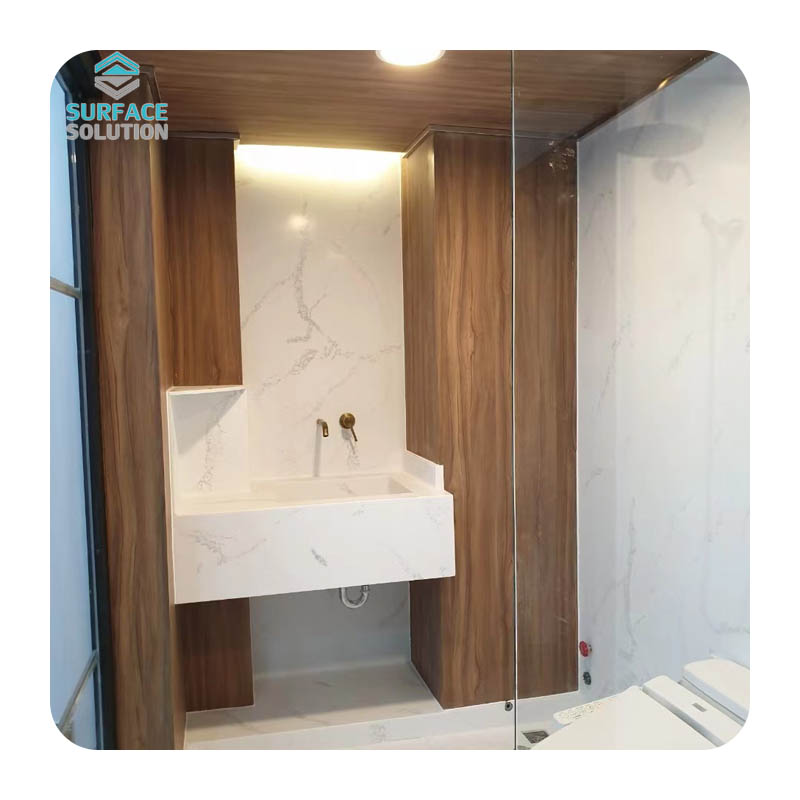
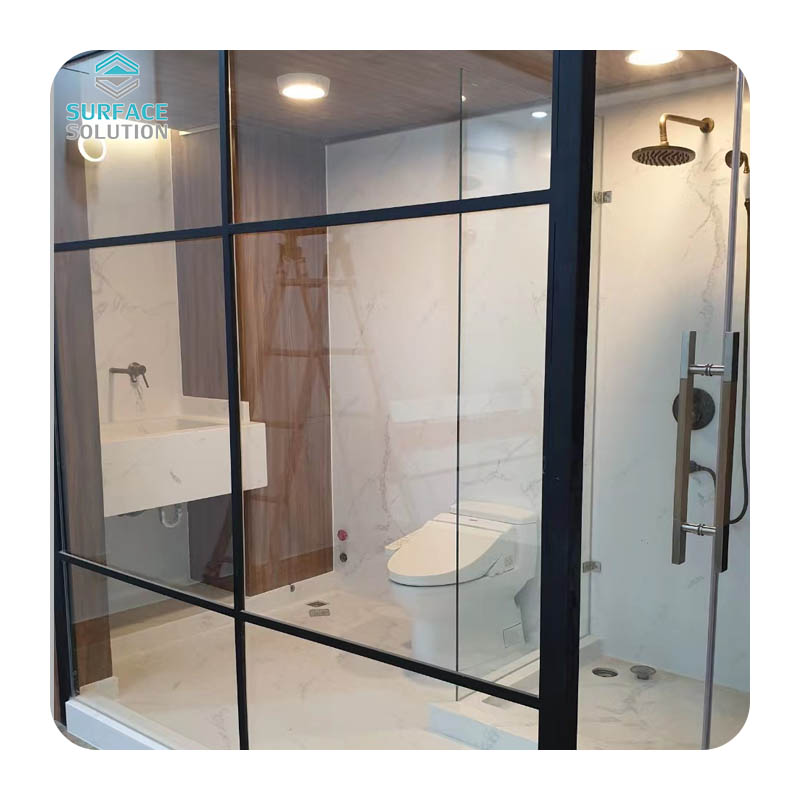
To remain competitive, companies must invest in R&D to develop innovative formulations (e.g., matte finishes, antimicrobial properties) and eco-friendly alternatives. For instance, recent advancements in heat-resistant
acrylic composites reduce post-processing costs by eliminating the need for mechanical surface roughening . R&D budgets typically range from 3–5% of total revenue, with breakthroughs like bio-based resins potentially commanding premium pricing .
Skilled labor is critical for precision manufacturing. In China, labor costs average $3–$5 per hour, while in the U.S., they range from $15–$25 per hour . Automation can reduce labor dependency by 40–60%, particularly in tasks like mixing, molding, and quality inspection. However, initial automation investments ($2–$4 million) must be balanced against long-term savings.
The polymerization process requires high temperatures (150–200°C), making energy a significant expense. A typical plant consumes 500–800 kWh per ton of product, translating to $50–$120 per ton at current energy rates . Adopting renewable energy sources (e.g., solar panels) can mitigate costs by 15–20% but requires upfront capital.
Machinery maintenance costs 1–3% of equipment value annually. Waste from trimmings and defective products (typically 5–8% of output) must be recycled or disposed of, adding $20–$50 per ton to operational expenses. Implementing closed-loop recycling systems can reduce waste by 50% .
The global acrylic solid surface market is projected to grow at a CAGR of 7.5% from 2025–2030, reaching $45 billion by 2030 . Key drivers include:
Urbanization: Rapid urbanization in Asia (e.g., China, India) fuels demand for modular kitchens and bathroom solutions.
Sustainability Trends: Eco-friendly formulations (e.g., recycled content) align with green building certifications like LEED.
Commercial Applications: High-demand sectors include hospitality (lobbies, countertops) and healthcare (sterile surfaces) .
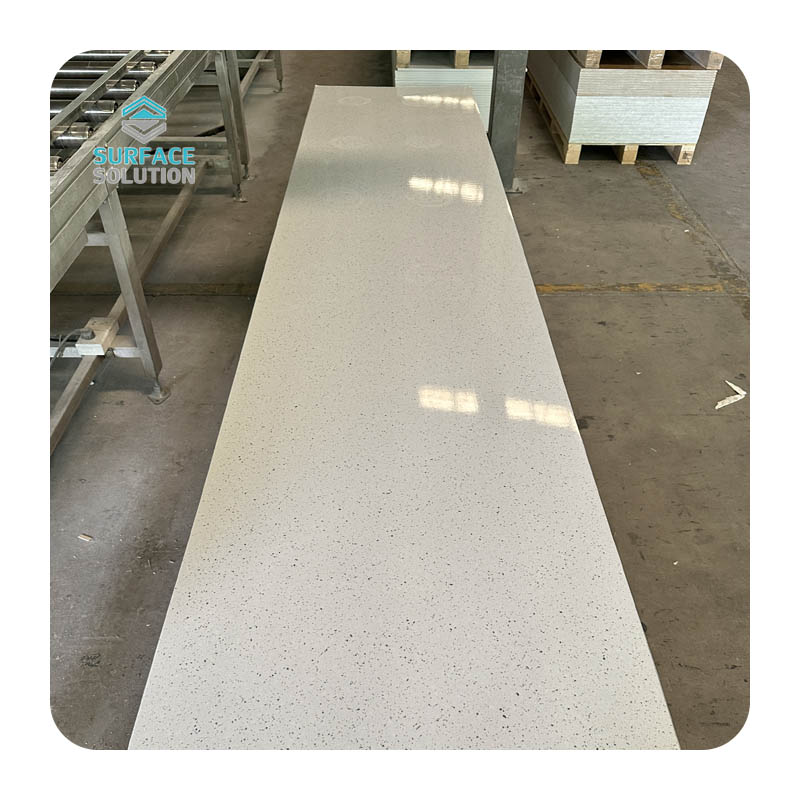
Acrylic solid surfaces command premium prices compared to quartz or granite. In 2025, the average wholesale price was $80–$120 per square meter, with luxury variants (e.g., antimicrobial finishes) priced at $150–$200 per square meter . Competitive pricing against quartz (typically $60–$90 per square meter) hinges on emphasizing durability and design flexibility.
North America: Dominates with 35% market share, driven by strict environmental regulations and high consumer spending .
Asia-Pacific: Fastest-growing region (CAGR 10%), supported by infrastructure projects and cost-effective manufacturing .
Europe: Focuses on premium, sustainable products, with Germany and Italy leading in R&D .
Fluctuations in acrylic resin prices (e.g., due to crude oil market shifts) can impact margins. Long-term supply contracts with suppliers or vertical integration (e.g., backward integration into acrylic monomer production) can stabilize costs .
Environmental regulations (e.g., EU REACH, U.S. EPA) mandate low VOC emissions. Investing in compliant formulations may increase R&D costs by 5–10% but ensures market access .
Emerging materials like engineered stone or bio-based composites pose competitive threats. Continuous innovation (e.g., self-healing surfaces) and partnerships with designers can maintain market leadership .
A mid-sized production facility (annual capacity 15,000 tons) with a $10 million initial investment can achieve breakeven within 3–5 years, assuming a 25% gross margin. Key ROI drivers include:
Economies of Scale: Larger production volumes reduce unit costs by 10–15%.
Premium Products: High-margin variants (e.g., UV-resistant surfaces) boost profitability.
Export Markets: Penetrating emerging economies (e.g., Southeast Asia) can diversify revenue streams.
Investing in acrylic solid surface materials offers substantial growth potential, supported by rising demand in construction and design sectors. While initial costs for R&D, machinery, and compliance are significant, long-term profitability is achievable through strategic pricing, operational efficiency, and innovation. By leveraging regional market opportunities and mitigating risks like raw material volatility, investors can position themselves as leaders in this dynamic industry. As sustainability and design trends evolve, continuous adaptation will be key to maximizing returns in the acrylic solid surface market.


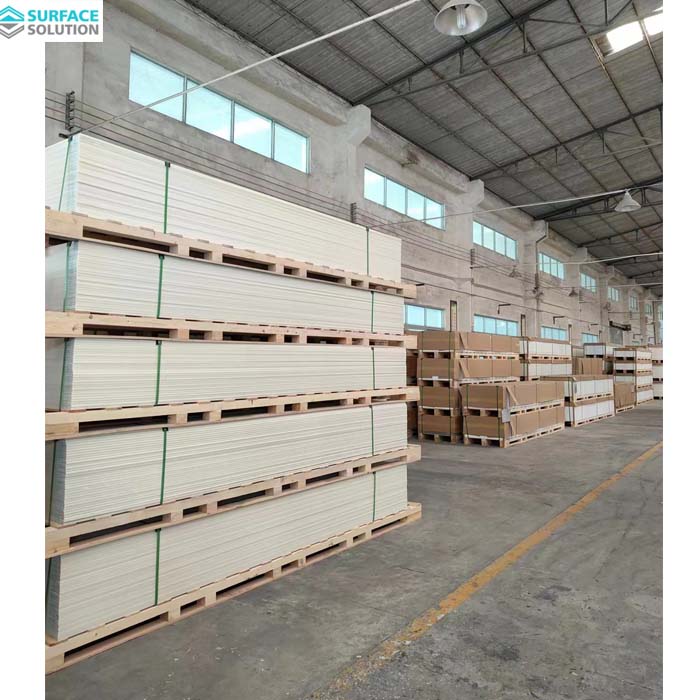 White acrylic solid surface remains a top-selling option for distributors, wholesalers and project contractors, widely specified for kitchen countertops, bathroom vanities, hotel vanity tops, commercial reception counters and custom tabletops. A common question from your downstream buyers is straigh
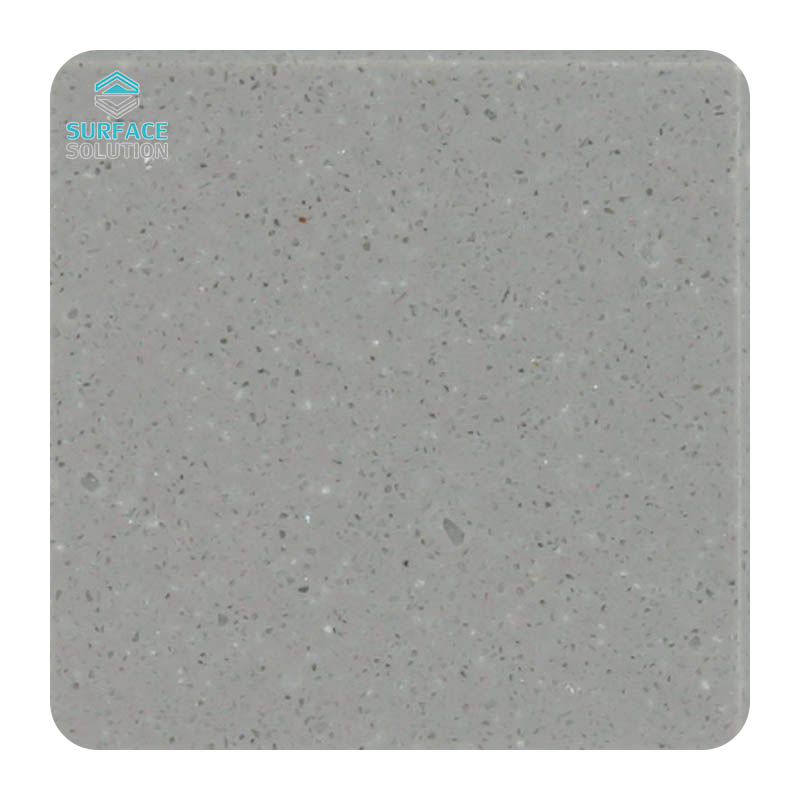 When renovating kitchens, bathrooms or commercial spaces, homeowners and designers often weigh different countertop materials. Acrylic solid surface is one of the most popular options, but a common question remains: is it durable enough for everyday use?Acrylic solid surface countertops are manufact
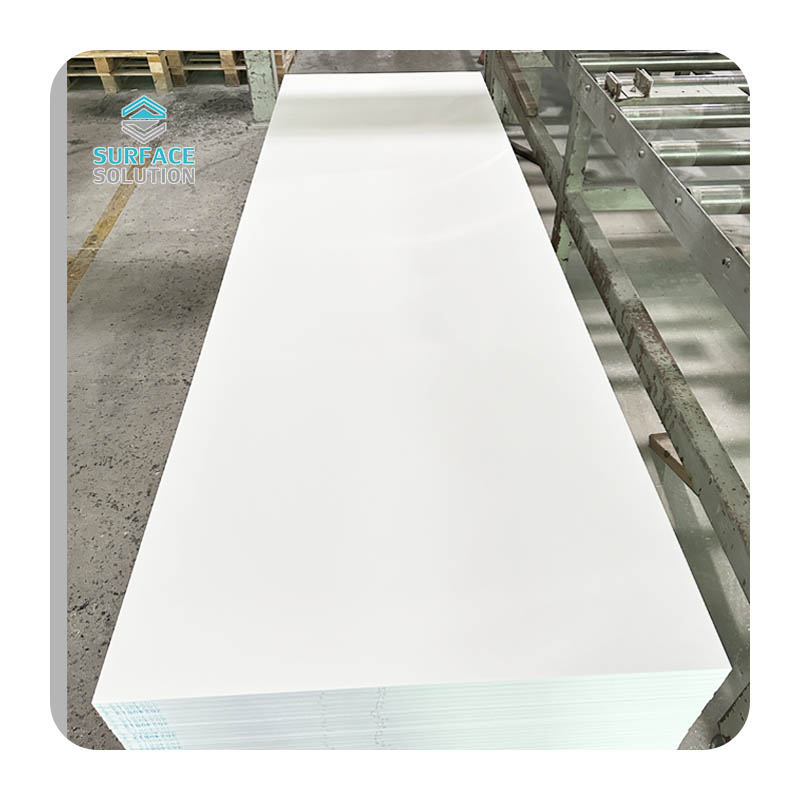 Acrylic solid surface is a premium engineered composite material widely used for kitchen countertops, vanity tops, wall panels, custom furniture and commercial interior projects. Many people confuse it with pure acrylic sheet or natural marble, but it is a carefully formulated blend of mineral powde
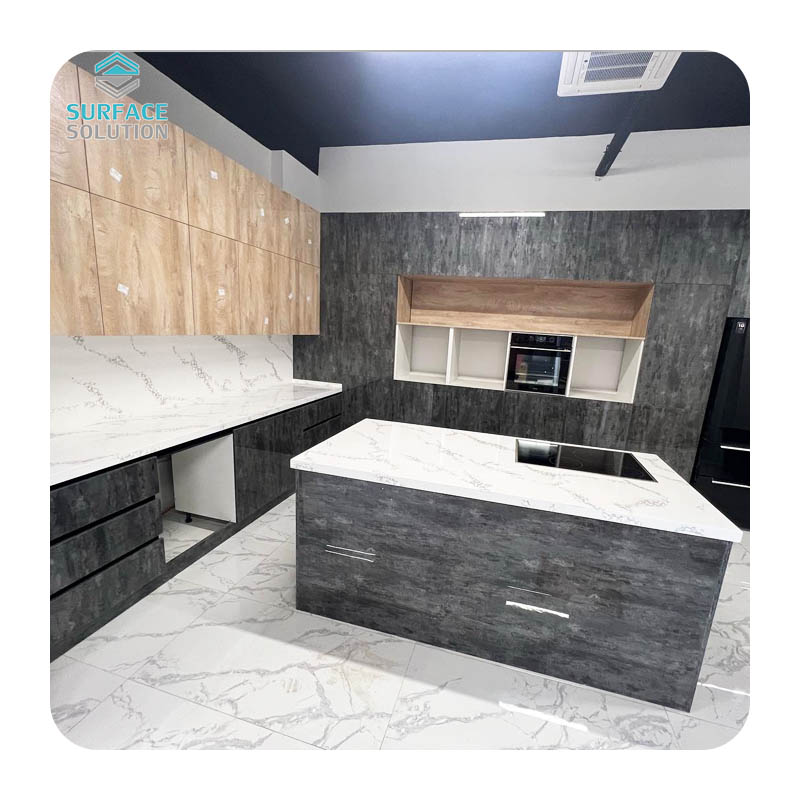
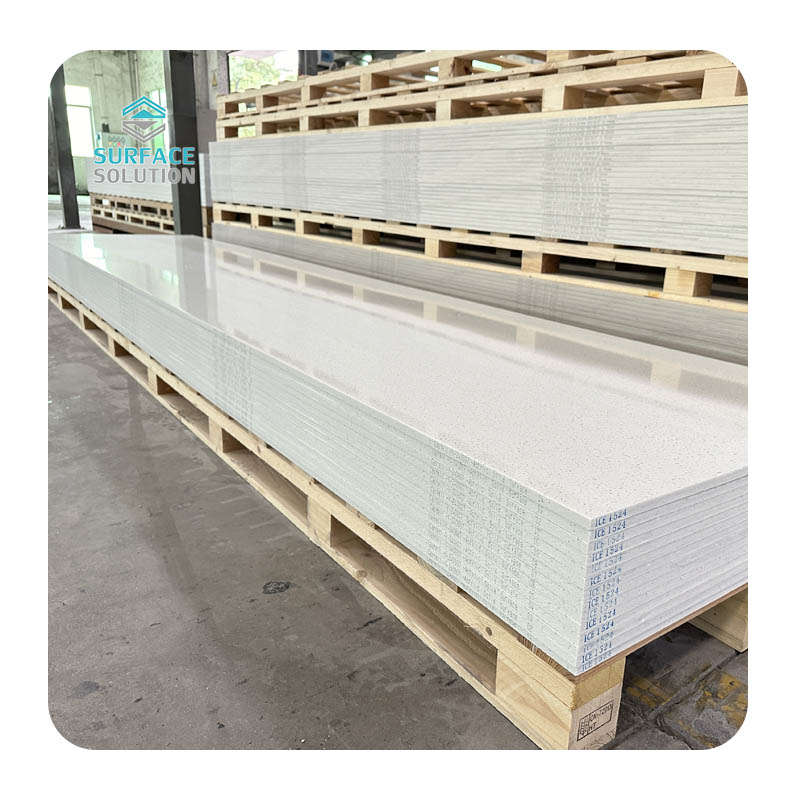 Kitchens and bathrooms are the most frequently used and easily worn spaces in residential and commercial buildings, where countertops face constant spills, moisture, friction, and daily stains. Compared with traditional materials such as natural marble, granite, quartz stone, and laminate, acrylic s


