Solid Surface Sinks: A Comprehensive Guide to Pros and Cons
In modern kitchen and bathroom design, solid surface sinks have gained a loyal following for their sleek appearance and functional benefits—but they are not a one-size-fits-all solution. Crafted from a blend of acrylic/polyester resins and mineral fillers, these sinks bridge the gap between style and practicality, yet they come with trade-offs that homeowners must consider before investing. Below is an unbiased breakdown of their key advantages (pros) and potential drawbacks (cons), helping you decide if they align with your lifestyle and space.
Pros of Solid Surface Sinks
1. Seamless Aesthetics & Hygiene
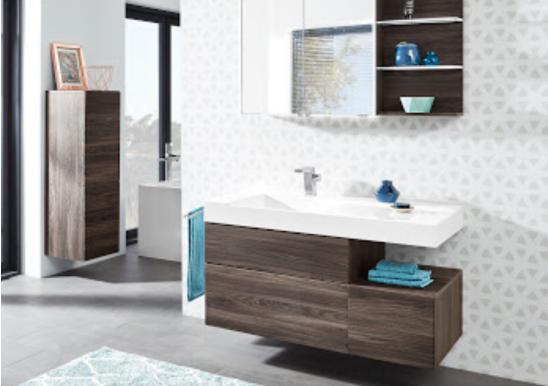
One of the most celebrated benefits of solid surface sinks is their ability to integrate seamlessly with countertops. Unlike drop-in stainless steel or ceramic sinks (which leave visible gaps), solid surface models are either molded directly into the countertop or fused to it, creating a single, unbroken surface. This design eliminates crevices where food particles, soap scum, or moisture collect—reducing bacteria growth and making cleaning far easier. For example, in a busy kitchen, wiping spills from countertop to sink takes seconds, with no need to scrub around edges. Visually, the seamless look also enhances minimalism, making small bathrooms or kitchens feel more spacious and cohesive.
2. Durability & Stain Resistance
Solid surface’s non-porous composition is a game-changer for longevity. Unlike porous materials like natural stone (marble, granite) or even some ceramics, it does not absorb liquids—meaning stains from coffee, wine, oil, or bathroom serums are easily wiped away with a mild cleaner. Minor scratches (from utensils or scrub brushes) can also be repaired at home: a light sanding with fine-grit sandpaper restores the smooth finish, avoiding the permanent blemishes that plague stainless steel or ceramic sinks. For families or frequent cooks, this durability translates to fewer replacements—solid surface sinks typically last 20–30 years, outperforming traditional sinks that degrade in 5–10 years.
3. Unlimited Customization
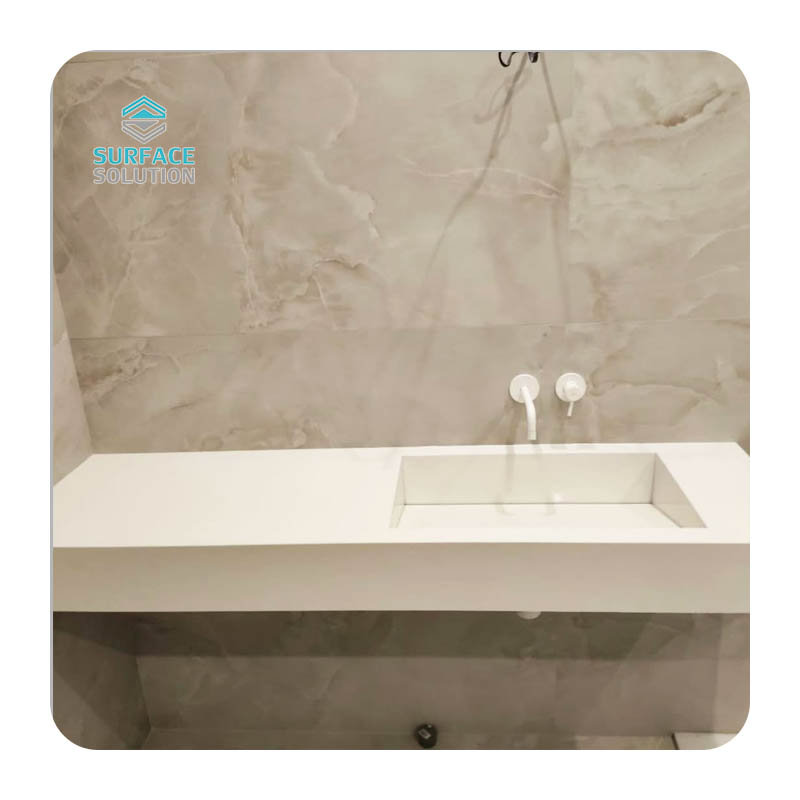
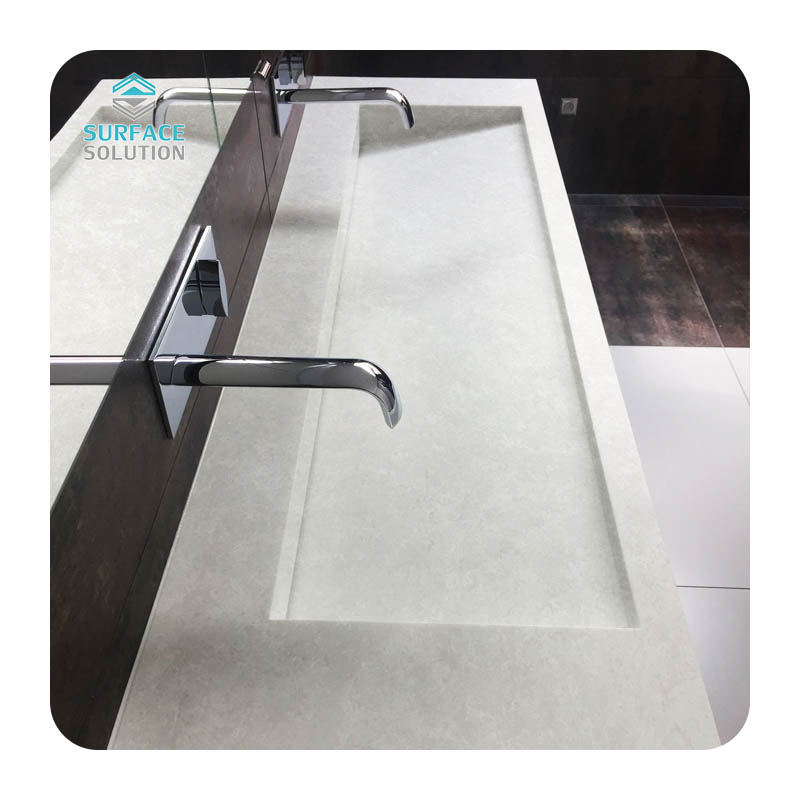
Solid surface’s moldable nature allows for unmatched design flexibility. Manufacturers can shape it into nearly any form: deep single basins for large pots, narrow profiles for compact kitchens, or curved oval styles for luxury bathrooms. Double-basin sinks with unequal depths (one for washing, one for rinsing) or built-in draining boards are also easy to create. Color options are equally vast—from neutral whites and grays to bold terracottas or navy blues—and the color runs through the entire material (no chipping or fading like painted sinks). This makes it simple to match the sink to cabinetry, walls, or countertops, ensuring a cohesive look tailored to your personal style.
4. Thermal Comfort & Low Maintenance
Unlike stainless steel sinks (which feel icy cold in winter) or ceramic (which retains cold), solid surface has low thermal conductivity—it stays warmer to the touch, making handwashing or dishwashing more comfortable, especially in colder climates. Maintenance is also minimal: no need for sealants (required for natural stone) or special polishes (for stainless steel). Daily cleaning only needs warm water and dish soap; tough stains (like dried food) can be lifted with a baking soda paste. This simplicity is ideal for busy professionals or families who want to spend less time on upkeep.
5. Eco-Friendliness
Many solid surface brands now use recycled resins and mineral fillers in production, reducing waste and lowering carbon footprints. Unlike plastic sinks (non-biodegradable) or ceramic (which requires energy-intensive firing), solid surface manufacturing is more sustainable. Its long lifespan also means fewer sinks end up in landfills—unlike traditional options that need replacement every decade. For eco-conscious homeowners, this makes solid surface a responsible choice.
Cons of Solid Surface Sinks
1. Higher Upfront Cost
Solid surface sinks are more expensive than traditional alternatives. A basic solid surface sink can cost 2–3 times more than a standard stainless steel or ceramic sink, and custom designs (e.g., unique shapes, integrated countertops) push prices even higher. Installation costs may also rise: because the sink often needs to be bonded to the countertop, professional installation is recommended, unlike drop-in sinks that can be DIYed. For budget-conscious buyers, this upfront investment may be a barrier.
2. Limited Heat Resistance
While durable, solid surface is not heatproof. Exposing it to extreme temperatures—such as placing a 滚烫 (scalding hot) pot directly from the stove into the sink—can cause warping, discoloration, or even cracking. Most manufacturers recommend using trivets or cooling racks for hot items, which adds an extra step to kitchen routines. This is a notable downside for avid cooks who frequently handle hot cookware, as it requires more caution than stainless steel (which withstands high heat).
3. Dark Colors Show Water Spots & Scratches
While solid surface hides minor scratches well, dark-colored models (e.g., black, dark gray) are prone to showing water spots—especially in hard water areas, where mineral deposits leave white streaks. They also highlight dust or lint more than light colors, requiring more frequent wiping to maintain a clean look. Light-colored sinks, by contrast, hide water spots but may show stains from highly pigmented substances (e.g., turmeric, tomato sauce) if not cleaned immediately—though these stains are still removable with gentle scrubbing.
4. Major Damage Requires Professional Repair
While minor scratches can be fixed at home, deep cracks or chips (from dropping heavy objects like cast-iron pans) often need professional repair. DIY attempts to fill large gaps may result in uneven surfaces or color mismatches, as matching the sink’s exact hue and texture requires specialized tools and expertise. Professional repairs add extra cost, and in some cases, if the damage is too severe, the entire sink may need replacement—undermining its long-term value for users prone to accidents.
5. Heavy Weight (for Large Models)
Solid surface is denser than stainless steel, so large or deep solid surface sinks can be heavy. This means they require sturdy cabinetry or countertop support to avoid sagging over time. For older homes with weaker cabinetry, additional reinforcement may be needed during installation—adding time and cost to the project. This is less of an issue for small bathroom sinks but a key consideration for kitchen sinks with large basins.
Conclusion: Who Should (and Should Not) Choose Solid Surface Sinks?
Solid surface sinks excel for homeowners who prioritize long-term value, seamless design, and low daily maintenance—and are willing to invest upfront. They are ideal for:
They may not be the best fit for:
Ultimately, solid surface sinks offer a compelling mix of style and functionality, but their success depends on aligning their strengths with your lifestyle. By weighing these pros and cons, you can make an informed decision that enhances your space for years to come.


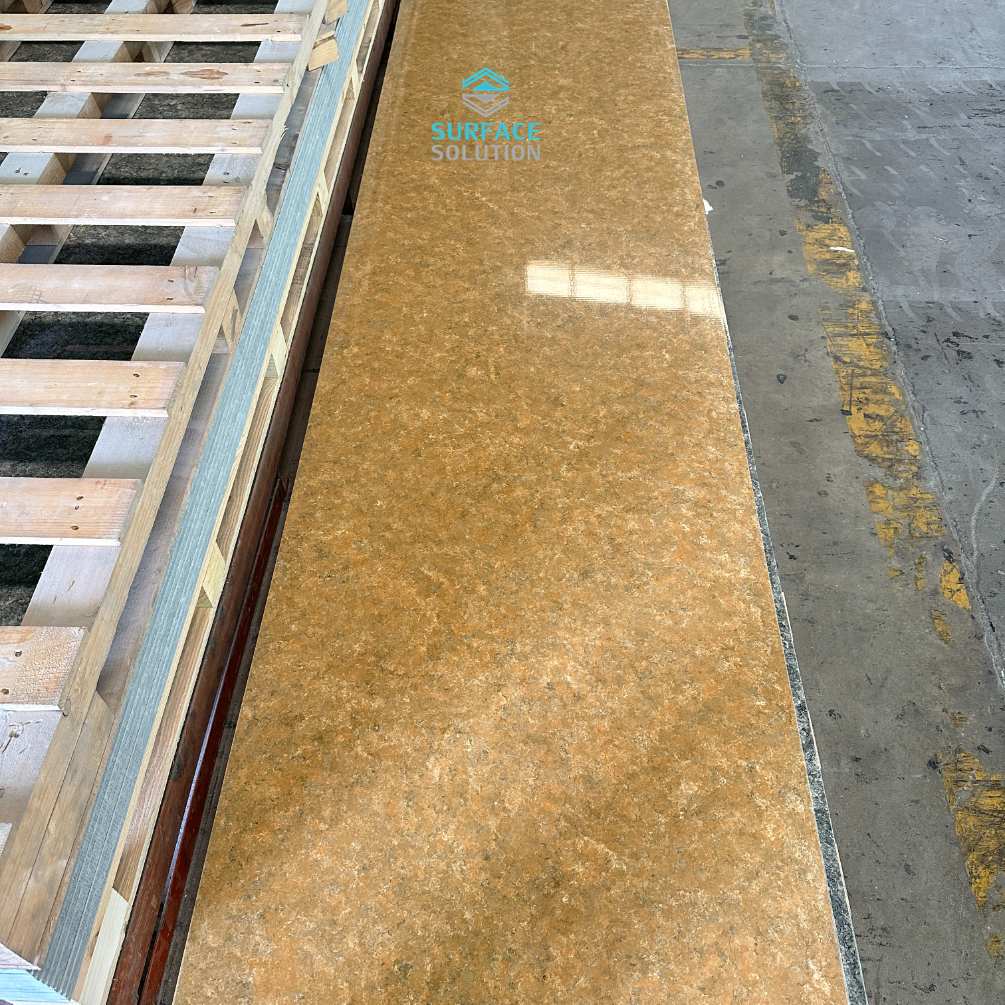 Wholesale Acrylic Solid Surface Slabs: Ultimate Material Solution for Countertop FabricatorsIn the competitive countertop manufacturing and renovation industry, material quality, processing flexibility, and cost efficiency are the three core factors that determine a fabricator’s market competitivene
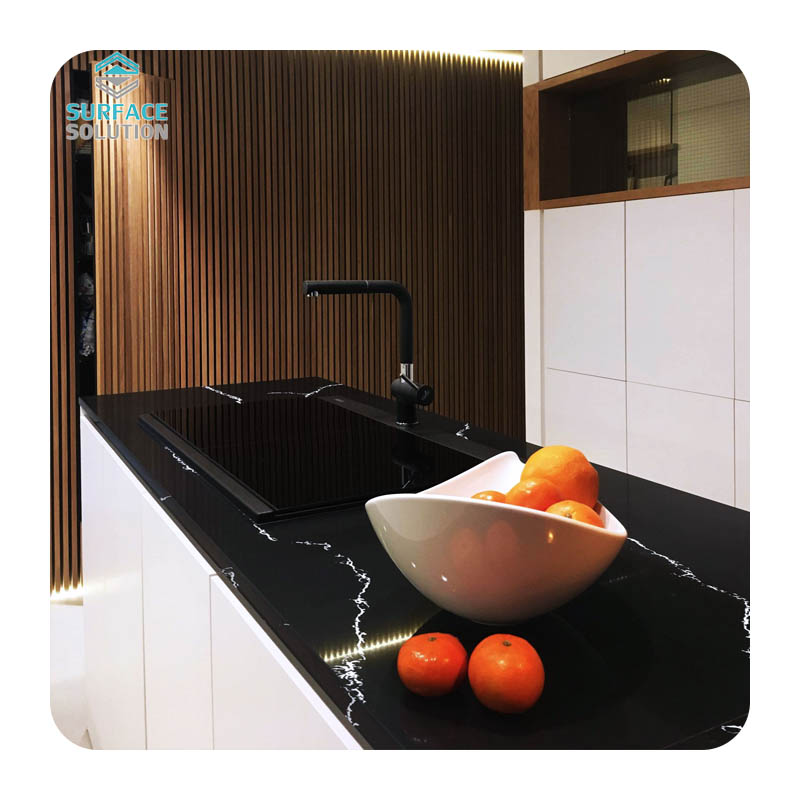 In modern residential and commercial interior design, vanity tops and kitchen islands serve as both functional core fixtures and key aesthetic focal points. These high-frequency usage surfaces require materials that balance outstanding durability, reliable hygiene, flexible design potential, and eff
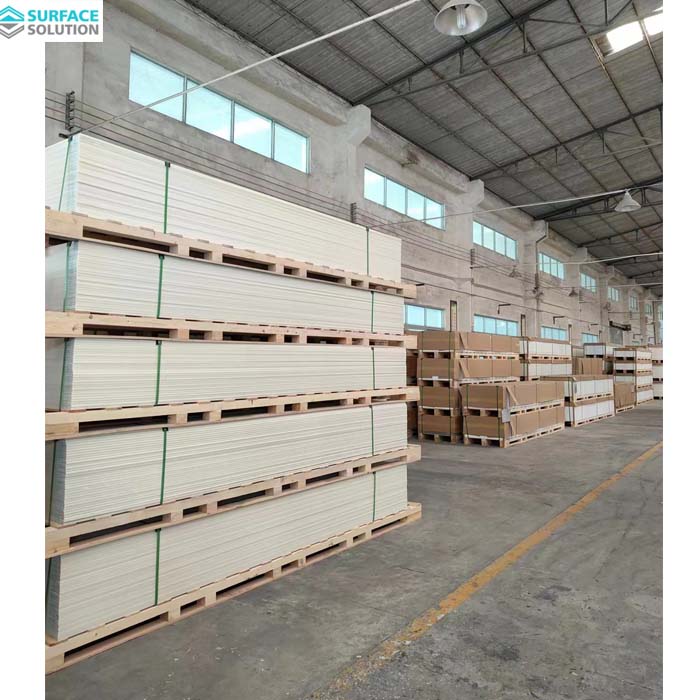 White acrylic solid surface countertops have become a top-tier mainstream choice for modern residential renovation and commercial space design, balancing minimalist timeless aesthetics, superior physical performance and long-term cost-effectiveness. Compared with traditional granite, quartz stone an
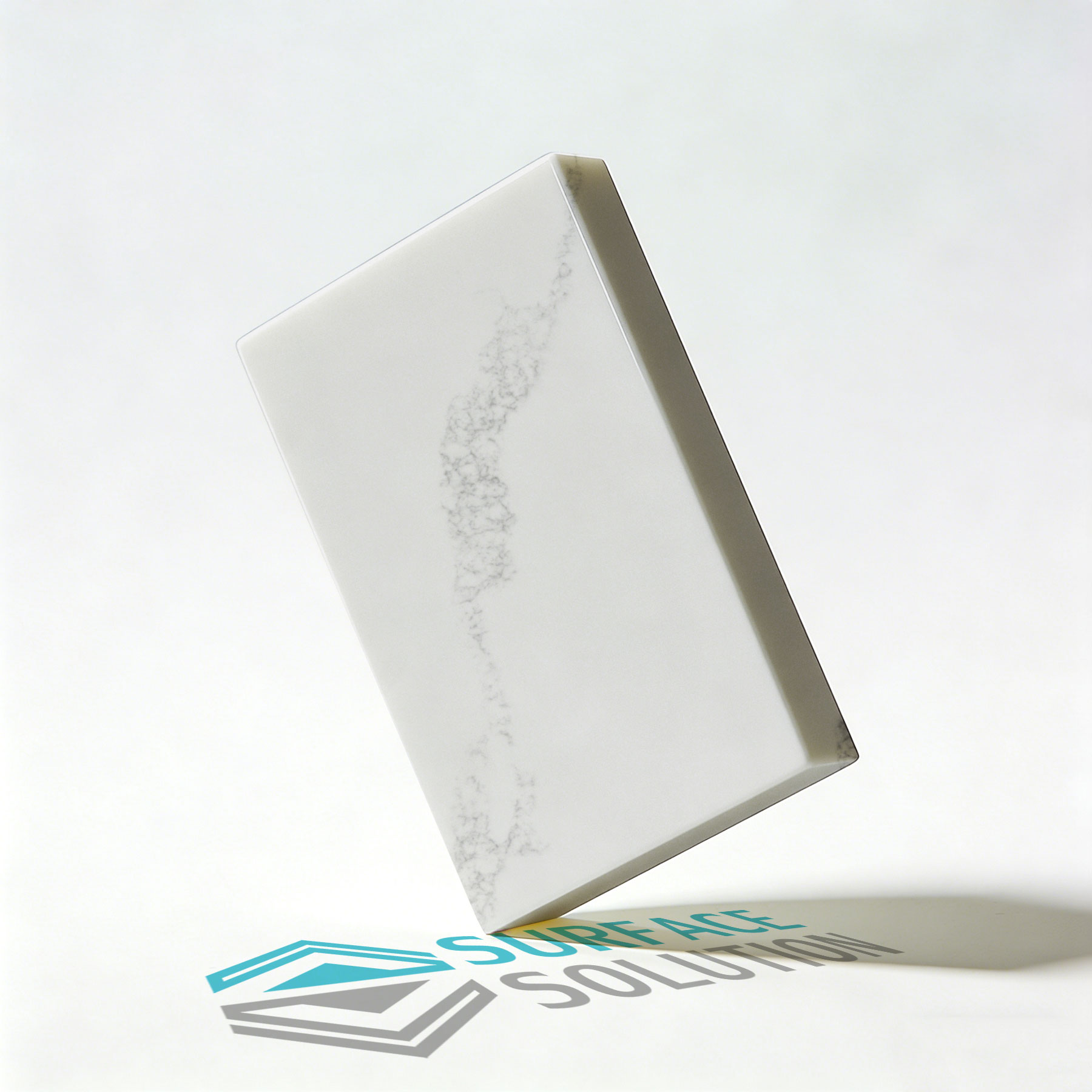 Custom Size Acrylic Solid Surface Panels for Interior RenovationInterior renovation projects often come with non‑standard dimensions, unique layout requirements and personalized design visions. Off‑the‑shelf building materials frequently fail to fit special wall sections, counter layouts or feature


