The Unmatched Benefits of Solid Surface Sinks: Elevating Functionality and Aesthetics in Modern Spaces
In the realm of kitchen and bathroom design, the sink is far more than a utilitarian fixture—it’s a central element that balances daily functionality with visual harmony. As homeowners and designers seek solutions that merge practicality, durability, and style, solid surface sinks have risen to prominence, outshining traditional options like stainless steel, ceramic, or porcelain in key areas. Crafted from the same blend of acrylic (or polyester) resins and mineral fillers as solid surface countertops, these sinks offer a seamless, cohesive look while delivering a host of benefits tailored to modern living. From eliminating hygiene hotspots to adapting to diverse design visions, solid surface sinks redefine what a sink can be. 1. Seamless Integration: Eliminating Gaps and Clutter
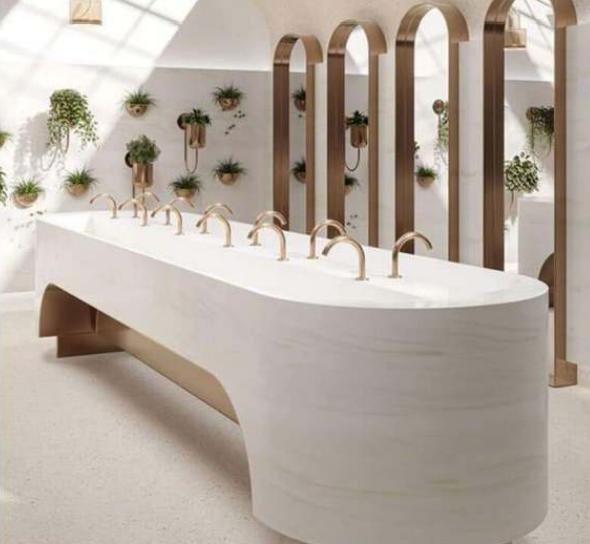
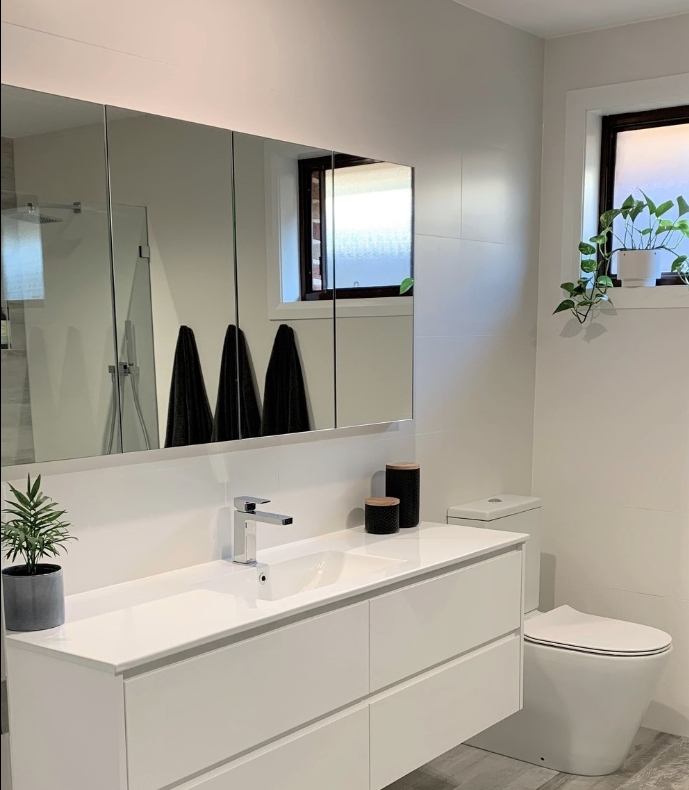
One of the most defining advantages of solid surface sinks is their ability to integrate seamlessly with countertops—a feature that addresses a major flaw of traditional sinks. Unlike drop-in or undermount sinks (which leave visible gaps between the sink and countertop), solid surface sinks are either molded directly into the countertop or fused to it with precision, creating a single, unbroken surface. This seamless bond eliminates the tiny crevices where food particles, soap scum, or moisture often accumulate—gaps that are not only difficult to clean but also breed bacteria over time. For busy kitchens, this means less time scrubbing around sink edges and more peace of mind about hygiene. In bathrooms, where moisture is constant, the seamless design prevents mold and mildew growth around the sink base, keeping the space cleaner and more durable. Beyond practicality, the absence of gaps creates a sleek, minimalist aesthetic that makes small kitchens or bathrooms feel more spacious. Whether paired with a matching solid surface countertop or a complementary material, the sink blends effortlessly, avoiding the "disconnected" look of traditional fixtures.
2. Exceptional Durability: Resisting Wear, Stains, and Impact
Solid surface sinks are engineered to withstand the rigors of daily use—far outperforming fragile ceramic or high-maintenance stainless steel in longevity. The material’s non-porous composition is key here: unlike porous stone (such as marble) or even some ceramics, it does not absorb liquids, which means stains from coffee, wine, oil, or bathroom products are a thing of the past. A simple wipe with a mild cleaner is enough to remove spills, even if they sit for hours.
Scratches, too, are less of a concern. While stainless steel sinks show scratches easily (and often require special polishes to hide), solid surface sinks can be lightly sanded to erase minor scratches, restoring their smooth finish without professional help. This durability extends to impact resistance as well: unlike ceramic sinks, which can crack or chip if a heavy pot or tool is dropped, solid surface holds up to accidental knocks, maintaining its structural integrity for decades.
For families or anyone who uses their kitchen heavily, this durability translates to long-term value. Solid surface sinks rarely need replacement, avoiding the cost and hassle of upgrading fixtures every few years—a stark contrast to traditional sinks that degrade quickly under frequent use.
3. Unlimited Customization: Adapting to Any Space or Style
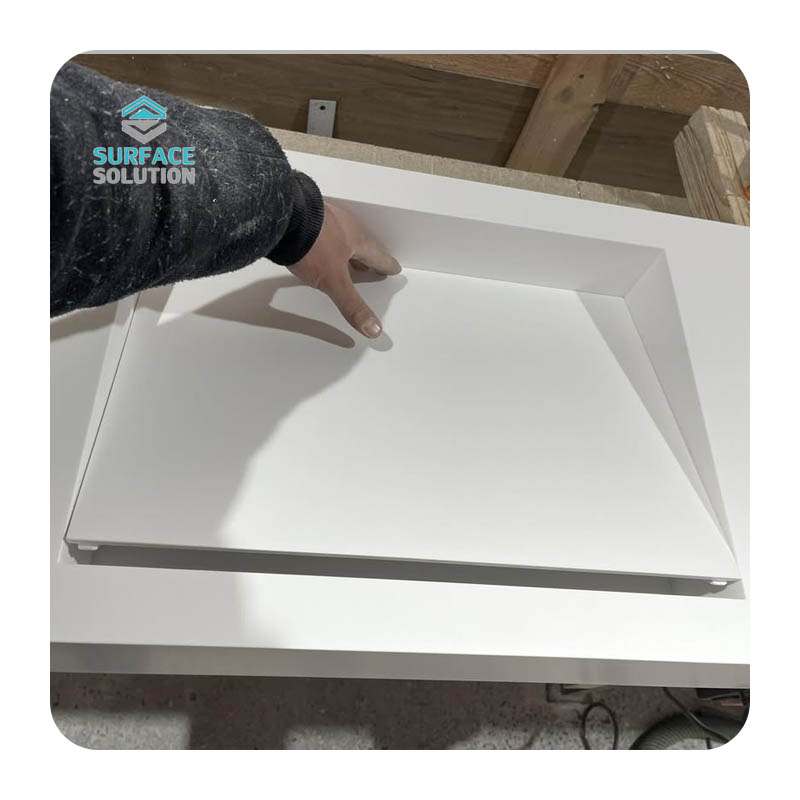
No two homes are the same, and solid surface sinks excel at adapting to unique design needs—something traditional sinks (which come in limited sizes and shapes) struggle to do. Manufacturers can mold solid surface into virtually any shape, size, or depth, making it easy to fit even the most awkwardly sized kitchens or bathrooms.
For compact kitchens, a narrow, deep solid surface sink can maximize under-counter storage while still providing enough space for washing large pots. In luxury bathrooms, a curved or oval solid surface sink can add a soft, organic touch, complementing modern or contemporary decor. Even specialized needs—such as a double-basin sink with unequal depths (one for washing, one for rinsing) or a sink with built-in draining boards—can be fulfilled with solid surface.
Color customization is another standout feature. Solid surface sinks are available in a vast range of hues, from neutral whites and grays to bold blues or earth tones. Unlike painted sinks (which chip or fade), the color runs through the entire material, ensuring it stays vibrant for years. This allows homeowners to match the sink to their cabinetry, walls, or countertop, creating a cohesive look that reflects their personal style—whether that’s minimalist, industrial, or coastal.
4. Easy Maintenance: Simplifying Daily Care
In a world where time is precious, the low-maintenance nature of solid surface sinks is a major draw. Unlike stainless steel sinks (which require regular polishing to avoid water spots) or ceramic sinks (which need harsh chemicals to remove stains), solid surface sinks demand minimal upkeep.
The non-porous surface means no need for special sealants (a must for natural stone sinks) or frequent deep cleaning. A quick wipe with warm water and a mild detergent (like dish soap) is sufficient for daily cleaning. For tougher stains—such as dried-on food or mineral deposits—a paste of baking soda and water can lift grime without damaging the surface. There’s no need for abrasive scrubbers or toxic cleaners, making solid surface sinks a safe choice for homes with children or pets.
This ease of maintenance also benefits busy professionals or anyone who prefers to spend time on hobbies rather than cleaning. With a solid surface sink, keeping the kitchen or bathroom tidy becomes a quick, effortless task.
5. Thermal Comfort: Avoiding the "Cold" Feel of Traditional Sinks
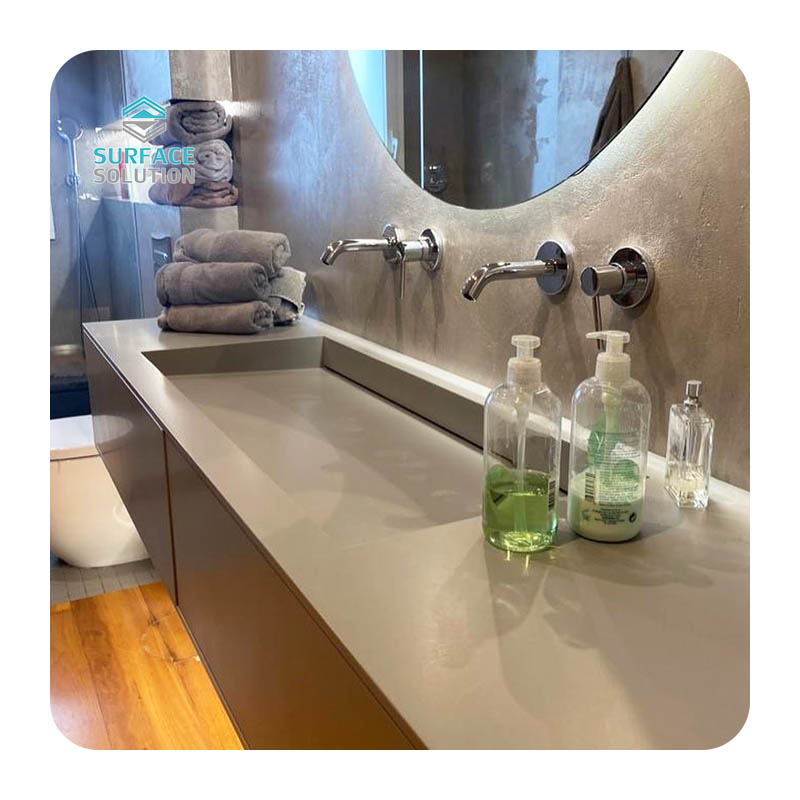
One often-overlooked benefit of solid surface sinks is their thermal conductivity—or lack thereof. Unlike stainless steel, which feels icy cold to the touch, especially in winter, solid surface retains heat better, providing a more comfortable experience when washing hands, dishes, or fruits.
In bathrooms, this means no more shrinking away from a cold sink surface on early mornings. In kitchens, it makes washing dishes for extended periods less uncomfortable, as the sink doesn’t leach heat from your hands. While this may seem like a small detail, it adds up to a more pleasant daily experience—one that traditional sinks simply can’t match.
6. Eco-Friendliness: A Sustainable Choice for Modern Homes
As sustainability becomes a top priority for homeowners, solid surface sinks stand out as an eco-friendly option. Many manufacturers now produce solid surface using recycled resins and mineral fillers, reducing waste and lowering the material’s carbon footprint. Unlike plastic sinks (which are non-biodegradable) or ceramic sinks (which require energy-intensive manufacturing processes), solid surface production is more environmentally responsible.
Additionally, the longevity of solid surface sinks means less waste in landfills. Traditional sinks are often replaced every 5–10 years, but solid surface sinks can last 20–30 years or more, reducing the need for new production and transportation. For homeowners looking to minimize their environmental impact without sacrificing style or functionality, solid surface sinks are a clear choice.
Conclusion: Why Solid Surface Sinks Are a Smart Investment
Solid surface sinks are more than just a trend—they’re a practical, durable, and stylish solution for modern homes. Their seamless integration eliminates hygiene risks and clutter, while their durability ensures long-term value. With unlimited customization options, they adapt to any space or design vision, and their easy maintenance simplifies daily life. Add in thermal comfort and eco-friendliness, and it’s clear why solid surface sinks are replacing traditional fixtures in kitchens and bathrooms worldwide.
Whether you’re renovating a small apartment kitchen, upgrading a luxury bathroom, or building a new home, a solid surface sink offers a rare combination of form and function. It’s not just a sink—it’s an investment in a more efficient, beautiful, and sustainable living space.


 Artificial Stone Wall Art: Adding Texture and Depth to Modern InteriorsIn the pursuit of unique, expressive interior spaces, artificial stone wall art has become a powerful design element. Unlike flat paint, wallpaper, or ordinary wall panels, artificial stone wall art brings authentic texture, thre
 Artificial Stone for Retail Spaces: Enhancing Customer ExperienceIn the fiercely competitive retail industry, store design is no longer merely a matter of interior decoration. It has evolved into a core strategic tool to attract foot traffic, extend customer stay time, and elevate brand perception.
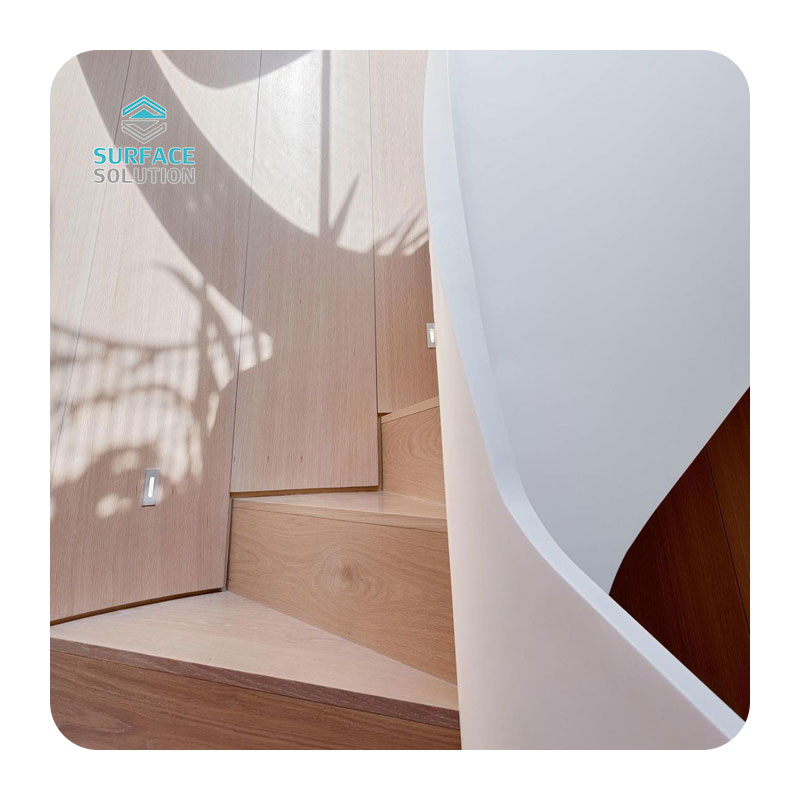 Artificial Stone Staircases: Combining Safety and StyleStaircases serve as both vital functional structures and core decorative elements in residential and commercial buildings. For decades, natural stone stair treads have been a popular choice for premium interior design, thanks to their elegant te
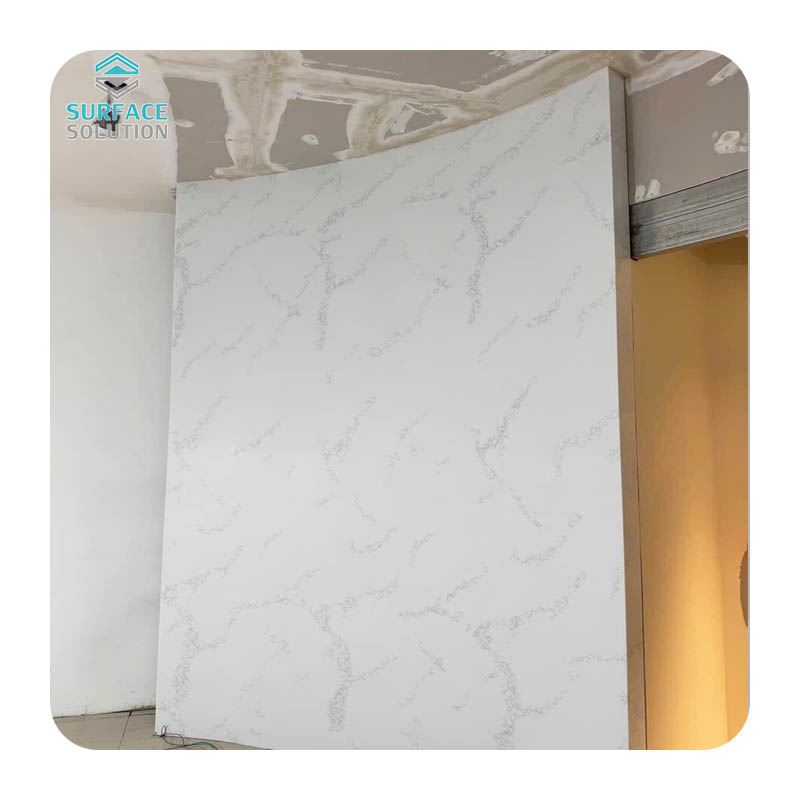 Artificial Stone Wall Panels: Transforming InteriorsNatural stone has long been revered in interior design for its timeless texture, elegant tones, and unique organic charm. Yet its inherent drawbacks—excessive weight, exorbitant costs, cumbersome installation, and high maintenance demands—have limi


