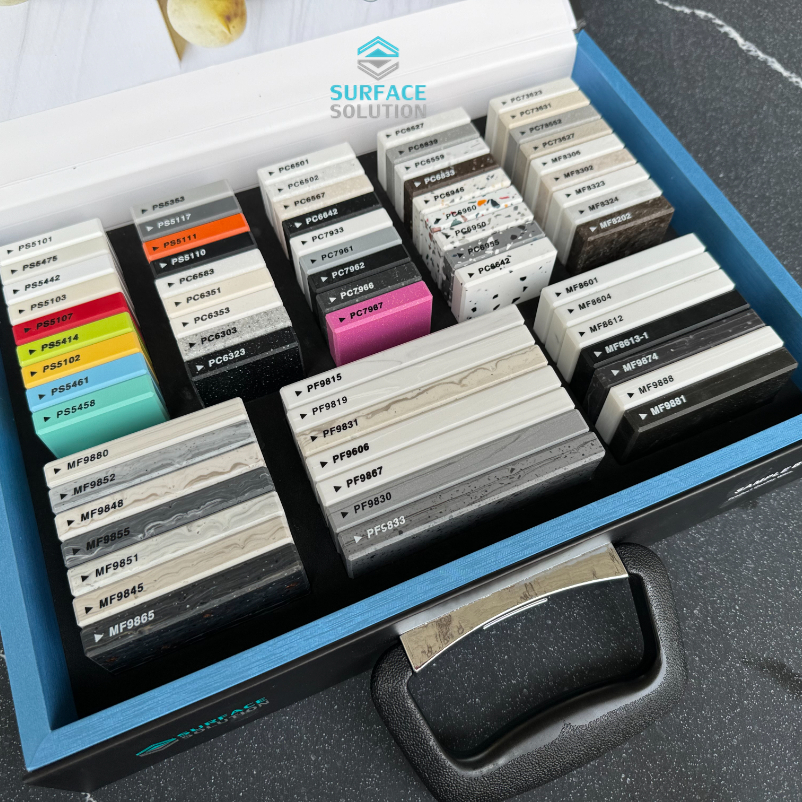
Artificial Stone for Retail Spaces: Enhancing Customer Experience


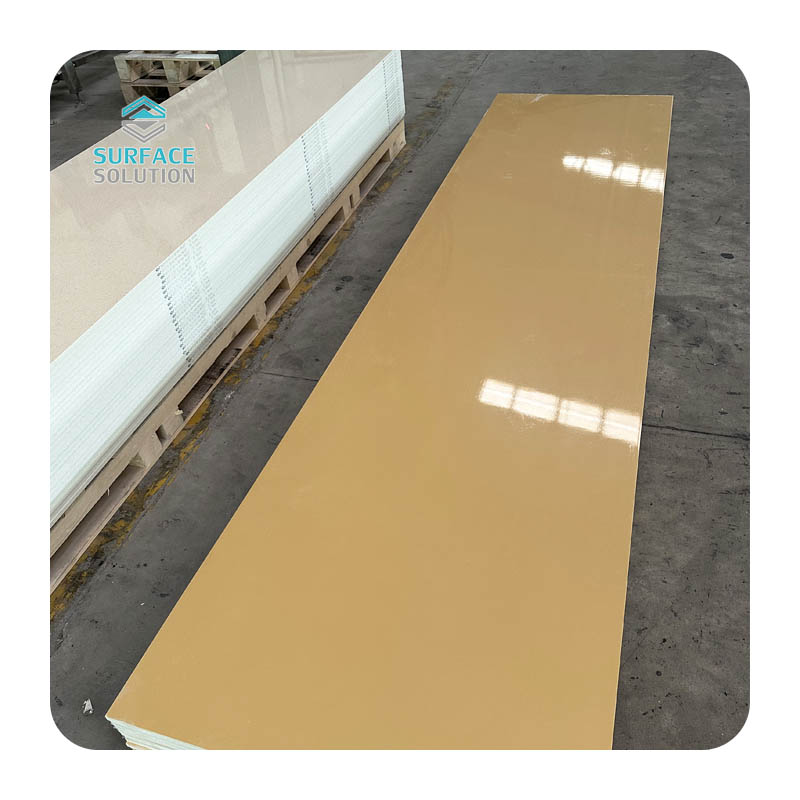
In the fiercely competitive retail industry, store design is no longer merely a matter of interior decoration. It has evolved into a core strategic tool to attract foot traffic, extend customer stay time, and elevate brand perception. Every texture, color, and structural detail of a retail space subtly shapes shoppers' emotions and consumption decisions. Among countless decorative materials, artificial stone has emerged as a premium and practical choice for modern retail spaces. Combining immersive aesthetic appeal, superior functional performance, and flexible customization capabilities, it thoroughly optimizes the entire shopping journey and redefines high-quality customer experience in physical retail stores.
Unlike natural stone, which is limited by scarce raw materials, heavy weight, and unstable texture consistency, high-performance artificial stone—including acrylic solid surface, sintered stone, and translucent stone panels—replicates the elegant texture of natural marble, limestone, and onyx while eliminating the inherent flaws of natural stone. This unique balance of beauty and practicality makes it perfectly tailored for the high-frequency, high-traffic operational characteristics of retail environments, laying a solid foundation for enhancing customer experience.

First and foremost, artificial stone empowers retail spaces with immersive visual aesthetics, creating a memorable shopping atmosphere that resonates with customers. Consumer shopping behavior today is increasingly experience-oriented; shoppers no longer focus solely on products but pursue emotional satisfaction brought by space ambiance. Artificial stone features delicate, uniform textures, rich customizable colors, and seamless splicing effects, enabling designers to create diverse spatial styles suitable for different retail brands. For luxury fashion boutiques and high-end beauty stores, dark-toned artificial stone with subtle natural textures delivers a sense of sophistication and solemnity, setting off product delicacy and allowing customers to perceive premium brand positioning intuitively. For lifestyle stores, bookstores, and trendy retail spaces, light-colored, warm-textured artificial stone builds a relaxed, bright, and cozy atmosphere, eliminating the cold and rigid feeling of traditional commercial spaces.
A standout advantage of modern artificial stone is its light-transmitting performance, which creates unique immersive light and shadow experiences for retail spaces. Translucent artificial stone panels can be matched with embedded LED light strips to present soft, uniform glowing effects, which are widely applied in feature walls, display counters, and storefront decorations. This warm and layered light and shadow design breaks the flatness of traditional retail spaces, creates a high-end cinematic ambiance, and easily attracts pedestrian attention in shopping malls. Such distinctive spatial visuals not only increase store recognition but also encourage customers to take photos and share online, bringing spontaneous social exposure for the brand and enriching the multi-dimensional shopping experience.
Beyond aesthetic upgrades, the excellent physical properties of artificial stone effectively solve the pain points of retail space operation and further optimize customer tactile and interactive experience. Retail spaces face long-hour operation, dense pedestrian flow, and frequent contact and friction between customers and facilities such as counters, walls, and display platforms. Artificial stone boasts high hardness, scratch resistance, impact resistance, and stain resistance, far surpassing ordinary paint, wallpaper, and even natural stone. Its non-porous surface effectively resists oil stains, beverage spills, and daily dust accumulation, and is easy to clean and maintain, always keeping the store environment tidy and refreshing. For customers, every touch of smooth, delicate, blemish-free stone surfaces delivers a refined and comfortable tactile experience, subtly improving their overall favorability toward the store.
In addition, artificial stone has outstanding moisture-proof, mildew-proof, and weather-resistant properties, adapting to complex indoor and semi-indoor retail environments. It maintains stable color and texture without fading or deforming after long-term use, ensuring the long-term consistency of store spatial aesthetics. Meanwhile, its lightweight feature greatly reduces installation difficulty compared with heavy natural stone, enabling rapid construction and flexible space renovation. This allows retail brands to quickly adjust store styles according to seasonal promotions, new product launches, and market trends, keeping the shopping space fresh and bringing customers a continuous sense of novelty.

Customization flexibility is another core advantage of artificial stone in enhancing retail customer experience. Retail brands of different positioning and styles have personalized demands for space design, and artificial stone can be arbitrarily cut, bent, and shaped to create integrated seamless structures such as curved display counters, arc-shaped walls, and irregular art installations. It supports customized color matching, texture printing, and size production according to brand VI systems, perfectly integrating brand elements into spatial design. For example, trendy streetwear stores can adopt personalized color-blocked artificial stone to highlight youthful vitality, while high-end jewelry stores can use minimalist pure-color stone with smooth lines to set off the luxury of jewelry. This highly customized spatial design makes the store form a unique brand memory point, helping customers quickly identify the brand and deepen their impression during the shopping process.
In the context of global low-carbon and sustainable development, artificial stone also endows retail brands with environmental value, meeting modern consumers' pursuit of green consumption. Most artificial stone products are made of environmentally friendly resin, natural mineral powder, and other recycled raw materials, with low carbon emissions in the production process and no harmful substances released during use. Different from natural stone mining that damages ecological resources, artificial stone realizes the reuse of resources, conforming to the sustainable development concept of modern commercial retail. More and more environmentally conscious consumers are willing to choose brands with green design concepts, so the application of artificial stone also enhances customers' emotional identity and sense of recognition toward the brand.
Related Blogs
-
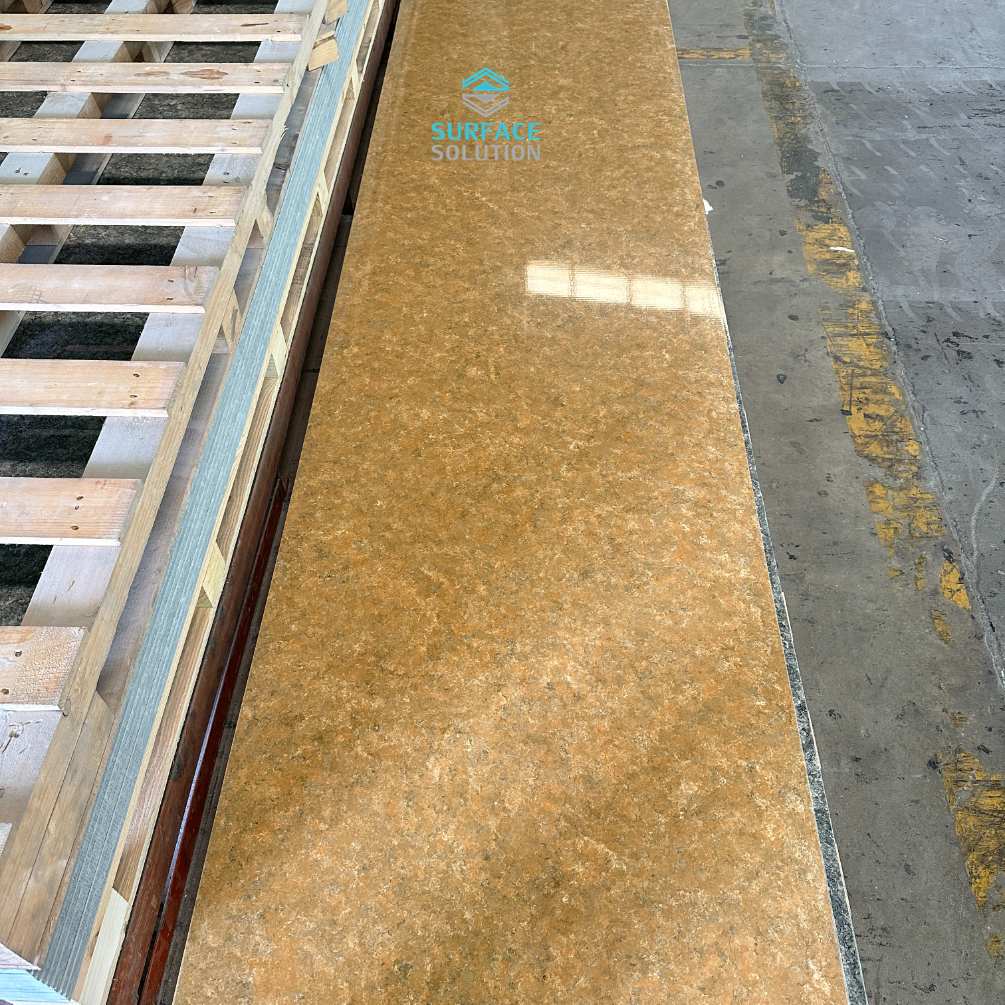 Wholesale Acrylic Solid Surface Slabs: Ultimate Material Solution for Countertop FabricatorsIn the competitive countertop manufacturing and renovation industry, material quality, processing flexibility, and cost efficiency are the three core factors that determine a fabricator’s market competitivene
 -
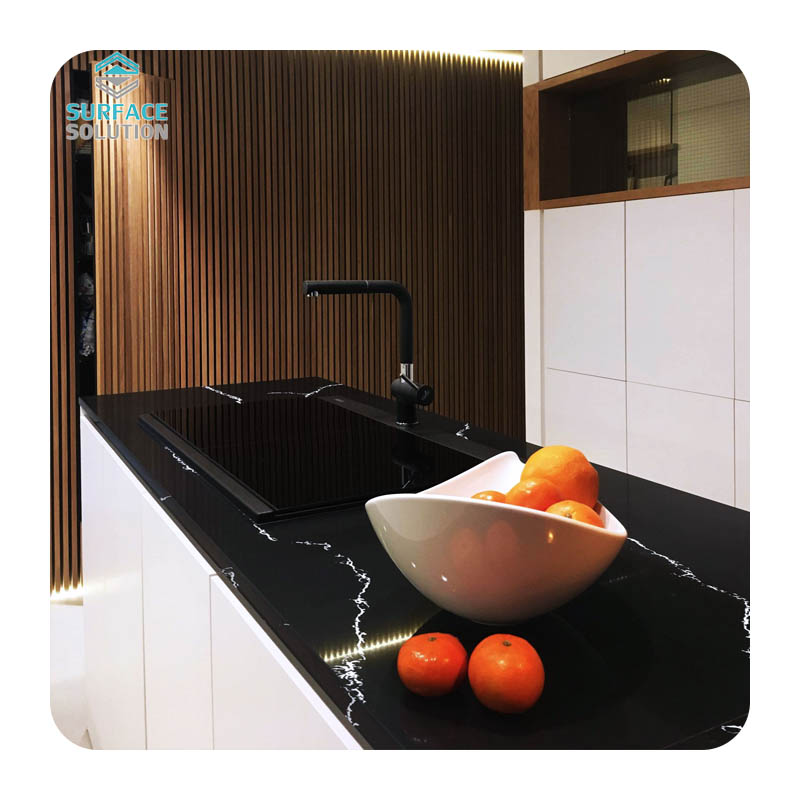 In modern residential and commercial interior design, vanity tops and kitchen islands serve as both functional core fixtures and key aesthetic focal points. These high-frequency usage surfaces require materials that balance outstanding durability, reliable hygiene, flexible design potential, and eff
 -
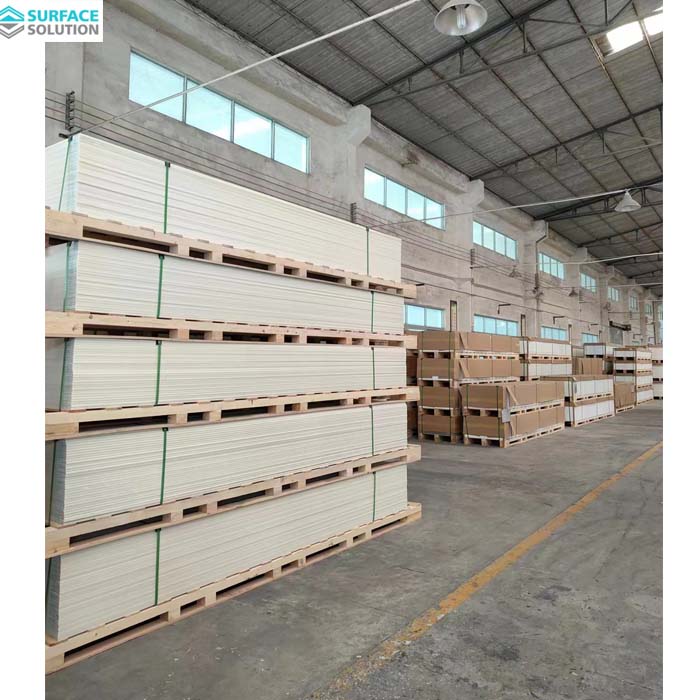 White acrylic solid surface countertops have become a top-tier mainstream choice for modern residential renovation and commercial space design, balancing minimalist timeless aesthetics, superior physical performance and long-term cost-effectiveness. Compared with traditional granite, quartz stone an
 -
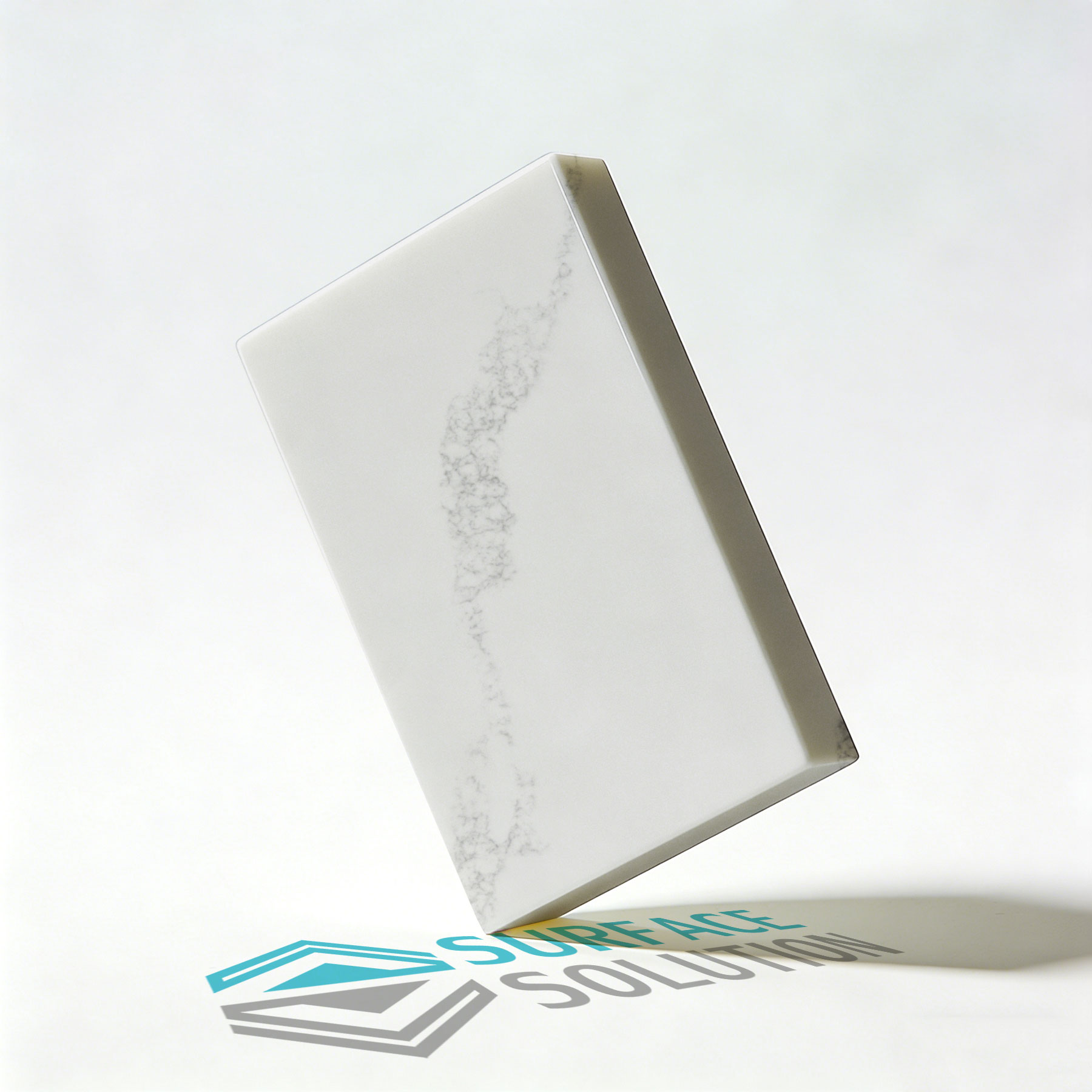 Custom Size Acrylic Solid Surface Panels for Interior RenovationInterior renovation projects often come with non‑standard dimensions, unique layout requirements and personalized design visions. Off‑the‑shelf building materials frequently fail to fit special wall sections, counter layouts or feature