


Seasonal Care Tips for Acrylic Artificial Stone Bathroom Sink Furniture


Seasonal Care Tips for Acrylic Artificial Stone Bathroom Sink Furniture
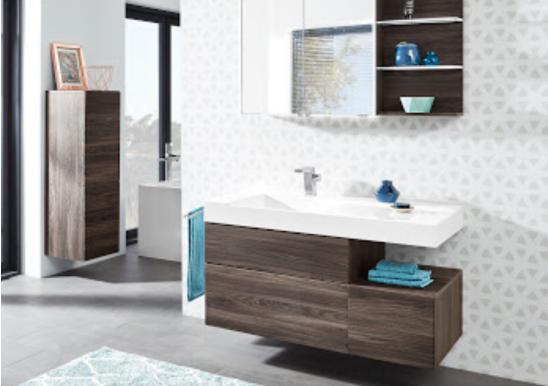
Acrylic artificial stone has become a popular choice for bathroom sink furniture—including vanities, countertops, and integrated sinks—thanks to its durability, versatility, and sleek appearance. This man-made material blends acrylic resin with natural stone particles, offering a balance of strength and aesthetic appeal, while being more resistant to stains and scratches than pure natural stone. However, like all bathroom materials, acrylic artificial stone requires seasonal care tailored to the unique challenges of each season: spring’s moisture, summer’s heat, fall’s dryness, and winter’s cold can all affect its longevity and appearance. By adjusting your maintenance routine to match the season, you can keep your acrylic artificial stone sink furniture looking brand-new and extend its lifespan. Below is a comprehensive, season-specific guide to caring for this popular bathroom material.
Spring: Combat Moisture and Prevent Mildew
Spring brings warmer temperatures and increased humidity, two factors that can impact acrylic artificial stone bathroom furniture. While acrylic is naturally resistant to water absorption, prolonged exposure to excess moisture can lead to mildew growth around seams, edges, and areas where water pools—such as around the faucet or sink rim. Additionally, spring’s frequent rain and melting snow can raise bathroom humidity levels, creating an ideal environment for mildew and dulling the stone’s finish. Here’s how to protect your acrylic artificial stone furniture this season:
Control Humidity Levels: Use an exhaust fan during and after showers to reduce moisture buildup, as excess humidity can lead to mildew on the surface and around the sink’s edges. If your bathroom lacks an exhaust fan, open a window to improve ventilation. Aim for a humidity level between 40-60% to keep both the acrylic stone and your bathroom fresh.
Wipe Down Promptly and Gently: After each use, wipe the acrylic sink and countertop with a soft, lint-free cloth to remove excess water. Pay special attention to crevices, seams, and the area around the faucet, where water tends to accumulate. Avoid using rough or abrasive cloths, as they can scratch the acrylic surface.
Clean Mildew Safely: If you spot mildew on your acrylic artificial stone, clean it immediately with a mild, non-abrasive cleaner—avoid harsh chemicals like bleach or ammonia, which can damage the stone’s finish and cause discoloration. A mixture of warm water and mild dish soap works well for light mildew; for stubborn spots, use a solution of equal parts water and white vinegar, then rinse thoroughly and dry.
Refresh the Finish: Spring is a great time to restore your acrylic stone’s shine. After a thorough cleaning, apply a small amount of acrylic stone polish (specifically designed for the material) to the surface with a soft cloth, buffing gently to enhance its luster. This step also helps create a protective barrier against future moisture and stains.
Summer: Beat the Heat and Tackle Stains
Summer’s high temperatures, intense sunlight, and increased bathroom use (from more showers, baths, and guests) can pose challenges for acrylic artificial stone. While acrylic is heat-resistant up to a certain point, prolonged exposure to direct sunlight can cause discoloration, and frequent use can lead to stubborn stains from toothpaste, makeup, soap scum, and sunscreen. Follow these tips to keep your acrylic sink furniture in top condition:
Shield from Direct Sunlight: If your bathroom has windows that let in direct sunlight, use curtains or blinds to protect your acrylic artificial stone. Prolonged sun exposure can fade the stone’s color and dull its finish over time. For added protection, ensure the area around the sink is not exposed to direct sunlight for more than a few hours a day.
Clean Stains Promptly and Properly: Summer’s increased use means more potential stains. For everyday stains (toothpaste, soap scum), clean with a mild, pH-neutral cleaner and a soft cloth—avoid abrasive scrubbers or scouring powders, which can scratch the acrylic surface. For tougher stains (makeup, sunscreen), use a non-abrasive stain remover specifically formulated for acrylic artificial stone, following the manufacturer’s instructions.
Avoid Extreme Heat: While acrylic is heat-resistant, placing hot items (such as curling irons, hair dryers, or hot pans) directly on the surface can cause warping or discoloration. Always use a heat-resistant mat or trivet to protect the acrylic stone from extreme temperatures.
Prevent Soap Scum Buildup: Summer’s frequent showers can lead to soap scum buildup on the acrylic sink and countertop. To prevent this, wipe down the surface with a damp cloth after each use and use a mild soap scum remover once a week. Avoid using products containing ammonia or bleach, as they can damage the stone’s finish.
Fall: Prepare for Dryness and Temperature Shifts
Fall brings cooler temperatures and drier air, which can affect acrylic artificial stone by causing it to dry out and potentially develop small cracks (though acrylic is less prone to cracking than natural stone). As you transition from summer to winter, the drop in humidity and temperature fluctuations can also dull the stone’s finish. Here’s how to care for your acrylic sink furniture this season:
Maintain Consistent Humidity: Dry fall air can cause the acrylic stone to lose moisture, leading to a dull appearance. Use a humidifier in your bathroom to keep the humidity level between 40-60%, which will help preserve the stone’s shine and prevent dryness. You can also place a small bowl of water near the heater to add moisture to the air.
Deep Clean and Condition: Fall is an ideal time for a deep clean. Use a mild, non-abrasive cleaner to remove any accumulated dirt, stains, or soap scum, then rinse thoroughly and dry. After cleaning, apply a thin coat of acrylic stone conditioner to hydrate the material and protect it from the upcoming cold weather. This will help maintain its flexibility and prevent cracking.
Remove Dust and Debris: Fall’s dry air brings more dust and debris, which can scratch the acrylic surface if not removed promptly. Wipe down the sink, countertop, and vanity with a soft, dry cloth regularly to eliminate dust and prevent scratches. Avoid using feather dusters, as they can leave behind lint.
Check for Damage: As temperatures start to drop, inspect your acrylic artificial stone for any signs of damage—such as small cracks, chips, or discoloration. Address minor issues promptly: small chips can be repaired with acrylic stone repair kits, while discoloration can be fixed with a gentle polish. Catching problems early prevents them from worsening in winter.
Winter: Guard Against Cold and Harsh Conditions
Winter’s cold temperatures, dry indoor air (from furnaces), and potential for frozen pipes pose the biggest risks to acrylic artificial stone bathroom sink furniture. While acrylic is durable, extreme cold can make it more brittle, and dry indoor heat can dull its finish. Additionally, frozen pipes can burst, causing water damage to the stone and surrounding vanity. Here’s how to protect your acrylic furniture this season:
Prevent Frozen Pipes: If your bathroom is in an unheated area (e.g., a basement) or has exposed pipes under the sink, insulate the pipes to prevent freezing. A frozen pipe can burst, leading to water damage that can stain or warp acrylic artificial stone. Keep the bathroom temperature above 55°F (13°C) to avoid freezing.
Maintain Humidity Indoors: Furnaces and heaters dry out indoor air, which can dull the acrylic stone’s finish and make it more prone to cracking. Use a humidifier to keep the bathroom humidity at 40-60%, and avoid placing the heater directly near the sink or countertop, as extreme heat can damage the material.
Avoid Sudden Temperature Changes: In winter, we often use hotter water for showers. Avoid pouring extremely hot water directly onto cold acrylic artificial stone, as the sudden temperature change can cause the material to crack or warp. Let hot water run for a few seconds to warm the sink before using it.
Protect from Harsh Cleaners: Winter often means more frequent cleaning to combat dirt and grime brought in from outside. Avoid using harsh cleaners (like bleach, ammonia, or abrasive scouring products) on acrylic artificial stone, as they can damage the finish and cause discoloration. Stick to mild, pH-neutral cleaners designed for acrylic materials.
Year-Round Bonus Tips for Acrylic Artificial Stone
While seasonal care is key, these year-round habits will help keep your acrylic artificial stone bathroom sink furniture looking its best and lasting longer:
Always dry the surface with a soft cloth after use—even though acrylic is water-resistant, standing water can lead to mineral deposits and dullness.
Use coasters under toiletries (e.g., perfume bottles, toothbrush holders, soap dispensers) to prevent scratches and water rings.
Avoid placing sharp objects (like razors, scissors, or jewelry) directly on the acrylic surface, as they can scratch the material.
Inspect your acrylic stone every 3-6 months for signs of damage (cracks, chips, discoloration) and address issues promptly to prevent further damage.
Avoid using acetone or other harsh solvents near acrylic artificial stone, as they can dissolve the resin and damage the surface.
Acrylic artificial stone is a durable, low-maintenance material for bathroom sink furniture, but it still requires seasonal care to thrive. By following these season-specific tips and year-round habits, you can ensure that your acrylic sink, countertop, or vanity remains sleek, functional, and beautiful for years to come. Remember, a little regular maintenance goes a long way in protecting your investment and keeping your bathroom a clean, comfortable space in every season.
Related Blogs
-
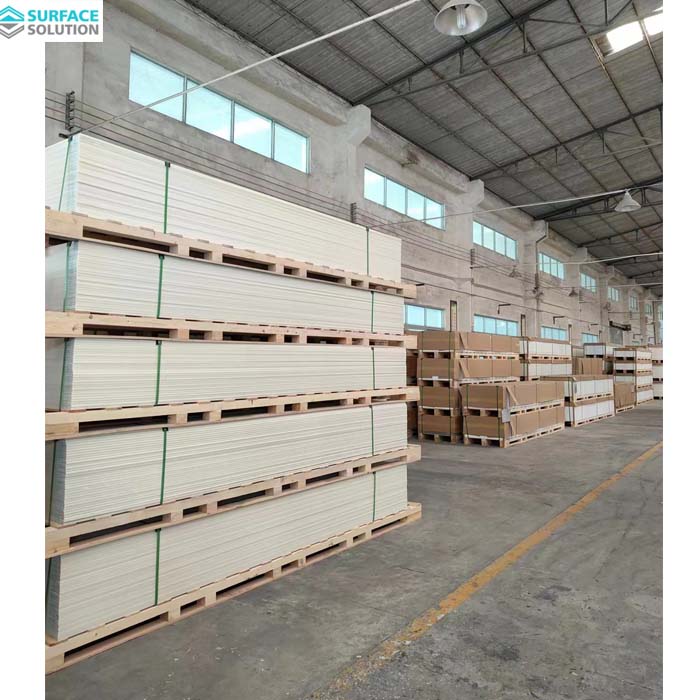 White acrylic solid surface remains a top-selling option for distributors, wholesalers and project contractors, widely specified for kitchen countertops, bathroom vanities, hotel vanity tops, commercial reception counters and custom tabletops. A common question from your downstream buyers is straigh
 -
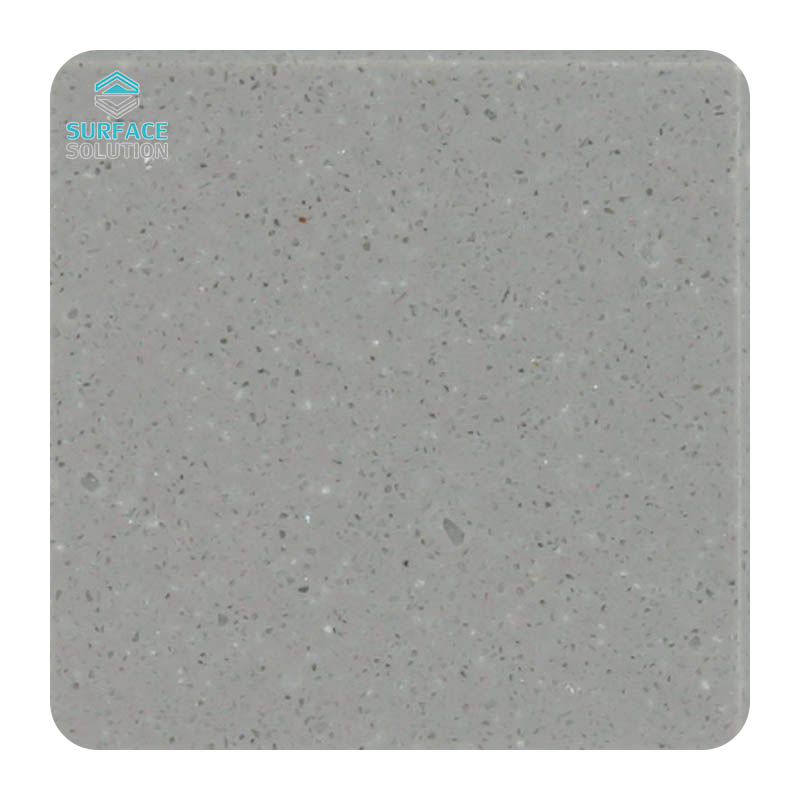 When renovating kitchens, bathrooms or commercial spaces, homeowners and designers often weigh different countertop materials. Acrylic solid surface is one of the most popular options, but a common question remains: is it durable enough for everyday use?Acrylic solid surface countertops are manufact
 -
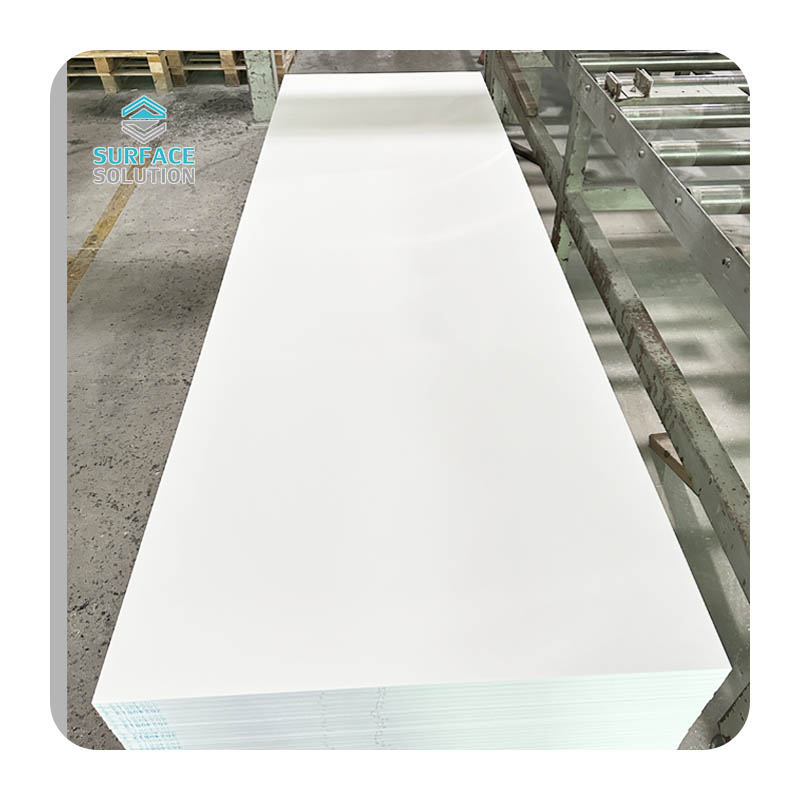 Acrylic solid surface is a premium engineered composite material widely used for kitchen countertops, vanity tops, wall panels, custom furniture and commercial interior projects. Many people confuse it with pure acrylic sheet or natural marble, but it is a carefully formulated blend of mineral powde
 -
 Kitchens and bathrooms are the most frequently used and easily worn spaces in residential and commercial buildings, where countertops face constant spills, moisture, friction, and daily stains. Compared with traditional materials such as natural marble, granite, quartz stone, and laminate, acrylic s


