


Lighting Ideas to Complement Your Acrylic Solid Surface Stone Countertops


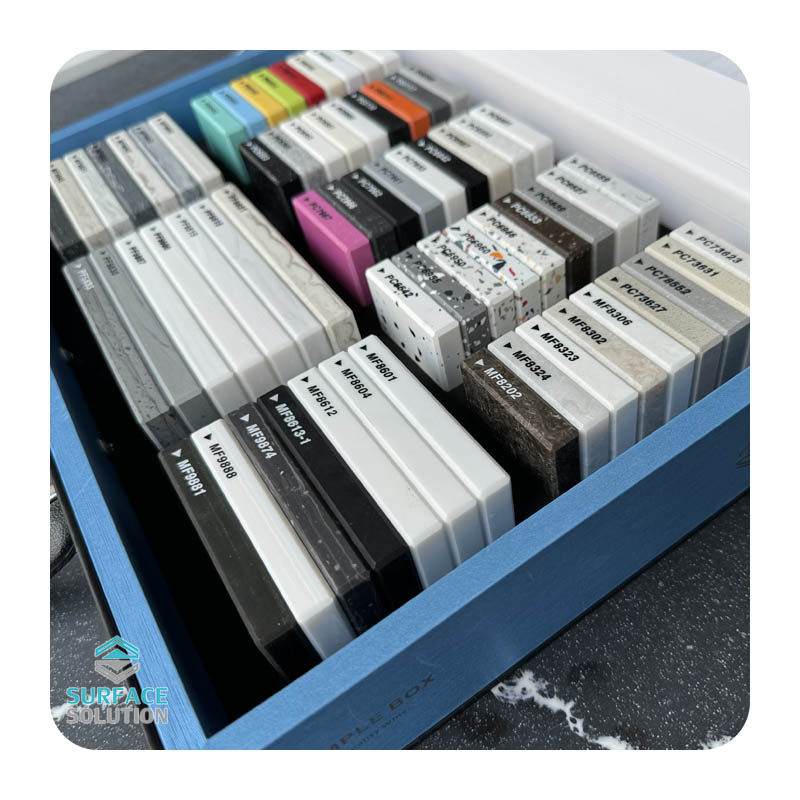
Under-cabinet lighting is particularly effective for acrylic countertops, as their smooth, non-porous surface reflects light evenly without highlighting grain or veining (unlike natural stone). Choose low-profile LED puck lights or continuous strip lights with diffusers to avoid glare on acrylic’s polished finish. Position fixtures 3–4 inches from the front edge of cabinets (slightly farther than for natural stone) to prevent harsh shadows on seamless acrylic surfaces. For task zones, select 800–1000 lumens (lower than granite’s 1000+ requirement) to avoid over-illuminating acrylic’s reflective quality. Warm white lighting enhances neutral acrylic shades (beige, taupe), while cool white complements crisp whites or gray-toned acrylic. For acrylic countertops with integrated sinks or backsplashes, opt for waterproof LED strips to match the material’s moisture-resistant nature.
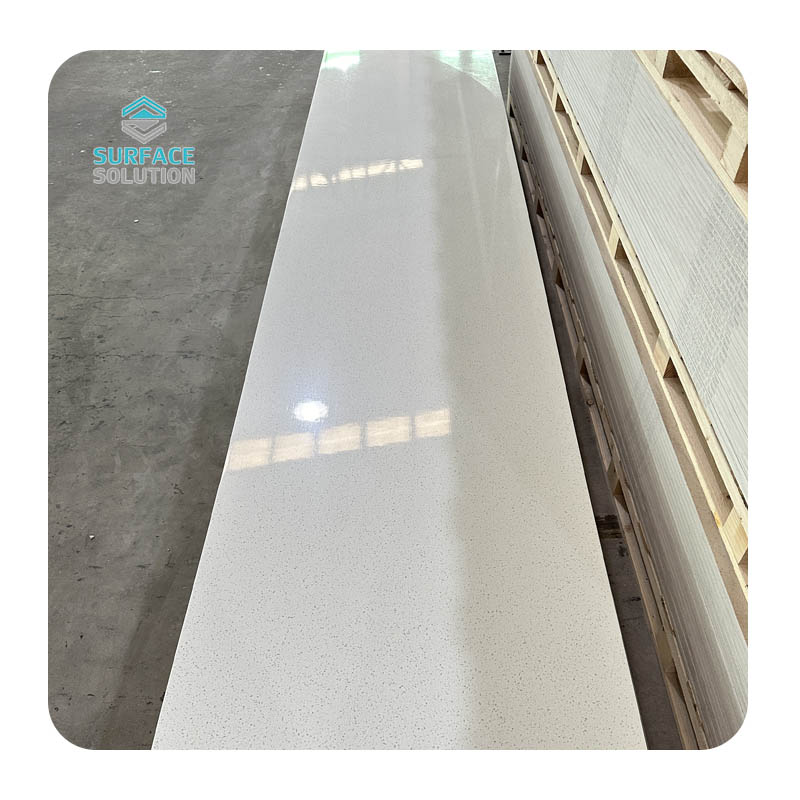
Acrylic countertops respond uniquely to natural light, thanks to their uniform texture and reflective properties. Light-colored acrylic (white, cream) reflects sunlight to brighten rooms, but its smooth surface can cause glare—install sheer curtains or light-diffusing window films to soften direct light. Dark or colored acrylic absorbs more light, so position windows to allow indirect sunlight, which enhances depth without creating shadows. Unlike natural stone, acrylic’s color won’t fade with UV exposure, but prolonged direct sunlight can cause slight yellowing in some formulations—pair natural light with UV-filtering window treatments and supplemental under-cabinet LEDs for consistent illumination. For seamless acrylic countertops spanning large areas, natural light highlights their lack of joints, creating a cohesive, expansive look.
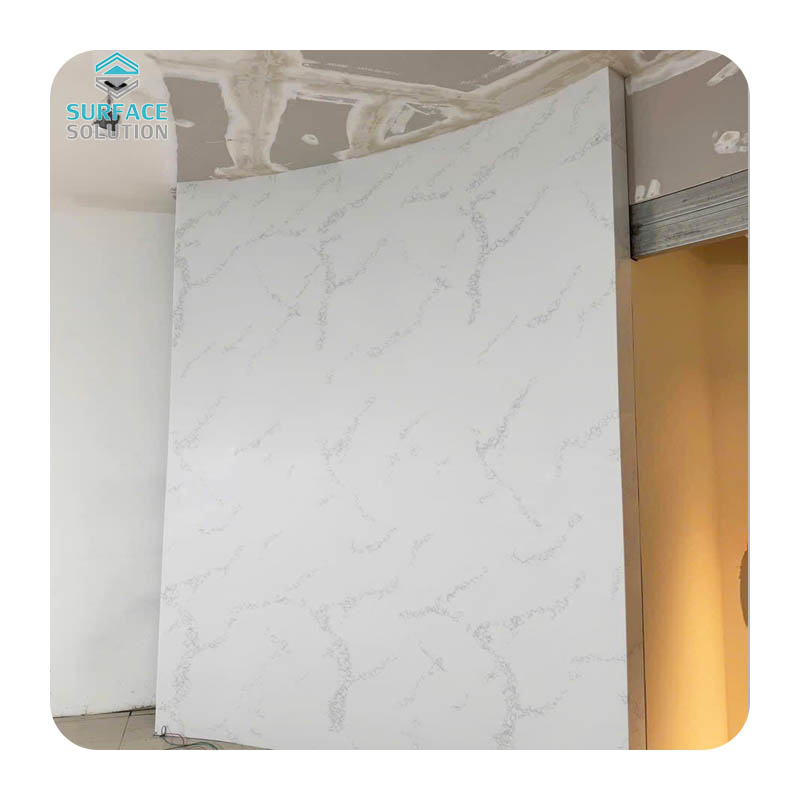
Glare Reduction: For polished acrylic, use shielded or diffused fixtures; avoid bare bulbs. Matte acrylic is more forgiving but still benefits from soft, indirect lighting.
Heat Management: Acrylic is less heat-resistant than natural stone—install LED fixtures with low heat output (≤40°C operating temperature) and maintain 6+ inches of clearance between lighting and hot surfaces (e.g., stovetops).
Seam Enhancement: Use subtle under-cabinet or edge lighting to blend acrylic’s seamless joints, creating an uninterrupted glow across the surface.
Moisture Resistance: Acrylic thrives in bathrooms—choose IP65-rated waterproof LEDs for under-cabinet or backlighting to match the material’s water-resistant properties.
Maintenance: Wipe acrylic countertops with non-abrasive cleaners to preserve their finish; avoid harsh chemicals near LED fixtures to prevent damage.
Related Blogs
-
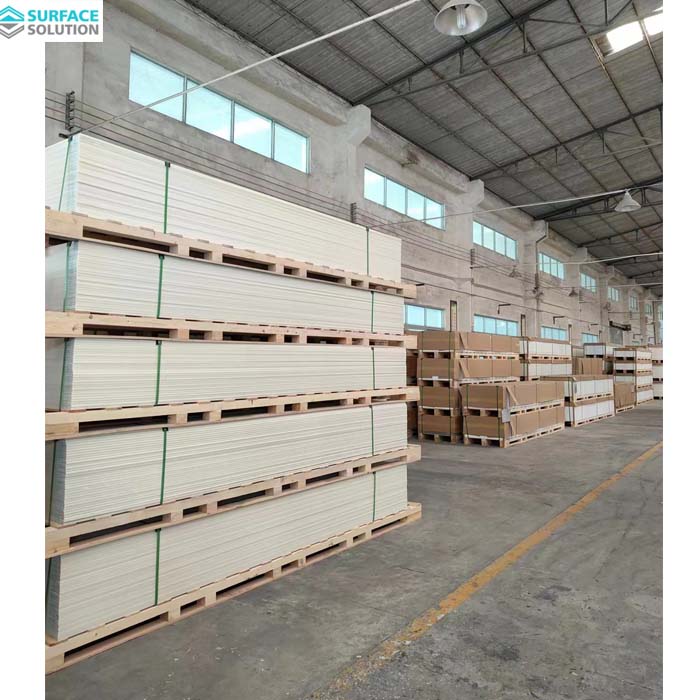 White acrylic solid surface remains a top-selling option for distributors, wholesalers and project contractors, widely specified for kitchen countertops, bathroom vanities, hotel vanity tops, commercial reception counters and custom tabletops. A common question from your downstream buyers is straigh
 -
 When renovating kitchens, bathrooms or commercial spaces, homeowners and designers often weigh different countertop materials. Acrylic solid surface is one of the most popular options, but a common question remains: is it durable enough for everyday use?Acrylic solid surface countertops are manufact
 -
 Acrylic solid surface is a premium engineered composite material widely used for kitchen countertops, vanity tops, wall panels, custom furniture and commercial interior projects. Many people confuse it with pure acrylic sheet or natural marble, but it is a carefully formulated blend of mineral powde
 -
 Kitchens and bathrooms are the most frequently used and easily worn spaces in residential and commercial buildings, where countertops face constant spills, moisture, friction, and daily stains. Compared with traditional materials such as natural marble, granite, quartz stone, and laminate, acrylic s


