How To Pair Fixtures with Solid Surface Stone Surfaces


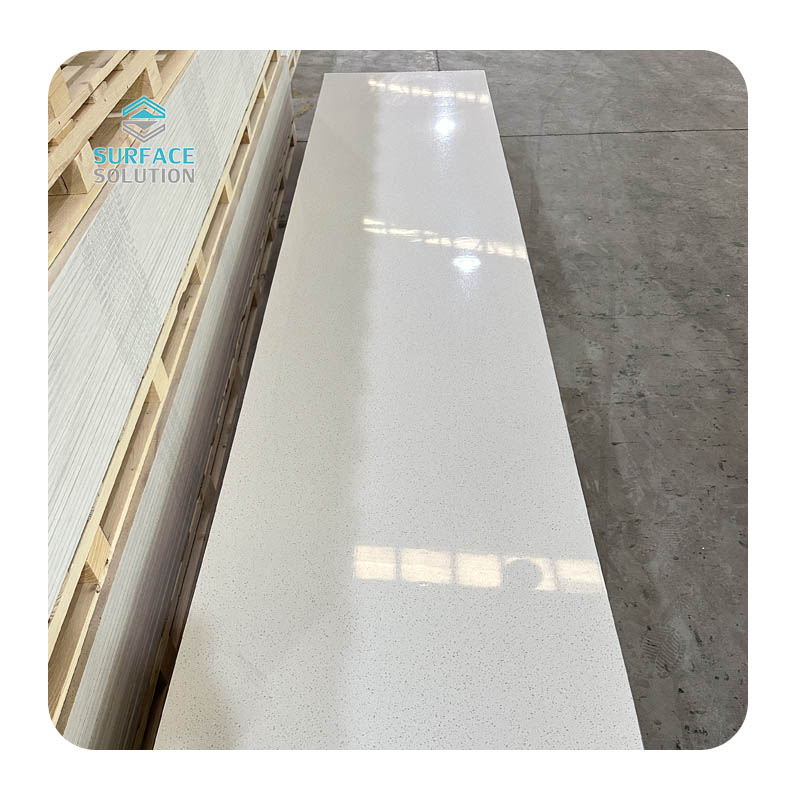
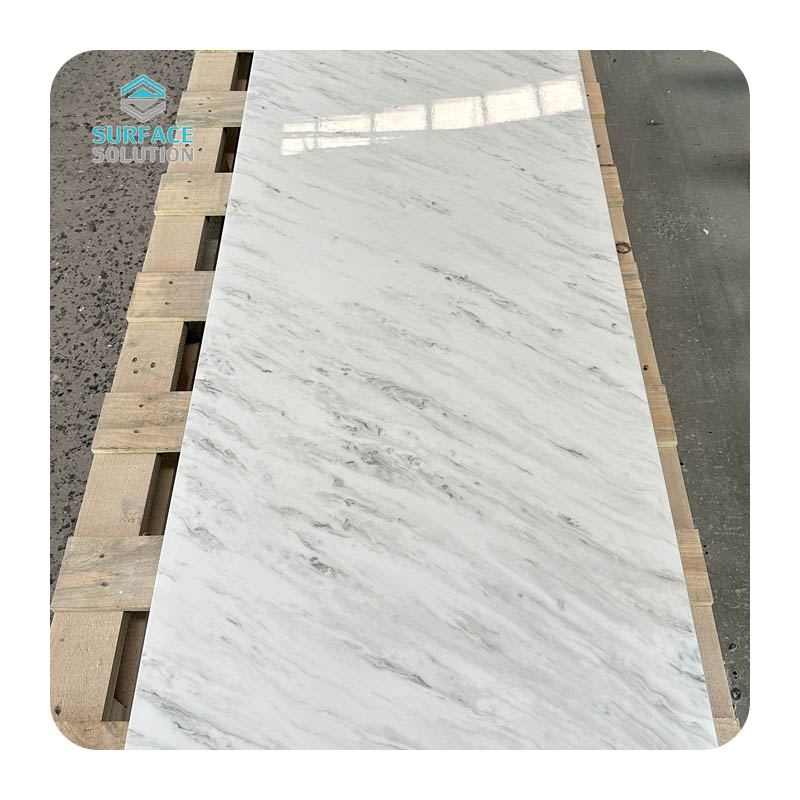
Cool-toned stones: Think white/gray marble (e.g., Carrara), pure white quartz, or dark granite with blue/green flecks. Pair them with fixtures in polished chrome, stainless steel, matte black, or brushed nickel. These metals amplify the stone’s crispness—for example, a chrome faucet on a white quartz countertop creates a sleek, modern contrast without overwhelming the space.
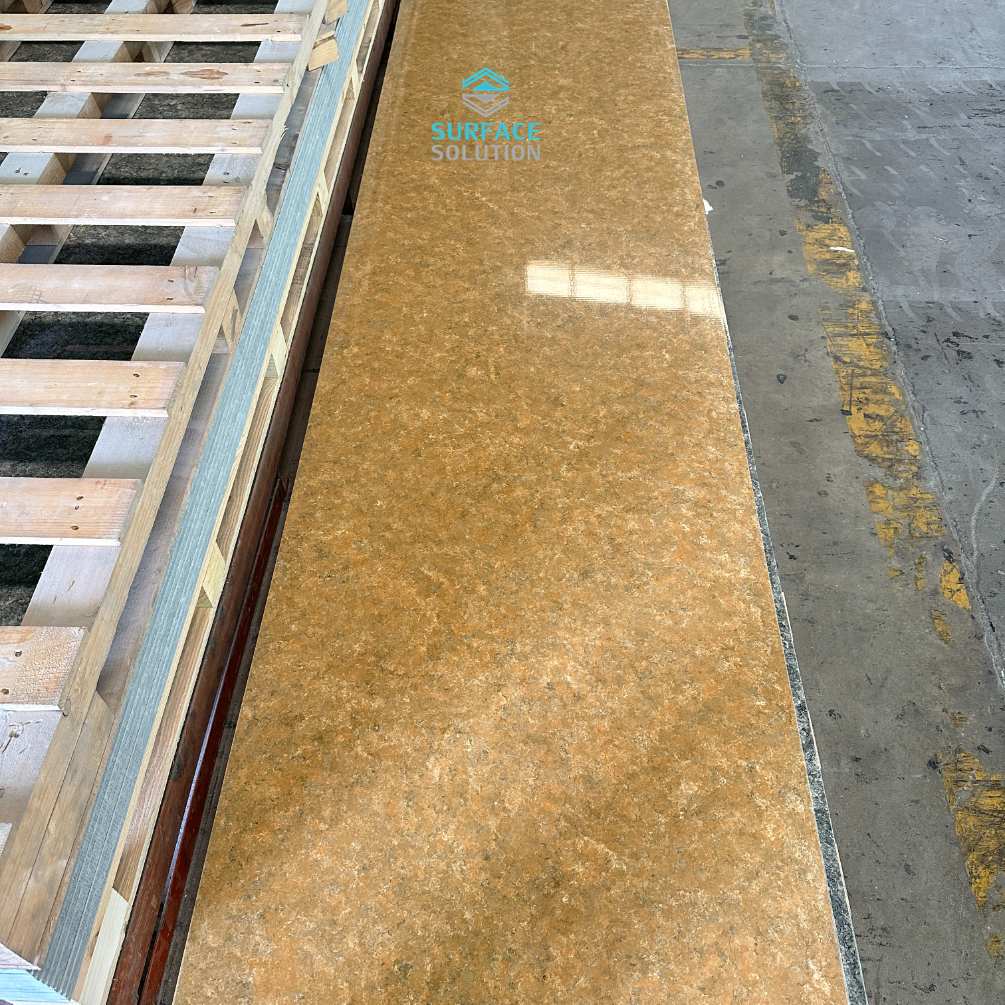
Warm-toned stones: Consider beige limestone, gold-veined marble (e.g., Calacatta Oro), or terrazzo with amber accents. Opt for fixtures in brass, bronze, copper, or brushed gold. A brass drawer pull on a beige stone vanity, for instance, adds warmth that mirrors the stone’s undertones, creating a cozy, inviting feel.
Pro tip: Avoid mixing warm and cool metals randomly—stick to one dominant metal family (e.g., brass + copper) to keep the look cohesive.
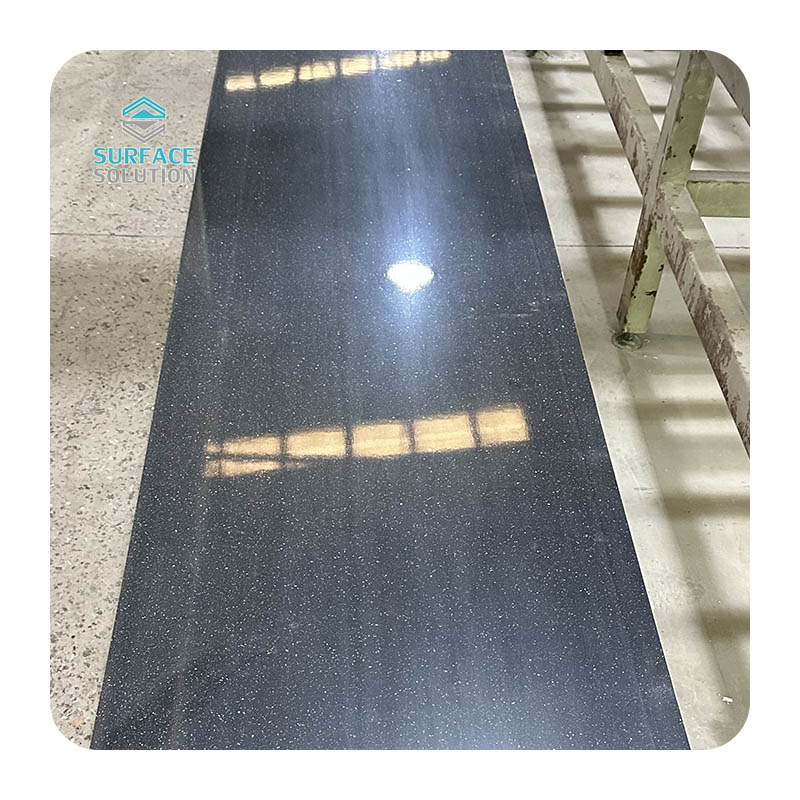
Minimalist stones: Solid-color quartz (e.g., Caesarstone Pure White) or subtle-patterned marble calls for sleek, low-profile fixtures. Choose a wall-mounted matte black faucet (no bulky handles) or slim stainless steel cabinet pulls—these keep the focus on the stone’s clean lines.
Rustic stones: Travertine with natural pores or rough-hewn granite pairs well with fixtures that have texture. Think oil-rubbed bronze hardware with visible patina or a farmhouse-style apron sink in fireclay—these elements echo the stone’s organic, lived-in charm.
Luxurious stones: Veined marble (e.g., Statuario) or quartz with metallic flecks demand fixtures that feel opulent but not flashy. Brushed gold faucets or crystal-embellished drawer knobs add glamour without competing with the stone’s intricate patterns.
Hardness: Quartz (Mohs hardness 7) is more scratch-resistant than marble (Mohs 3-4). For marble surfaces, avoid fixtures with sharp edges (e.g., angular stainless steel pulls) that could scratch the stone—opt for rounded brass knobs instead.
Porosity: Natural stones like limestone are porous and prone to staining. Pair them with fixtures that reduce water exposure: a wall-mounted faucet (minimizes countertop splashing) or a under-mount sink (eliminates crevices where water collects).
Weight: Heavy fixtures (e.g., large brass pot fillers) need proper support. Ensure your stone surface is reinforced (especially for quartz or marble countertops) before installing weight-bearing fixtures.
Faucets: For white quartz countertops (cool-toned), a pull-down stainless steel faucet (e.g., Delta Trinsic) offers functionality and modernity. For warm-toned stones like honey onyx, a brass bridge faucet (e.g., Kohler Artifacts) adds vintage charm. Avoid overly decorative faucets if your stone has bold veining—let one element be the focal point.
Sinks: Undermount sinks are ideal for most stone countertops, as they create a seamless look and are easy to clean. Pair a white quartz countertop with a black granite composite sink (e.g., Blanco Silgranit) for contrast, or a beige marble countertop with a white fireclay sink for softness. Drop-in sinks work too, but ensure the sink’s rim color complements the stone (e.g., stainless steel rim with gray granite).
Hardware & Appliances: Cabinet pulls should match your faucet’s metal. For example, if you have a chrome faucet on a gray quartz countertop, choose chrome drawer pulls. Appliances: Stainless steel appliances pair universally with stone, but black stainless steel adds depth to dark stones (e.g., black galaxy granite). For warm-toned stones, consider paneled appliances that blend with cabinetry, keeping the focus on the stone.
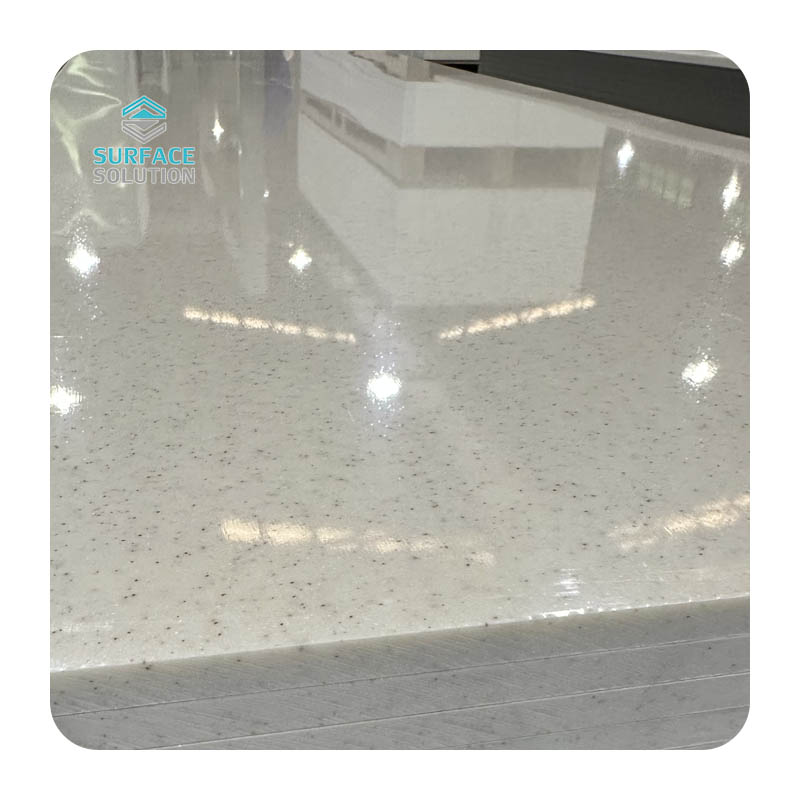
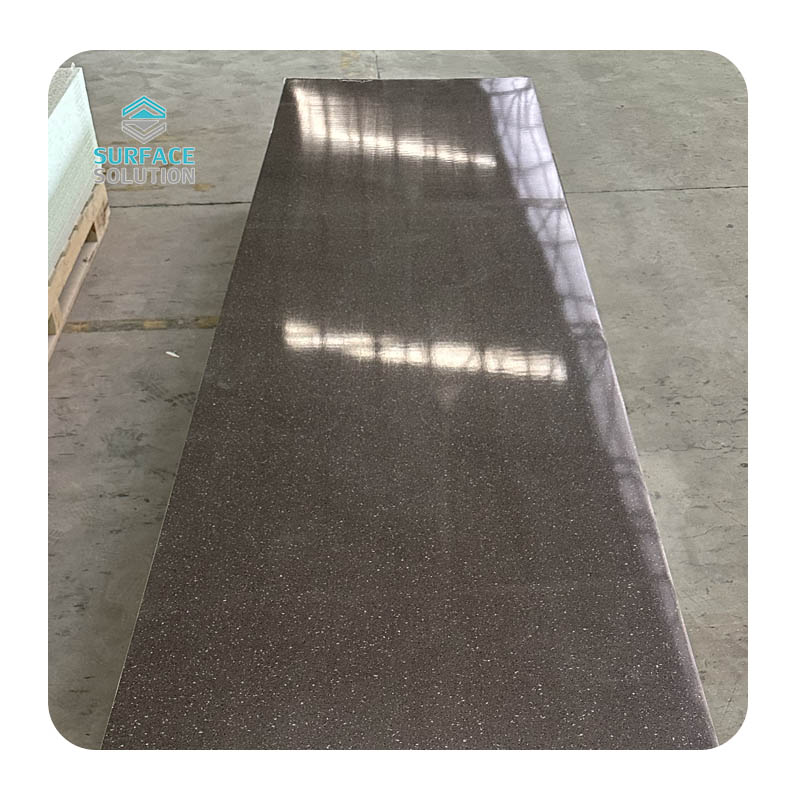
Vanity Fixtures: For a marble vanity (e.g., Calacatta), a wall-mounted brushed nickel faucet (e.g., Moen Align) keeps the countertop clutter-free. Add a matching nickel mirror frame and towel bars for cohesion. If your vanity is made of dark quartz (e.g., Caesarstone Raven), a matte black faucet and hardware create drama without feeling heavy.
Shower Fixtures: For stone shower walls (e.g., slate or travertine), a thermostatic shower system with a rainhead (e.g., Grohe Euphoria) adds luxury. Match the shower trim to your vanity faucet—brass trim with travertine walls, for example, amplifies warmth. Avoid chrome in steamy bathrooms, as it shows water spots more easily; opt for brushed metals instead.
Lighting: Pendant lights or wall sconces should complement the stone’s tone. For a white stone vanity, warm white LED sconces (2700K) add softness; for a dark stone vanity, cool white lights (4000K) prevent the space from feeling dim.
Reception Desks: A quartz reception desk with bold blue veining pairs well with matte black desk legs and a stainless steel sign holder—ideal for a tech company’s sleek aesthetic. For a luxury hotel, a marble desk with gold veining calls for brass hardware and crystal pendant lights.
Bar Tops: Dark granite bar tops (e.g., Absolute Black) shine with stainless steel foot rails and brass beer taps—creating a classic pub vibe. For a modern bar, a white quartz top pairs with black metal stools and LED under-cabinet lighting to highlight the stone’s smooth surface.
Overcomplicating with Too Many Metals: Mixing three or more metals (e.g., brass faucet + chrome hardware + gold lighting) creates visual chaos. Stick to one primary metal and one accent metal (e.g., brass + black) for balance.
Ignoring Scale: A tiny faucet on a large stone island looks disproportional, just as a oversized pendant light overwhelms a small marble vanity. Ensure fixtures’ size matches the stone surface’s dimensions—for example, a 36-inch quartz countertop needs a faucet with a spout reach of 8-10 inches.
Forgetting Maintenance: Polished brass fixtures require regular polishing to avoid tarnish—if you prefer low upkeep, choose brushed brass or stainless steel instead. Similarly, porous stones like marble need sealing, so avoid fixtures that trap water (e.g., pop-up drains with small crevices).