


Integrating Technology with Solid Surface Counters


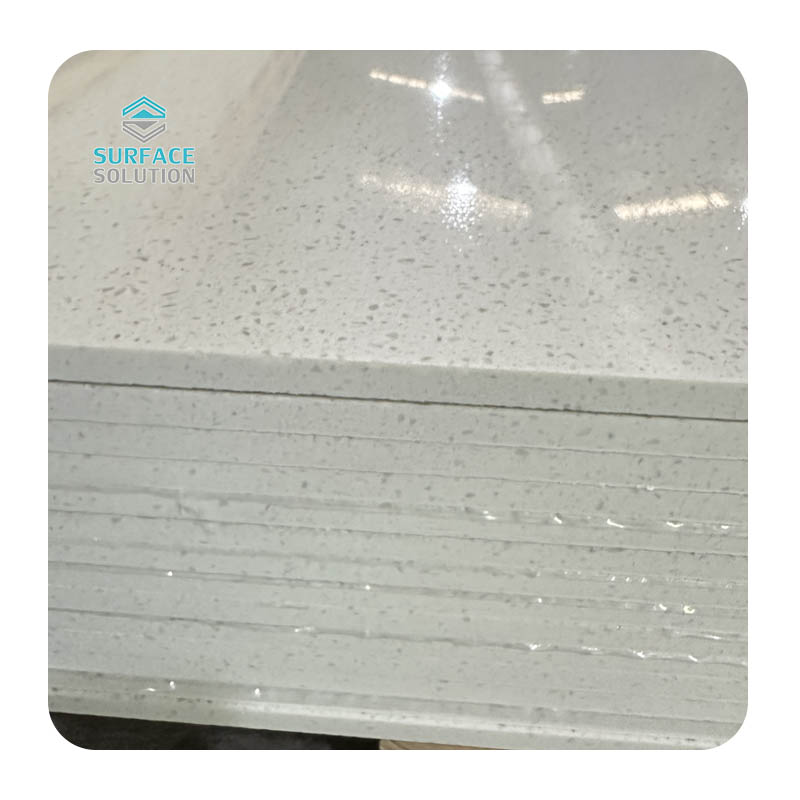
Integrating Technology with Solid Surface Counters
Solid surface counters have long been celebrated for their seamless aesthetics, durability, and versatility in kitchen and bathroom design. Today, as smart home technology reshapes how we interact with living spaces, these beloved countertops are evolving beyond their traditional role—becoming hubs of innovation where functionality, design, and connectivity converge. The integration of technology with solid surface counters is redefining modern living, blending the material’s inherent strengths with cutting-edge features to create spaces that are more efficient, intuitive, and tailored to daily needs. From embedded smart elements to responsive surfaces, this fusion is transforming countertops from passive workspaces into active, connected components of the smart home.
One of the most impactful integrations is the incorporation of embedded sensor technology, which elevates solid surface counters from static surfaces to responsive tools. Sensors embedded within the countertop can detect temperature, weight, moisture, and even touch, enabling a range of practical applications. In kitchens, weight sensors integrated into food preparation areas allow users to measure ingredients directly on the countertop, syncing data to cooking apps for precise recipe execution—eliminating the need for separate scales. Temperature sensors can alert users to hot surfaces, preventing burns, or monitor the temperature of chilled items placed on the counter, ensuring food safety. In bathrooms, moisture sensors can detect leaks around sinks or faucets, triggering alerts to smartphones and mitigating water damage before it escalates. These sensors leverage solid surface’s homogeneous composition, which provides a stable, non-interfering base for technology integration without compromising the material’s smooth appearance or structural integrity.

Another transformative trend is the integration of LED lighting systems with solid surface counters, merging ambiance and functionality. Solid surface materials—particularly those with translucent properties—can diffuse LED light evenly, creating soft, ambient illumination that enhances the space’s aesthetic while serving practical purposes. Under-counter LED strips embedded along the edge of solid surface countertops cast a warm glow onto floors or backsplashes, reducing glare and improving visibility during food prep or grooming tasks. Some advanced systems offer color-changing capabilities, allowing users to adjust lighting to match moods, occasions, or design schemes—from cool white light for focused cooking to warm amber for evening relaxation. Additionally, motion-sensor LED lights can activate automatically when users approach the counter, conserving energy while ensuring convenience in low-light conditions. This integration capitalizes on solid surface’s ability to transmit light without discoloration or hotspots, creating a seamless blend of form and function.
Smart connectivity further expands the potential of tech-integrated solid surface counters, linking them to the broader smart home ecosystem. Wireless charging pads embedded within the countertop provide a clutter-free way to charge smartphones, tablets, and smartwatches—eliminating the need for unsightly cables. These charging zones are seamlessly integrated into the countertop surface, maintaining its smooth, seamless look while offering convenient power access. In high-end kitchens, solid surface counters can be paired with smart cooktops or appliances, with touch-sensitive controls embedded directly into the countertop. Users can adjust cooking temperatures, set timers, or monitor appliance status through the counter’s surface, creating a streamlined workflow. Some systems even allow voice control via integration with smart assistants like Alexa or Google Home, enabling hands-free operation while cooking or cleaning. This connectivity transforms the countertop into a central command center, simplifying daily tasks and enhancing efficiency.
The fusion of technology and solid surface counters also addresses evolving sustainability and maintenance needs. Self-cleaning technologies, such as photocatalytic coatings applied to solid surface surfaces, harness light energy to break down dirt, bacteria, and stains—reducing the need for harsh cleaning products. When paired with the material’s inherent non-porous nature, these coatings create a hyper-hygienic surface that is easier to maintain and more eco-friendly. Additionally, smart monitoring systems can track the countertop’s condition over time, alerting users to potential issues like scratches or wear that may require repair—extending the material’s lifespan and preserving its appearance. For commercial spaces like restaurants or healthcare facilities, these tech integrations offer enhanced hygiene control and operational efficiency, making solid surface counters an even more compelling choice.
While the integration of technology adds new dimensions to solid surface counters, it is essential to prioritize design harmony and durability. The best tech-integrated countertops maintain the material’s signature seamless look, with technology embedded discreetly rather than dominating the design. Manufacturers must ensure that embedded components do not compromise the countertop’s structural integrity—using materials and installation techniques that resist moisture, heat, and impact. Additionally, user-friendly interfaces are key; technology should enhance rather than complicate the user experience, with intuitive controls that align with daily habits. As consumer demand for smart homes grows, manufacturers are increasingly collaborating with tech companies to develop integrated solutions that balance innovation with the timeless appeal of solid surface.

Looking ahead, the integration of technology with solid surface counters is poised to become even more advanced. Emerging trends include countertops with interactive touchscreens that display recipes, calendars, or smart home controls directly on the surface, as well as energy-harvesting capabilities that convert light or heat into power for embedded devices. As artificial intelligence (AI) becomes more prevalent in smart homes, counters may even learn user habits—automatically adjusting lighting, temperature, or charging settings to match preferences. These innovations will continue to redefine the role of the countertop, positioning it as a cornerstone of the connected home.
Related Blogs
-
 Wholesale Acrylic Solid Surface Slabs: Ultimate Material Solution for Countertop FabricatorsIn the competitive countertop manufacturing and renovation industry, material quality, processing flexibility, and cost efficiency are the three core factors that determine a fabricator’s market competitivene
 -
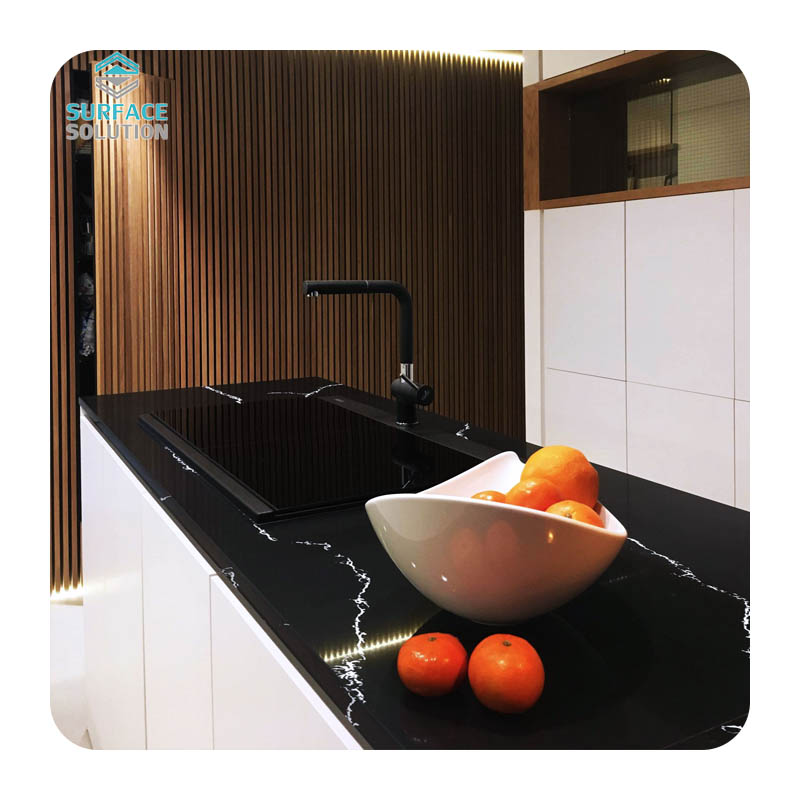 In modern residential and commercial interior design, vanity tops and kitchen islands serve as both functional core fixtures and key aesthetic focal points. These high-frequency usage surfaces require materials that balance outstanding durability, reliable hygiene, flexible design potential, and eff
 -
 White acrylic solid surface countertops have become a top-tier mainstream choice for modern residential renovation and commercial space design, balancing minimalist timeless aesthetics, superior physical performance and long-term cost-effectiveness. Compared with traditional granite, quartz stone an
 -
 Custom Size Acrylic Solid Surface Panels for Interior RenovationInterior renovation projects often come with non‑standard dimensions, unique layout requirements and personalized design visions. Off‑the‑shelf building materials frequently fail to fit special wall sections, counter layouts or feature


