


The Impact of Solid Surface Stone on Home Resale Value


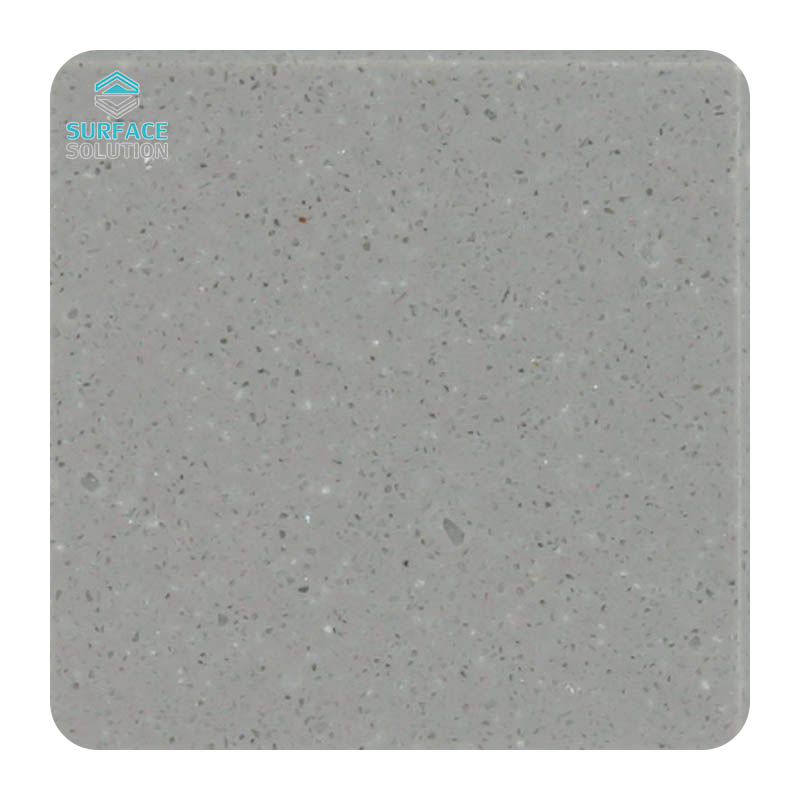
The Impact of Solid Surface Stone on Home Resale Value
In the competitive real estate market, homeowners and investors alike seek strategic upgrades that enhance both a property’s livability and its resale value. Kitchens and bathrooms—often referred to as the “make-or-break” spaces for home buyers—are primary targets for renovations, and countertops play a pivotal role in defining these areas’ appeal. Solid surface stone, a versatile and durable material, has emerged as a high-value upgrade, offering a unique blend of aesthetic charm, practical functionality, and broad market appeal that directly influences a home’s resale potential. Unlike fleeting design fads or niche materials, solid surface stone delivers consistent returns by aligning with modern buyers’ priorities, boosting appraisal values, and shortening time on the market.
One of the most significant ways solid surface stone elevates home resale value is by meeting the growing demand for low-maintenance, long-lasting living spaces. Today’s home buyers—particularly millennial and Gen Z cohorts, who dominate the current market—prioritize move-in ready properties that minimize upkeep costs and hassle. Unlike natural stones such as granite or marble, which require regular sealing to prevent staining and etching, solid surface stone is non-porous, eliminating the need for tedious maintenance routines. It resists spills from coffee, wine, oil, and cosmetics, and minor scratches or dents can be easily repaired through sanding and polishing, restoring the surface to its original condition. For buyers, this translates to long-term savings and peace of mind, as they won’t face immediate costs to replace or refinish worn countertops. Real estate professionals note that homes with low-maintenance upgrades like solid surface stone often command 3–7% higher asking prices compared to similar properties with outdated or high-maintenance materials such as laminate or tile.
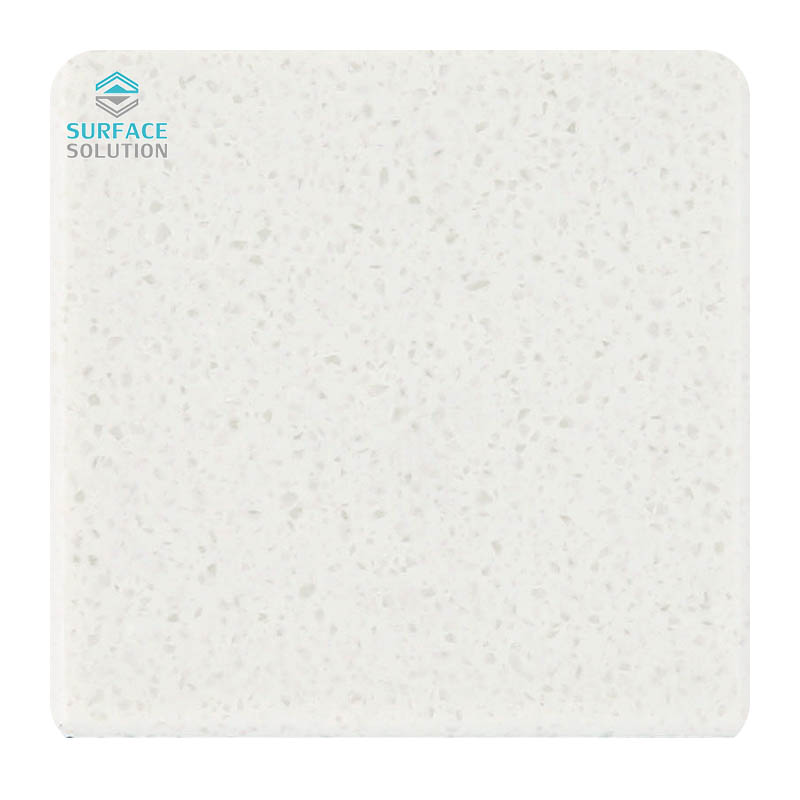

Solid surface stone also enhances resale value through its aesthetic versatility and ability to elevate a home’s luxury quotient. First impressions are critical in real estate, and kitchens and bathrooms with cohesive, high-end design elements create an emotional connection with potential buyers. Solid surface stone offers a seamless, sleek appearance that complements nearly every design style—from modern minimalism and industrial chic to traditional warmth and coastal elegance. Available in an extensive palette of solid colors, subtle veining, and patterns that mimic natural stone (without the inherent flaws or inconsistencies), it can be customized to match cabinetry, flooring, and fixtures, creating a polished, unified look. Unlike natural stone, which has limited color options and often features unwanted blemishes, solid surface stone can be fabricated with integrated sinks, backsplashes, and curved edges, eliminating unsightly seams and adding a custom, high-end touch. This level of design refinement makes a home stand out in online listings and in-person showings, attracting more offers and justifying a higher price point.
Beyond aesthetics and maintenance, solid surface stone delivers value by offering a cost-effective alternative to premium natural stones, balancing luxury and affordability. While natural stones like marble or quartzite can be prohibitively expensive (costing $80–$150 per square foot), solid surface stone typically ranges from $40–$80 per square foot, making it accessible for most renovation budgets. For homeowners, this means achieving a high-end look without overinvesting— a key factor in maximizing return on investment (ROI). Appraisers often recognize solid surface stone as a mid-to-high-tier material that adds more value than its installation cost, with average ROIs ranging from 60–80% for kitchen and bathroom countertop replacements. In contrast, cheaper materials like laminate offer minimal ROI (often less than 30%) and are viewed as liabilities by buyers, who may factor in the cost of immediate replacement when making an offer.
Market trends further reinforce the positive impact of solid surface stone on resale value. A 2024 survey by the National Association of Realtors (NAR) found that updated kitchens and bathrooms are the top renovation projects that increase a home’s resale value, and countertops are among the most noticed features. Homes with solid surface or quartz countertops sold 10–14 days faster than those with laminate or outdated natural stone, as they appeal to a broader pool of buyers—including families, empty nesters, and investors. Additionally, solid surface stone’s eco-friendly attributes (many products are made from recycled materials and are fully repairable, reducing waste) align with the growing demand for sustainable homes, a factor that 68% of buyers consider when evaluating properties, according to a recent Zillow report.
It’s important to note that the impact of solid surface stone on resale value can vary based on factors such as installation quality, regional market preferences, and the home’s overall condition. Poorly installed countertops—with visible seams, uneven edges, or improper sealing—can diminish value, so working with experienced professionals is essential. Additionally, in markets where natural stone is highly preferred (e.g., luxury real estate segments), solid surface may not yield the same returns as high-end quartz or granite. However, for most mid-range homes—the largest segment of the real estate market—solid surface stone offers an optimal balance of cost, appeal, and functionality.
Related Blogs
-
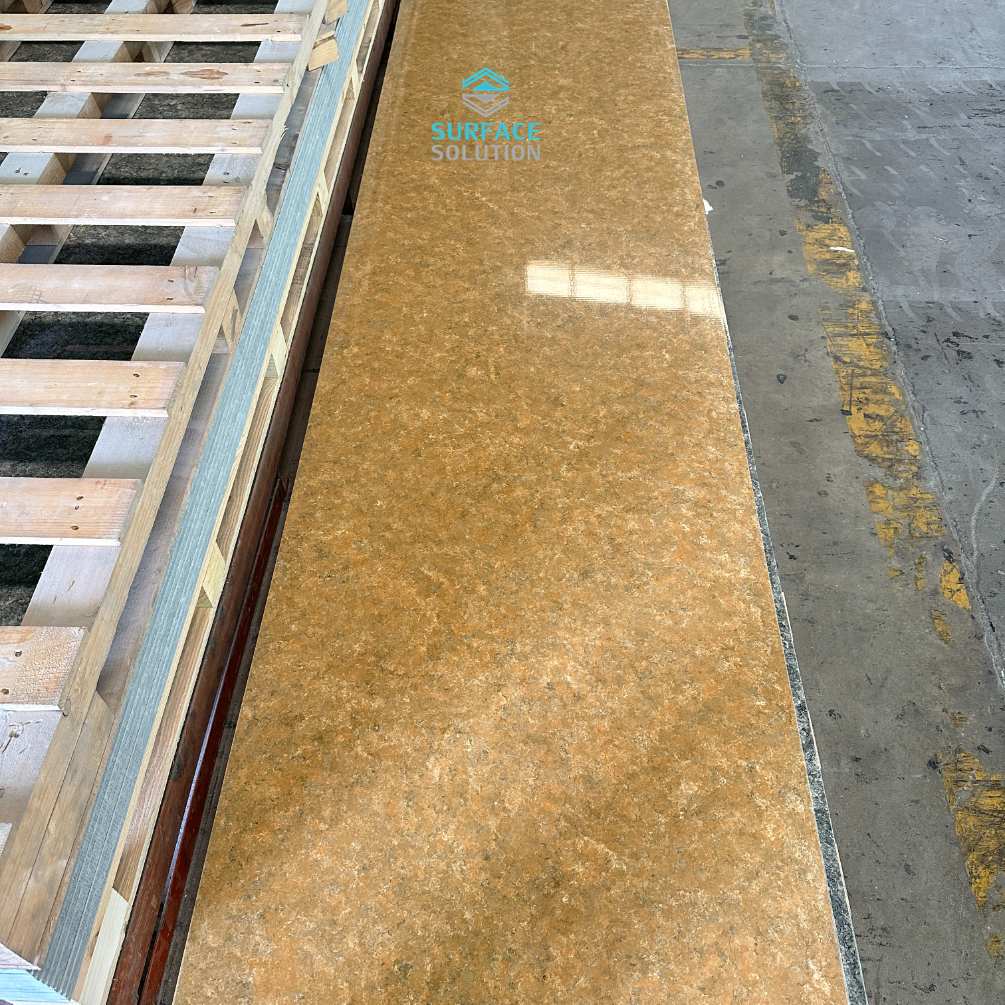 Wholesale Acrylic Solid Surface Slabs: Ultimate Material Solution for Countertop FabricatorsIn the competitive countertop manufacturing and renovation industry, material quality, processing flexibility, and cost efficiency are the three core factors that determine a fabricator’s market competitivene
 -
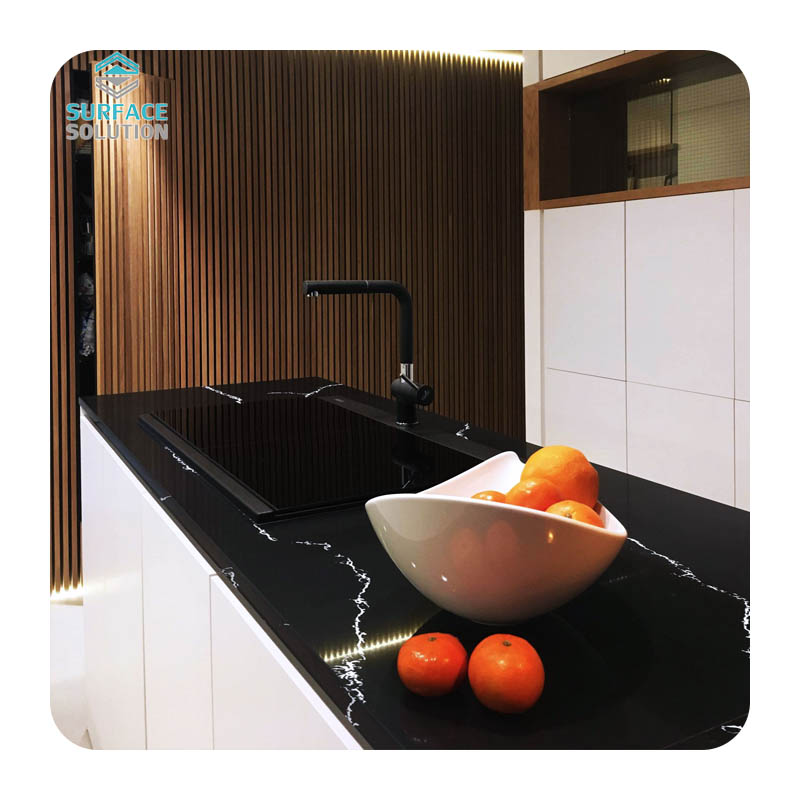 In modern residential and commercial interior design, vanity tops and kitchen islands serve as both functional core fixtures and key aesthetic focal points. These high-frequency usage surfaces require materials that balance outstanding durability, reliable hygiene, flexible design potential, and eff
 -
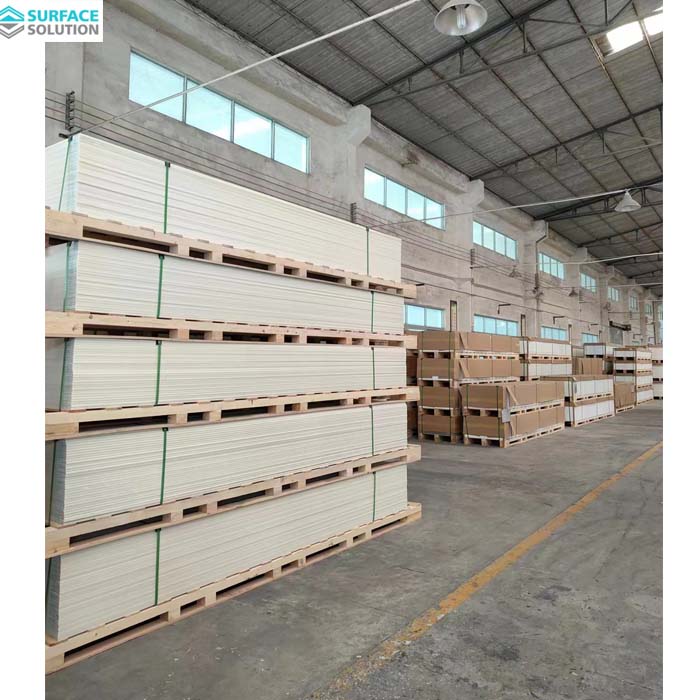 White acrylic solid surface countertops have become a top-tier mainstream choice for modern residential renovation and commercial space design, balancing minimalist timeless aesthetics, superior physical performance and long-term cost-effectiveness. Compared with traditional granite, quartz stone an
 -
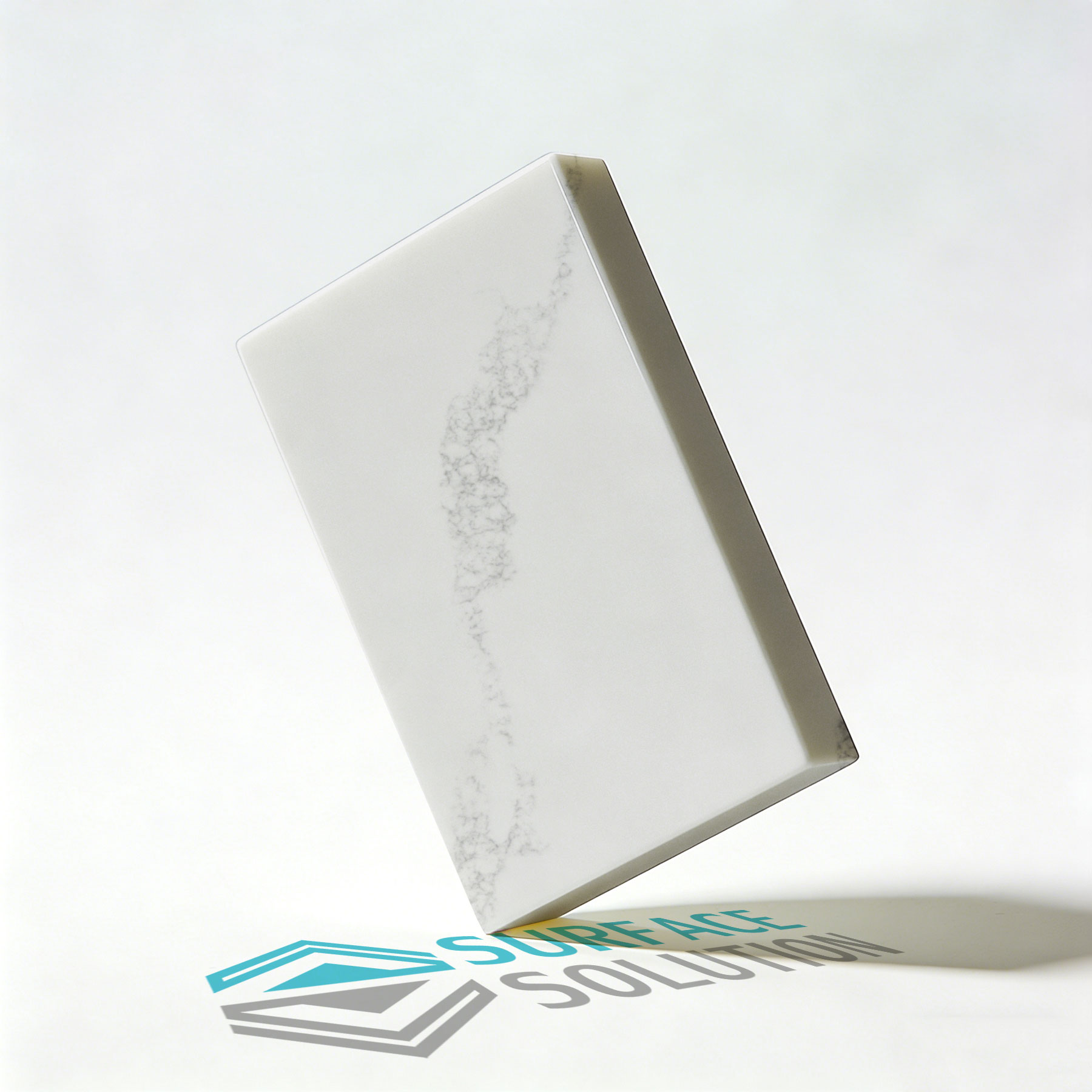 Custom Size Acrylic Solid Surface Panels for Interior RenovationInterior renovation projects often come with non‑standard dimensions, unique layout requirements and personalized design visions. Off‑the‑shelf building materials frequently fail to fit special wall sections, counter layouts or feature


