Pairing Wall Colors with Your Solid Surface Counter
Solid surface counters are celebrated for their versatility—offering a spectrum of hues, textures, and finishes that anchor kitchen and bathroom design. Yet, their impact is incomplete without complementary wall colors, which tie the space together, enhance natural light, and reflect personal style. Whether your solid surface counter is a crisp white, warm neutral, or bold accent, the right wall color can elevate its beauty while creating a cohesive, balanced environment. This guide breaks down proven pairing strategies, helping you match wall colors to your solid surface counter with confidence, regardless of your design aesthetic.
1. Pairing with White & Light Neutral Solid Surface Counters
White and light neutral (ivory, beige, soft gray)
solid surface counters are timeless staples, prized for their ability to brighten spaces and adapt to any style. Their neutral base offers endless wall color possibilities, from subtle harmonies to striking contrasts.
For a serene, minimalist look, opt for soft, cool-toned walls like pale blue, sage green, or light lavender. These hues add a whisper of color without competing with the counter’s brightness, creating a calm, spa-like vibe—ideal for bathrooms or modern kitchens. Pairing white solid surface with off-white or cream walls (a shade warmer than the counter) adds depth while maintaining a cohesive, airy feel, avoiding the starkness of pure white-on-white.
For those seeking contrast, warm earth tones (taupe, terracotta, warm brown) work beautifully. These colors ground the light counter, adding warmth and texture to the space. In kitchens, a terracotta accent wall behind the backsplash pairs elegantly with white solid surface, while in bathrooms, taupe walls complement light neutral counters for a cozy, inviting look. Avoid overly bright or neon hues, as they can overpower the counter’s subtlety.
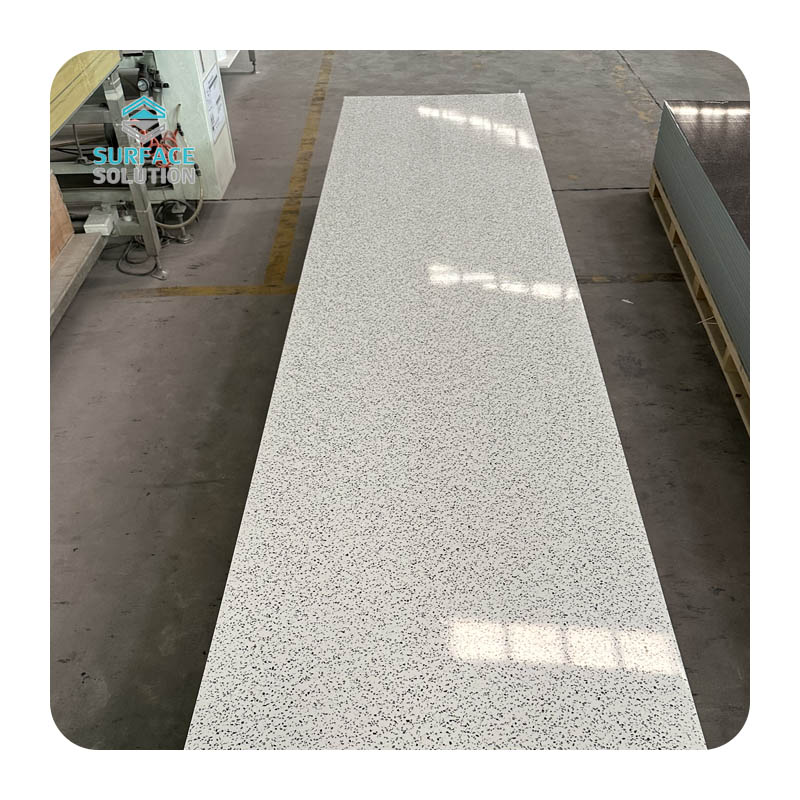
2. Complementing Warm Neutral Solid Surface Counters
Warm neutral
solid surface counters—think sand, honey, light oak, or soft tan—bring warmth and comfort to spaces, making them perfect for traditional, farmhouse, or rustic interiors. When choosing wall colors, the goal is to enhance their warmth without clashing.
Harmonizing tones are a safe bet: muted yellows, soft oranges, or warm beiges amplify the counter’s warmth, creating a cohesive, sunlit space. For example, a soft buttery yellow wall pairs beautifully with honey-toned solid surface, adding a cheerful, welcoming feel to kitchens. In more subdued spaces, warm gray walls (with undertones of brown or beige) balance the counter’s warmth, creating a sophisticated, modern look.
To create subtle contrast, opt for cool muted greens or blues. A sage green wall, for instance, provides a fresh counterpoint to sand-colored solid surface, adding a touch of nature without disrupting the warm palette. Avoid cool grays with blue or purple undertones, as they can clash with the counter’s warm base, creating a disjointed feel.
3. Matching Bold & Dark Solid Surface Counters
Bold (navy, forest green, terracotta) and dark (charcoal, black, deep brown) solid surface counters make a dramatic statement, serving as focal points in kitchens and bathrooms. When pairing wall colors with these counters, the key is to balance drama with brightness, avoiding spaces that feel cramped or gloomy.
Light, neutral walls are the most versatile choice: white, off-white, light gray, or soft beige reflect light, opening up the space and allowing the counter to shine as the star. A crisp white wall paired with charcoal solid surface creates a sleek, modern contrast—ideal for contemporary kitchens—while soft beige walls soften the intensity of black or deep brown counters, adding warmth. For a touch of elegance, consider light gray walls with navy solid surface; the cool tones complement each other, creating a sophisticated, timeless look.
For those willing to embrace color, muted pastels or soft accents work well. A pale pink or light blue wall adds a subtle pop of color without competing with bold counters, while a muted sage green wall complements forest green solid surface for a monochromatic, nature-inspired vibe. Avoid dark walls with dark counters, as this can make the space feel closed-in and overwhelming.
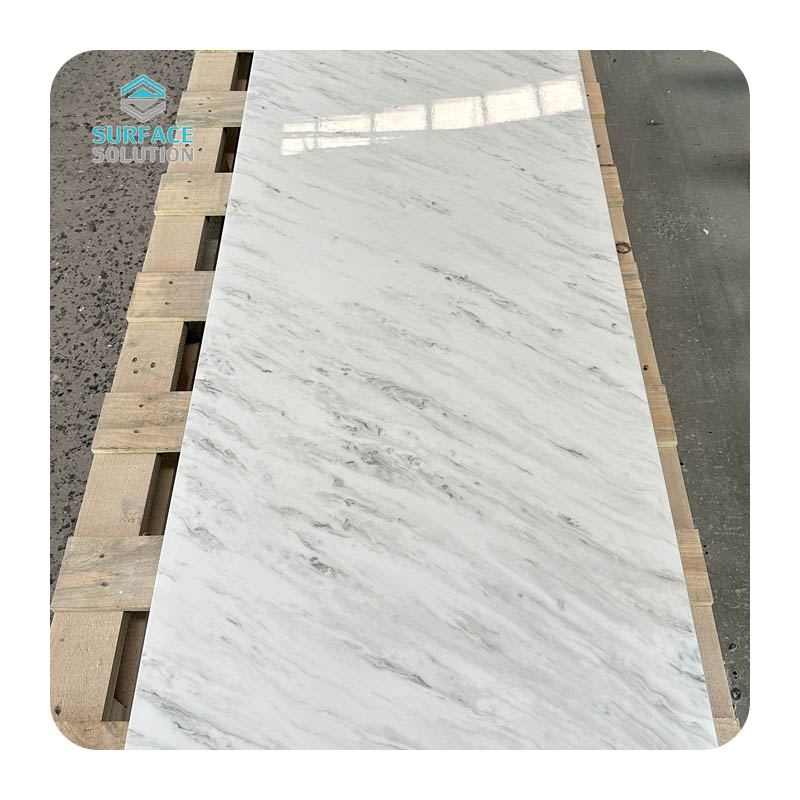
4. Considering Texture & Finish for Cohesion
Solid surface counters come in a range of finishes—matte, glossy, veined, or textured—and wall colors should complement these details to create a cohesive look. Matte or textured solid surface (with subtle grain or veining) pairs well with matte or eggshell wall paints, as they share a soft, understated texture. Glossy solid surface, on the other hand, benefits from satin or semi-gloss walls, which reflect light similarly, creating a polished, cohesive aesthetic.
Veined solid surface (mimicking marble or stone) offers an extra layer of design: pull a subtle color from the veins for your walls to tie the look together. For example, if your counter has soft gray veins, choose a light gray wall color to highlight this detail. If the veins are warm beige, opt for a soft beige wall to create harmony. Avoid busy wallpaper or textured walls with heavily veined counters, as this can create visual clutter.
5. Room-Specific Pairing Tips
Kitchens and bathrooms have unique lighting and functional needs that influence wall color choices:
Kitchens: Consider the amount of natural light—sunny kitchens can handle deeper wall colors (like sage green or taupe) with light counters, while dim kitchens benefit from light walls (white, off-white) to brighten the space. For open-concept kitchens, match wall colors to adjacent rooms to create flow, ensuring the solid surface counter complements the overall palette.
Bathrooms: Moisture-resistant paint is a must, but color still matters. Small bathrooms with dark solid surface counters should use light walls to maximize space, while larger bathrooms can experiment with muted colors. Spa-like bathrooms pair beautifully with light blue or green walls and white/light neutral counters, creating a calm, relaxing atmosphere.
Final Thoughts: Balancing Personal Style & Cohesion
Pairing wall colors with solid surface counters is about finding balance—between contrast and harmony, warmth and coolness, and personal style and functionality. The best pairings enhance both the counter and the walls, creating a space that feels intentional and inviting. Whether you prefer a minimalist, monochromatic look or a bold, contrasting design, let your solid surface counter guide your choice: use light walls to highlight dark counters, warm tones to complement neutral counters, and subtle accents to elevate white counters. With these strategies, you’ll create a space that not only looks beautiful but also stands the test of time.


 Wholesale Acrylic Solid Surface Slabs: Ultimate Material Solution for Countertop FabricatorsIn the competitive countertop manufacturing and renovation industry, material quality, processing flexibility, and cost efficiency are the three core factors that determine a fabricator’s market competitivene
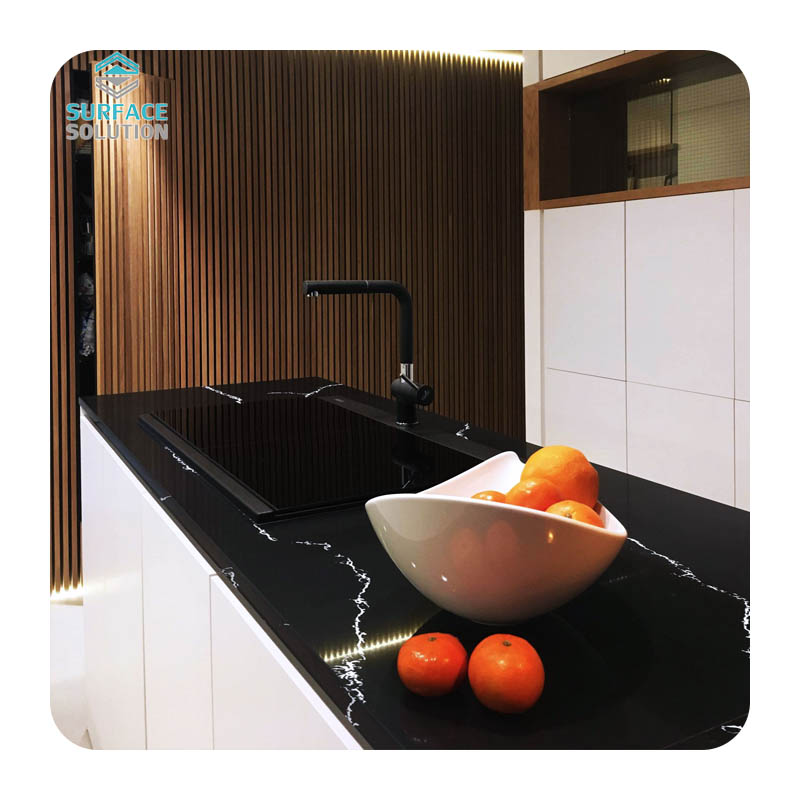 In modern residential and commercial interior design, vanity tops and kitchen islands serve as both functional core fixtures and key aesthetic focal points. These high-frequency usage surfaces require materials that balance outstanding durability, reliable hygiene, flexible design potential, and eff
 White acrylic solid surface countertops have become a top-tier mainstream choice for modern residential renovation and commercial space design, balancing minimalist timeless aesthetics, superior physical performance and long-term cost-effectiveness. Compared with traditional granite, quartz stone an
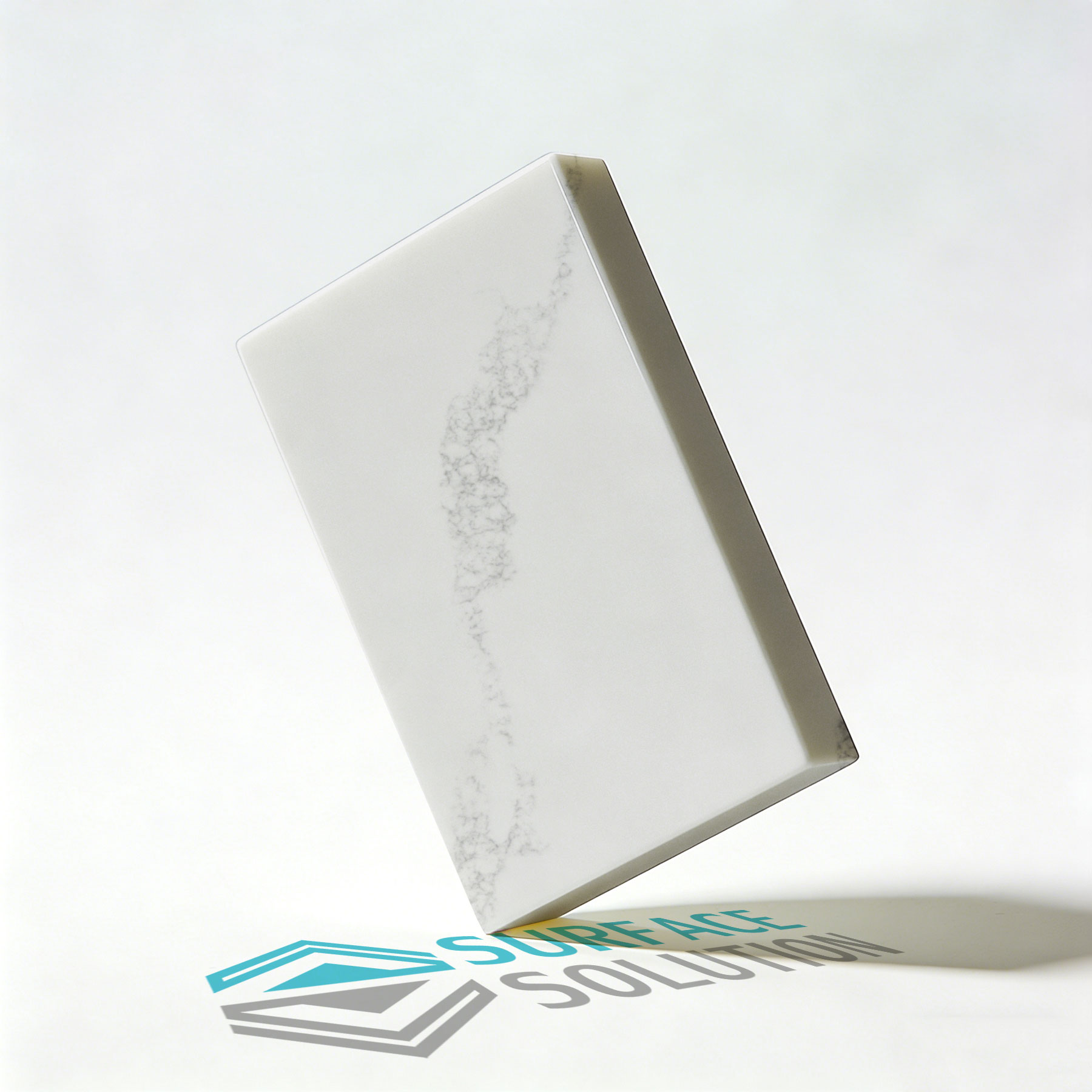 Custom Size Acrylic Solid Surface Panels for Interior RenovationInterior renovation projects often come with non‑standard dimensions, unique layout requirements and personalized design visions. Off‑the‑shelf building materials frequently fail to fit special wall sections, counter layouts or feature


