


Incorporating Storage Solutions with Solid Surface Counters


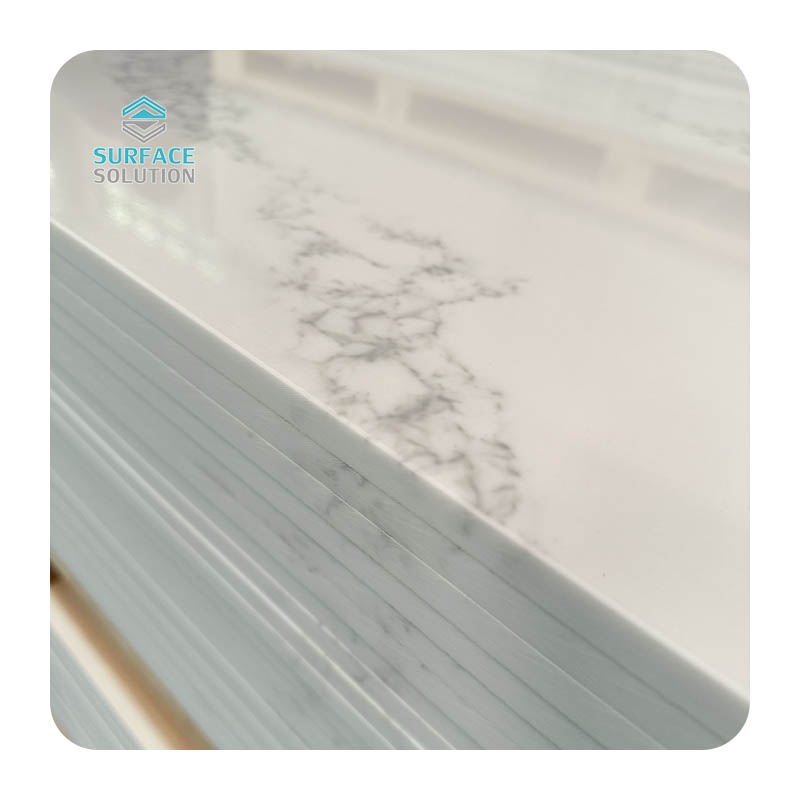
First, their malleable nature allows for seamless shaping and edging. This means counters can be designed with built-in ledges, grooves, or extended surfaces that directly connect to storage units, eliminating gaps where dirt might accumulate and creating a unified look. Second, solid surface counters are non-porous and stain-resistant, making them easy to clean—a crucial feature when storage units (such as drawers or cabinets) are attached, as spills or debris can be quickly wiped away without seeping into the material. Third, they come in a wide range of colors and textures, from matte neutrals to bold hues, allowing storage solutions to be matched or contrasted with the countertop for a cohesive design. Whether you prefer a minimalist monochromatic scheme or a striking accent look, solid surface counters provide the flexibility to align with your storage aesthetic.
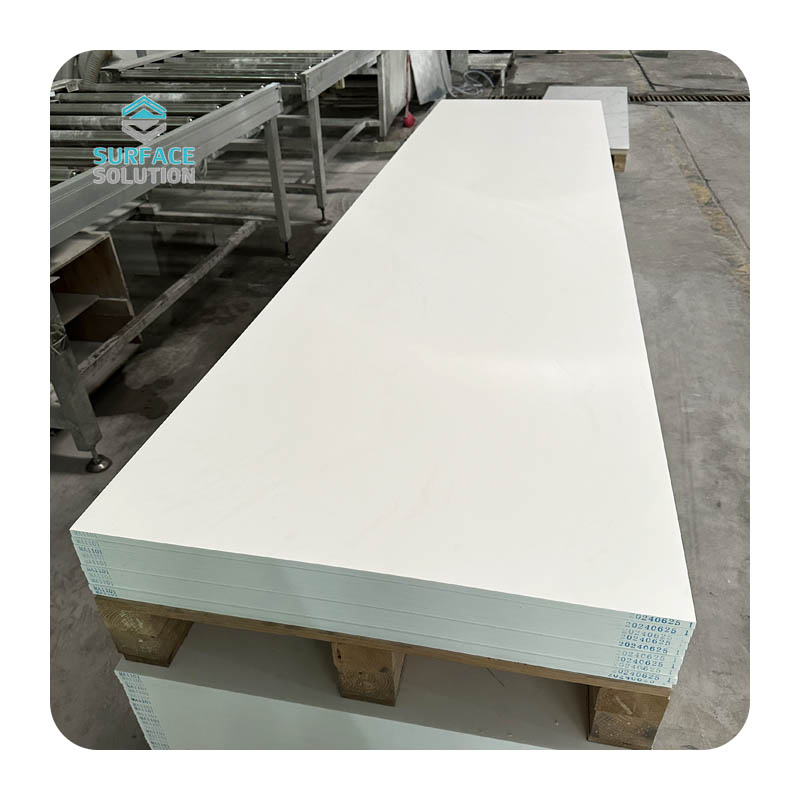
Under-Counter Cabinets and Drawers: This is the most common and effective storage method. Solid surface counters can be installed directly on top of custom-built cabinets or drawers, with the counter’s edge extending slightly over the cabinet fronts to prevent spills from dripping onto the doors. For added functionality, opt for deep drawers with dividers for utensils, pull-out shelves for pots and pans, or lazy Susans in corner cabinets to maximize hard-to-reach space. The seamless connection between the counter and cabinets creates a clean, unbroken line that enhances the kitchen’s modern feel.
Built-In Appliance Garages: Small appliances like toasters, blenders, and coffee makers can clutter countertops. A built-in appliance garage—essentially a enclosed cabinet with a solid surface countertop extension—provides a hidden spot to store these items. The countertop can be extended to cover the garage’s top, creating a smooth transition, and the garage can be fitted with sliding doors or roll-up covers for easy access. This not only keeps the countertop clear but also protects appliances from dust and spills.
Countertop Grooves and Ledges: For smaller items like knives, cutting boards, or spice jars, consider adding grooves or ledges directly into the solid surface counter. These can be custom-designed to fit specific items—for example, a narrow groove along the back edge of the counter to hold spice jars, or a recessed ledge near the stove for storing cooking oils. Since solid surface material is easy to shape, these features can be seamlessly integrated without disrupting the counter’s overall appearance.
Vanity Drawers and Shelves: A bathroom vanity with a solid surface countertop is a classic choice, but upgrading to custom drawers and shelves can significantly boost storage. Drawers can be divided into compartments for makeup, skincare products, and toiletries, while open shelves below the vanity can hold folded towels or decorative baskets. The solid surface counter can be extended over the vanity’s sides to create a overhang, providing extra space for placing items like toothbrushes or soap dispensers without cluttering the main counter area.
Wall-Mounted Storage Above the Counter: To save floor space, install wall-mounted cabinets or shelves above the solid surface counter. These can be designed to match the counter’s color or material, creating a cohesive look. For example, a floating shelf made from the same solid surface material as the counter can be mounted above the sink to hold candles, small plants, or frequently used toiletries. This not only adds storage but also draws the eye upward, making the bathroom feel more spacious.
Integrated Sink and Storage: Solid surface counters allow for seamless sink integration—either undermount, drop-in, or vessel sinks. For added storage, consider a counter design that includes a built-in niche or recessed area near the sink. This niche can be used to store hand soap, a toothbrush holder, or a small plant, keeping these items within easy reach while keeping the countertop surface clear. The non-porous nature of the solid surface material ensures that the niche is easy to clean, even with constant exposure to water.
Under-Counter File Cabinets and Shelves: A home office desk with a solid surface countertop can be paired with under-counter file cabinets (either lateral or vertical) to store documents. These cabinets can be designed to match the counter’s color, and the counter can be extended over the cabinets to create a smooth, continuous surface. Additionally, open shelves under the desk can hold books, binders, or decorative boxes for organizing smaller items like pens, paperclips, and sticky notes.
Built-In Bookcases and Storage Walls: For larger home offices, consider installing a storage wall that combines solid surface countertops with built-in bookcases or cabinets. The countertop can serve as a desk surface, while the bookcases above and below provide ample storage for books, office equipment, and personal items. This design creates a focal point in the room and maximizes storage without taking up extra floor space. The solid surface counter’s customizable color can be matched to the bookcase’s finish, creating a unified, polished look.
Cable Management Features: With the rise of electronic devices in home offices, cable clutter is a common issue. Solid surface counters can be designed with built-in cable management features, such as small holes or channels, to route cables from computers, printers, or chargers down to under-counter storage units. This keeps cables hidden and prevents them from tangling on the countertop, maintaining a clean, organized workspace.
Prioritize Balance: Avoid overcrowding the countertop with too much storage. The goal is to create a balance between storage space and open counter area for daily use. For example, in a kitchen, reserve the center of the counter for food preparation and use the edges or under-counter space for storage. In a bathroom, keep the area around the sink clear for daily grooming and use drawers or wall-mounted shelves for less frequently used items.
Opt for Customization: Every space and user has unique needs. Custom-built storage solutions allow you to tailor the design to your specific requirements—whether it’s a drawer with a custom divider for your favorite kitchen tools or a bathroom niche sized to fit your skincare bottles. Solid surface counters are highly customizable, so working with a designer or manufacturer to create a cohesive, custom design ensures the storage and counter work together seamlessly.
Ensure Durability: When attaching storage units to solid surface counters, use high-quality hardware and installation methods to prevent damage. Solid surface material is strong, but it can crack or chip if not properly supported. For example, under-counter cabinets should be securely fastened to the wall and the countertop to prevent sagging, and heavy storage units (like file cabinets in a home office) should be placed on a stable base to avoid putting excessive weight on the counter.
Consider Maintenance: Choose storage solutions that are easy to clean and maintain, especially in spaces like kitchens and bathrooms where dirt and moisture are common. For example, opt for cabinet doors with smooth, easy-to-wipe surfaces, and avoid open shelves in areas prone to spills (like near the kitchen sink). The non-porous nature of solid surface counters makes them low-maintenance, but pairing them with low-maintenance storage ensures the entire space remains easy to care for.
Related Blogs
-
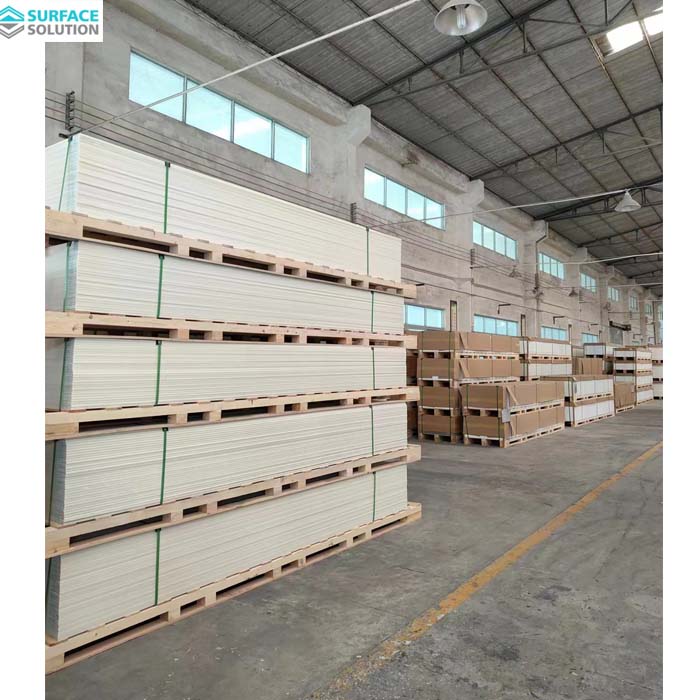 White acrylic solid surface remains a top-selling option for distributors, wholesalers and project contractors, widely specified for kitchen countertops, bathroom vanities, hotel vanity tops, commercial reception counters and custom tabletops. A common question from your downstream buyers is straigh
 -
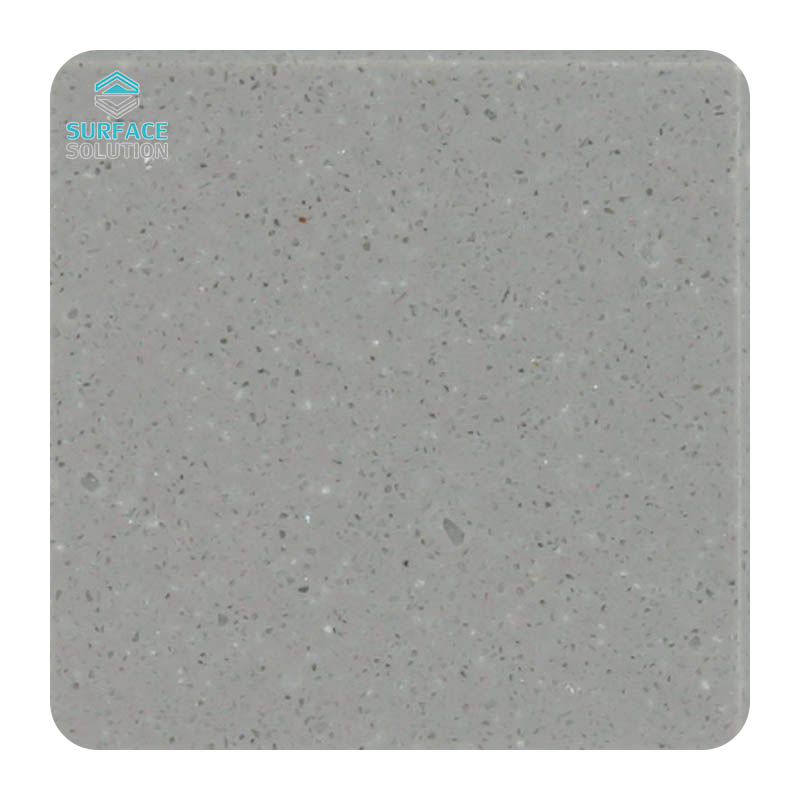 When renovating kitchens, bathrooms or commercial spaces, homeowners and designers often weigh different countertop materials. Acrylic solid surface is one of the most popular options, but a common question remains: is it durable enough for everyday use?Acrylic solid surface countertops are manufact
 -
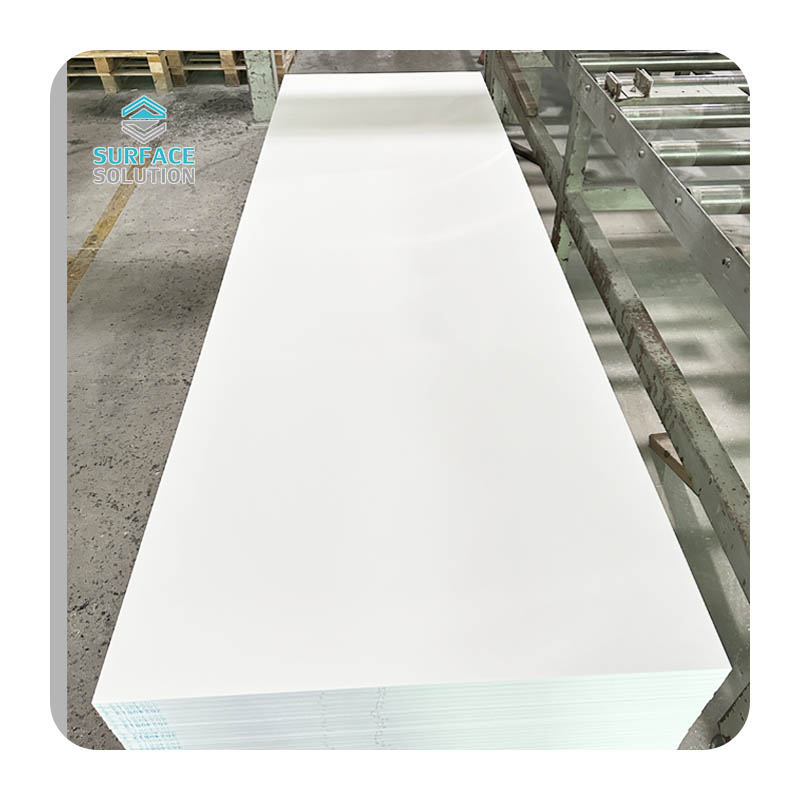 Acrylic solid surface is a premium engineered composite material widely used for kitchen countertops, vanity tops, wall panels, custom furniture and commercial interior projects. Many people confuse it with pure acrylic sheet or natural marble, but it is a carefully formulated blend of mineral powde
 -
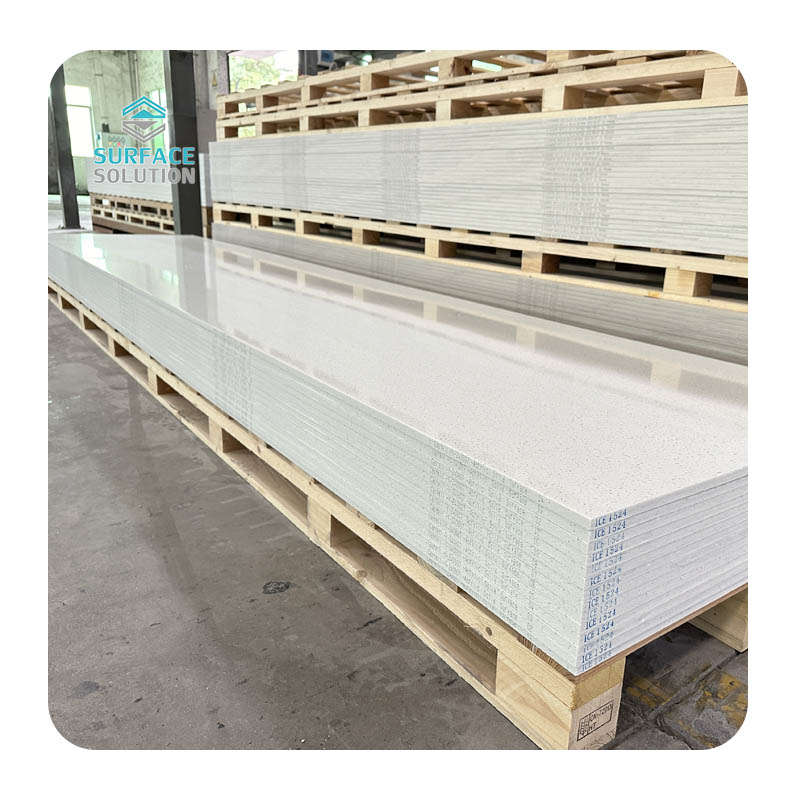 Kitchens and bathrooms are the most frequently used and easily worn spaces in residential and commercial buildings, where countertops face constant spills, moisture, friction, and daily stains. Compared with traditional materials such as natural marble, granite, quartz stone, and laminate, acrylic s


