


The bathroom is no longer merely a functional utility space in modern interior design; it has evolved into a private sanctuary for relaxation, cleanliness, and subtle luxury. Among all bathroom fixtures, vanities and sinks serve as core functional and aesthetic centers, whose material quality and design directly determine the overall grade and practical experience of the space. As a high-performance decorative material, solid surface has gradually become the top choice for custom bathroom vanities and integrated sinks, perfectly solving the pain points of traditional bathroom materials while creating a minimalist, clean, and long-lasting bathroom aesthetic.
The biggest advantage of solid surface for bathroom vanities and sinks lies in its one-piece seamless integration, which revolutionizes traditional bathroom space design. Traditional bathroom combinations of stone countertops and ceramic sinks inevitably produce splicing gaps. These tiny crevices easily accumulate soap scum, water stains, dust, and bacteria, becoming hidden hygiene dead ends that are difficult to clean thoroughly. In contrast, solid surface materials support integral thermoforming, enabling the countertop, sink basin, and back baffle to be molded as a single unit without any joints. The smooth and continuous surface eliminates dirt accumulation gaps fundamentally, keeping the bathroom vanity area permanently clean and tidy, which is extremely suitable for humid and high-frequency use bathroom environments.

Adapted to the humid bathroom environment, solid surface boasts excellent waterproof, mildew-proof and antibacterial properties. The material features a dense non-porous homogeneous structure with zero water permeability, which can effectively resist the erosion of long-term water vapor and standing water. Unlike natural stone that is prone to water seepage, darkening, and mildew growth in humid environments, solid surface will not absorb water, deform, or breed mold and mites. Its stable antibacterial performance inhibits the growth of common bacteria such as E. coli and mold, creating a hygienic and healthy washing environment for families. Even in poorly ventilated bathrooms, it can maintain a dry, clean and odor-free state for a long time.
In terms of aesthetic performance, solid surface perfectly fits the modern minimalist bathroom style. It provides a rich and pure color palette, including classic white, soft gray, warm beige and other low-saturation neutral tones, matching various bathroom design styles from light luxury modernity to simple ins wind. The material surface can be customized with matte, fine glossy and soft-touch finishes, presenting a delicate and advanced texture superior to ordinary ceramic and stone products. In addition, solid surface allows flexible customization of shapes and sizes. Designers can create rounded corner vanities, arc-shaped integrated sinks, ultra-thin countertop edges and personalized irregular shapes according to bathroom space size and design needs, breaking the monotonous and rigid shape limitations of traditional fixed-size bathroom sinks.

Superior durability and repairability make solid surface vanities and sinks more cost-effective in long-term use. The bathroom is prone to daily abrasion, cosmetic residue erosion, and accidental scratch damage. Solid surface has strong scratch resistance and corrosion resistance, not easily damaged by daily washing and makeup cleaning. More importantly, minor surface scratches, yellowing, and faint water marks can be completely repaired through simple sanding and polishing, restoring the brand-new smooth state of the material. This unique repairable feature avoids the trouble of overall replacement caused by local damage, greatly extending the service life of bathroom vanity and sink fixtures.
Related Blogs
-
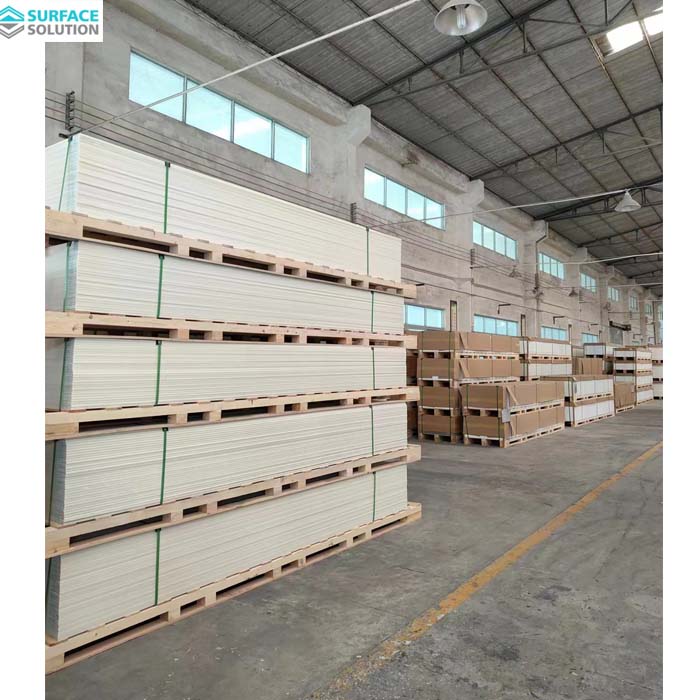 White acrylic solid surface remains a top-selling option for distributors, wholesalers and project contractors, widely specified for kitchen countertops, bathroom vanities, hotel vanity tops, commercial reception counters and custom tabletops. A common question from your downstream buyers is straigh
 -
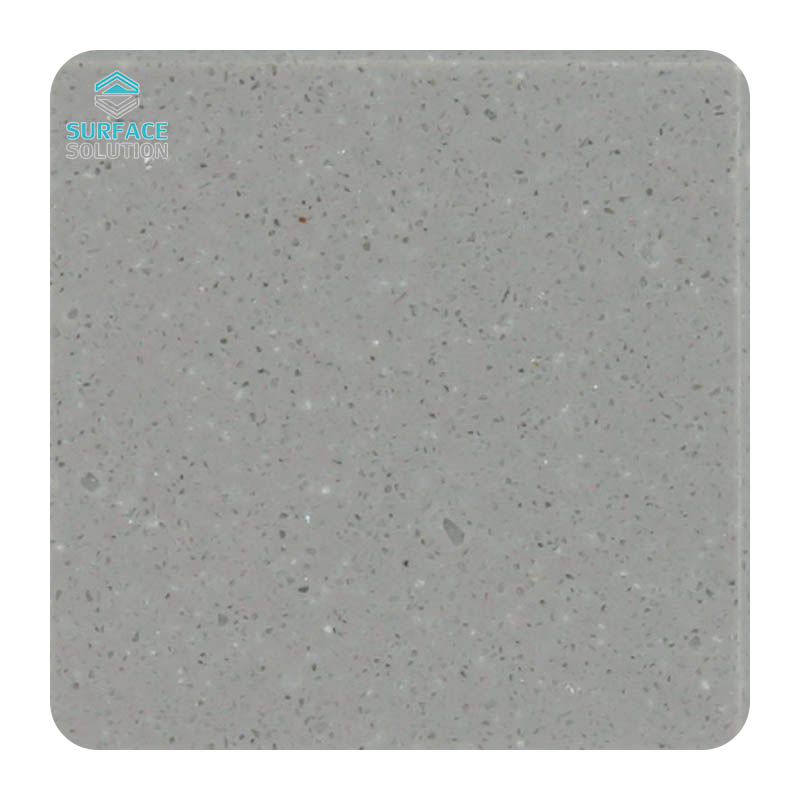 When renovating kitchens, bathrooms or commercial spaces, homeowners and designers often weigh different countertop materials. Acrylic solid surface is one of the most popular options, but a common question remains: is it durable enough for everyday use?Acrylic solid surface countertops are manufact
 -
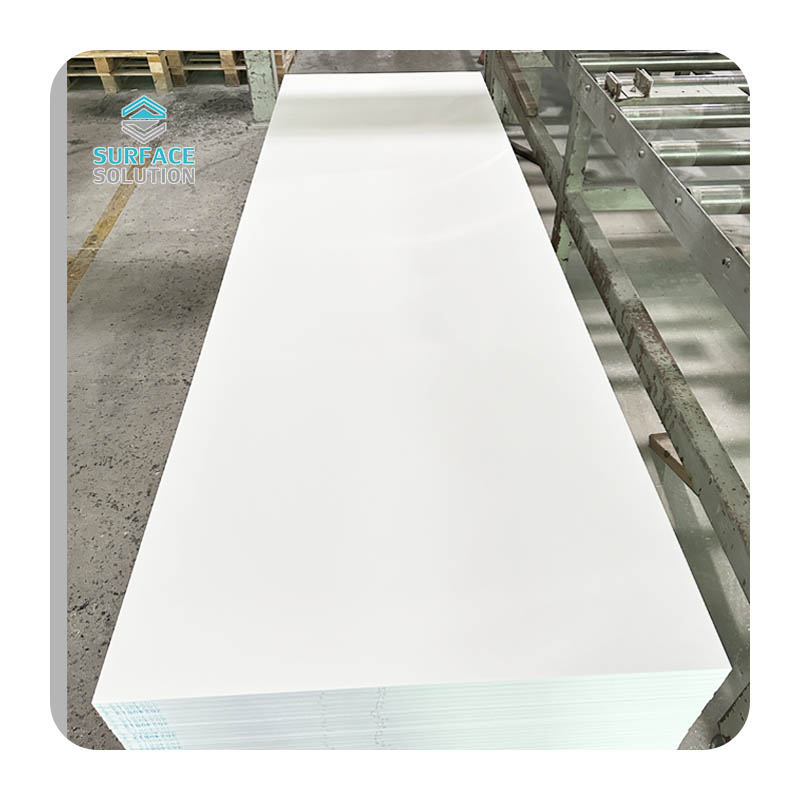 Acrylic solid surface is a premium engineered composite material widely used for kitchen countertops, vanity tops, wall panels, custom furniture and commercial interior projects. Many people confuse it with pure acrylic sheet or natural marble, but it is a carefully formulated blend of mineral powde
 -
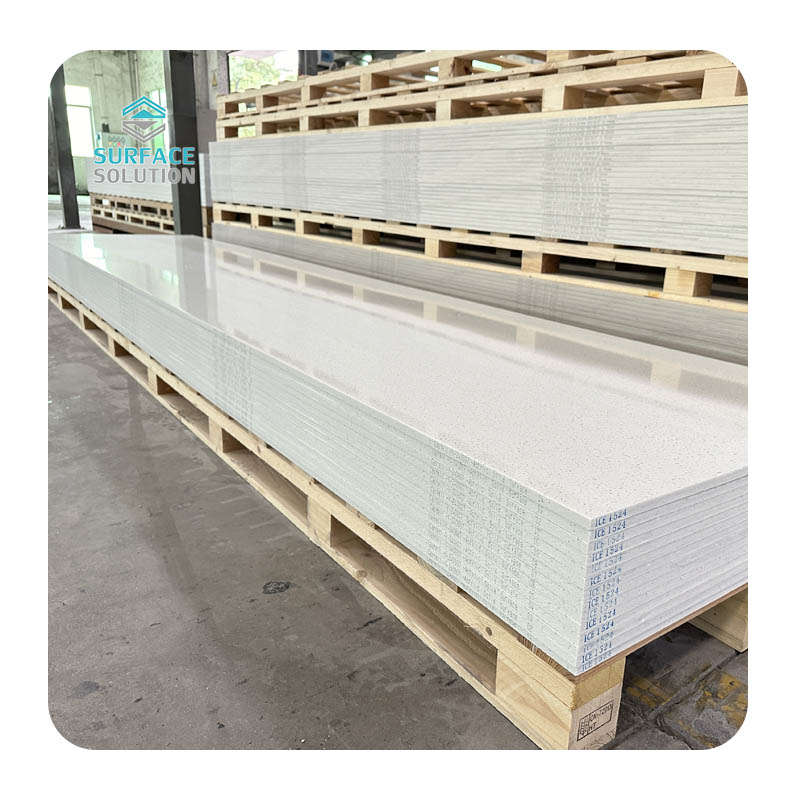 Kitchens and bathrooms are the most frequently used and easily worn spaces in residential and commercial buildings, where countertops face constant spills, moisture, friction, and daily stains. Compared with traditional materials such as natural marble, granite, quartz stone, and laminate, acrylic s


