


Best Maintenance Practices for Acrylic Solid Surface Materials


Preventing damage is easier than repairing it. Always use trivets or heat-resistant pads under hot cookware, as direct contact with high heat can cause the surface to warp or discolor. Similarly, avoid cutting directly on the acrylic surface; use a cutting board to prevent scratches. While acrylic is relatively resistant to impact, heavy or sharp objects dropped on the surface can cause cracks, so handle items with care.

Minor scratches can often be repaired at home. For shallow scratches, use a non-abrasive polish or a specialized acrylic surface cleaner. Apply a small amount to a soft cloth and buff the scratch in a circular motion until it fades. For deeper scratches, start with a fine-grit sandpaper (around 400 grit) to gently sand the area, then move to a higher grit (800-1200) to smooth the surface. After sanding, polish the area with a non-abrasive polish to restore the shine. For cracks or chips, it is best to contact a professional installer or manufacturer, as these issues may require more advanced repair techniques.

Related Blogs
-
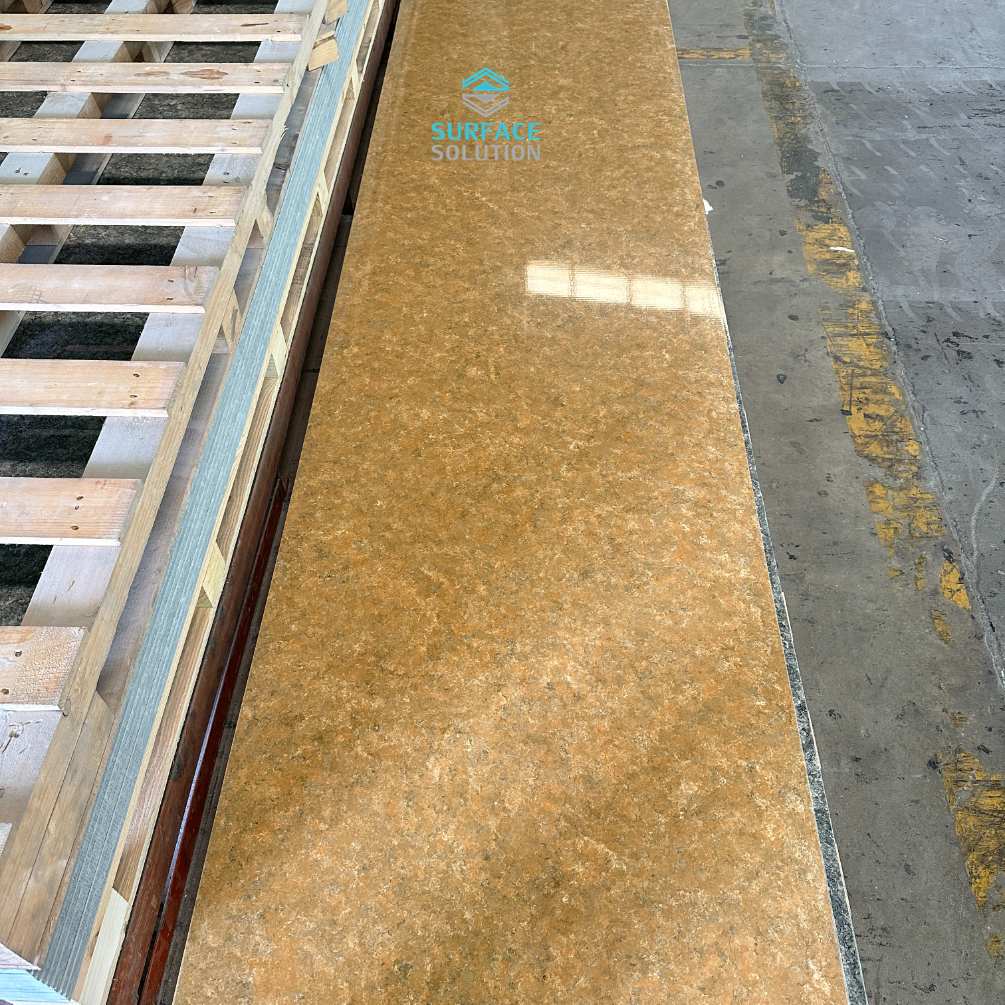 Wholesale Acrylic Solid Surface Slabs: Ultimate Material Solution for Countertop FabricatorsIn the competitive countertop manufacturing and renovation industry, material quality, processing flexibility, and cost efficiency are the three core factors that determine a fabricator’s market competitivene
 -
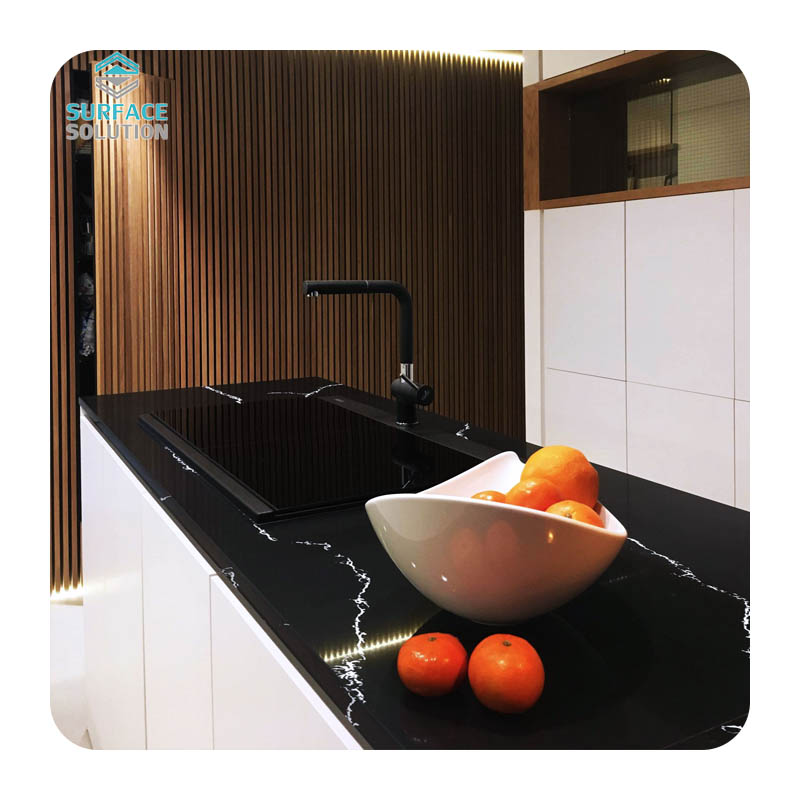 In modern residential and commercial interior design, vanity tops and kitchen islands serve as both functional core fixtures and key aesthetic focal points. These high-frequency usage surfaces require materials that balance outstanding durability, reliable hygiene, flexible design potential, and eff
 -
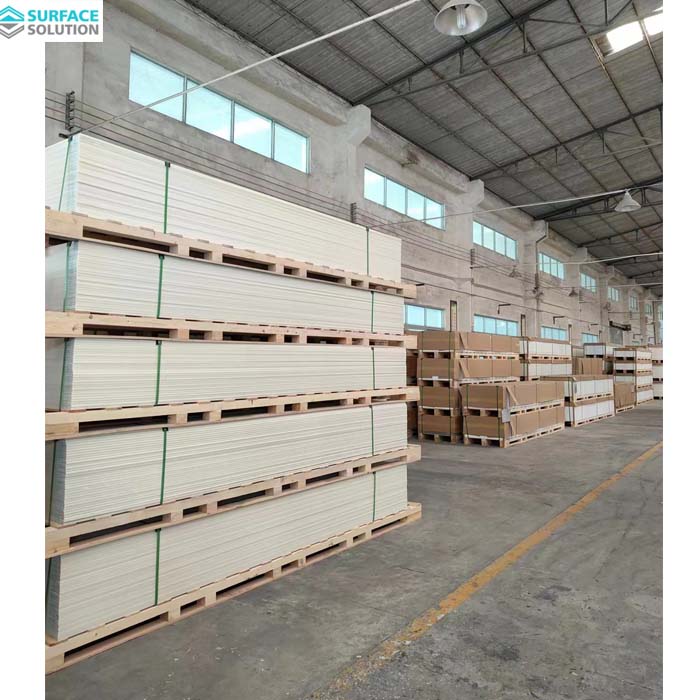 White acrylic solid surface countertops have become a top-tier mainstream choice for modern residential renovation and commercial space design, balancing minimalist timeless aesthetics, superior physical performance and long-term cost-effectiveness. Compared with traditional granite, quartz stone an
 -
 Custom Size Acrylic Solid Surface Panels for Interior RenovationInterior renovation projects often come with non‑standard dimensions, unique layout requirements and personalized design visions. Off‑the‑shelf building materials frequently fail to fit special wall sections, counter layouts or feature


