


Premium Acrylic Solid Surfaces for Every Need


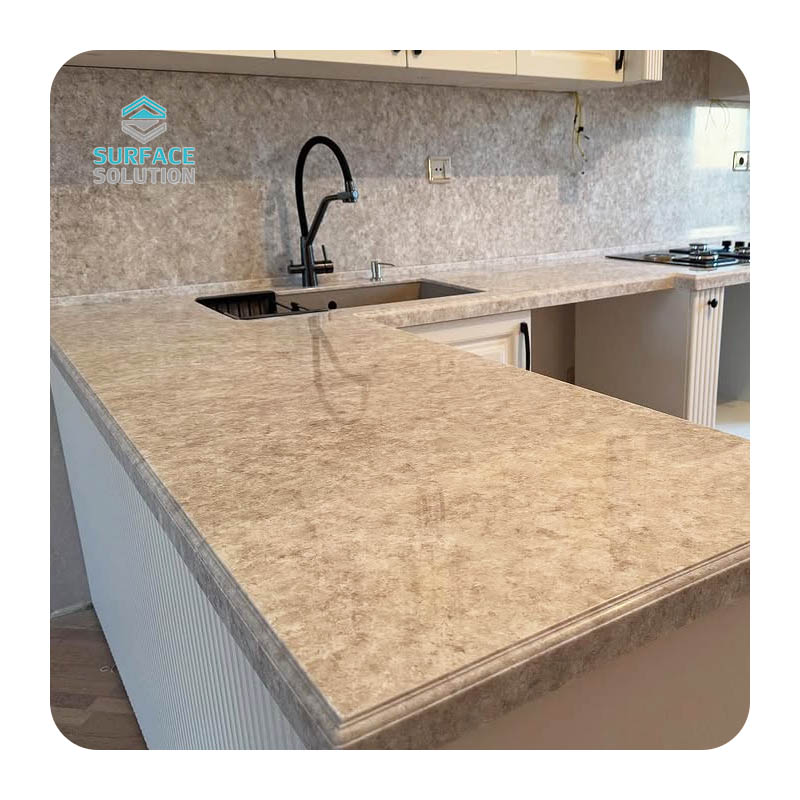
Acrylic Solid Surface vs Quartz: A Comprehensive Comparison
When selecting materials for countertops, workspaces, or decorative surfaces, choosing the right option is vital for both functionality and aesthetics. Two of the most popular choices are acrylic solid surfaces and quartz. Both materials offer unique benefits, but their differences make them more suited to specific needs and preferences. This article breaks down the key characteristics of these surfaces to help you make an informed decision.
Understanding Acrylic Solid Surfaces and Quartz
What Is Acrylic Solid Surface?
An acrylic solid surface is a non-porous material made from a blend of acrylic resin, natural minerals, and pigments. Known for its seamless look and versatility, this material is popular for countertops, backsplashes, and decorative panels. Its surface resists stains, scratches, and bacteria, making it a hygienic and durable choice.


Features of Acrylic Solid Surface:
Seamless and customizable fabrication
Wide range of colors and finishes, including black solid surfaces for modern aesthetics Repair-friendly; scratches and chips can be buffed out Lightweight and easy to install
What Is Quartz?
Quartz is a man-made material composed of about 90–95% natural quartz crystals combined with resins and pigments. Renowned for its durability and stone-like appearance, quartz surfaces bring a luxurious feel to any interior.
Features of Quartz:
Extremely hard and durable Resistant to stains, scratches, and heat Limited customization options compared to solid surfaces Heavy and requires professional installation
Key Differences Between Acrylic Solid Surface and Quartz
While both materials cater to durability and style, their differences highlight their suitability for specific applications. Below is a side-by-side comparison:
Feature | Acrylic Solid Surface | Quartz |
|---|---|---|
Material Composition | Acrylic resin, natural minerals, pigments | Natural quartz crystals, resins, pigments |
Appearance | Seamless, customizable finishes | Stone-like, limited color range |
Durability | Scratch-resistant, can be repaired | Extremely hard, less prone to scratches |
Porosity | Non-porous; resists bacteria and stains | Non-porous |
Heat Resistance | Moderately resistant; avoid direct heat | Excellent heat resistance |
Weight | Lightweight for easy installation | Heavy and requires professional handling |
Cost | Affordable and cost-effective | Usually more expensive per square foot |
Benefits of Acrylic Solid Surface
Customizability for Unique Designs
One of the top advantages of acrylic solid surfaces is their versatility. Unlike quartz, acrylic solid surfaces can be molded into unique shapes. Whether you're seeking a minimalistic black solid surface countertop or a dynamically curved vanity, acrylic solid surfaces are highly flexible.
Maintenance and Repairs
Accidents happen, but with acrylic solid surfaces, you don’t have to worry about permanent damage. Scratches and minor chips can be buffed or sanded out, ensuring your surface looks as good as new for years.
Hygiene and Safety
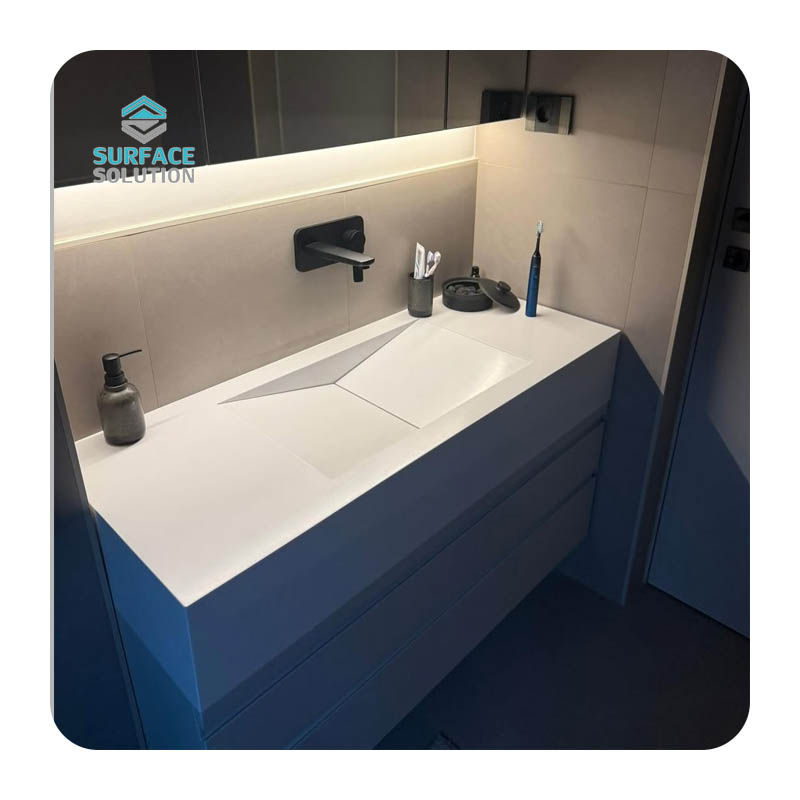
Thanks to its non-porous nature, acrylic solid surface panels resist bacteria, making them an excellent choice for kitchens, bathrooms, and medical facilities.
Benefits of Quartz
Durability and Strength
Quartz is renowned for its toughness. While heavier than acrylic surfaces, its exceptional resistance to scratches and high heat makes it ideal for high-traffic areas.
Natural Beauty
If you’re seeking a luxurious, stone-like aesthetic with minimal maintenance, quartz is a clear winner. Its smooth surface and natural patterns add an elevated look to any space.
Applications of Acrylic Solid Surface Panels
Acrylic solid surface panels are used widely across industries due to their versatility. Some applications include:
Countertops - Ideal for both residential and commercial kitchens due to their seamless design. Bathroom Vanities - Non-porous surfaces ensure hygiene and stain resistance. Office Desks - Lightweight and functional without compromising style. Retail Displays - Customizable to fit unique shapes and branding needs.

FAQs About Acrylic Solid Surface and Quartz
What Is the Difference Between Acrylic Solid Surface and Quartz?
The primary difference lies in their composition. Acrylic solid surfaces are made from acrylic resin mixed with natural minerals and pigments, making them lightweight, seamless, and customizable. Quartz, on the other hand, is a heavier material made from natural quartz crystals blended with resin, offering stone-like durability but limited design flexibility.
Which Material Is Better for Kitchens?
Both materials are excellent choices for kitchens. Acrylic solid surfaces are ideal if you prioritize seamless designs and easy maintenance. Quartz is better suited for heavy-duty kitchens requiring high heat and scratch resistance.
Is Acrylic Solid Surface Expensive?
Acrylic solid surfaces are generally more affordable than quartz. They offer good value for money due to their versatility, easy repairs, and aesthetic options.
Can Acrylic Solid Surfaces Stand Up to Heat?
While moderately heat-resistant, acrylic solid surfaces aren’t as heat-tolerant as quartz. It's best to use trivets or hot pads to avoid damage.
How Long Does Acrylic Solid Surface Last?
With proper care, acrylic solid surfaces can last a lifetime. Their repair-friendly nature ensures they maintain their appearance for years.
Why Choose Acrylic Solid Surfaces from solid surface acrylic?
If you're considering acrylic solid surfaces for your next project, solid surface acrylic offers the highest quality options tailored to your needs. With an extensive catalog that includes modern black solid surfaces and innovative solid surface panels, you’ll find solutions that match your style and purpose.


Why Buy From solid surface acrylic?
Superior product quality Customizable solutions for residential, commercial, and industrial use Friendly customer support and expert consultation.
For further inquiries, you can contact solid surface acrylic at:
Email: sales7@surface-s.com
Phone: +86-13316717867
Don’t hesitate—invest in durable, stylish, and versatile acrylic solid surfaces today!
acrylic solid surface
black solid surface
solid surface panels
Related Blogs
-
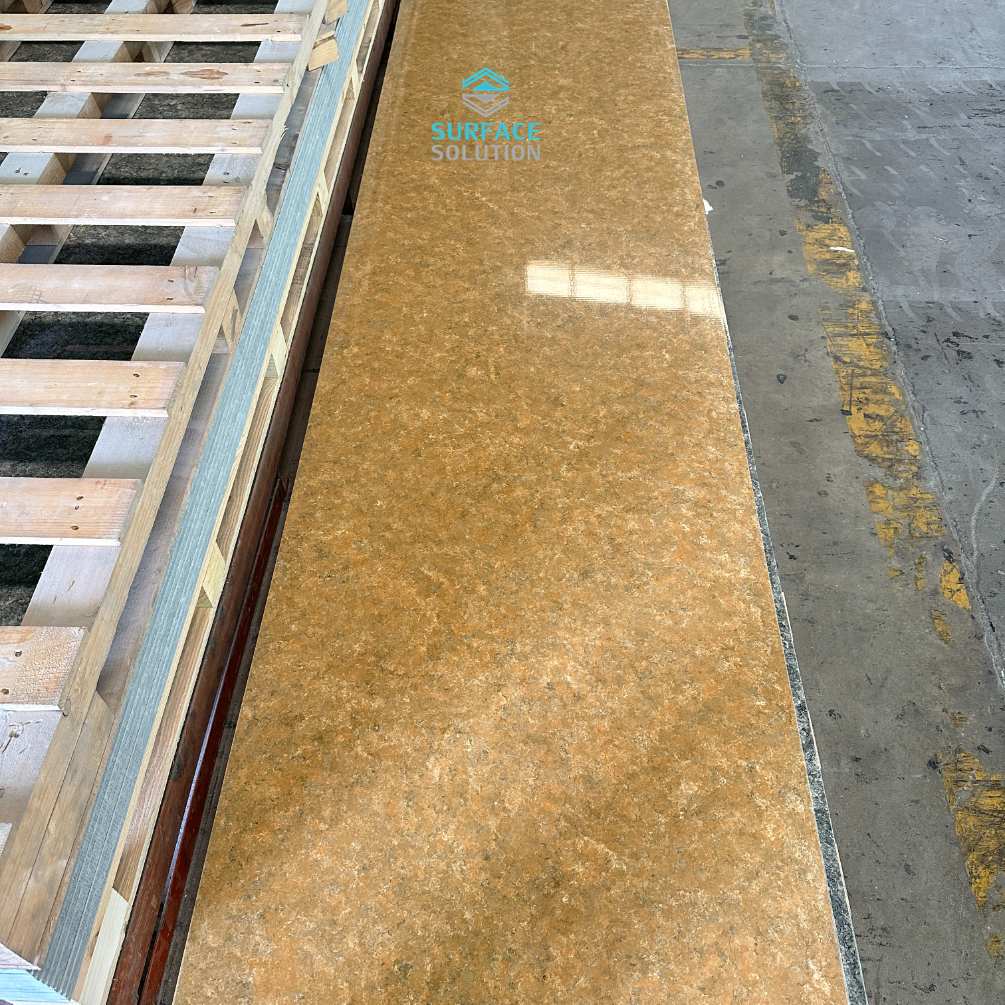 Wholesale Acrylic Solid Surface Slabs: Ultimate Material Solution for Countertop FabricatorsIn the competitive countertop manufacturing and renovation industry, material quality, processing flexibility, and cost efficiency are the three core factors that determine a fabricator’s market competitivene
 -
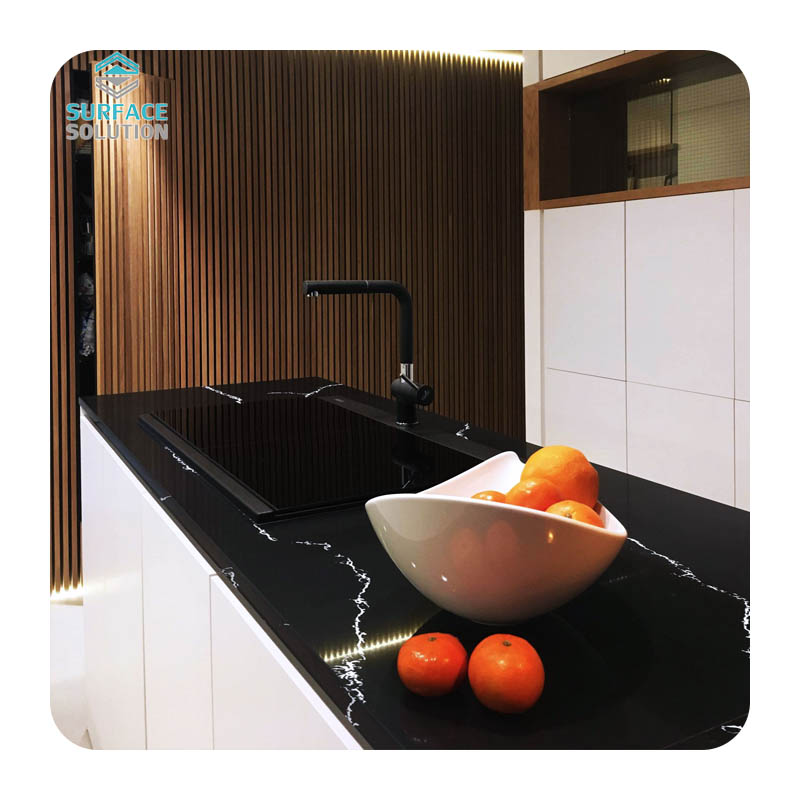 In modern residential and commercial interior design, vanity tops and kitchen islands serve as both functional core fixtures and key aesthetic focal points. These high-frequency usage surfaces require materials that balance outstanding durability, reliable hygiene, flexible design potential, and eff
 -
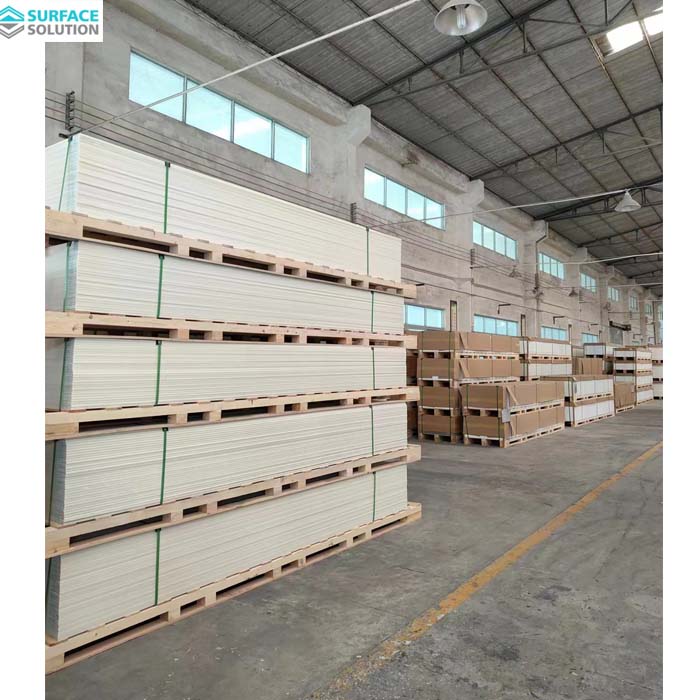 White acrylic solid surface countertops have become a top-tier mainstream choice for modern residential renovation and commercial space design, balancing minimalist timeless aesthetics, superior physical performance and long-term cost-effectiveness. Compared with traditional granite, quartz stone an
 -
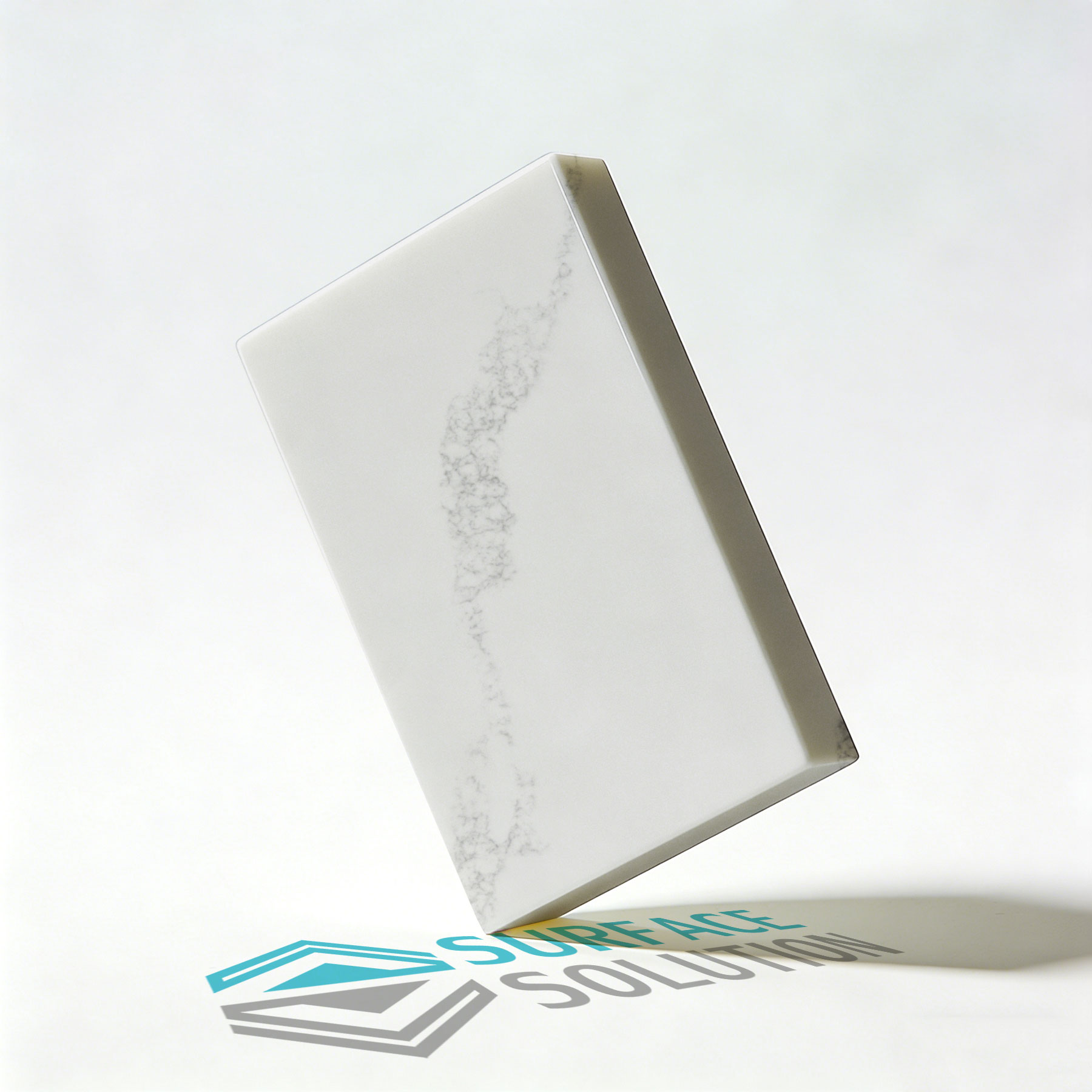 Custom Size Acrylic Solid Surface Panels for Interior RenovationInterior renovation projects often come with non‑standard dimensions, unique layout requirements and personalized design visions. Off‑the‑shelf building materials frequently fail to fit special wall sections, counter layouts or feature


